Thinking about buying a Ford Fusion Hybrid or already own one? While these eco-friendly vehicles offer impressive fuel economy, they come with their own set of challenges. I’ve compiled the most common Ford Fusion Hybrid problems you might encounter, along with practical solutions to help you navigate these issues.
Power Steering Failures: A Critical Safety Concern
If you own a 2010-2016 Ford Fusion Hybrid, pay special attention. Power steering failures represent one of the most serious and widespread issues affecting these models.
The electronic power-assisted steering (EPAS) system can fail suddenly, making your steering wheel extremely difficult to turn. This typically happens without warning and creates a genuinely dangerous driving situation.
You might experience:
- Complete loss of power steering assistance
- Steering wheel that becomes very hard to turn
- Dashboard warning lights illuminating
- “Power Steering Assist Fault” message on your display
The root causes often include:
- Faulty power steering motor sensors
- Aluminum bolts securing the electric motor housing breaking under load
- Electrical system failures
Repairs aren’t cheap, typically costing between $1,700-$2,500. However, Ford issued a recall for 2011-2012 models, replacing aluminum bolts with steel ones under warranty. If you haven’t had this recall performed, check with your dealer immediately.
Brake System Problems: When Stopping Gets Scary
The regenerative braking system in Ford Fusion Hybrids, especially early models like the 2010 year, has caused significant concerns for many drivers.
Brake system issues can manifest as:
- Brake failure at low speeds (5-10 mph)
- Loss of brake pedal feel during transition between regenerative and hydraulic braking
- ABS system malfunctions
- Brake fluid leaks
The 2010 model year was particularly problematic. Ford even issued a customer satisfaction program for approximately 17,600 2010 Fusion Hybrids due to a software issue that caused the brake pedal to feel like it was failing during the transition between braking systems.
If you notice any changes in brake pedal feel or stopping power, have your vehicle inspected immediately. This isn’t an area where you want to take chances.
Transmission Issues: The Expensive Problem
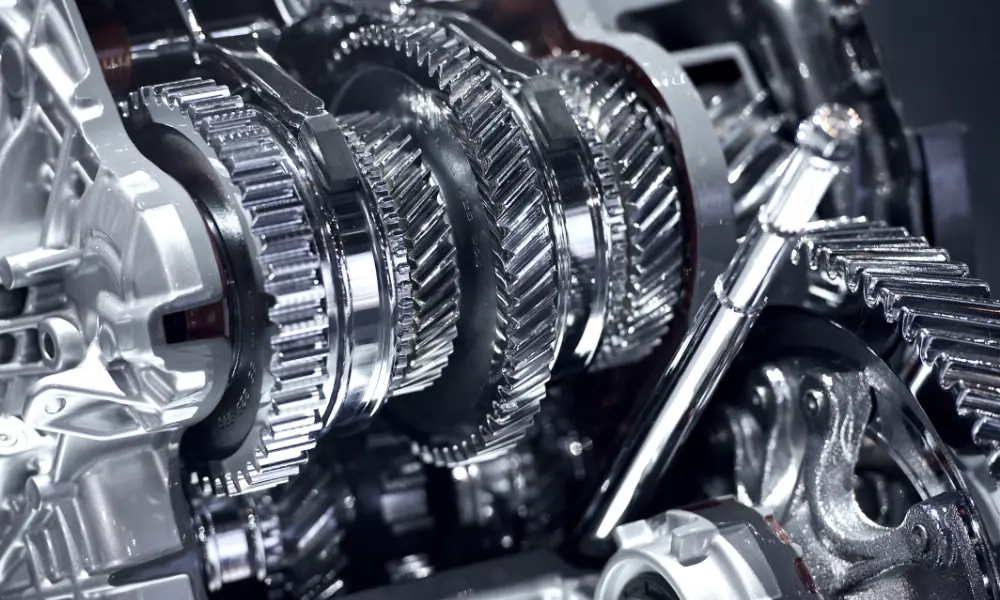
The HF35 e-CVT transmission used in Ford Fusion Hybrids is unfortunately prone to several significant problems that can lead to expensive repairs.
Common transmission problems include:
- Input shaft bearing failure causing whining, grinding, or humming sounds
- Transmission fluid leaks from worn axle shaft seals
- Complete transmission failure requiring rebuild or replacement
Watch for warning signs like:
- Whining or grinding noises during acceleration
- Transmission fluid leaks
- Harsh shifting or delayed shifting
- Complete loss of power transmission
Repair costs can be brutal, ranging from $2,500 to $7,000 for a rebuild or replacement. What’s worse, Ford’s recommended transmission fluid change interval of 150,000 miles is likely contributing to these failures.
Many specialists recommend changing transmission fluid every 30,000-50,000 miles instead of following Ford’s extended service interval, which can help prevent premature failure.
12-Volt Battery Problems: The Silent System Killer
You might think the main battery is the only concern in a hybrid, but the 12-volt battery in Ford Fusion Hybrids deserves special attention. When it fails, your entire vehicle can become inoperable.
Battery issues include:
- Premature battery failure (typically every 2-3 years)
- Parasitic draws depleting battery overnight
- FordPass system causing excessive battery drain
- Battery failure due to extreme temperatures
To prevent these problems:
- Disable the FordPass system in vehicle settings if you’re experiencing battery drain
- Replace your 12-volt battery every 3-4 years proactively
- Have a technician check for parasitic draws from systems like entry keypads or audio control modules
A new 12-volt battery costs much less than being stranded or having to deal with random electrical gremlins throughout your vehicle’s systems.
Engine Problems (2013-2019 Models): When Things Get Hot
Ford Fusion Hybrids with 1.5L and 2.0L EcoBoost engines face several serious issues that can lead to expensive repairs.
Head gasket failures are particularly common and can present as:
- Coolant leaks and engine misfires
- White smoke from exhaust
- Overheating issues
- Complete engine failure if not addressed promptly
Replacing a head gasket typically costs between $1,600-$2,100, but ignoring the problem could lead to complete engine failure and a much higher repair bill.
Other notable engine issues include:
- Throttle body failure (2010-2016 models)
- Variable camshaft timing (VCT) solenoid problems
- EGR valve issues in turbocharged engines
Regular maintenance and prompt attention to warning signs can help prevent catastrophic engine failures.
Worst Model Years to Avoid
Based on complaint data and reliability reports, some Ford Fusion Hybrid years are significantly more problematic than others:
| Model Year | Major Problems | Severity Rating |
|---|---|---|
| 2010 | Braking system failures, power steering issues | High |
| 2013-2014 | Engine problems, transmission failures | High |
| 2015 | Transmission issues, electrical problems | Medium-High |
The 2010 model year consistently ranks as the worst, with dangerous brake and steering issues that could lead to accidents.
Most Reliable Model Years
Not all Ford Fusion Hybrids are problematic. These model years have shown better reliability:
| Model Year | Strengths | Reliability Rating |
|---|---|---|
| 2016-2018 | Fewer major complaints, improved transmission | Good |
| 2019-2020 | Limited to battery/charging issues in Energi models | Good (except for Energi models) |
If you’re shopping for a used Ford Fusion Hybrid, targeting these later model years (except for the plug-in Energi variants) will likely provide a more reliable ownership experience.
Critical Recall Information You Can’t Ignore
2019-2020 Fusion Energi Fire Risk Recall
The most serious recent recall affects 2019-2020 Ford Fusion Energi (plug-in hybrid) models and represents a significant safety hazard.
The Battery Energy Control Module (BECM) can be damaged by excess voltage, potentially causing:
- Loss of power while driving
- Vehicle fires in the trunk area
- “Stop Safely Now” warning messages
If you own an affected vehicle, Ford recommends you must not charge your vehicle until the repair is completed. The company is replacing the high-voltage battery and BECM under warranty.
Other Notable Recalls
Several other recalls affect various model years:
- Shifter cable bushing degradation (2013-2019 models)
- Steering wheel bolt loosening (2014-2018 models)
- Brake hose rupture (2013-2018 models)
- Door latch failures (2015-2016 models)
You can check if your vehicle is affected by any recalls by entering your VIN on the NHTSA website or Ford’s recall page.
Essential Maintenance Tips to Prevent Problems
To maximize reliability and minimize Ford Fusion Hybrid problems, follow these maintenance recommendations:
- Transmission fluid changes: Every 30,000-50,000 miles, not Ford’s 150,000-mile recommendation
- 12-volt battery replacement: Every 3-4 years proactively
- Engine oil: Consider using higher viscosity oil (5W-20 instead of 0W-20) for better engine protection
- Brake system inspections: Regular checks of the hybrid braking system
Warning Signs You Shouldn’t Ignore
Pay attention to these early warning signs that could indicate developing problems:
- Any unusual noises from the transmission
- Power steering warning lights or changes in steering feel
- Brake pedal feel changes or longer stopping distances
- Frequent 12-volt battery issues or electronics behaving erratically
- Check engine lights related to emissions systems
Addressing these symptoms early can often prevent more extensive and expensive repairs later.
Tracking Your Vehicle’s Health
Modern technology makes it easier than ever to monitor your Fusion Hybrid’s health:
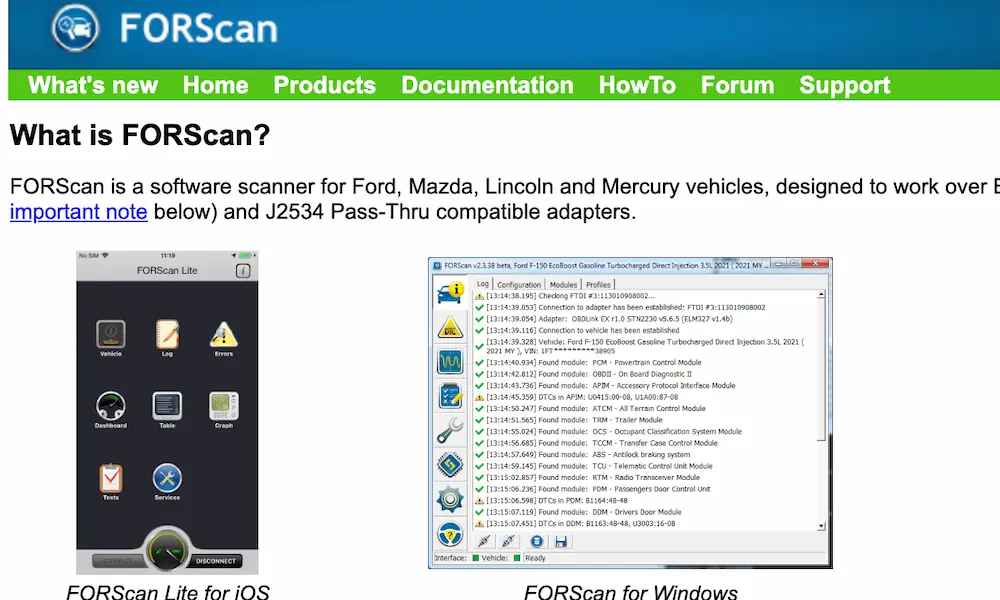
- Use OBD2 scanner apps that connect to your smartphone
- Keep maintenance records in a dedicated app
- Join Ford Fusion Hybrid online forums like Ford Fusion Hybrid Forum to learn from other owners’ experiences
- Schedule regular diagnostic scans even when everything seems fine
Making the Most of Your Fusion Hybrid
Despite these potential problems, many owners enjoy their Ford Fusion Hybrids for years without major issues. The key is awareness, preventative maintenance, and prompt attention to emerging problems.
With proper care, your Ford Fusion Hybrid can deliver excellent fuel economy, a comfortable driving experience, and solid reliability—just be aware of these common issues so you can address them before they become serious.