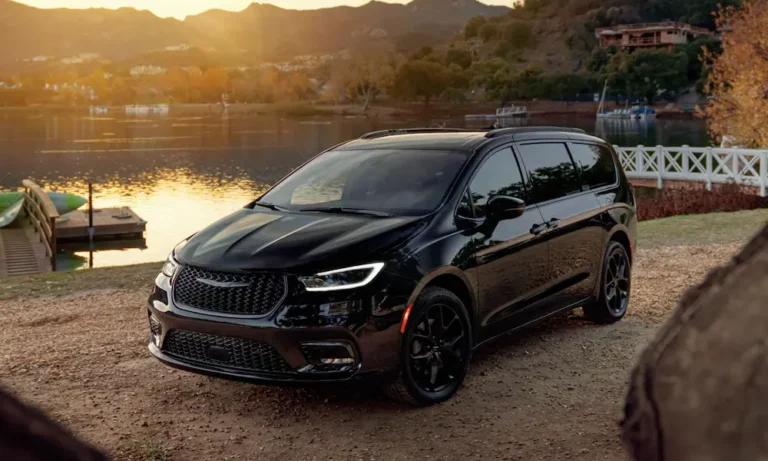
Thinking about buying a Chrysler Pacifica Hybrid or already own one? While this plug-in hybrid minivan offers impressive fuel economy and family-friendly features, it’s been plagued by serious reliability issues across multiple model years. From dangerous fire risks to frustrating transmission failures, these problems can turn your eco-friendly family hauler into a major headache.
Fire Risks: The Most Serious Concern
The most alarming problem with the Pacifica Hybrid involves potential fire hazards. In July 2024, Chrysler issued a critical recall affecting approximately 24,000 vehicles worldwide (19,500 in the US) due to battery pack fire risks.
What makes this particularly concerning is that these vehicles can catch fire even when:
- Parked and turned off
- Not actively charging
- Sitting in your garage overnight
The recall documentation indicates the fire risk stems from a folded or torn anode tab in the battery pack that can cause internal short circuits. This has already led to seven reported fire incidents and four cases of smoke inhalation injuries.
If you own a Pacifica Hybrid, Chrysler advises you to:
- Park outside, away from structures
- Stop charging immediately
- Keep distance from other vehicles
Transmission Problems That Leave You Stranded
A widespread issue affecting 2017-2023 Pacifica Hybrids involves transmission failures that can leave you stranded at the worst possible moments. The problem stems from an internal transmission wiring connector that can short-circuit, causing:
- Sudden engine shutdown while driving
- Complete loss of power at highway speeds
- Transmission entering “limp mode”
- Dashboard warning lights illuminating
This transmission issue affects approximately 67,000 vehicles in the US alone. Many owners have reported being stranded on highways with their families, requiring expensive tows and lengthy repair times.
What’s particularly frustrating is that even after multiple software updates, the underlying hardware issue persists, often requiring complete transmission replacement. Even worse, replacement parts are frequently backordered, leaving owners without transportation for weeks.
Battery System Failures Beyond Fire Risks
Beyond the fire risks, the Pacifica Hybrid’s high-voltage battery system experiences numerous other problems that can be expensive and inconvenient:
| Battery Issue | Impact on Owners | Typical Cost If Out of Warranty |
|---|---|---|
| Premature battery failure | Complete loss of hybrid functionality | $16,000-$17,000 |
| Inconsistent charging | Reduced electric range | Varies by repair needed |
| Battery coolant leaks | Reduced efficiency and potential damage | $1,200+ depending on severity |
| Battery management system errors | “Service Hybrid System” warnings | $800-$1,500 |
Some owners have reported battery failures as early as 22,000 miles. While Chrysler provides a 10-year/100,000-mile hybrid system warranty, waiting for repairs can take weeks due to parts availability issues.
Sliding Door Malfunctions: A Daily Frustration
For a family minivan, the power sliding doors are a key feature – but they’re also a common failure point on the Pacifica Hybrid. Owners regularly report issues like:
- Doors stopping halfway during operation
- Complete failure to close, especially in cold weather
- Door reversing unexpectedly when nearly closed
- Motor failures requiring complete assembly replacement
These issues are particularly problematic in winter climates, where door failures can leave your vehicle partially open in freezing temperatures. Repair costs typically run $1,200-$1,400 per door when out of warranty.
Electrical and Infotainment System Glitches
The Pacifica Hybrid’s electrical systems and UConnect infotainment are notorious for reliability issues:
UConnect System Failures
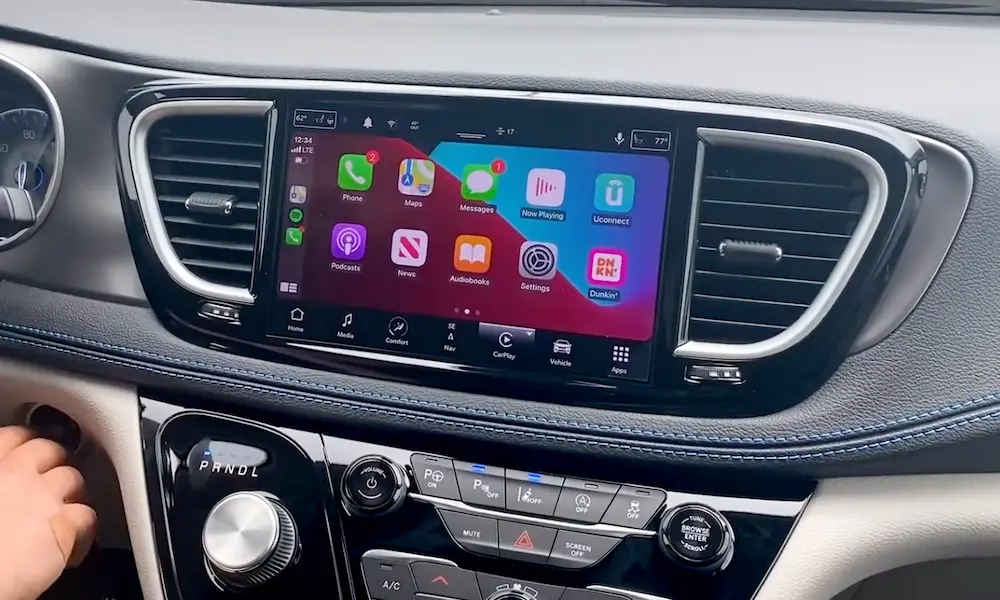
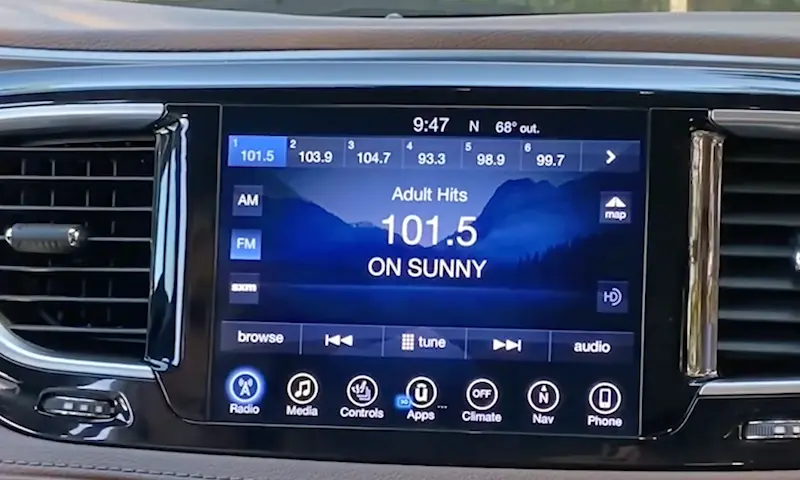
The touchscreen infotainment system frequently experiences:
- Black screens and system freezes
- Bluetooth connectivity problems
- Unresponsive touchscreens
- System reboots while driving
- Android Auto and Apple CarPlay disconnections
These aren’t just annoying – they can be dangerous when you’re relying on navigation or when backup cameras fail to display. A class-action lawsuit alleges that UConnect systems in 2021-2024 Pacifica models are defective, causing safety hazards when systems fail while driving.
Other Electrical Gremlins
Owners frequently report additional electrical issues:
- Power liftgate malfunctions
- Climate control system failures
- Unpredictable battery drain when parked
- Dashboard warning lights that come and go
Cooling System Complexity and Problems
The Pacifica Hybrid has three separate cooling systems, creating maintenance complexity and frequent problems:
- Engine cooling system
- Battery cooling system
- Power electronics cooling system
This complexity leads to common issues including:
- Recurring coolant loss despite no visible leaks
- Heater core failures requiring extensive dashboard removal
- Multiple coolant reservoirs requiring different service procedures
Many owners report cooling system issues that dealers struggle to diagnose correctly, leading to repeat visits and incomplete repairs.
Model Year Reliability Trends
Not all Pacifica Hybrid model years have the same problems. Here’s a breakdown of reliability trends:
2017-2018 Models: Most Problematic
The initial model years have the highest recall count (9-11 per model year) and most serious issues:
- Highest fire risk
- Most transmission failures
- Earliest battery system problems
- Multiple software updates needed
2019 Models: Slight Improvements
The 2019 model year showed moderate improvements but still suffers from:
- Continued transmission issues
- UConnect system problems
- Sliding door malfunctions
2020 Models: Better But Not Great
While 2020 models improved in some areas, they still experience:
- Battery system warnings
- Infotainment glitches
- Fewer but still present transmission problems
2021-2024 Models: Ongoing Concerns
The newest models continue to have significant issues:
- Persistent transmission problems
- Battery fire risks (leading to the 2024 recall)
- UConnect 5 system complaints
- Electrical system issues
Consumer Reports Ratings and Owner Experiences
Consumer Reports consistently rates the Pacifica Hybrid as less reliable than the average new car. The organization expects the 2025 model year to continue this trend based on historical data.
Real-world owner experiences reveal significant problems:
- Vehicles spending weeks in repair shops with no available parts
- Transmission failures occurring within months of purchase
- Multiple warranty claims for the same recurring issues
- Dealers unable to provide loaner vehicles during extended repairs
What To Do If You Own a Pacifica Hybrid
If you already own a Pacifica Hybrid, here are essential steps to protect yourself:
- Check for open recalls immediately by entering your VIN at the NHTSA website
- Follow safety instructions if your vehicle is affected by the battery fire recall
- Document all issues with dates, descriptions, and dealer visit records
- Research lemon law protections in your state if you’ve had multiple repair attempts
- Join owner forums to stay updated on the latest recall information and fixes
- Consider extended warranty coverage if your factory warranty is ending soon
Cost Considerations for Current and Potential Owners
When budgeting for a Pacifica Hybrid, be aware of these potential costs:
Under Warranty
While covered under warranty, you’ll still face:
- Time lost during repairs
- Potential rental car costs if a loaner isn’t provided
- Decreased resale value due to documented problems
Out of Warranty
Once your warranty expires, be prepared for:
- Battery replacement: $16,000-$17,000
- Transmission repair/replacement: $5,000-$7,000
- Sliding door repairs: $1,200-$1,400 per door
- UConnect system replacement: $1,800-$2,400
Alternatives to Consider
If you’re in the market for a hybrid or electric family vehicle but concerned about the Pacifica Hybrid’s reliability issues, consider these alternatives:
| Vehicle | Pros | Cons |
|---|---|---|
| Toyota Sienna Hybrid | Exceptional reliability, standard hybrid, AWD available | No plug-in option, less power |
| Kia Carnival | Spacious, modern features, strong warranty | No hybrid option yet |
| Toyota Highlander Hybrid | Outstanding reliability, available AWD | Smaller cargo area than minivans |
| Ford F-150 Lightning | Electric power, huge frunk storage, can power home | Higher price, not a minivan |
The Future of the Pacifica Hybrid
Despite its problems, the Pacifica Hybrid remains one of the few plug-in hybrid minivans on the market. Stellantis (Chrysler’s parent company) has announced plans to address reliability issues, but it’s unclear if profound improvements are coming for this generation.
For 2025, minor updates are planned, but the fundamental architecture remains unchanged, suggesting that many reliability concerns may persist. Potential buyers should weigh the vehicle’s efficiency benefits against its well-documented problems.
Before You Buy: Essential Research Steps
If you’re still considering a Pacifica Hybrid purchase, take these precautions:
- Research the specific VIN of any vehicle you’re considering
- Avoid early model years (2017-2018) with the highest problem rates
- Request complete service records to identify any recurring issues
- Test all features thoroughly during an extended test drive
- Consider a certified pre-owned model with extended warranty coverage
- Budget for potential major repairs after warranty expiration
- Join owner forums to learn about real-world experiences
The Chrysler Pacifica Hybrid offers impressive fuel economy and family-friendly features that make it appealing on paper. However, the serious reliability concerns documented across multiple model years should give potential buyers pause. Weighing these known issues against the benefits will help you make an informed decision about whether this vehicle is right for your family.