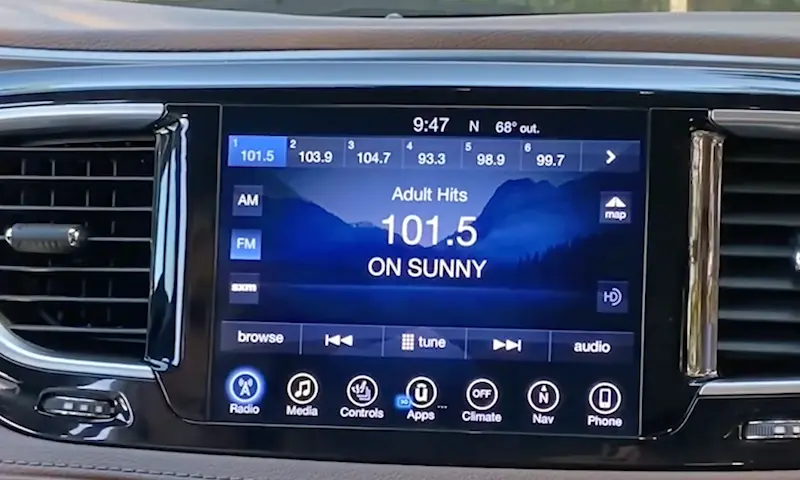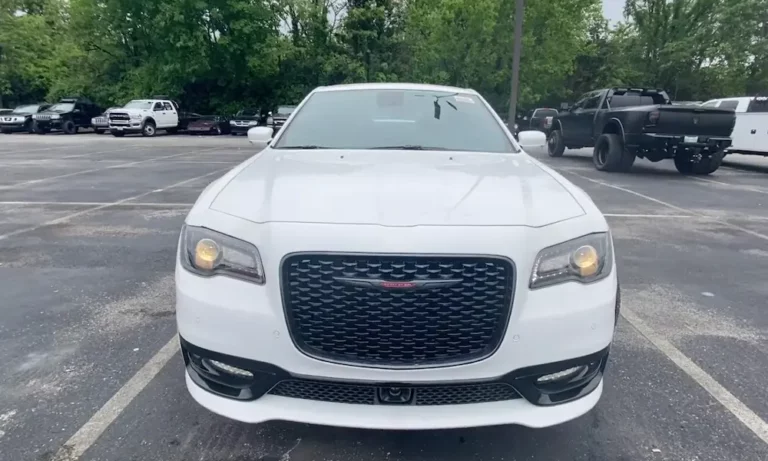
You turn the key in your Chrysler 300, the lights come on, the radio works, but… nothing happens when you try to start it. Frustrating, isn’t it? This specific problem—having electrical power but no start—points to several potential culprits that are actually quite common in the Chrysler 300 lineup.
I’ll walk you through the most likely reasons your Chrysler 300 has power but won’t start, along with step-by-step troubleshooting you can do before calling for professional help. Let’s get you back on the road without unnecessary repair bills.
What “Has Power But Won’t Start” Actually Means
When your Chrysler 300 has electrical power but won’t start, it means your vehicle’s electrical system is functioning (at least partially), but something is preventing the engine from turning over or igniting. You’ll notice:
- Dashboard lights illuminate
- Interior lights work
- Power windows operate
- Radio and other accessories function
This is actually good news because it rules out a completely dead battery or total electrical failure. Instead, the problem likely lies in one of several specific systems.
1. Security System Lockout: The Silent Culprit
One of the most common yet overlooked reasons a Chrysler 300 won’t start despite having power is an activated security system. The sophisticated security systems in these vehicles can prevent starting while allowing all electrical systems to function normally.
How to Identify Security System Issues
Look for a rapidly blinking red security light in your instrument cluster. If it’s flashing, your vehicle’s immobilizer system is active and deliberately preventing the engine from starting as an anti-theft measure.
Quick Security System Reset
Try these steps to reset your security system:
- Make sure you’re using the correct key or key fob
- Insert the key and turn to the “ON” position (not starting) for 10-15 minutes
- Turn back to “OFF,” then try starting again
- If unsuccessful, try locking and unlocking the driver’s door using the physical key 3-5 times
Many Chrysler 300 owners have reported success with these simple anti-theft reset procedures, avoiding expensive dealership visits.
2. Key Fob Battery Problems: A Simple Fix
You might be surprised how often a dead key fob battery causes starting issues in modern vehicles like the Chrysler 300. Even when the physical key part works, the transponder chip inside needs battery power to communicate with your car’s security system.
Testing Your Key Fob
- Try using your spare key fob if available
- Replace the key fob battery (typically a CR2032 coin battery)
- Hold the key fob directly against the start button when trying to start (some models have a backup reader position)
A new key fob battery costs about $5 and takes minutes to replace—a small investment that often solves the problem instantly.
3. TIPM Failure: The Notorious Chrysler Problem
The Totally Integrated Power Module (TIPM) is essentially your Chrysler 300’s electrical brain, controlling power distribution to virtually every system in your vehicle. It’s also notoriously problematic, especially in 2007-2014 models.
Signs of TIPM Issues
- Vehicle has power but won’t start
- Intermittent starting problems
- Random activation of wipers, horn, or lights
- No sound from the fuel pump when turning the key to “ON”
The TIPM houses the fuel pump relay internally, which is a common failure point. When this relay fails, your fuel pump won’t run even though the rest of your electrical system works fine.
TIPM Reset Procedure
Before replacing the expensive TIPM, try this reset:
- Disconnect the negative battery terminal
- Touch the disconnected cable to the positive terminal for 5-10 seconds (this discharges capacitors)
- Leave disconnected for 15-30 minutes
- Reconnect the battery and try starting
This hard reset procedure can sometimes temporarily resolve TIPM issues, but recurring problems typically indicate the need for module repair or replacement.
4. Ignition Switch Problems: A Common Failure Point
Chrysler 300 models, particularly from 2005-2010, frequently experience ignition switch actuator failures. This small plastic component inside the ignition switch assembly can break, preventing the switch from reaching the “START” position even when it can reach the “ON” position.
Diagnosing Ignition Switch Issues
Pay attention to how the key feels when you turn it:
- If your key turns to “ON” but feels like it hits a wall before reaching “START”
- If the key turns freely through all positions but nothing happens in “START”
- If you hear clicking but no cranking when in the “START” position
These are all telltale signs of ignition switch problems. This issue is so common that there are multiple video guides specifically for Chrysler 300 ignition switch replacement.
5. Starter System Components: When It Won’t Even Crank
If your Chrysler 300 has power but makes no sound at all when you turn the key to start, the problem might be in your starter circuit. This includes:
- Starter motor
- Starter relay
- Starter fuse
- Starter solenoid
Starter System Troubleshooting
- Locate the starter relay in the engine compartment Power Distribution Center (PDC)
- With a helper, listen near the starter motor when attempting to start
- If you hear a single click, the solenoid is likely receiving power but the starter motor isn’t engaging
- If you hear nothing, check the starter relay and fuse first
Many Chrysler 300 owners have fixed no-start conditions by simply replacing the starter relay, a relatively inexpensive part that frequently fails.
6. Fuel System Issues: It Cranks But Won’t Start
If your Chrysler 300 cranks (the engine turns over) but won’t start, and you’ve verified the security system isn’t the issue, fuel delivery problems are likely to blame.
Listening for the Fuel Pump
Perform this simple test:
- Have someone sit in the driver’s seat
- Put your ear near the rear seat (where the fuel pump is located)
- Have them turn the key to “ON” (not starting)
- You should hear a brief whirring/buzzing sound for 2-3 seconds
No sound likely indicates a fuel pump or fuel pump relay failure. This can be confirmed with pressure testing, but the absence of the pump sound is a strong indicator.
Fuel Pressure Bleed-Off
Some Chrysler 300 models suffer from fuel pressure that bleeds off after sitting. Try this workaround:
- Turn key to “ON” position
- Wait 2-3 seconds
- Turn back to “OFF”
- Repeat this cycle 3-4 times
- Then try to start
This cycle primes the fuel system and can overcome pressure bleed-off issues common in these vehicles.
7. Sensor Failures: The Computer Control Issues
Modern engines rely on numerous sensors to operate correctly. Two critical sensors that can prevent starting in your Chrysler 300 are:
- Crankshaft position sensor
- Camshaft position sensor
Sensor Problem Diagnosis
These sensors tell your engine’s computer where the pistons are in their cycle. Without this information, the computer won’t know when to fire the spark plugs or inject fuel.
- Check for check engine lights (these sensors often trigger codes)
- Use the key cycle method to read codes: turn ignition from OFF to RUN (not START) three times in rapid succession to display codes on the instrument panel
- Look for codes related to cam or crank sensors
Sensor failures often cause the engine to crank normally but never start. These sensors are relatively inexpensive and accessible for replacement.
Year-Specific Chrysler 300 Problems
Different model years of the Chrysler 300 have different common failure points:
First Generation (2005-2010)
- More prone to ignition switch actuator problems
- Earlier TIPM design issues
- More mechanical relay failures
Second Generation (2011-2023)
- More sophisticated TIPM issues
- More electronic control problems
- Greater likelihood of security system integration issues
The 2011-2014 models were specifically included in class-action lawsuits related to TIPM failures, making these vehicles particularly susceptible to power-but-won’t-start conditions.
Systematic Troubleshooting Process
Follow this step-by-step process to methodically identify why your Chrysler 300 has power but won’t start:
| Step | Check | Potential Fix |
|---|---|---|
| 1 | Security light blinking? | Perform security reset procedure |
| 2 | Key fob battery condition | Replace battery or use backup starting method |
| 3 | Listen for fuel pump | Check fuel pump relay and fuse |
| 4 | Ignition switch operation | Test all positions; may need replacement |
| 5 | Starter relay/fuse | Replace if faulty |
| 6 | TIPM operation | Perform reset procedure or seek professional diagnosis |
| 7 | Crank/cam sensors | Check for codes; replace if necessary |
This methodical approach addresses the most common causes in order of frequency and ease of diagnosis, potentially saving you hundreds in diagnostic fees.
Preventing Future No-Start Issues
Once you’ve resolved your current starting problem, take these steps to prevent future issues:
- Replace your key fob battery annually
- Keep battery terminals clean and connections tight
- Address check engine lights promptly
- Consider a TIPM repair or replacement if experiencing multiple electrical issues
- Check for recalls—many TIPM and ignition switch issues were subject to manufacturer recalls
Regular maintenance significantly reduces the chance of being stranded with a Chrysler 300 that has power but won’t start.
Diagnostic Equipment Worth Having
If you own a Chrysler 300, consider investing in:
- A basic OBD-II scanner ($30-50) to read engine codes
- A digital multimeter ($20-30) to test electrical components
- A fuel pressure tester kit ($30-40) if you experience recurring fuel system issues
These tools can pay for themselves with just one avoided tow or diagnostic fee and empower you to identify problems before they leave you stranded.
Remember, the good news is that when your Chrysler 300 has power but won’t start, you’ve already narrowed down the possible causes. By following this guide, you’ll likely identify the culprit and potentially fix it yourself without expensive diagnostic fees.