Ever noticed your Chrysler Pacifica’s engine shutting off at stoplights, only to restart when you release the brake? That’s the start-stop system doing its job to save fuel. But what happens when you see that dreaded “Stop/Start Unavailable” message on your dash? Let’s dive into how to reset and maintain this system so you can get back to saving fuel and reducing emissions.
What Is the Start-Stop System on a Chrysler Pacifica?
The start-stop technology in your Pacifica automatically shuts off the engine when you’re stopped (like at red lights) and restarts it when you take your foot off the brake. This clever feature can improve fuel economy and reduce emissions while keeping all your essential systems running.
Your Pacifica uses two separate batteries to make this happen:
- A main H6 AGM battery for general vehicle operations
- An auxiliary Aux14 AGM battery specifically for powering electronics when the engine is off
The system constantly monitors several conditions before activating:
- Battery charge levels
- Cabin temperature
- Brake pedal pressure
- Transmission status
Common Reasons Your Start-Stop System Isn’t Working
Auxiliary Battery Problems
The auxiliary battery is the number one culprit behind start-stop issues. This smaller battery can fail before the main one, especially in older vehicles.
Signs of auxiliary battery failure include:
- Sulfurous smell around the battery
- Voltage readings below 12.1V
- Visible corrosion on terminals
- “Stop/Start Unavailable” dashboard warning
A Reddit user shared their experience with this exact problem, noting that replacing the auxiliary battery fixed their issues after multiple dealer visits.
Main Battery Degradation
Even if your Pacifica starts fine, your main battery might not have enough power to support the start-stop function. Both batteries need to maintain:
- At least 12.4V when resting
- Between 13.7V and 14.5V when charging
If either battery falls below these thresholds, your start-stop system will disable itself as a protective measure.
Sensor Calibration Issues
Your Pacifica’s Power Control Module (PCM) and Intelligent Battery Sensor (IBS) constantly monitor battery health. If they get confused, you might see error messages even with healthy batteries.
Extreme Weather Conditions
The start-stop system automatically disables itself in very hot or cold weather to protect your vehicle’s components and ensure reliable starting. It will also deactivate on steep grades to maintain safety.
How to Reset the Start-Stop System in a Chrysler Pacifica
Method 1: The Simple Restart
For minor glitches, try this first:
- Pull over safely and turn off your vehicle
- Wait 30 seconds
- Restart your Pacifica
- Drive normally to allow the system to reactivate
This basic reset often clears temporary errors in the system’s logic.
Method 2: Battery Disconnect Reset
For more stubborn issues, try this proven reset method:
- Turn off your vehicle completely
- Disconnect the negative terminal on the main battery
- Wait 15-30 minutes (this allows the computer systems to fully reset)
- Reconnect the battery terminal
- Start your vehicle and drive for 3-5 complete cycles to allow recalibration
This process forces the Power Control Module to relearn battery conditions and often resolves persistent warnings.
Method 3: Auxiliary Battery Replacement
If your auxiliary battery is failing, here’s how to replace it:
- Disconnect the negative terminal of the main battery first (safety first!)
- Remove the air intake duct for better access
- Loosen the 10mm bolt holding the auxiliary battery strap
- Carefully disconnect and remove the old battery
- Install a new Aux14 AGM battery (important: only use AGM type)
- Secure with the hold-down strap and reconnect terminals
- Reconnect main battery negative terminal
After replacement, your system needs 3-5 drive cycles to fully calibrate. During this time, the start-stop function might work intermittently or not at all – this is normal.
Battery Maintenance for Reliable Start-Stop Operation
Choose the Right Battery Type
Both batteries in your Chrysler Pacifica must be AGM (Absorbent Glass Mat) type. Using standard lead-acid batteries will cause system failures and potential damage.
Key differences:
- AGM batteries can handle frequent start-stop cycles
- They provide more consistent power during brief engine-off periods
- They typically last longer under start-stop conditions
Regular Voltage Checks
Monthly voltage checks can help catch problems before they disable your system:
| Battery | Minimum Rest Voltage | Normal Charging Voltage |
|---|---|---|
| Main | 12.4V | 13.7-14.5V |
| Auxiliary | 12.1V | 13.7-14.5V |
Use a digital multimeter to test both batteries. Readings below these values indicate it’s time for maintenance or replacement.
Cold Weather Considerations
In winter, battery performance naturally declines. To maintain start-stop functionality:
- Park in garages when possible
- Consider battery thermal wraps for extreme cold
- Drive at least 20 minutes weekly to ensure full charging
- Use an AGM-specific battery maintainer for vehicles stored longer than two weeks
Software Updates and Technical Service Bulletins
Chrysler has released several software updates for the Pacifica’s start-stop system. The National Highway Traffic Safety Administration (NHTSA) campaign 10183672 specifically addressed start-stop complaints in 2017-2019 models.
Signs you might need the dealer software update:
- Persistent start-stop failures despite good batteries
- Erratic system behavior (working some days but not others)
- Multiple warning messages about the system
These updates typically require dealer equipment to install, but they’re often covered under warranty or existing service bulletins.
Permanently Disabling the Start-Stop System (If Preferred)
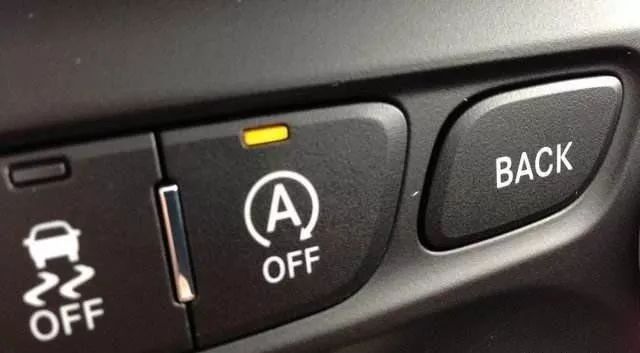
Some owners prefer to disable the start-stop feature entirely. While pressing the disable button works temporarily, it resets each time you restart the vehicle.
For a permanent solution, you have options:
- Aftermarket start-stop eliminators like the 4D Tech Auto Start-Stop Eliminator that plug into your vehicle’s wiring
- Professional programming at specialty shops (not dealers, who typically won’t disable safety features)
Keep in mind that disabling this feature will slightly increase fuel consumption and emissions.
Understanding the Calibration Process
After any battery replacement or system reset, your Pacifica needs time to relearn its battery conditions and driving patterns. During this period:
- The first few drive cycles may show inconsistent start-stop operation
- The system monitors battery voltage during starts and stops
- It records temperature effects on battery performance
- It adapts to your driving style
Expect full calibration to take 3-5 complete drive cycles (a cycle includes cold start, driving, and complete cooldown).
Real Owner Experiences and Solutions
Several Pacifica owners have documented their troubleshooting journeys. Common success stories include:
- A 2018 Pacifica owner who replaced both batteries but still had issues until performing a 30-minute battery disconnect reset
- An owner whose start-stop system returned to normal after the dealer performed the PCM update under the recall campaign
- Multiple cases where corroded auxiliary battery connections were the only issue
The takeaway: a methodical approach starting with simple resets, checking connections, testing voltages, and then moving to battery replacement typically resolves most issues.
Improving Long-Term Start-Stop System Reliability
Want to maximize the lifespan of your start-stop system? Here are pro tips:
- Use only high-quality AGM batteries when replacements are needed
- Apply anti-corrosion spray to battery terminals twice yearly
- Consider upgrading to an aftermarket stainless steel battery tray to prevent corrosion
- Have your charging system tested annually to ensure proper voltage regulation
- Drive at least 20 continuous minutes weekly to ensure full battery charging
By following these guidelines, you’ll extend the life of your batteries and enjoy more consistent operation of your Pacifica’s fuel-saving start-stop feature.
Your Chrysler Pacifica’s start-stop system isn’t just a convenience feature—it’s an important part of your vehicle’s fuel economy strategy. With proper maintenance and occasional resets when needed, you can keep this system running smoothly for the life of your vehicle.