Is your Atwood furnace blowing cold air? Or maybe it’s not turning on at all? You’re about to discover the most common Atwood RV furnace problems and exactly how to fix them. Whether you’re parked in freezing temperatures or preparing for your next trip, this guide will help you get your heat back faster.
Common Atwood RV Furnace Problems: What’s Really Going Wrong?
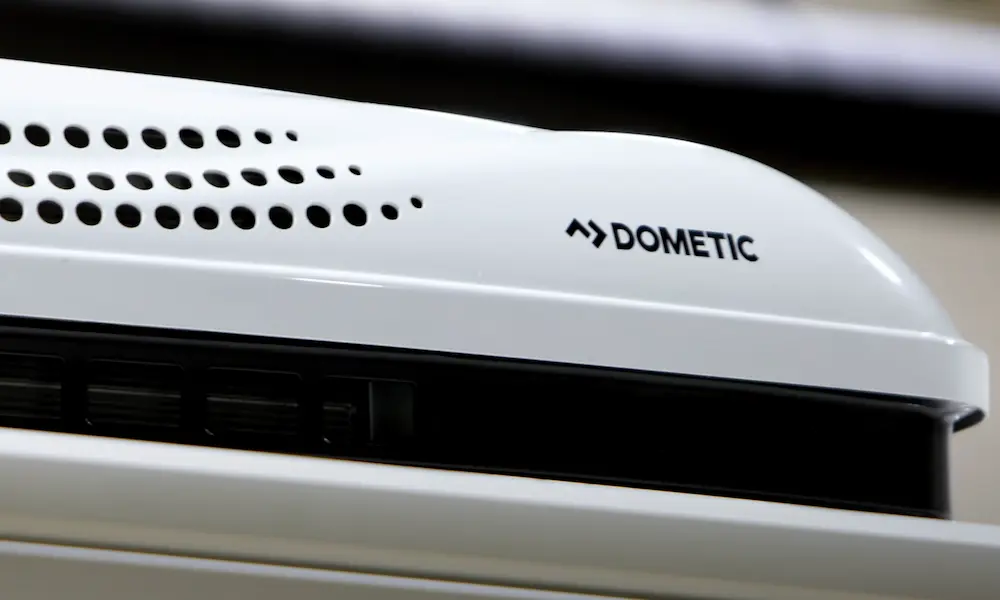
Atwood furnaces (now Dometic) are reliable heating systems, but like any RV component, they develop issues over time. Let’s break down what’s actually happening when your furnace acts up.
Furnace Won’t Turn On: Power Supply Issues
When your Atwood furnace shows zero signs of life, the problem almost always begins with the power supply. These units require a healthy 12-volt system to operate properly.
Check these components first:
- Battery voltage: Your furnace needs at least 10-12 volts to function correctly, with optimal performance at 12.6 volts or higher.
- Blown fuses: Locate the furnace fuse in your RV’s fuse panel—a blown fuse is a common and easy fix.
- Thermostat wiring: Look for loose, damaged, or corroded blue control wires that carry signals from your thermostat to the furnace.
Battery problems are especially common during winter camping or after storage periods. If your furnace runs for a short time and then quits, your battery might be providing just enough power to start but not enough to sustain operation.
Furnace Starts Then Quickly Shuts Off: Sail Switch Problems
Does your furnace blower run for about 30 seconds before shutting down? The culprit is likely your sail switch—a critical safety component that monitors proper airflow.
The sail switch works by detecting air movement from the blower motor. When the blower pushes enough air against the metal “sail,” electrical contacts close and signal the control board to continue the ignition process.
Common sail switch problems include:
- Dust and debris buildup preventing proper movement
- Pet hair clogging the switch mechanism
- Mechanical failures where the switch becomes stuck
A malfunctioning sail switch triggers a safety shutdown, preventing the furnace from moving to the ignition phase. Listen for your furnace—if the blower runs but you never hear the clicking sound of ignition, you’re likely facing a sail switch issue.
Clicking But No Ignition: Electrode and Gas Problems
If you hear the characteristic clicking sound but don’t feel heat, you’re dealing with an ignition system problem. The most common culprits are:
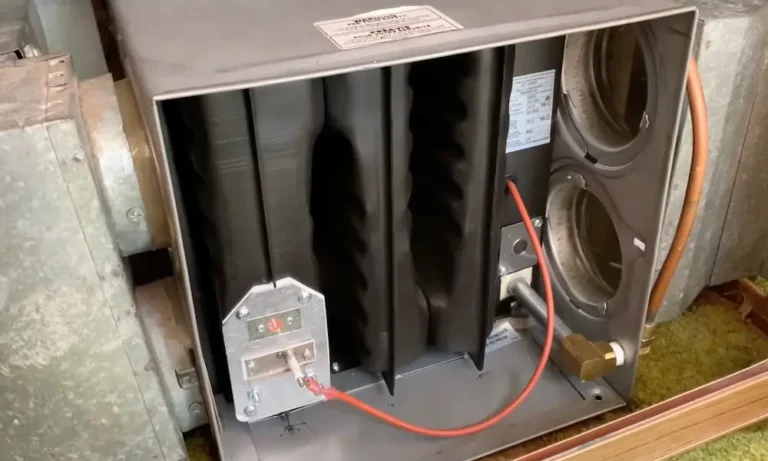
- Dirty or corroded electrode: The electrode assembly creates the spark that ignites propane and senses when a flame is present. Carbon buildup can prevent proper operation.
- Incorrect electrode gap: The gap between electrode tips should be exactly 1/8 inch—any variation can cause ignition failures.
- Insufficient propane pressure: Your furnace requires 11 inches of water column pressure for proper operation.
Ignition problems often manifest as multiple lighting attempts followed by complete shutdown. This happens because the control board enters a safety lockout after several failed ignition cycles.
Erratic Behavior or Error Codes: Control Board Issues
The electronic control board coordinates all furnace operations. When it malfunctions, you might experience:
- Random shutdowns
- Blinking LED error codes
- Furnace cycling on and off irregularly
Water damage is perhaps the most common cause of control board failures in Atwood furnaces. Some models have design vulnerabilities that allow water to collect around the control board during wet weather conditions.
How to Troubleshoot Your Atwood RV Furnace: Step-by-Step
Follow this systematic approach to diagnose your furnace problems:
1. Verify Power Supply
First, ensure your furnace has adequate power:
- Check battery voltage with a multimeter (should read 12+ volts)
- Inspect furnace fuse in the RV’s fuse panel
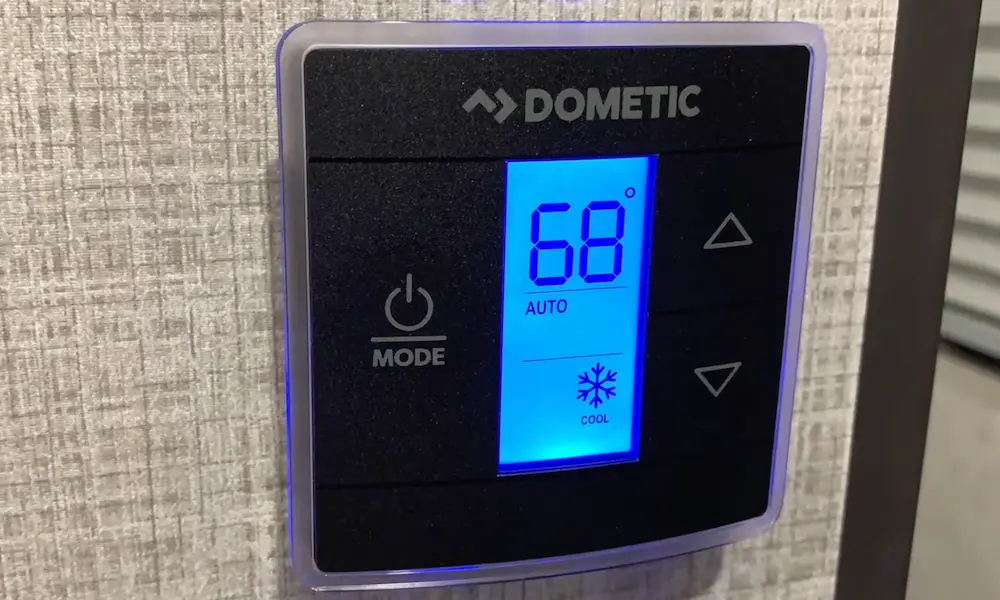
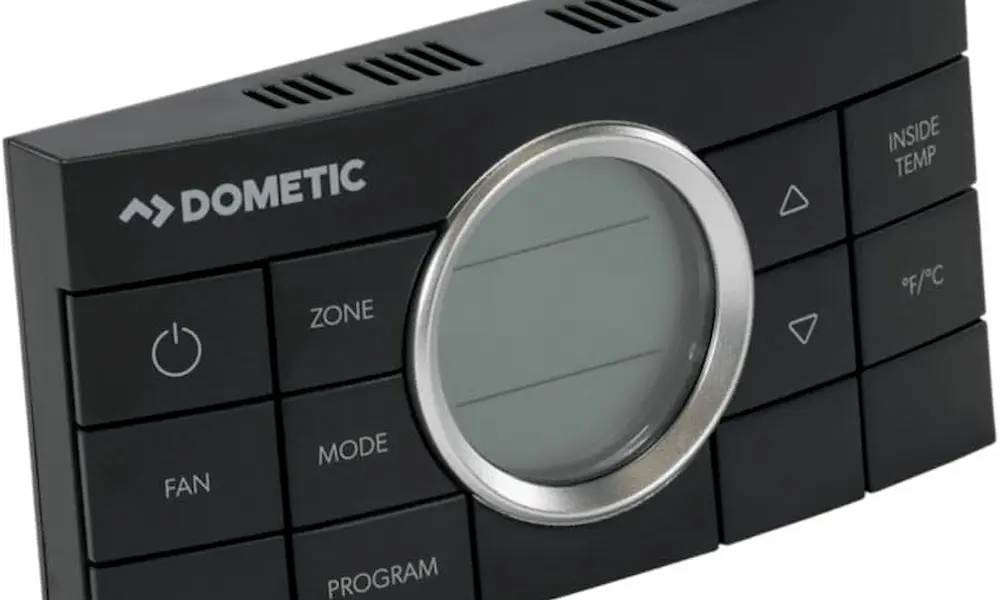
- Verify the thermostat is set correctly and calling for heat
- Test thermostat functionality by jumping the red and white wires (if comfortable doing so)
If your furnace still shows no signs of life after these checks, you might have a wiring issue between the thermostat and furnace.
2. Check the Blower Motor
When you turn on your furnace, the blower motor should start immediately:
- Listen for the blower motor running
- Feel for air movement from the vents
- If the blower doesn’t run at all, check for obstructions or electrical connections
- If it runs briefly then stops, suspect a sail switch or airflow problem
3. Observe the Ignition Sequence
If the blower is working, pay attention to the ignition process:
- Listen for clicking sounds (electrode trying to spark)
- Wait about 30 seconds after the blower starts—this is when ignition should occur
- Check outside to see if propane is flowing (sometimes you can smell it at the exhaust)
- If you hear multiple clicks with no ignition, suspect an electrode or gas problem
4. Examine Error Codes and LED Patterns
Modern Atwood furnaces use LED flash codes to indicate problems:
- 1 flash: Airflow problems (sail switch issues)
- 2 flashes: Flame sensor problems (electrode issues)
- 3 flashes: Lockout condition after failed ignition attempts
- Solid LED: Internal control board fault
These diagnostic signals are crucial for pinpointing the exact issue.
Fixing Common Atwood RV Furnace Problems
Now let’s address the solutions for each problem category:
Solving Power Supply Issues
For battery-related problems:
- Charge your RV batteries fully
- Consider a battery replacement if they’re older than 3-5 years
- Use shore power when available to reduce battery drain
- Clean battery terminals to ensure good connections
For electrical issues:
- Replace blown fuses with the correct amperage
- Inspect and repair damaged thermostat wiring
- Check for loose connections at the thermostat and furnace
Clearing Sail Switch Problems
To address sail switch issues:
- Locate the sail switch (typically near the blower housing)
- Clean any dust or debris that might obstruct movement
- Using a multimeter, check for continuity across the switch contacts
- Ensure the mechanical arm moves freely
- Replace the switch if it’s faulty (costs between $20-60 depending on model)
For a temporary solution when camping, some RVers carefully clean the sail switch area with compressed air. For a permanent fix, replacement is often necessary.
Resolving Ignition Problems
For electrode and ignition issues:
- Access the electrode assembly (may require partial furnace removal)
- Clean the electrode tips with fine sandpaper to remove carbon buildup
- Adjust the gap between electrode tips to exactly 1/8 inch
- Ensure proper electrode positioning relative to the burner
- Check propane pressure and supply
For gas supply problems:
- Verify propane tanks aren’t empty or turned off
- Ensure the propane regulator is functioning correctly
- Check for kinked or damaged gas lines
- Consider a pressure test if you suspect regulator issues
Addressing Control Board Failures
Control board problems typically require:
- Checking for water damage or corrosion
- Testing voltage outputs with a multimeter
- Replacing the board if faulty (costs between $100-200)
- Ensuring proper installation with correct wire connections
- Taking preventive measures against future water intrusion
| Component | Average Cost | DIY Difficulty | Common Symptoms |
|---|---|---|---|
| Sail Switch | $20-60 | Moderate | Blower runs 30 seconds, then shuts down |
| Electrode | $25-75 | Moderate | Clicking but no ignition |
| Control Board | $100-200 | High | Erratic behavior, error codes |
| Blower Motor | $150-250 | High | No air movement from vents |
Preventive Maintenance to Avoid Atwood Furnace Problems
Regular maintenance significantly reduces furnace issues. Follow this schedule:
Monthly Maintenance Tasks
- Clean return air vents and remove obstructions
- Check exterior vents for insect nests or debris
- Test furnace operation briefly to ensure functionality
- Inspect visible wiring for damage
Seasonal Maintenance
Before each camping season:
- Clean the sail switch area thoroughly
- Inspect and clean the electrode assembly
- Check all propane connections for leaks using soapy water
- Test battery voltage under load
- Verify the thermostat operation
Annual Professional Service
Consider professional service annually for:
- Comprehensive system testing
- Control board examination
- Combustion chamber cleaning
- Propane pressure verification
- Complete safety inspection
Professional furnace inspections cost $75-125 but can prevent more expensive emergency repairs.
Safety Concerns: When to Stop DIY Troubleshooting
While many Atwood furnace problems can be resolved by RV owners, some require professional attention:
Stop and Call a Technician If:
- You smell gas inside your RV
- The furnace makes unusual banging or rumbling noises
- You notice visible damage to the heat exchanger
- The furnace shows signs of overheating
- You’re uncomfortable working with propane systems
Carbon monoxide poisoning is a serious risk with malfunctioning furnaces. Always have a working CO detector in your RV, and never operate a suspect furnace while sleeping or unattended.
The Cost Factor: Repair vs. Replacement
When faced with major furnace problems, consider the economics:
- Simple repairs (fuses, cleaning) typically cost under $20
- Moderate repairs (sail switch, electrode) range from $50-150 including parts and labor
- Complex repairs (control board, blower motor) can cost $200-400
- Complete furnace replacement costs $800-1,200 installed
For units over 10 years old with major issues, replacement often makes more economic sense than extensive repairs. New furnaces are more efficient and reliable, potentially saving propane costs over time.
Adapting Your Atwood Furnace for Better Performance
Besides repairs, consider these modifications to improve furnace performance:
Airflow Enhancements
- Install vent deflectors to better distribute heat
- Add a small fan to circulate warm air throughout your RV
- Ensure furniture doesn’t block return air vents
Energy Efficiency Improvements
- Insulate your RV properly to retain heat
- Use thermal curtains to separate spaces
- Consider a furnace thermostat upgrade for better temperature control
Battery Management Solutions
- Add a battery monitor to track voltage levels
- Install solar panels to maintain battery charge
- Consider a battery upgrade if frequent furnace use is planned
These adaptations help maximize your furnace’s effectiveness while minimizing energy consumption.
Understanding Your Atwood Furnace: How It Actually Works
Knowing how your furnace operates helps with troubleshooting. Here’s a simplified operational sequence:
- Thermostat calls for heat
- Control board activates the blower motor
- Sail switch detects proper airflow
- If airflow is adequate, the control board initiates ignition
- Electrode creates sparks to ignite propane
- Flame sensor (often part of the electrode) confirms ignition
- Main burner continues operating until desired temperature is reached
- Blower continues briefly after shutdown to cool the chamber
This cycle repeats whenever the temperature drops below your thermostat setting. Understanding this sequence helps you pinpoint exactly where the problem occurs.
By following the troubleshooting steps in this guide, you’ll be able to diagnose and fix most Atwood RV furnace problems, keeping your adventures comfortable regardless of the weather outside.