Is your Hyundai Tucson blowing warm air instead of the refreshing cold you need? Your AC system likely needs a refrigerant recharge. You can tackle this yourself with the right tools and save a trip to the mechanic. This guide walks you through the entire process of recharging your Tucson’s AC system correctly and safely.
What Is AC Refrigerant and Why Does It Need Recharging?
Your Hyundai Tucson’s air conditioning system relies on refrigerant to absorb heat from inside your car and release it outside. Over time, small amounts of refrigerant naturally escape from the system (about 10-15% annually), reducing your AC’s cooling efficiency.
When your Tucson’s AC starts blowing warmer air or takes longer to cool down, it’s often a sign that refrigerant levels are low. A proper recharge can restore your AC’s cooling power without expensive mechanic visits.
Identifying Your Hyundai Tucson’s Refrigerant Type and Capacity
Before buying any supplies, you need to know exactly what refrigerant your Tucson requires:
| Hyundai Tucson Model Years | Refrigerant Type | Capacity | Compressor Oil |
|---|---|---|---|
| 2004-2010 (JM) | R-134a | 510 ± 25g (1.12 lb) | PAG 46 (125-200ml) |
| 2015-present (TL) | R-134a | 510 ± 25g (1.12 lb) | PAG 46 (120ml) |
You can confirm these details by checking the sticker located under your hood or in your owner’s manual. Using the wrong refrigerant can damage your system and void your warranty.
Essential Tools and Materials for AC Recharge
To properly recharge your Hyundai Tucson’s AC system, you’ll need:
- R-134a AC recharge kit with pressure gauge
- Safety glasses and gloves
- Clean rag for wiping connections
- Thermometer (optional but helpful)
The recharge kit typically costs $40-60 at auto parts stores and includes the refrigerant can, pressure gauge, and connection hose in one package.
How to Determine if Your AC System Needs a Recharge
Before adding refrigerant, confirm that your system actually needs it:
- Start your Tucson and set the AC to maximum cooling (lowest temperature setting, highest fan speed)
- After running for 5 minutes, check the air temperature from the center vents
- Properly functioning AC should blow air between 35-45°F (1.7-7.2°C)
- Check for visible leaks around AC components
- If temperature is above 50°F (10°C) with no visible leaks, a recharge might help
If you notice oil stains or hear hissing, you might have a significant leak that requires professional diagnosis from a certified technician.
Step-by-Step Hyundai Tucson AC Recharge Procedure
1. Prepare Your Vehicle
Start with proper preparation:
- Park your Tucson on level ground
- Make sure the engine is cool if you’re just starting
- Start the engine and turn AC to maximum (coldest setting, highest fan)
- Open the hood and secure it properly
- Let the engine and AC run for 5-10 minutes to reach normal operating temperature
2. Locate the Low-Pressure Port
Finding the correct connection point is crucial:
- The low-pressure port is located on the larger diameter aluminum line that connects to the AC compressor
- On most Tucson models, it’s on the passenger side of the engine bay
- The port has a plastic dust cap marked with an “L” or “LOW”
- The high-pressure side will be marked with “H” or “HIGH” – never connect to this port!
The low-pressure port is specifically designed to fit only R-134a quick-connect couplings as a safety feature, preventing incorrect connections.
3. Connect the Recharge Kit Safely
Now you’re ready to connect:
- Remove the plastic cap from the low-pressure port
- Wipe the port clean with a rag
- Put on safety glasses and gloves
- Attach the quick-connect fitting from your recharge kit to the low-pressure port
- The connector should click or latch when properly secured
- Check the pressure gauge for the current reading
4. Interpret the Pressure Gauge Readings
Your recharge kit’s gauge has colored zones that tell you the system’s current state:
- Too low (white/yellow zone): System is undercharged, needs refrigerant
- Normal (green/blue zone): System has correct pressure, no recharge needed
- Too high (red zone): System is overcharged, stop immediately
Remember that proper pressure readings depend on ambient temperature. The warmer the day, the higher the normal pressure reading will be.
5. Add Refrigerant Properly
If your system needs refrigerant, follow these steps:
- Keep the refrigerant can upright (not upside down)
- Shake the can every few seconds during charging
- Press the trigger to release refrigerant in short 5-10 second bursts
- Stop and check the pressure gauge after each burst
- Continue adding refrigerant until the pressure reaches the middle of the green zone
- Never exceed the recommended amount (510 ± 25g/1.12 lb for the Tucson)
Overcharging is just as harmful as undercharging. Stop adding refrigerant once you reach the proper pressure reading for your current ambient temperature.
6. Complete the Recharge Process
To finish up safely:
- Release the quick-connect fitting from the low-pressure port (follow kit instructions)
- Replace the plastic dust cap on the service port
- Check center vent temperature with a thermometer (should be below 50°F/10°C)
- Turn off the AC and engine
- Close the hood securely
Common Hyundai Tucson AC Problems Beyond Low Refrigerant
If your AC still doesn’t cool properly after recharging, other issues might be at play:
- Failing compressor: You’ll notice grinding noises or the AC cycling on/off rapidly
- Clogged expansion valve: Results in inconsistent cooling or freezing components
- Faulty blower motor: Air won’t flow properly through vents
- Electrical issues: AC won’t turn on or responds inconsistently to controls
These problems require proper diagnostic equipment and should be addressed by a qualified technician.
AC System Maintenance Tips for Hyundai Tucson Owners
Extend the life of your AC system with these practices:
- Run your AC at least once a week for 10 minutes (even in winter)
- Use the defrost setting occasionally to prevent mold growth
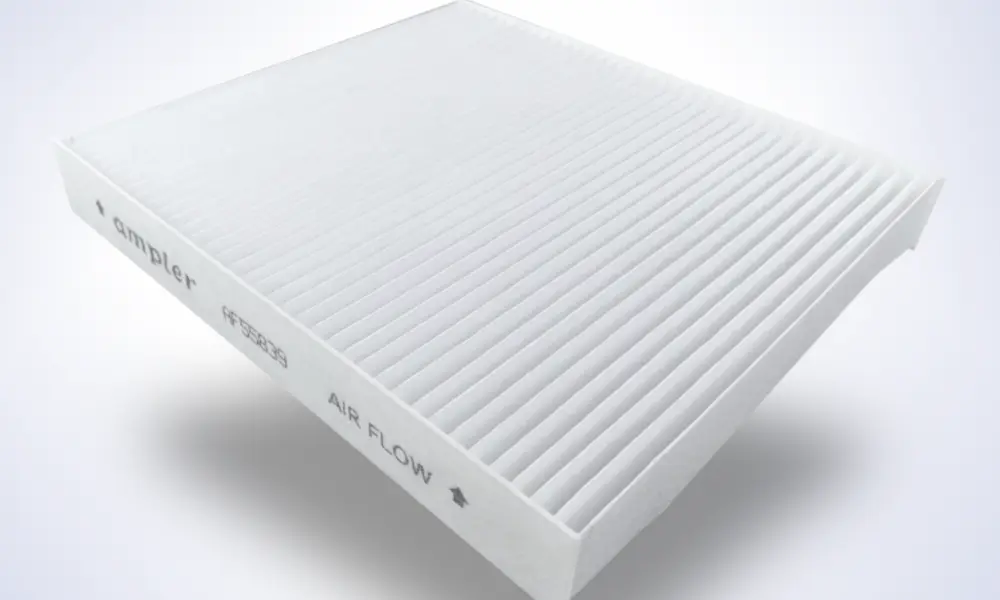
- Replace your cabin air filter every 15,000-25,000 miles
- Clean the condenser fins (front of radiator) annually
- Check for debris blocking airflow through the condenser
Regular use and maintenance prevent seals from drying out and extend system life.
Signs Your Tucson Needs Professional AC Service
While DIY recharges are effective for minor refrigerant loss, seek professional help if you notice:
- Refrigerant levels dropping quickly after recharge
- Oil stains under your car
- Strange noises from the AC compressor
- Extremely weak airflow from vents
- Cycling between cold and warm air
These symptoms suggest a leak or component failure that requires specialized equipment to diagnose and repair properly.
Environmental Considerations When Handling Refrigerant
R-134a refrigerant has significant environmental impacts if released:
- It’s a potent greenhouse gas with 1,430 times the global warming potential of CO2
- Intentionally venting refrigerant is illegal under EPA regulations
- If you suspect a major leak, have a professional recover the remaining refrigerant
- Only buy refrigerant kits with proper couplings that prevent leakage
Proper handling protects both your car and the environment.
Understanding AC System Pressure Readings
Your recharge kit’s pressure gauge readings can help diagnose AC issues:
- Very low pressure (near zero): Major leak or completely empty system
- Slightly low pressure: Minor leak or normal depletion over time
- Normal pressure but warm air: Possible internal blockage or compressor issue
- High pressure: System overcharged or potential blockage
Remember that pressure readings are relative to ambient temperature – higher temperatures produce higher normal readings.
By following this guide, you can successfully recharge your Hyundai Tucson’s AC system and enjoy cool, comfortable drives again. With proper maintenance and occasional recharges when needed, your AC system can provide reliable cooling for many years.