Shopping for a used Buick Enclave? With 17 model years to choose from, picking the wrong one could cost you thousands in repairs. This guide cuts through the noise and tells you exactly which years to buy — and which ones to skip entirely.
Why the Buick Enclave Still Deserves Your Attention
The Buick Enclave has been around since 2008, and it’s earned a loyal following for good reason. It seats up to eight people, rides like a cloud, and comes loaded with features you’d expect from vehicles costing far more. But not every model year tells the same story.
Some years are goldmines. Others are money pits.
Here’s what 17 years of production data actually tells us.
A Quick Look at the Three Generations
Before diving into specific years, it helps to understand how the Enclave evolved. Each generation brought real improvements — and a few headaches.
| Generation | Years | Platform | Engine | Big Change |
|---|---|---|---|---|
| First Gen | 2008–2017 | GM Lambda | 3.6L V6 / 6-speed auto | Ride comfort and cabin quiet |
| Second Gen | 2018–2024 | GM C1XX | 3.6L V6 / 9-speed auto | 400 lbs lighter, more luxury |
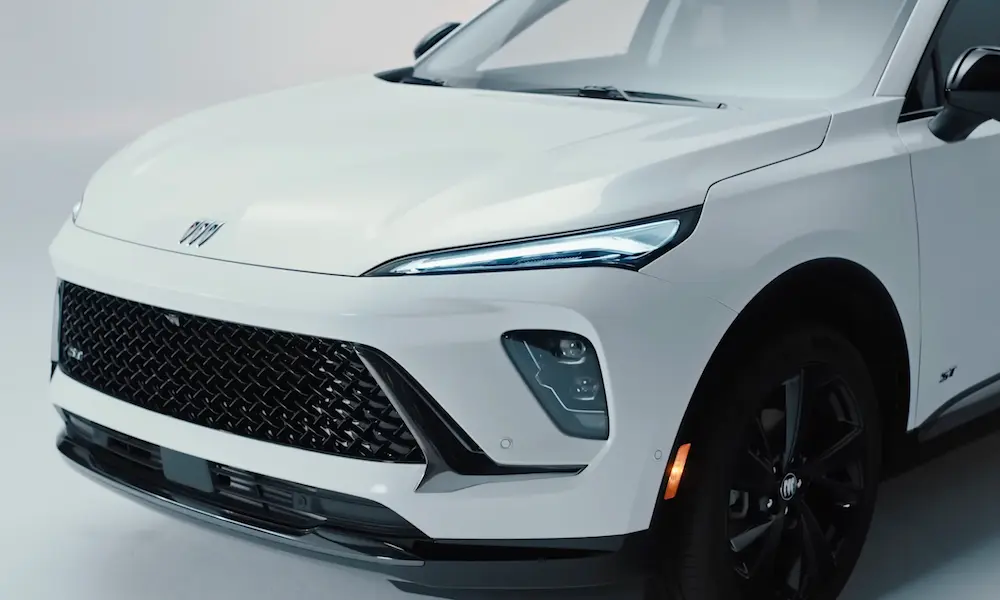
| Third Gen | 2025–Present | GM VSS-S | 2.5L Turbo I4 / 8-speed auto | 30-inch screen, Super Cruise |
The jump from first to second generation wasn’t just cosmetic. Buick dropped roughly 400 pounds of curb weight while boosting structural rigidity and fuel efficiency. That’s a meaningful upgrade for a family hauler.
The Years You Should Avoid
Let’s get the bad news out of the way first.
2008–2011: The Transmission Disaster Era
These four years carry the heaviest baggage in Enclave history. Two separate mechanical failures hit buyers hard during this period.
The wave plate problem was brutal. The six-speed automatic transmission used a small metal disc called the three-five-reverse wave plate. It would crack, shatter, and send metal fragments through the entire transmission. You’d lose third gear, fifth gear, and reverse — often all at once. Repair bills regularly topped $3,500.
Timing chain stretching made things worse. The 3.6-liter V6 in these years developed significant timing chain elongation as early as 40,000 miles. When the chain stretches, engine timing drifts. You get misfires, power loss, and eventually engine failure if you ignore it long enough.
The 2008 model alone logged over 1,000 NHTSA complaints. That number speaks for itself.
2014: The Surprise Regression
You’d expect a 2014 model to have ironed out early bugs. It hadn’t. This year saw engine stalling and excessive oil consumption resurface, along with electrical system malfunctions. Component quality took a step backward, particularly for sensors and engine seals. Skip it.
| Model Year | Primary Problem | Approximate NHTSA Complaints |
|---|---|---|
| 2008 | Wave plate / timing chain | Over 1,000 |
| 2009 | Timing chain / AC failure | Significant |
| 2010 | Power steering failure / timing chain | Over 260 |
| 2011 | Steering noise / transmission | Notable |
| 2014 | Engine stalling / oil consumption | Notable |
The Best Year for Buick Enclave: Three Strong Picks
Now for the good news. Once Buick worked out the kinks, the Enclave became genuinely excellent. Here are the three standout picks depending on your budget and priorities.
Best Budget Pick: 2017
The 2017 Enclave is the sweet spot for value hunters. It’s the final year of the first generation, which means Buick spent nearly a decade refining every flaw in the Lambda platform.
The timing chain and wave plate issues are historically absent from this model year. NHTSA complaints dropped to approximately 51 — compare that to 1,000-plus for the 2008 model. That’s not a coincidence. That’s what a decade of fixes looks like.
You get a well-equipped cabin, a mature infotainment system, and a proven V6 engine at a used-car price. For families watching their budget, the 2017 is the move.
Best Reliability Pick: 2021 ⭐
If the best year for Buick Enclave had to be one single model, the 2021 earns that title convincingly.
J.D. Power gave it a reliability score of 84 out of 100 — the highest in the upper midsize SUV segment that year. It also earned a “Great” rating for resale value, scoring 83 out of 100. That tells you the market trusts these vehicles to hold up long-term.
The 2021 runs the refined 9-speed automatic paired with a 310-horsepower V6. Owners consistently describe gear transitions as seamless. The cabin insulation remains class-leading. And the Edmunds review highlights just how accessible the third row is compared to rivals — a genuinely usable seat for adults, not just a cramped emergency spot.
This is the mechanical peak of the V6 era. If you buy a 2021, you’re getting the best version of everything Buick spent 13 years perfecting.
Best Modern Pick: 2022–2024
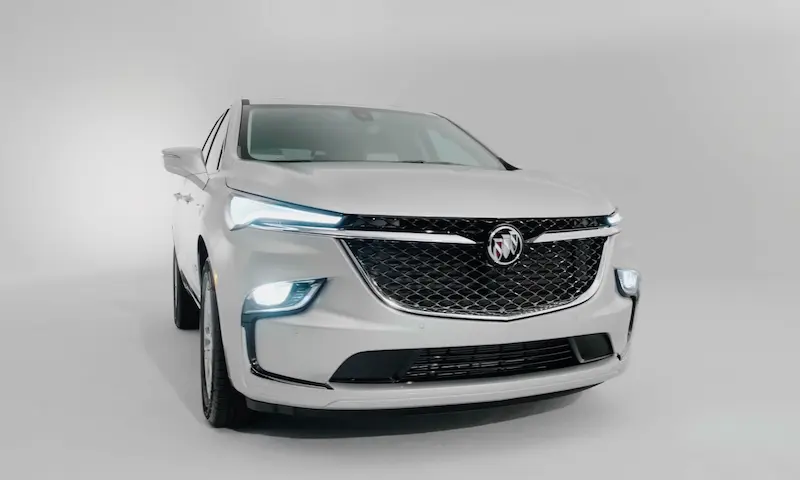
The mid-cycle refresh in 2022 brought meaningful updates that moved the Enclave into a more contemporary space:
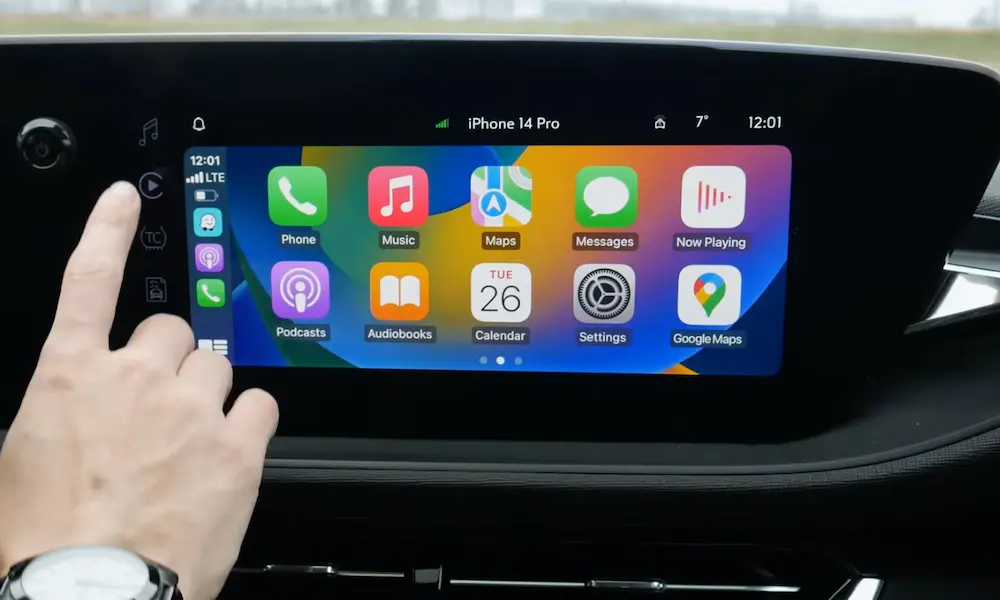
- Wireless Apple CarPlay and Android Auto became standard
- Slimmer, more aggressive exterior lighting freshened the look
- Buick Driver Confidence package became standard on all trims, including base Essence models
- Push-button gear selector replaced the traditional shift lever, freeing up console space for wireless charging
J.D. Power scores for 2022–2024 stayed consistently in the low 80s, with the 2024 earning a “Great” reliability rating of 83 out of 100. These are safe buys with modern features and a proven powertrain.
One note: the push-button gear selector divided opinion. Some owners love the extra storage space. Others find the buttons less intuitive during tight parking. It’s worth test-driving before you commit.
How Safety Evolved Across the Generations
The Enclave has consistently earned a 5-star overall NHTSA safety rating throughout its history. But the type of safety on offer changed dramatically.
| Feature | Pre-2013 | 2013–2017 | 2018–2021 | 2022–2024 | 2025+ |
|---|---|---|---|---|---|
| StabiliTrak | Standard | Standard | Standard | Standard | Standard |
| Front-Center Airbag | No | Standard | Standard | Standard | Standard |
| Forward Collision Alert | No | Optional | Optional | Standard | Standard |
| Automatic Emergency Braking | No | No | Optional | Standard | Standard |
| Super Cruise | No | No | No | No | Optional |
Early models relied entirely on structural protection. By 2022, active safety features like automatic braking and blind-spot monitoring became standard across the entire lineup — not just premium trims.
The 2025 third-generation model took things further. The IIHS awarded it the Top Safety Pick+ designation — the institute’s highest honor — largely by finally addressing the headlight performance issues that held earlier models back.
The Avenir Trim: Worth the Premium?
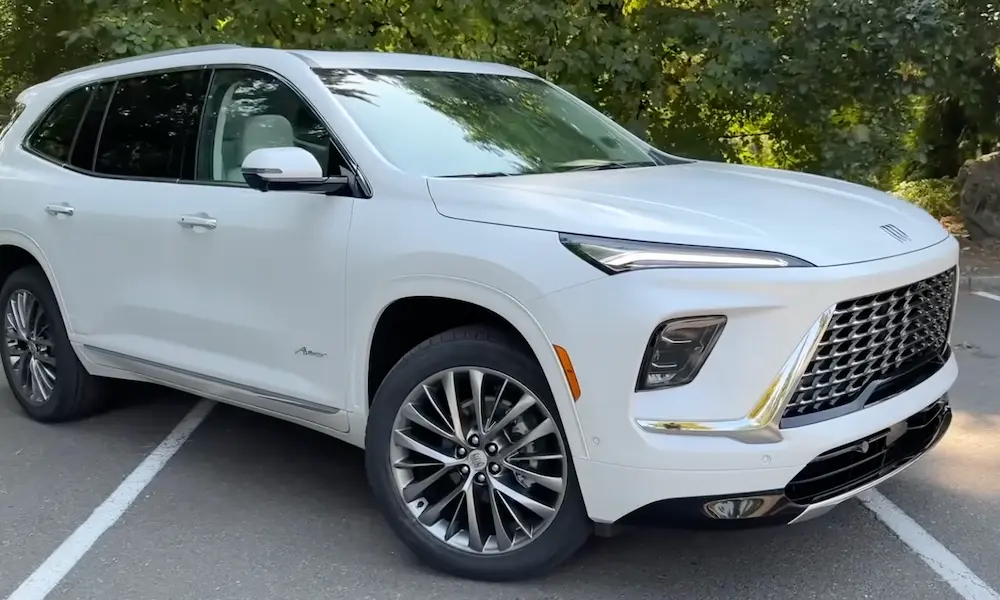
Buick launched the Avenir sub-brand in 2018 to compete directly with European luxury crossovers. For used buyers considering one, here’s what you actually get beyond standard trims:
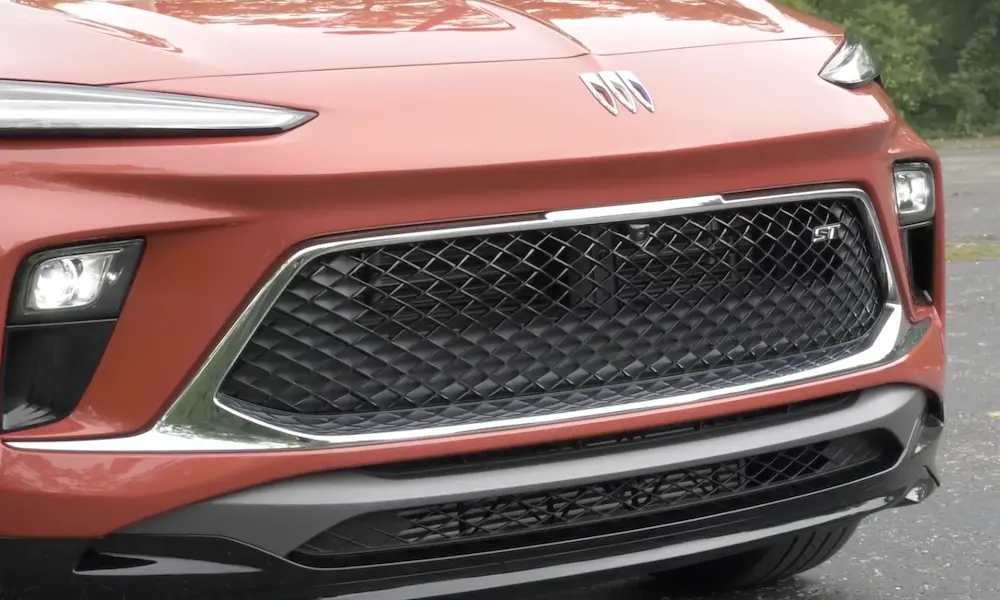
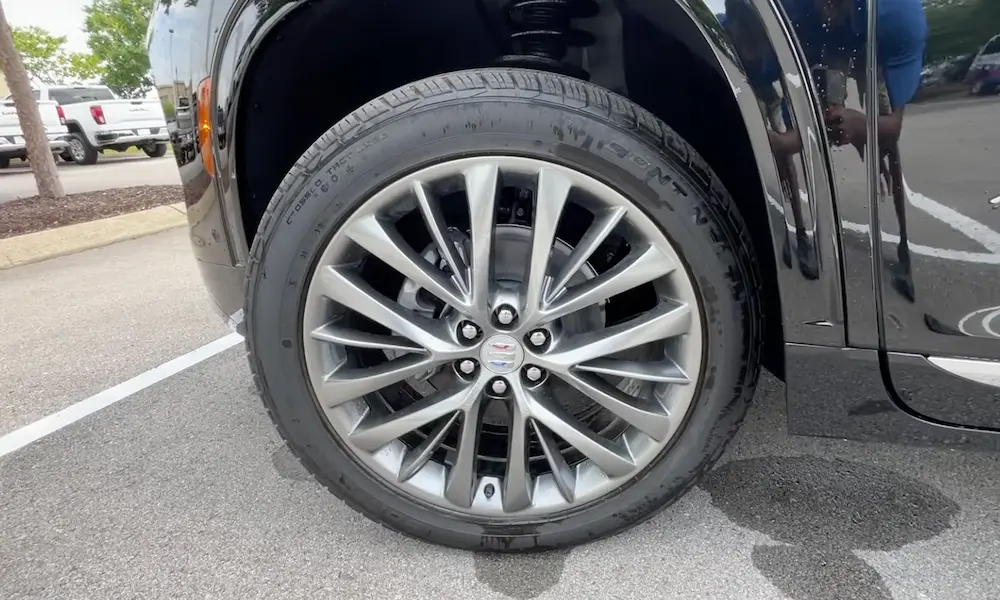
- Exclusive mesh grille and 20-inch Pearl Nickel wheels
- Diamond-quilted leather throughout the cabin
- Continuously variable chassis damping — the suspension adjusts firmness in milliseconds to smooth out road imperfections
- Massaging front seats, power-folding third row, and a dual-pane panoramic moonroof
The 2022 Avenir update improved seat foam density for better long-distance support and added more quilted leather surfaces. If you’re shopping used Enclaves and find a 2021 or later Avenir at a reasonable price, that’s the ultimate combination of peak reliability and luxury.
V6 vs. Turbocharged Four-Cylinder: Which Engine Wins?
The 2025 Enclave ditched the beloved V6 for a 2.5-liter turbocharged four-cylinder. Here’s how the numbers stack up:
| Spec | First Gen | Second Gen | Third Gen (2025) |
|---|---|---|---|
| Engine | 3.6L V6 | 3.6L V6 | 2.5L Turbo I4 |
| Horsepower | 288 hp | 310 hp | 328 hp |
| Torque | 270 lb-ft | 266 lb-ft | 326 lb-ft |
| Transmission | 6-speed auto | 9-speed auto | 8-speed auto |
| Max Towing | 4,500–5,000 lbs | 5,000 lbs | 5,000 lbs |
| Highway MPG | ~24 mpg | ~26 mpg | ~27 mpg |
On paper, the new turbo four wins. More power, more torque, better fuel economy. But early reviews note the engine gets noticeably louder under hard acceleration compared to the smooth, refined hum of the old V6. For a vehicle built around cabin serenity, that’s a real trade-off worth knowing about.
How to Keep Your Enclave Running Long-Term
Buying a good model year gets you halfway there. Proper maintenance handles the rest.
Transmission fluid matters more than you think. Industry experts recommend changing transmission fluid every 30,000–50,000 miles, even if your manual suggests longer intervals. For second-gen 9-speed units, a proper Dexron-spec fluid flush often resolves the shudder complaints some owners reported.
Don’t stretch your oil changes. The V6 timing chain relies on clean, pressurized oil. Contaminated or low oil is the primary cause of chain elongation. Use full synthetic, change it every 5,000 miles, and the engine will thank you.
Watch the battery on newer models. The 2020-and-later Enclaves run heavy electrical loads for infotainment and start-stop systems. Parasitic battery drain is a real issue if the vehicle sits unused for extended periods. A battery tender during storage prevents most of these headaches.
The Clear Verdict on the Best Year for Buick Enclave
Here’s the short version of everything above:
Avoid: 2008, 2009, 2010, 2011, and 2014. The mechanical issues in these years are well-documented and expensive to fix.
Buy on a budget: 2017. It’s the fully matured first-gen with almost none of the early bugs and a much lower price tag.
Buy for best reliability: 2021. Peak J.D. Power scores, proven powertrain, modern safety features, and strong resale value. This is the best year for Buick Enclave if dependability is your priority.
Buy for modern features: 2022–2024. Standard active safety across all trims, wireless connectivity, and a refined aesthetic make these excellent choices for buyers who want a contemporary feel without stepping into the unproven third generation.
The Enclave rewards buyers who do their homework. Pick the right year, maintain it properly, and you’ve got one of the most comfortable family haulers on the road.