Thinking about buying a Volvo but worried about how well it’ll maintain its value over time? You’re asking the right question. Volvos have a reputation for safety and quality, but their resale value story isn’t quite as straightforward as their safety ratings.
How Volvo Depreciation Compares to Other Luxury Brands
Volvo vehicles typically lose 40-60% of their value within the first five years of ownership, placing them in the middle range among luxury brands. Unlike some of their German competitors, Volvos show a mixed depreciation pattern that varies significantly by model.
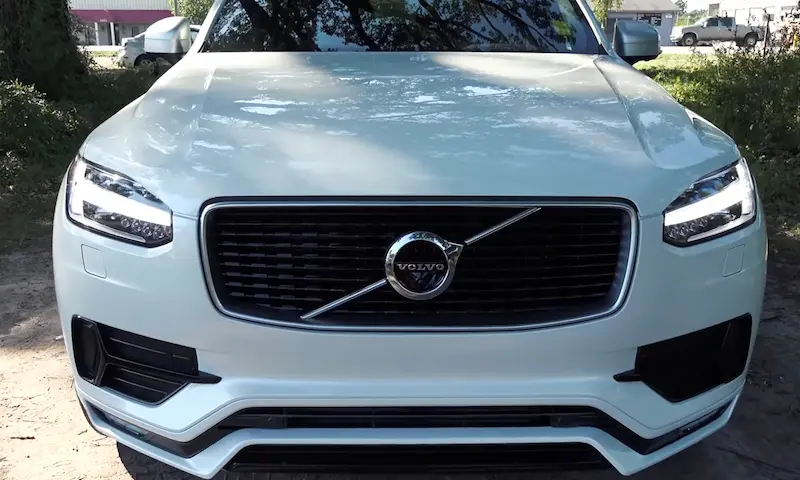
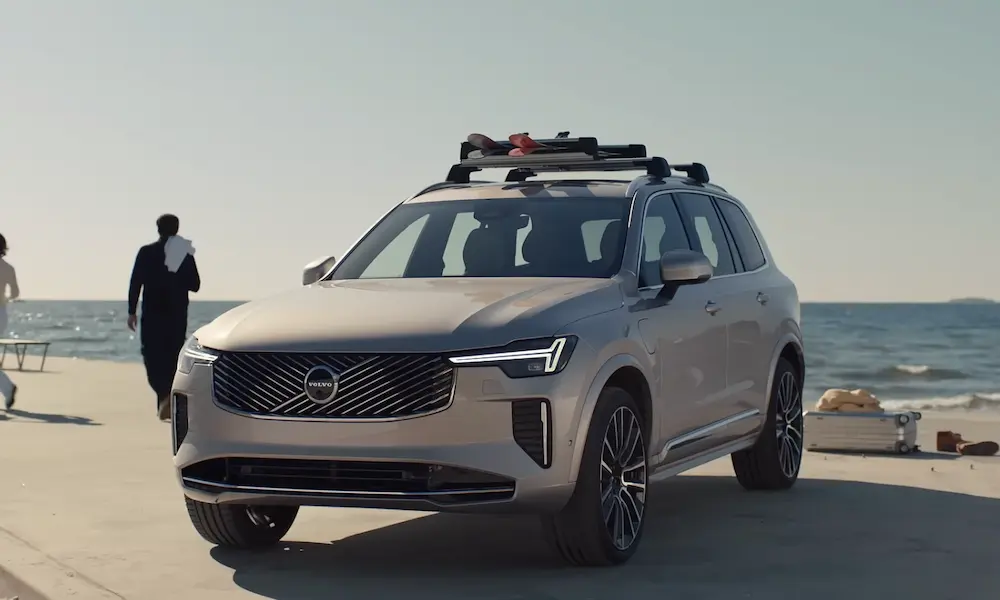
The XC90, Volvo’s flagship SUV, demonstrates impressive value retention, holding about 55% of its value after three years. This outperforms rivals like the Audi Q7 (46.8%) and BMW X5 (43.5%). The data from CAP HPI confirms that the XC90 D5 maintains nearly 48.7% of its value after three years—beating equivalent models from Audi, BMW, and Mercedes.
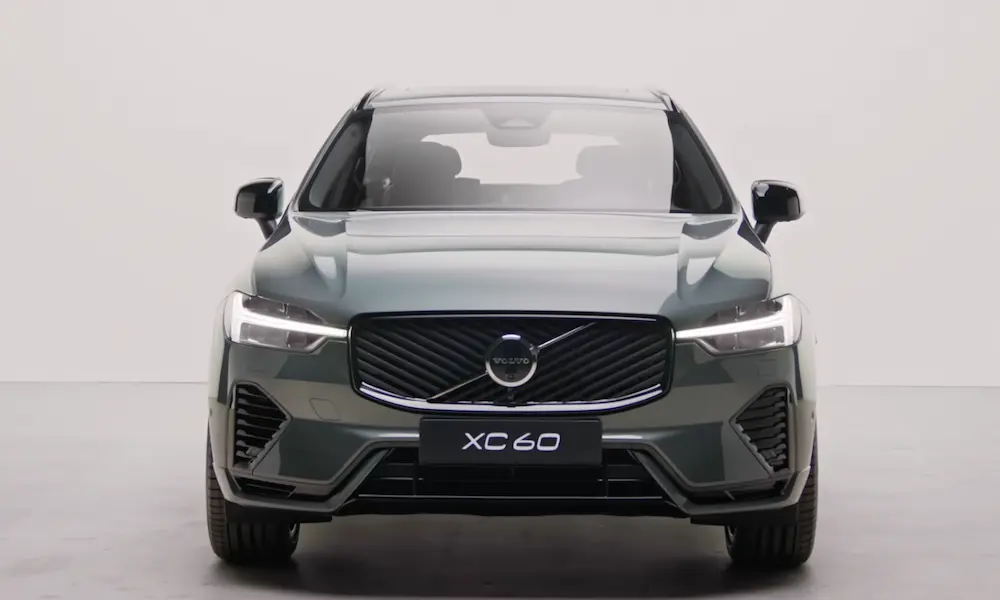
However, not all Volvos perform equally well. The XC60 loses approximately 51% of its value within five years, underperforming against direct competitors like the BMW X3. Meanwhile, the compact XC40 depreciates about 46% over the same period.
Which Volvo Models Hold Their Value Best?
If resale value is a priority, some Volvo models clearly outshine others:
| Model | 3-Year Value Retention | 5-Year Value Retention |
|---|---|---|
| XC90 | 55% | 48.7% |
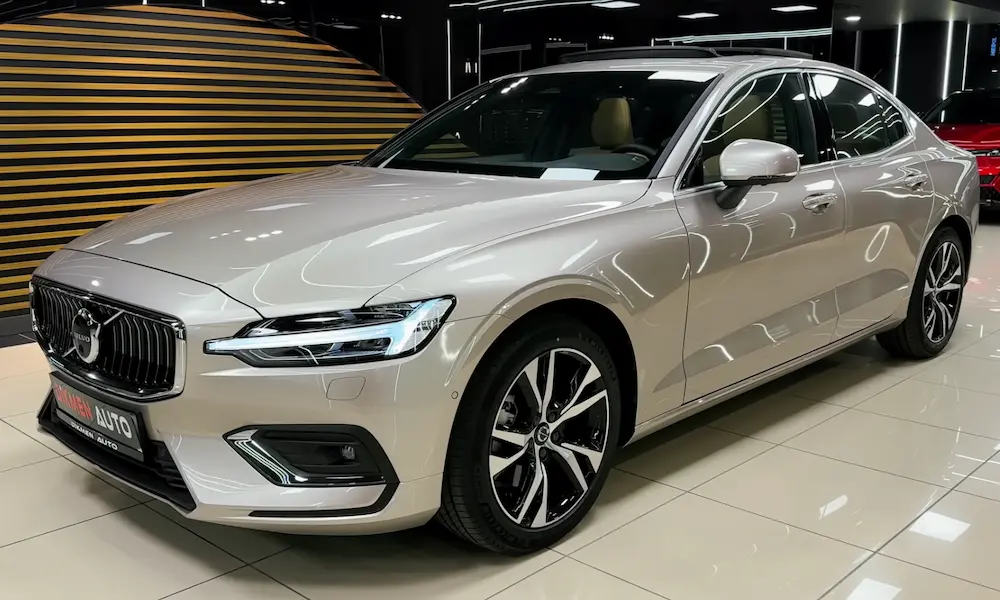
| S90 | 52% | 45% |
| S60 | 50% | 42% |
| XC60 | 47% | 49% |
| XC40 | 45% | 54% |
Volvo’s 90 Series vehicles (XC90, S90, V90) generally demonstrate the strongest residual values in the lineup. According to industry analysis, these models have achieved their highest-ever residual values in recent years.
The SUV models typically outperform sedans in the resale market, reflecting broader consumer preferences shifting toward crossovers and SUVs.
Factors That Affect Volvo Resale Values
Trim Levels and Features Matter
Higher trim levels with more premium features tend to hold their value better. The Inscription and R-Design trims, with their upgraded interiors and technology packages, generally command better resale prices than base models.
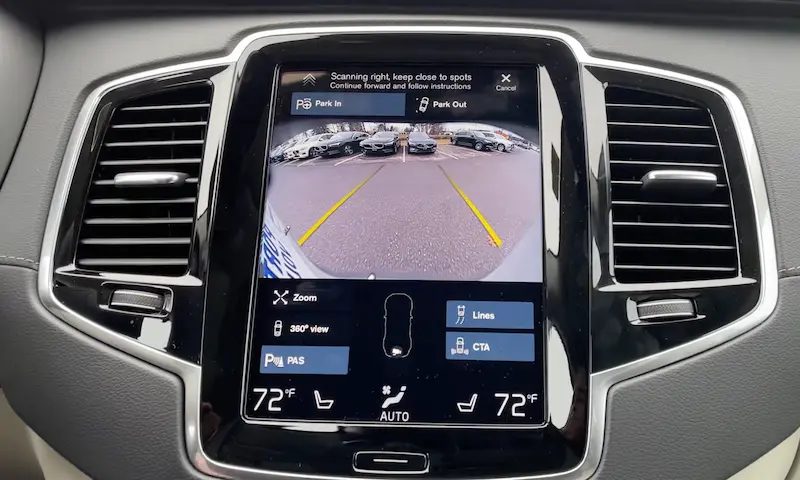
Vehicles equipped with sought-after features like the Bowers & Wilkins premium sound system, Pilot Assist driver assistance, and all-wheel drive maintain stronger residual values. The premium paid for these features at purchase is often partially recovered at resale.
Color and Configuration Impact
Exterior color significantly affects a Volvo’s resale value. Conservative colors like black, white, and silver typically attract more buyers in the secondary market. More distinctive colors like Bursting Blue or Fusion Red may appeal to enthusiasts but limit the broader buyer pool.
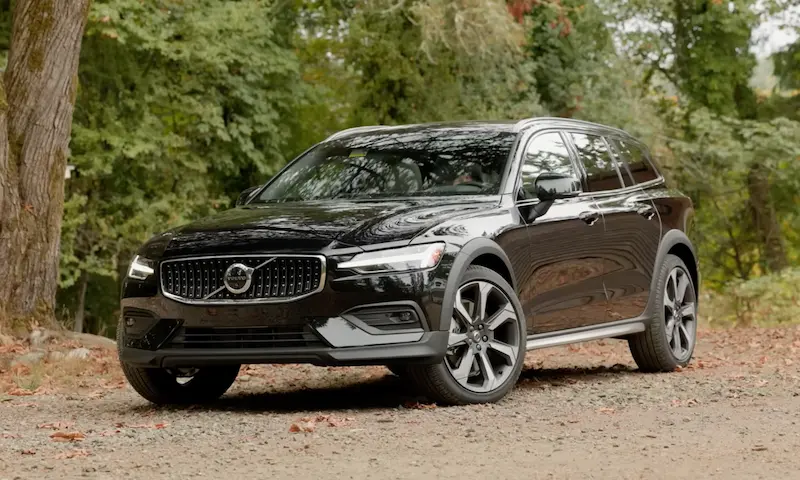
Body style also matters—SUVs generally hold value better than sedans or wagons in the current market, though Volvo wagons have a dedicated following that helps support their values.
Maintenance History Influences Buyer Confidence
Volvos with complete service records from authorized service centers can command 10-15% higher resale prices than those with spotty maintenance histories. Regular maintenance not only keeps the vehicle in good condition but also provides documentation that reassures potential buyers.
Vehicles with lower mileage (under 12,000 miles annually) naturally command higher prices. Higher mileage examples can still retain good value if they’ve been meticulously maintained and have comprehensive service records.
How Volvo Compares to German Luxury Brands
When comparing Volvo to its German luxury competitors, the Swedish brand shows both strengths and weaknesses:
Volvo vs. BMW
According to comparative analysis, Volvo outperforms BMW in 10 out of 13 model comparisons for depreciation rates. The XC90’s 48.7% three-year value retention edge over the BMW X5’s 43.5% exemplifies this advantage.
However, BMW’s stronger brand cachet in performance-oriented segments allows models like the 3 Series to maintain competitive residual values despite higher maintenance costs.
Volvo vs. Mercedes-Benz
Mercedes-Benz edges out Volvo in most depreciation comparisons, with superior performance in 7 out of 8 matchups. The Mercedes GLE retains about 42.1% of its value after three years, which is less than the XC90’s 48.7%, but Mercedes’ overall brand prestige and broader model diversity strengthen its overall residual value portfolio.
Volvo’s position as what some consider a “lower-rung luxury” brand can limit its pricing power compared to the traditional German luxury marques, particularly for older models.
The Electric Transition and Future Values
Volvo’s commitment to go fully electric by 2030 introduces uncertainty for resale values. Current hybrid models like the XC90 Recharge benefit from tax incentives and growing eco-conscious demand, supporting stronger residual values in the short term.
However, the planned phase-out of internal combustion engines could accelerate depreciation for non-electrified Volvos as the transition progresses. This presents both a challenge and opportunity for current buyers:
- Hybrid models may hold value better in the near term due to their transitional technology
- Fully electric models like the upcoming EX30/EX90 face unknowns regarding battery longevity and technology obsolescence
- Traditional gasoline models might see steeper depreciation as the market shifts toward electrification
Certified Pre-Owned: The Smart Way to Buy a Volvo
For those concerned about depreciation, Volvo’s Certified Pre-Owned program offers an attractive alternative to buying new. CPO Volvos typically:
- Are 2-5 years old with moderate mileage
- Have passed rigorous inspection processes
- Include extended warranty coverage
- Cost 25-40% less than new models
This approach allows you to avoid the steepest depreciation period while still getting many of the benefits of a newer vehicle, including updated safety features and modern technology.
Strategies to Maximize Your Volvo’s Resale Value
If you’re buying a new Volvo and concerned about future value, consider these strategies:
- Choose popular models with strong historical resale value (XC90, XC60)
- Select mainstream colors (black, white, silver)
- Opt for mid to high-level trims with popular options
- Maintain a complete service history at authorized dealers
- Consider leasing if you plan to switch vehicles every 3-4 years
- Keep mileage reasonable (under 12,000 miles annually if possible)
- Address minor issues promptly before they become major problems
The Bottom Line on Volvo Resale Value
Volvos generally don’t hold their value as well as top performers like Lexus or Porsche, but select models like the XC90 and S90 demonstrate competitive residual values that challenge German rivals. For buyers prioritizing safety, comfort, and Scandinavian design, the depreciation profile shouldn’t be a deal-breaker.
The resale picture for Volvo is improving as the brand strengthens its luxury positioning and expands its electrified lineup. Strategic model selection and proper maintenance can mitigate much of the depreciation risk, making Volvos a reasonable value proposition for informed buyers.
Rather than focusing solely on depreciation, consider the total cost of ownership, including Volvo’s typically lower maintenance costs compared to some German competitors and strong safety ratings that may translate to insurance savings.
Ultimately, if you love the Volvo driving experience and value proposition, the depreciation hit may be worth it for the years of safe, comfortable driving you’ll enjoy.