Is your Ford vehicle’s oil change getting messy? You’re dealing with that infamous yellow plastic drain plug that seems to cause more problems than it solves. Whether you’re trying to save on dealership costs with DIY maintenance or just want to understand what’s happening under your vehicle, this guide will walk you through everything about Ford’s controversial plastic drain plug.
What Is the Ford Plastic Drain Plug?
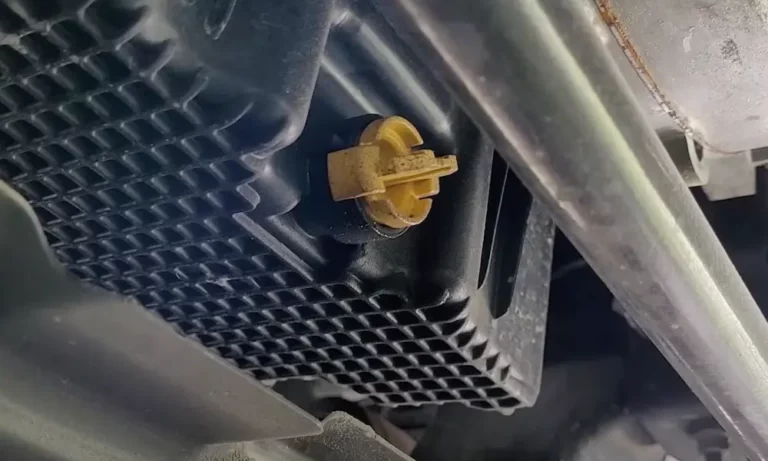
The Ford plastic drain plug is a yellow, one-time-use component that replaced traditional metal drain bolts in many Ford vehicles, including F-150 trucks, Mustangs, and Broncos. Unlike metal plugs that thread directly into the oil pan, this plastic version uses locking tabs that engage with channels in the composite oil pan, requiring a quarter-turn twist for installation.
The OEM part (commonly part numbers FT4Z-6730-A or KX6Z-6730-B) features:
- High-density nylon construction with glass fiber reinforcement
- Integrated silicone O-ring for sealing
- Single-use design (not meant to be reinstalled)
- Large 18mm drainage opening
Ford introduced this design to reduce weight and prevent thread wear in their lightweight composite oil pans — but as many owners discover, this solution created its own unique set of problems.
Which Ford Vehicles Have Plastic Drain Plugs?
If you own any of these Ford vehicles, chances are you’ve got a plastic drain plug:
- F-150: 2015 and newer models (especially with EcoBoost engines)
- Mustang: 2018 and newer (particularly the 5.0L Coyote V8)
- Bronco: 2021 and newer
- Edge: 2015 and newer
- Explorer: 2020 and newer
- Expedition: 2018 and newer
These plastic plugs are primarily found in vehicles with composite oil pans, which are 40% lighter than their aluminum predecessors. The weight savings is noticeable, but it comes with significant tradeoffs in durability and ease of maintenance.
Why Ford’s Plastic Drain Plug Causes Problems
1. The Oil Geyser Effect
That large 18mm opening creates impressive but unwelcome oil flow. When you remove the plug, oil rushes out with much greater force than with traditional drain plugs.
“The first time I changed my 2019 F-150’s oil, I was completely unprepared for how fast and uncontrolled the oil would flow,” says one owner on BobIsTheOilGuy. “It sprayed past my drain pan and all over my driveway.”
The drain hole’s size allows flow rates over three times higher than traditional metal plugs, overwhelming standard drain pans and often creating a cleanup nightmare.
2. One-and-Done Design
Unlike traditional metal plugs that can be reused for years, Ford’s plastic plug must be replaced every oil change. This is because:
- The locking tabs often break or degrade during removal
- The integrated O-ring can’t be replaced separately
- Heat cycling from hot engine oil weakens the plastic structure
While each plug costs $7-12, this adds up over the vehicle’s lifetime to hundreds of dollars in additional maintenance expenses.
3. Failure-Prone Construction
The plastic material simply doesn’t hold up to engine heat cycles like metal does. Studies found that 23% of F-150 owners reported plug-related leaks before their first scheduled oil change, with failure rates climbing to 41% by 30,000 miles.
Primary failure modes include:
- Tab fractures during removal
- O-ring hardening and deterioration after 6-8 months
- Thermal deformation, especially in turbocharged applications where oil temperatures exceed 250°F
How to Properly Install a Ford Plastic Drain Plug
If you’re sticking with the OEM plastic plug, proper installation is crucial to prevent leaks and premature failures:
- Make sure the drain hole and plug are completely clean
- Apply a tiny amount of clean motor oil to the O-ring
- Insert the plug with the tabs aligned to the channels
- Turn clockwise approximately 1/4 turn until resistance is felt
- Torque to 20-27 Nm (15-20 ft-lb) depending on your specific model
Warning: Over-tightening will cause the plug’s tabs to shear off, which is actually a safety feature to prevent oil pan damage. However, this means you’ll need yet another new plug.
Better Alternatives to Ford’s Plastic Drain Plug
Tired of dealing with Ford’s disposable plastic plugs? Several aftermarket solutions offer permanent fixes:
1. Fumoto Drain Valves
The Fumoto F-106N valve is a popular brass option that allows for mess-free oil changes via its integrated valve system.
Installation Steps:
- Remove the plastic plug and composite pan insert
- Apply thread sealant to the valve’s M12-1.75 threads
- Torque to 18 ft-lb
These valves typically last 100,000+ miles with proper maintenance, making them significantly more cost-effective over time.
No products found.
2. Femco Metal Conversion Kit
The Femco 6420001 kit replaces the plastic plug with a brass-core composite unit featuring:
- Reusable stainless steel O-rings
- Integrated drain tube threads for controlled oil extraction
- Reinforced locking tabs rated for 500+ installation cycles
Users report a 98% reduction in oil spillage compared to the OEM plastic plug, which means much cleaner oil changes.
3. Ronin Factory Billet Aluminum Plug
For those wanting a premium solution, the Ronin Factory billet plug offers:
- CNC-machined aluminum construction
- Magnetic tip to capture metal particles
- Dual-seal system with high-temperature Viton O-rings
- Tool-free drain valve for clean oil sampling
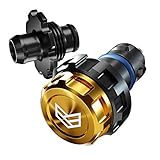
- PLEASE CHECK – Please check to make sure your Ford vehicle has the Yellow Plastic Drain Plug as shown in the image. If your vehicle does not have the yellow plastic plug, this product will not fit.
- NEW – Patented Design makes changing your new Ford car or trucks engine oil even easier. Replace the OEM plastic Yellow Drain Plug with our Billet Aluminum Easy Ford F150 Oil Drain Plug. Accessories for 2015+ Ford F-150 XLT, F-150 Lariat, F 150 Raptor, F 150 King Ranch, F 150 Platinum, 2014+ Ranger & Ranger Raptor as well as some Ford Edge, Ford Fusion, Ford Mustang, Ford Explorer and Ford Bronco V6 Models
- EASY – No Installation Tools are Required & No Permanent modifications required. Installs in a matter of seconds. Please make sure to check that your vehicle has the OEM plastic drain plug before ordering as some models do not use this new style of drain plug.
- CLEAN – With the built in valve, you can safely and slowly drain the oil in a controlled manner. No more big messes of oil on the ground or running down your truck frame.
- PROTECTION – Magnetic end of the plug will trap and hold onto any metal particals in the oil, keeping them away from bearings, which can prolong engine life, especially for new vehicles.

Testing on the Bronco6G forum showed zero leaks over 15,000-mile stress tests, making this one of the most reliable solutions available.
Tools for Stuck or Damaged Plastic Drain Plugs
If your plastic plug is damaged or stuck, don’t panic. Specialized tools can help:
The Performance Tool W54298 ($14) is designed specifically for these problematic plugs:
- Features heat-treated steel engagement prongs
- Compatible with 3/8″ drive for torque-limiting ratchets
- Includes adapters for other vehicle applications
Professional mechanics report a 90% success rate in extracting damaged OEM plugs without pan damage when using this specialty tool.
Engineering Behind the Failures
Understanding why these plugs fail helps explain their reputation:
Temperature Cycling Effects
The nylon material in Ford’s plug has a high thermal expansion coefficient (80×10⁻⁶/°C). With typical oil temperature swings of 180°C, the plug expands approximately 1.44mm during operation—enough to disengage locking tabs in pans with marginal tolerances.
This explains why leaks are especially common in cold climates where temperature differentials exceed 200°C between cold starts and operating temperature.
Material Limitations
While nylon is lightweight and cost-effective, it simply can’t match the durability of traditional metal plugs when exposed to:
- Hot engine oil (up to 300°F in turbocharged applications)
- Chemical exposure (oil additives and contaminants)
- Mechanical stress during installation and removal
This is why even properly installed plugs often fail long before the recommended oil change interval.
Oil Change Best Practices with Plastic Drain Plugs
If you’re stuck with the OEM plastic plug, these tips can help minimize mess and frustration:
Controlling the Flow
- Slow Release Method: Instead of removing the plug completely at once, slowly turn it counterclockwise while maintaining slight pressure. This allows oil to begin draining gradually through the gaps before full removal.
- Use an Oversized Drain Pan: Standard 7-quart drain pans may not be sufficient. Consider a 16-quart or larger pan positioned directly beneath the plug.
- Create a Funnel: Shape aluminum foil into a makeshift funnel extending from the drain hole to your pan to guide the oil flow.
- Choose Your Conditions: Avoid windy days for outdoor oil changes, as crosswinds can cause oil to spray unpredictably.
Preventing Leaks
- Always use a new OEM plug (never reuse)
- Clean the sealing surfaces thoroughly
- Apply a small amount of fresh oil to the O-ring
- Avoid over-torquing (stick to Ford’s 15-20 ft-lb specification)
- Check for leaks after your first short drive
Cost Comparison: OEM vs. Aftermarket Solutions
Let’s break down the long-term costs of different drain plug options for a Ford F-150 kept for 10 years with regular 5,000-mile oil changes:
| Solution | Initial Cost | Cost Per Oil Change | 10-Year Total (20 changes) |
|---|---|---|---|
| OEM Plastic Plug | $0 (included) | $10 (new plug) | $200 |
| Fumoto Valve | $25 | $0 | $25 |
| Femco Kit | $35 | $0 | $35 |
| Ronin Factory | $89 | $0 | $89 |
As the table shows, even the premium solutions become more economical than continuing with Ford’s disposable plastic plugs after just a few oil changes.
Environmental Impact of Plastic vs. Metal Drain Plugs
The disposable nature of Ford’s plastic plugs raises environmental concerns. Each plug generates more waste than reusable metal alternatives:
- A typical Ford owner discards 2-4 plastic plugs annually
- These non-recyclable nylon plugs generate 300% more waste than reusable metal alternatives over a vehicle’s lifespan
- Metal alternatives (brass, aluminum) are fully recyclable at end of life
For environmentally conscious owners, permanent metal solutions align better with sustainability goals while also offering better performance.
Making the Right Choice for Your Ford
Deciding which solution works best depends on your priorities:
For DIY oil changers: The Fumoto valve offers the best balance of cost-effectiveness and convenience, virtually eliminating mess during oil changes.
For off-road enthusiasts: The Ronin Factory billet plug provides military-grade durability with its protected design, ideal for those concerned about ground clearance and durability.
For those on a budget: The Femco kit delivers most benefits of premium solutions at a more accessible price point while still eliminating the recurring cost of OEM plastic plugs.
For dealership service: If you’re not performing your own maintenance, ask your service advisor about upgrading to one of these permanent solutions during your next service visit.
No matter which option you choose, replacing Ford’s problematic plastic plug with a more durable solution will save you money, reduce frustration, and eliminate one of the most common maintenance headaches facing modern Ford owners.