Ever wondered if your Ford Edge needs premium fuel or if regular gas will do just fine? You’ve probably stood at the pump, nozzle in hand, questioning whether that extra money for premium is worth it or just throwing cash away. Let’s cut through the confusion and get you the straight facts on exactly what your Ford Edge needs to run its best.
The Right Fuel for Your Ford Edge: The Quick Answer
Ford Edge models are designed to run on regular unleaded gasoline with an octane rating of 87. This applies to both the standard 2.0L EcoBoost engine and the more powerful 2.7L EcoBoost V6. While premium fuel (91-93 octane) isn’t required, it can provide slight performance benefits, especially for the ST trim.
Here’s what Ford officially recommends:
- Minimum required: 87 octane (regular unleaded)
- Optional for optimal performance: 91-93 octane (premium unleaded)
Ford Edge Engine Options and Their Fuel Requirements
The Ford Edge comes with two main engine options in recent models, each with specific fuel considerations:
2.0L Twin-Scroll EcoBoost 4-Cylinder
This engine powers most Edge models, including the SE, SEL, ST-Line, and Titanium trims.
- Horsepower: 250 HP
- Torque: 280 lb-ft
- Recommended fuel: 87 octane (regular)
- Transmission: 8-speed automatic
- Drive options: Front-wheel or all-wheel drive
The 2.0L engine delivers solid performance with regular fuel. According to the Ford Owner’s Manual, 87 octane is completely sufficient for daily driving.
2.7L Twin-Turbo EcoBoost V6
This powerhouse is exclusive to the performance-oriented Edge ST trim.
- Horsepower: 335 HP
- Torque: 380 lb-ft
- Recommended fuel: 87 octane (minimum), 91+ octane (optimal)
- Transmission: 8-speed automatic
- Drive: Standard all-wheel drive
Ford designed the ST’s engine to run safely on regular gas, but it reaches its full performance potential with premium fuel. As noted on Ford’s support site, the higher octane enhances the engine’s power delivery when pushed hard.
Regular vs. Premium Fuel: Is It Worth the Extra Cost?
The debate between regular and premium fuel comes down to a simple balance of performance versus cost.
Performance Differences
The Edge’s EcoBoost engines use advanced technology to adjust to different fuel grades:
- With regular fuel (87 octane): The engine computer adjusts timing for safe, reliable performance
- With premium fuel (91-93 octane): The engine can optimize timing for slightly more power and efficiency
For the 2.0L engine, the performance difference is minimal – you might not notice it in everyday driving. However, with the 2.7L ST engine, premium fuel can deliver:
- More responsive acceleration
- Slightly better towing capability
- A modest boost in horsepower and torque
- Potentially better fuel economy under demanding conditions
Cost Considerations
Is the performance boost worth the price? Let’s break it down:
- Price premium: Premium fuel typically costs $0.50-$0.70 more per gallon
- Fuel economy improvement: Only about 1-2 MPG better with premium
- Annual cost difference: Approximately $300-$400 more per year for premium (based on 15,000 miles)
For most Edge owners with the 2.0L engine, the minimal performance gains don’t justify the price increase. However, Edge ST owners who regularly push their vehicles hard might find the upgrade worthwhile.
Real-World Experiences from Ford Edge Owners
Ford Edge owners have shared their fuel experiences in various forums:
Regular Fuel Users
Many Edge owners report excellent performance with regular unleaded. In a Reddit discussion, a 2023 Edge owner mentioned:
“I’ve tried both regular and premium in my Edge. Honestly, I didn’t notice any real difference in normal driving. Maybe slightly better mileage with premium, but not enough to justify the cost.”
Premium Fuel Advocates
ST trim owners often prefer premium fuel for maximizing their vehicle’s capabilities:
“My Edge ST definitely feels more responsive with 93 octane, especially during hard acceleration. For regular commuting it’s fine with 87, but when I want to have some fun or I’m towing, I’ll spend the extra for premium.” – Forum user on F150Gen14
Fuel Economy Comparison: Edge vs. Competitors
How does the Edge stack up against rivals in terms of fuel efficiency? Here’s a comparison table:
| Model | Engine | City/Highway MPG | Recommended Fuel |
|---|---|---|---|
| Ford Edge SEL (AWD) | 2.0L Turbo I-4 | 21/28 | 87 (91+ optional) |
| Honda Passport (AWD) | 3.5L V-6 | 19/24 | 87 |
| Toyota Venza | 2.5L Hybrid | 40/37 | 87 |
| Hyundai Santa Fe (AWD) | 2.5L Turbo I-4 | 22/28 | 87 |
The Edge offers competitive fuel economy in its class, especially compared to V6-powered rivals. While it can’t match hybrid alternatives like the Toyota Venza, it delivers a good balance of performance and efficiency, as highlighted by Highland Ford.
Fuel Type and Engine Longevity
Many owners wonder if premium fuel will extend engine life. Here’s what matters most:
What Impacts Engine Health More Than Octane
- Regular oil changes: Follow Ford’s recommended 5,000-7,500 mile intervals
- Fuel quality: Use major brand gasolines with good detergent additives
- Driving habits: Gentle acceleration and allowing proper warm-up
- Maintenance schedule: Following Ford’s service intervals for all components
Top Tier Gasoline Recommendation
Ford recommends using Top Tier detergent gasolines regardless of octane level. These fuels contain enhanced detergent packages that help keep the fuel system clean, which is especially important for direct-injection engines like the EcoBoost.
Major brands that offer Top Tier gasoline include:
- Shell
- Chevron
- Exxon
- BP
- Phillips 66
Tips for Maximizing Fuel Economy in Your Ford Edge
No matter which fuel you choose, these tips will help you get the most miles per gallon:
Driving Habits
- Avoid aggressive acceleration and braking
- Use cruise control on highways
- Keep speeds moderate (fuel economy drops significantly above 70 mph)
- Reduce idling time when possible
Maintenance Factors
- Keep tires properly inflated (check the door jamb for correct pressures)
- Replace air filters as recommended
- Address any check engine lights promptly
- Keep up with scheduled maintenance
External Factors
- Remove unnecessary weight from your vehicle
- Reduce use of roof racks and cargo carriers
- Use A/C moderately
- Plan trips to avoid traffic congestion
When to Consider Premium Fuel for Your Edge
While 87 octane works fine in all situations, consider premium fuel when:
- Towing heavy loads – The extra octane helps maintain power under strain
- Driving in extreme heat – Higher temperatures can cause knock, which premium fuel helps prevent
- Performance driving – If you enjoy spirited acceleration, premium will maximize power
- High elevation driving – At high altitudes, premium fuel can help maintain power
Special Fuel Considerations for Different Model Years
Fuel requirements have remained consistent across Edge generations, but there are some nuances:
First Generation (2007-2014)
- Primarily featured naturally aspirated V6 engines
- 87 octane was the standard recommendation
- No performance benefit from premium fuel
Second Generation (2015-2023)
- Introduced EcoBoost turbocharged engines
- 87 octane minimum, with potential benefits from premium
- ST models (2019+) benefit most from premium fuel
Third Generation Edge L (China market only)
- Continues with EcoBoost engines
- Similar fuel requirements to second-generation models
- Includes hybrid variants with different efficiency profiles
Dealing with Potential Fuel Issues
If you notice any of these symptoms, your fuel choice might be part of the problem:
Signs of Using Too Low Octane
- Engine pinging or knocking sounds
- Poor acceleration
- Engine running rough
- Reduced fuel economy
- Check engine light (particularly for knock sensor codes)
Common Solutions
- Try a higher octane fuel for a few tanks
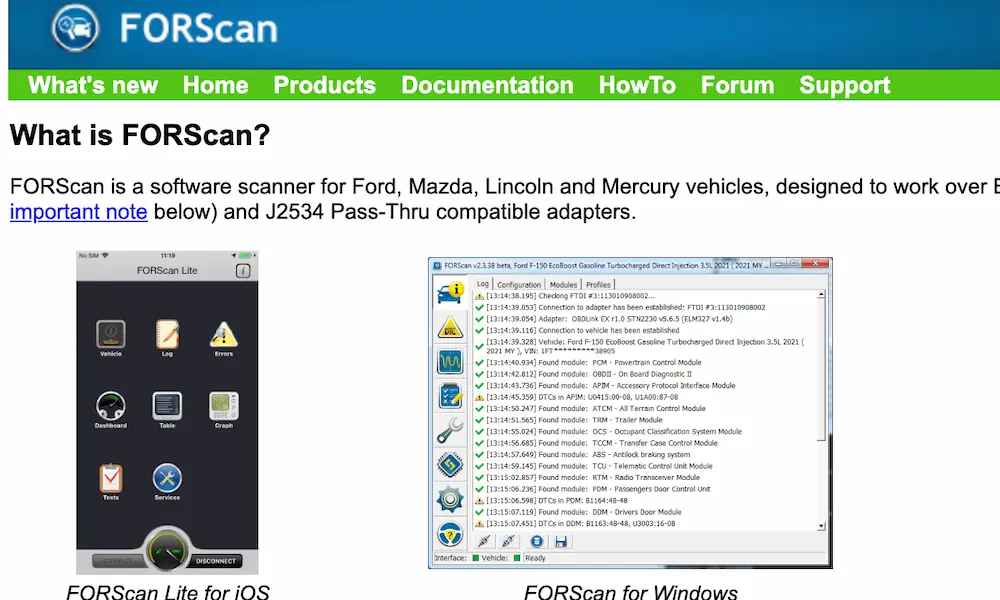
- Have your vehicle scanned for diagnostic trouble codes
- Check for other issues like dirty fuel injectors or failed sensors
- Consider a fuel system cleaning service
According to the National Highway Traffic Safety Administration, always follow manufacturer recommendations for fuel type to ensure optimal safety and performance.
The Bottom Line on Ford Edge Fuel Types
Your Ford Edge is engineered to perform well with regular 87 octane gasoline. Here’s what to remember:
- For 2.0L engines: Stick with regular unleaded for the best value
- For 2.7L ST engines: Regular is acceptable, but premium delivers optimal performance
- For everyday driving: Regular fuel is perfectly fine
- For maximum performance: Premium fuel gives a small but noticeable boost
Ford’s EcoBoost technology makes this flexibility possible, allowing the engine to adapt to different fuel grades while maintaining reliability. This adaptability means you can make your fuel choice based on your personal priorities—whether that’s maximum performance or minimum cost, your Edge has you covered.