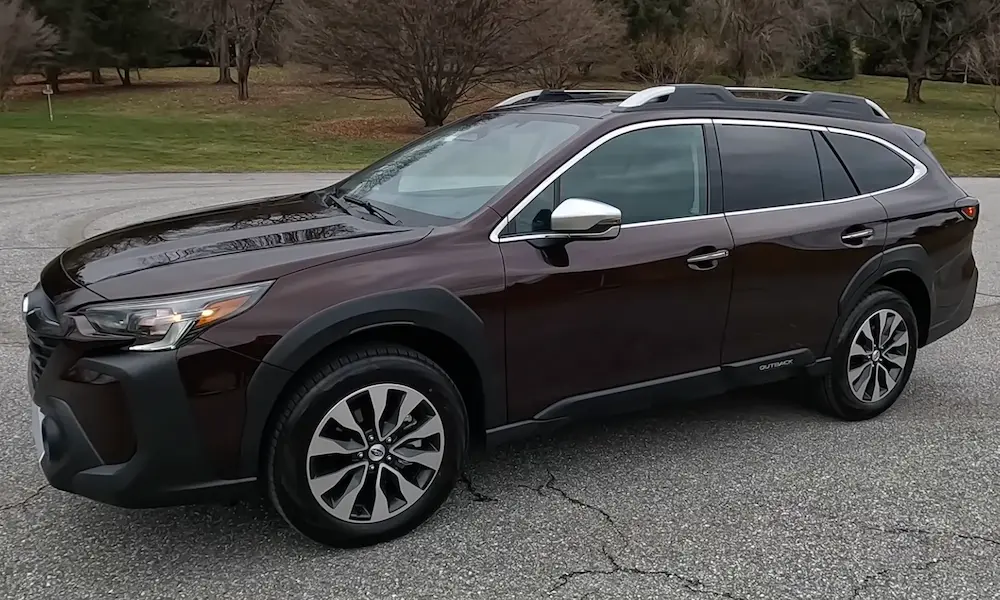
Wondering about the right fuel for your Subaru Outback? You’ve come to the right place. Whether you’re a new owner or just double-checking your fuel choices, this guide covers everything you need to know about Subaru Outback gas requirements to keep your adventure machine running smoothly.
Regular vs. Premium: What Your Subaru Outback Actually Needs
Most Subaru Outback models run perfectly fine on regular 87-octane unleaded gasoline. This includes the Base, Premium, Limited, and Touring trims with the 2.5L naturally aspirated engine. The engine is specifically designed for this fuel grade, so there’s no benefit to spending extra on premium gas.
The 2.5L non-turbocharged engine’s computer system is calibrated for regular unleaded, and knock sensors continuously monitor combustion to make adjustments as needed.
For these standard models, expect to achieve the EPA-rated fuel economy of approximately 26 MPG city and 32 MPG highway while using regular 87-octane fuel.
Turbocharged Models: Different Rules Apply
If you drive a Wilderness or any XT trim Outback with the 2.4L turbocharged engine, your fuel requirements are a bit different. While Subaru specifies that 87-octane is the minimum requirement for daily driving, there are situations when premium fuel is recommended:
- When towing near the 3,500-pound capacity
- When driving on steep grades or mountain roads
- During high-performance driving
Subaru specifically recommends switching to 91-octane or higher premium fuel under these high-load conditions to prevent engine knock and maintain optimal performance.
The Science Behind Octane Recommendations
Octane ratings measure a fuel’s ability to resist “knocking” or “pinging” during combustion. Here’s why it matters for different Outback models:
Non-Turbocharged Models
The 2.5L engine has a moderate compression ratio and doesn’t generate the high cylinder pressures that would benefit from premium fuel’s knock resistance. Using premium gas in these models is essentially paying more for no added benefit.
Turbocharged Models
The 2.4L turbo engine creates higher cylinder pressures, especially under load. Premium fuel’s superior knock resistance allows the engine control unit to maintain aggressive ignition timing during demanding conditions. According to independent tests, using 91-octane fuel during towing can reduce oil temperatures by 3-5%, which helps protect your engine during strenuous use.
| Engine Type | Minimum Octane | Recommended for High Load | Potential Benefits of Premium |
|---|---|---|---|
| 2.5L Non-Turbo | 87 Regular | 87 Regular | None – save your money |
| 2.4L Turbo | 87 Regular | 91+ Premium | Better performance under load, reduced engine heat, increased horsepower (5-7 HP) |
Understanding Octane Ratings Worldwide
If you’re traveling internationally or reading conflicting information, it’s important to understand the different ways octane is measured:
- U.S. and Canada: Use the Anti-Knock Index (AKI), which is shown on the yellow sticker on gas pumps
- Europe, Australia, and many other regions: Use Research Octane Number (RON)
This conversion chart helps clarify the differences:
| U.S./Canada (AKI) | Europe/Australia (RON) | Subaru Outback Type |
|---|---|---|
| 87 | ≈90 | Standard recommendation for all models |
| 91 | ≈95 | Recommended for turbo models under load |
| 93 | ≈98 | Premium option for turbo models |
If you’re driving your Outback in Australia, you’d need to look for 95 RON fuel when the manual recommends 91 octane.
High-Altitude Fuel Warning
Living in or traveling through mountainous regions like Colorado? Be careful about using 85-octane fuel that’s sometimes marketed as “regular” at high elevations. Subaru explicitly warns against using this lower-grade fuel, even at high altitudes.
Modern Outbacks, especially those with turbochargers, compensate for thin mountain air by forcing more oxygen into the cylinders. This means they still need the proper octane rating to prevent engine knock, regardless of elevation.
Performance Myths vs. Reality
You might hear conflicting advice about premium fuel improving performance in all Outbacks. Let’s separate fact from fiction:
Myth: Premium Fuel Improves All Outbacks
Many owners claim they feel “smoother idling” or “better throttle response” using premium in non-turbo models. However, dyno tests show no measurable power gains in the 2.5L engine. The ECU simply can’t take advantage of higher octane in an engine not designed for it.
Reality: Turbo Models Do Benefit
For 2.4L turbo engines, there is a measurable difference. The ECU can advance ignition timing by 2-3 degrees when it detects premium fuel, resulting in a modest 5-7 horsepower increase. While noticeable to enthusiasts, the average driver might not feel this difference during normal driving.
Ethanol and Fuel Additives
All modern Subaru Outbacks are compatible with E10 gasoline (containing 10% ethanol). However, higher ethanol blends like E15 or E85 should be avoided unless your vehicle is specifically rated for flex fuel use, which standard Outbacks are not.
To keep your fuel system clean, Subaru recommends occasionally using detergent additives like Techron, particularly if you often use gas from stations that don’t advertise “Top Tier” detergent additives.
Long-Term Engine Health Considerations
Using the correct fuel type isn’t just about immediate performance—it affects your Outback’s longevity too. Consistently using fuel below the recommended octane can lead to engine knock, even if it’s not audible, potentially causing accelerated wear on critical components like piston rings and bearings.
Keep in mind that Subaru’s warranty only covers knock-related damage if you’ve been using the manufacturer-recommended fuel grade.
Cost vs. Benefit Analysis
Let’s break down the financial aspect of your fuel choice:
For non-turbo Outback owners, the math is simple—using premium fuel offers no benefits and costs approximately 30-50 cents more per gallon.
For turbo Outback owners, it’s more nuanced:
- Day-to-day driving: 87-octane is sufficient and saves money
- Towing or mountain driving: The protection of premium fuel justifies the additional cost
- Performance enthusiasts: The modest horsepower gain might be worth the premium price
The Verdict: Which Gas Should You Use?
Based on Subaru’s official recommendations and real-world testing:
- Standard 2.5L Outback: Use 87-octane regular unleaded, always. Save your money on premium gas.
- Turbocharged Outback (XT and Wilderness):
- Regular daily driving: 87-octane is acceptable
- When towing, climbing mountains, or seeking maximum performance: 91-octane or higher premium fuel
- All Models: Avoid low-quality fuels, especially 85-octane “regular” in mountain states.
By following these guidelines, you’ll ensure optimal performance, maintain your warranty coverage, and maximize your Subaru Outback’s legendary reliability for adventures to come.
Real-World Perspective from Outback Owners
Many Outback XT and Wilderness owners report feeling a noticeable difference when using premium fuel, especially in responsive acceleration. On Reddit discussions, some turbo owners split the difference by alternating between regular and premium fill-ups or using mid-grade 89-octane as a compromise.
The consensus among long-term owners aligns with Subaru’s official position: non-turbo models run perfectly on regular fuel, while turbo models benefit from premium during demanding conditions but can use regular for normal driving.
By following these fuel recommendations, you’ll keep your Subaru Outback performing at its best while maximizing your fuel budget—whether you’re commuting to work or heading deep into the backcountry.