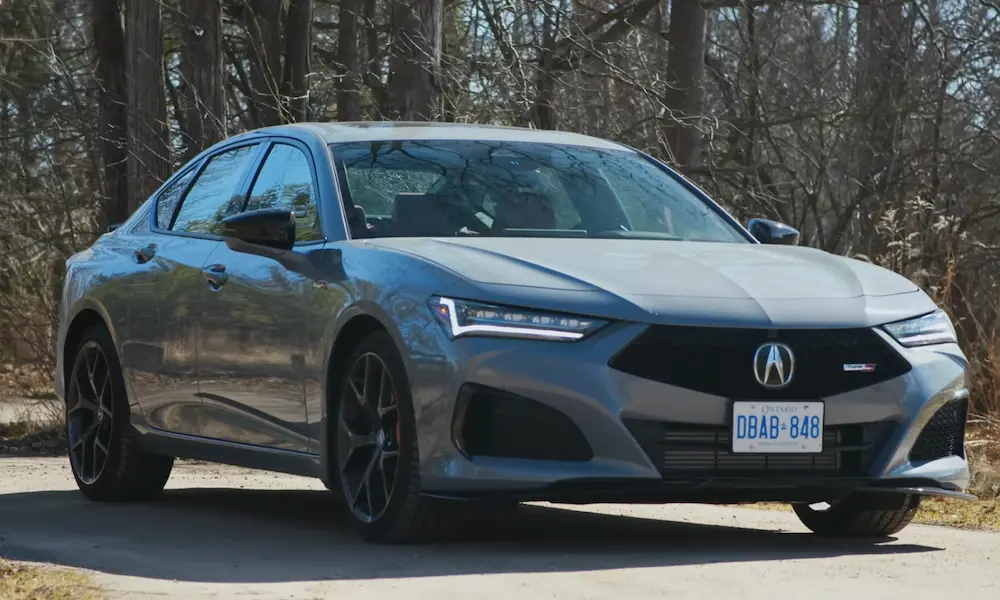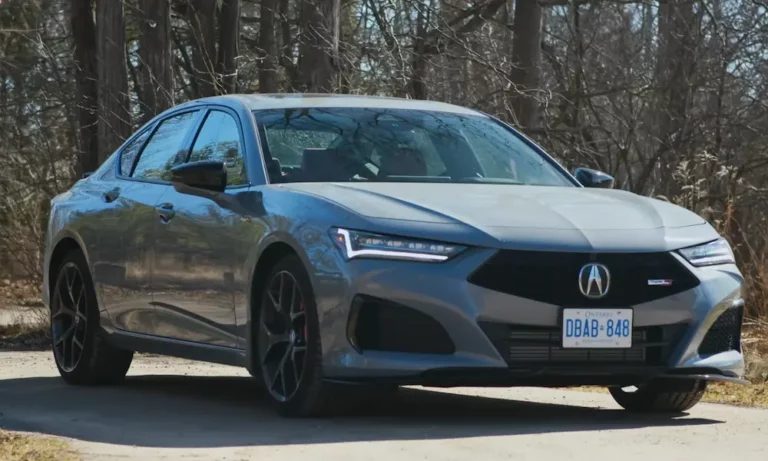
Wondering what to pump into your sleek Acura TLX at your next fill-up? You’re not just making a simple choice at the gas station – you’re making a decision that affects your car’s performance, longevity, and your wallet. Let’s cut through the confusion about what gas your Acura TLX really needs.
Acura TLX Recommended Fuel Type
The Acura TLX is engineered to run best on premium unleaded gasoline with a 91 octane rating or higher. This recommendation comes directly from Acura and applies to all TLX models, including both the standard 2.0L turbocharged engine and the high-performance Type S with its 3.0L twin-turbo V6.
While your owner’s manual uses the word “recommended” rather than “required,” there’s good reason behind this guidance. The TLX’s sophisticated turbocharged engines operate at high compression ratios (9.8:1 for the 2.0L and 10.0:1 for the 3.0L), making premium fuel the optimal choice for peak performance.
Can You Use Regular Gas in an Acura TLX?
Yes, you can use regular 87 octane gas in your Acura TLX without causing immediate damage, but there are significant trade-offs. Unlike some high-performance vehicles that strictly require premium fuel, the TLX’s engine management system can adjust to lower octane gasoline.
When you use regular gas in your TLX, your car’s knock sensors detect the lower-quality fuel and automatically retard ignition timing to prevent engine knock. This protective measure comes with noticeable downsides:
- Power reduction: Expect a 5-7% decrease in horsepower and torque
- Slower acceleration: 0-60 mph times increase by 0.3-0.5 seconds
- Reduced throttle response: Less crisp acceleration when you press the pedal
- Decreased fuel economy: Often negating any savings from choosing cheaper gas
The Type S variant, with its performance-focused engineering, experiences even more pronounced effects when running on regular fuel.
Premium vs. Regular Gas: Performance Differences
| Performance Factor | With Premium Gas (91+ Octane) | With Regular Gas (87 Octane) |
|---|---|---|
| Horsepower (2.0L) | 272 hp (full output) | Approximately 255-258 hp (5-7% drop) |
| Torque (2.0L) | 280 lb-ft (full output) | Approximately 260-266 lb-ft (5-7% drop) |
| 0-60 mph (2.0L) | 5.9 seconds | 6.2-6.4 seconds |
| Throttle Response | Immediate and crisp | Noticeably muted with some lag |
| Turbo Performance | Optimal boost pressure | Reduced boost to prevent knock |
The TLX Type S with its 355 hp V6 shows even greater sensitivity to fuel quality, particularly because of its twin-turbocharger system that relies on precise timing and boost control.
Fuel Economy Impact of Gas Type
The EPA fuel economy ratings for the Acura TLX (which are based on premium fuel testing) are:
- 2.0L FWD: 22 city / 31 highway / 25 combined MPG
- 2.0L SH-AWD: 21 city / 29 highway / 24 combined MPG
- 3.0L Type S SH-AWD: 19 city / 25 highway / 21 combined MPG
What many drivers don’t realize is that using regular gas typically reduces these figures by 3-5%, especially during highway driving. The engine compensates for the lower octane by enriching the fuel mixture, which burns more gas for the same distance traveled.
Let’s do the math: Over 15,000 annual miles at current fuel prices, this efficiency reduction can cost you $150-$200 extra per year—offsetting much of what you might save by purchasing cheaper fuel in the first place.
Long-Term Effects of Fuel Choice on Your TLX
Using regular gas occasionally won’t damage your TLX engine, but consistent use over thousands of miles has cumulative effects worth considering:
Carbon Build-Up Concerns
Acura strongly recommends using TOP TIER Detergent Gasoline regardless of octane level. These fuels contain higher concentrations of cleaning additives that prevent carbon deposits on intake valves and fuel injectors—a particular concern for direct-injection engines like those in the TLX.
Regular fuel from non-TOP TIER stations may accelerate carbon accumulation, eventually leading to:
- Rough idling
- Hesitation during acceleration
- Reduced power
- Lower fuel economy over time
Engine Wear Considerations
While modern TLX models have sophisticated knock control systems that prevent immediate damage from regular fuel, these protective adjustments create different combustion characteristics that affect engine components over time.
Service technicians note that TLXs consistently run on regular fuel often show:
- Earlier replacement needs for spark plugs
- Increased stress on piston rings and rod bearings
- More frequent maintenance requirements
Is Premium Gas Worth It for Your TLX?
The premium gas cost-benefit analysis comes down to several factors:
- Price differential: With premium gas typically costing $0.60-$0.80 more per gallon, filling the TLX’s 15.85-gallon tank costs about $9.50-$12.70 more per fill-up.
- Annual cost impact: For a driver covering 12,000 miles annually at the combined 25 MPG rating, premium fuel adds approximately $290-$380 to yearly expenses.
- Offsetting factors: This cost should be weighed against better performance, slightly improved fuel economy, reduced carbon build-up, and potentially better resale value.
A practical middleground some TLX owners adopt is using premium fuel during city driving and spirited driving (when knock is more likely) while occasionally using regular fuel during light highway cruising when the engine is under less stress.
Engine Protection: The Premium Fuel Advantage
Beyond performance benefits, premium fuel provides additional protection for your TLX’s sophisticated engine:
Knock Prevention
Acura’s turbocharged engines are more susceptible to knocking (pre-ignition) due to their high compression ratios and boosted intake pressures. Premium fuel’s higher octane rating provides greater resistance to this destructive phenomenon.
When knock occurs, even momentarily before the sensors can adjust timing, it creates microscopic damage that compounds over time. Car enthusiasts report that consistent premium fuel use results in smoother engine operation, particularly noticeable during acceleration and at higher RPMs.
Warranty Considerations
While using regular fuel doesn’t automatically void your warranty, dealership service advisors indicate that warranty claims related to engine problems might face additional scrutiny if there’s evidence of consistent lower-octane fuel use against manufacturer recommendations.
Beyond Octane: Fuel Quality Matters Too
Your TLX benefits not just from the right octane level but also from high-quality fuel sources:
TOP TIER Detergent Standards
Acura specifically endorses TOP TIER gasoline, a standard that exceeds the EPA’s minimum detergent requirements. Major brands meeting this standard include:
- Shell
- Chevron
- Exxon
- Mobil
- BP
- Phillips 66
These fuels contain superior detergent packages that keep fuel systems cleaner, regardless of octane rating.
Ethanol Content Awareness
While standard 10% ethanol blends (E10) are acceptable for the TLX, higher ethanol concentrations should be avoided. Ethanol contains less energy per gallon than gasoline and can accelerate moisture absorption in the fuel system over time.
Real-World Owner Experiences
TLX owners consistently report noticeable differences when switching between fuel types:
“I tried regular gas for two tanks in my 2.0T TLX and immediately noticed hesitation during acceleration and a general ‘laziness’ compared to premium. The savings weren’t worth the performance hit.” – TLX owner of 3 years
“My Type S is dramatically more responsive with premium. The difference is night and day, especially in Sport+ mode. I wouldn’t consider saving a few dollars at the expense of enjoying the car’s capabilities.” – Type S owner
“I primarily use premium but occasionally use regular on long highway trips where I’m just cruising at steady speeds. It’s a reasonable compromise that hasn’t caused any issues.” – 2021 TLX owner
The Bottom Line: What Gas to Use in Your Acura TLX
For optimal performance, efficiency, and long-term engine health, premium unleaded gasoline (91 octane or higher) is the clear recommendation for your Acura TLX. The vehicle’s sophisticated turbocharged engine was designed and tuned with this fuel type in mind.
While the TLX can run on regular gas without immediate damage thanks to its adaptive engine management system, the compromises in performance, efficiency, and potentially long-term reliability make premium fuel the wiser choice for most owners.
If you’re particularly budget-conscious, consider a mixed approach—using premium during city driving and performance situations while occasionally using regular for highway cruising. Whatever you choose, prioritize high-quality TOP TIER fuel sources to keep your TLX’s sophisticated engine running at its best.
Your TLX represents automotive engineering excellence—fueling it appropriately helps ensure you experience everything it was designed to deliver.