You’ve got a GM vehicle with the 3.7L inline-five engine, and something doesn’t feel right. Strange noises, excessive oil consumption, or maybe your check engine light won’t stop flashing. Don’t worry – you’re in the right place to understand what’s happening under your hood.
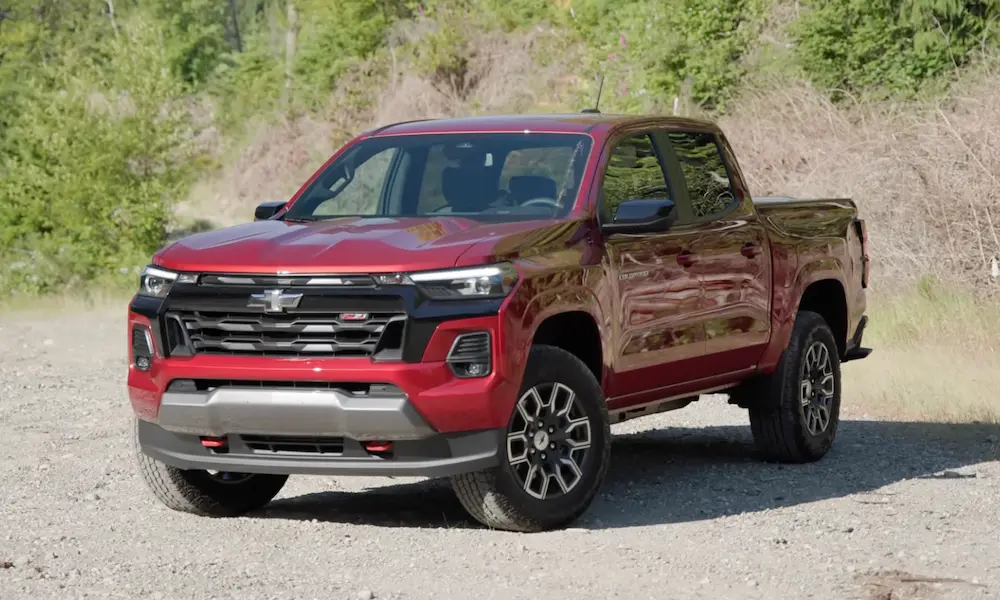
The GM Atlas 3.7L five-cylinder engine, found in Chevy Colorados, GMC Canyons, and Hummer H3s, has its share of common issues. Let’s dive into what makes this unique engine tick – and sometimes tick a little too much.
Why GM Created a 5-Cylinder Engine
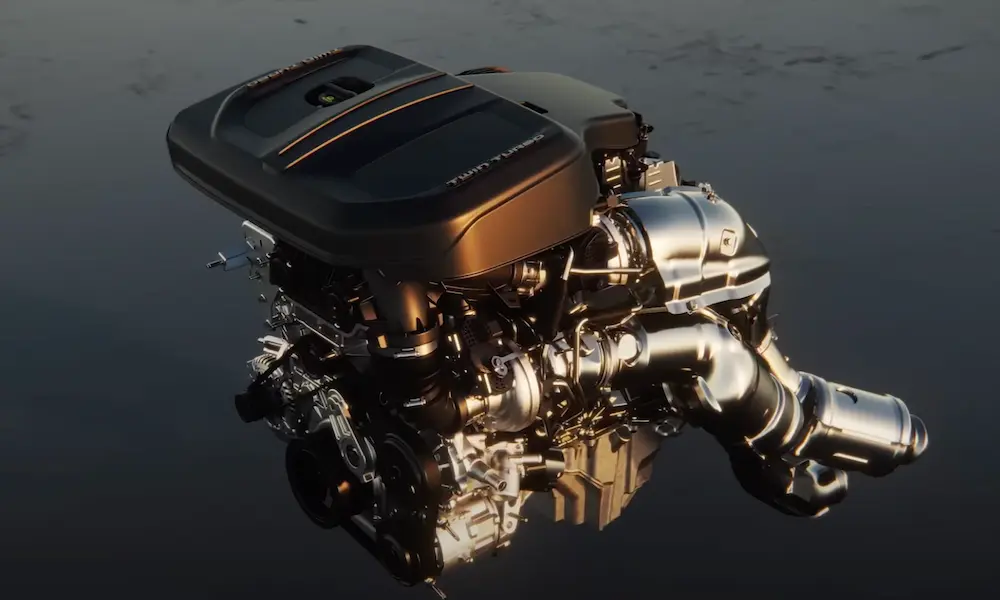
GM engineered the Atlas inline-five as a middle-ground solution for their midsize trucks and SUVs. With 242 horsepower and 242 lb-ft of torque, it offered more power than a four-cylinder but better fuel economy than a V6.
The engine featured an aluminum block with cast iron cylinder liners and dual overhead cams. It was technically impressive but, as many owners discovered, this innovative design came with some significant reliability concerns.
Oil Consumption Issues
If you’re adding a quart of oil every 1,000 miles (or sooner), your Atlas engine is exhibiting one of its most common problems.
Why These Engines Burn Oil
The 3.7L five-cylinder engines often suffer from:
- Worn piston rings that allow oil to seep into combustion chambers
- Deteriorating valve stem seals, especially in high-mileage vehicles
- PCV system issues that draw oil into the intake manifold
One owner on Bob Is The Oil Guy reported his Hummer H3 consuming oil at an alarming rate before eventually experiencing catastrophic engine failure due to oil starvation.
How to Address Oil Consumption
- Switch to full-synthetic 5W-30 oil
- Reduce your oil change interval to 3,000-5,000 miles
- Inspect and replace the PCV valve annually
- Consider an engine flush if sludge buildup is suspected
Timing Chain Failures
Perhaps the most dreaded problem in the Atlas engine lineup is timing chain failure. Since this is an interference engine, a broken timing chain can cause catastrophic damage.
Warning Signs of Timing Chain Issues
- Rattling noise from the front of the engine, especially during startup
- Check engine light with timing-related codes (P0014, P0016, P0017)
- Engine misfires or rough running
- Decreased power and performance
According to a YouTube video documenting a repair, a 2010 GMC Canyon needed extensive work due to timing chain slack, costing between $3,000-$4,000 and requiring 12 hours of labor.
What Causes Timing Chain Problems
The timing system in these engines uses multiple chains:
- A front chain connecting the crankshaft to the camshafts
- A rear chain driving the balance shafts
The system fails due to:
- Chain stretching over time
- Guide and tensioner wear
- Oil sludge reducing tensioner effectiveness
- Inadequate lubrication
Head Gasket and Cylinder Head Issues
The aluminum cylinder head design in these engines is prone to several problems that can lead to expensive repairs.
Common Cylinder Head Problems
- Head gasket failures allowing coolant leakage
- Warping from thermal cycling (especially after overheating)
- Valve seat loosening in earlier models
- Coolant contamination in oil or combustion chambers
These issues often manifest as:
- White exhaust smoke
- Coolant loss with no visible leaks
- Engine overheating
- Sweet smell from the exhaust
A comprehensive repair guide notes that these problems can be particularly expensive, often requiring complete cylinder head replacement.
Ignition System Failures
The coil-on-plug ignition system in the Atlas engines can cause persistent misfire issues that are sometimes misdiagnosed.
Misfire Causes and Symptoms
- Failed ignition coils (sometimes requiring multiple replacements)
- Spark plug gap inconsistencies
- Oil-fouled plugs from consumption issues
- Intermittent power loss
- Check engine light with misfire codes (P0300-P0305)
These misfires may require more frequent spark plug changes than typical – as often as every 30,000 miles instead of the manufacturer’s longer intervals.
Balance Shaft and Exhaust Manifold Problems
The odd-cylinder configuration presents unique challenges that lead to specific failures.
Balance Shaft Issues
Five-cylinder engines have inherent vibration challenges, requiring balance shafts to run smoothly. Problems include:
- Balance shaft chain failures
- Excessive engine vibration
- Bearing wear causing noise
- Secondary damage to other components
Exhaust Manifold Failures
The exhaust manifold on these engines is particularly prone to:
- Cracking due to thermal stress
- Broken manifold bolts requiring difficult extraction
- Leaking joints causing performance issues
- Check engine light with catalyst efficiency codes (P0420)
Reddit discussions about Hummer H3 issues highlight these exhaust problems as common pain points for owners.
Model Years to Avoid
Not all Atlas engines were created equal. Certain production years had more prevalent issues than others.
Most Problematic Years
- 2004-2006: First generation engines with more frequent oil consumption issues
- 2007-2008: Early second-generation models with timing chain problems
- 2009: Transition year with mixed reliability
More Reliable Options
- 2010-2012: Later production years benefited from some design improvements
- Post-2009 models with documented maintenance history
Preventative Maintenance for GM 5-Cylinder Engines
Proper maintenance can significantly extend the life of these engines despite their inherent issues.
Essential Maintenance Schedule
| Maintenance Item | Recommended Interval | Why It’s Critical |
|---|---|---|
| Oil changes | 3,000-5,000 miles | Prevents sludge buildup |
| PCV valve | Annually | Reduces oil consumption |
| Timing chain inspection | 100,000 miles | Prevents catastrophic failure |
| Spark plugs | 30,000 miles | Prevents misfires |
| Coolant flush | 30,000 miles | Protects head gasket |
Critical Upgrades for Longevity
For high-mileage engines, consider these improvements:
- Upgraded valve seats and seals for engines with oil consumption
- Aftermarket timing chain kits with reinforced components
- Header-style exhaust manifolds to eliminate catalytic converter stress
- Synthetic oil and premium filters
Repair Costs to Expect
These engines can be expensive to fix when major problems develop.
Average Repair Costs
| Repair | Typical Cost Range | Labor Hours |
|---|---|---|
| Timing chain replacement | $1,800-$4,000 | 10-12 hours |
| Head gasket replacement | $1,600-$2,500 | 12-15 hours |
| Oil consumption repair | $1,500-$3,000 | 6-10 hours |
| Exhaust manifold | $800-$1,500 | 4-6 hours |
| Ignition coil replacement | $150-$300 | 1-2 hours per coil |
These repair costs can quickly exceed the value of older vehicles, making some fixes economically unfeasible.
Early Warning Signs of GM 5-Cylinder Problems
Catching issues early can save thousands in repair costs. Watch for these symptoms:
- Any oil consumption exceeding 1 quart per 2,000 miles
- Rattling noises during cold starts
- Check engine light with timing or misfire codes
- Coolant loss without visible leaks
- White exhaust smoke
- Ticking sounds that increase with engine RPM
- Vibration at specific RPM ranges
Should You Buy a Vehicle with a GM 5-Cylinder?
If you’re considering a used Colorado, Canyon, or H3 with this engine, here’s what to weigh:
Pros of GM 5-Cylinder Engines
- Good power-to-efficiency ratio when running properly
- Unique sound character that some enthusiasts enjoy
- Relatively simple design compared to modern turbocharged engines
- Generally adequate for light towing and hauling
Cons to Consider
- Higher maintenance costs than comparable vehicles
- Known reliability issues affecting long-term ownership
- Expensive repairs that may exceed vehicle value
- Fewer specialized mechanics familiar with these engines
If you still want to buy one, insist on:
- Complete service records
- Pre-purchase inspection by a GM specialist
- Evidence of timing chain replacement (if over 100k miles)
- Later model years (2010-2012)
The Bottom Line on GM 5-Cylinder Reliability
The Atlas 3.7L five-cylinder represents an interesting chapter in GM’s engineering history, but its reputation for reliability issues is well-earned. With proper maintenance and awareness of common failure points, these engines can provide reasonable service – but expect higher maintenance costs than comparable vehicles of the same era.
For current owners, stay vigilant about oil changes, address small problems before they become major failures, and consider preventative timing chain replacement around 100,000 miles. For prospective buyers, proceed with caution and budget for potential repairs if you’re drawn to these unique engines.