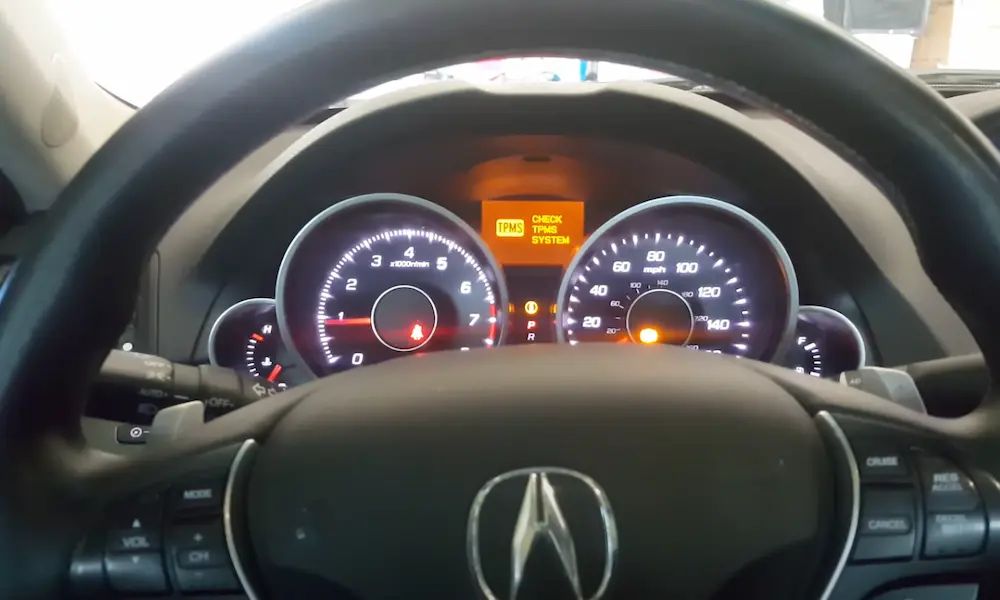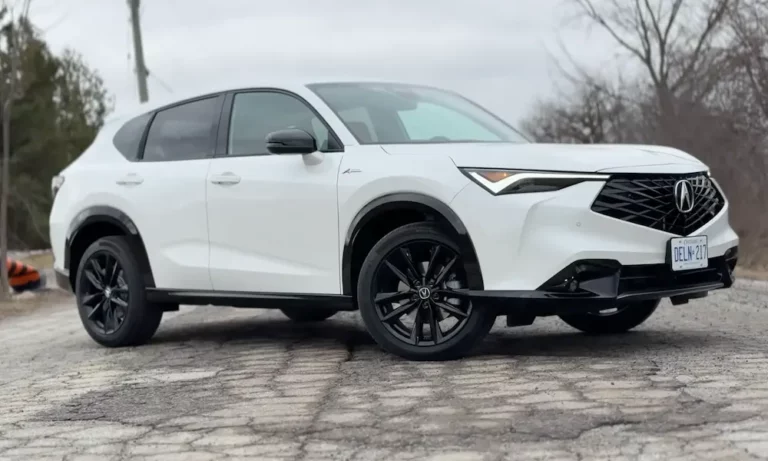
Your Acura’s dashboard just flashed “B16” and now you’re wondering what you’re in for. Don’t panic — but don’t ignore it either. This service covers three critical systems at once, and skipping it can turn a $300 maintenance visit into a $2,000+ repair bill. Here’s everything you need to know.
What Is the Acura B16 Service?
The Acura B16 service is a multi-part maintenance alert from Acura’s Maintenance Minder system — a smart, sensor-based monitoring system that tracks your driving conditions in real time. It’s not just a mileage counter. It watches engine temperature, load, trip duration, and ambient conditions to tell you exactly when service is due.
Each character in “B16” means something specific:
- B = Oil change + full mechanical inspection
- 1 = Tire rotation and tire health check
- 6 = Rear differential fluid replacement (SH-AWD models only)
Think of it as three services bundled into one alert. Let’s break each one down.
The “B” Code: More Than Just an Oil Change
Most people hear “oil change” and think it’s a quick 20-minute job. The B service goes much deeper than that.
Engine Oil and Filter Replacement
Acura recommends full synthetic motor oil for all modern models, including the turbocharged 2.0L in the RDX and the 3.5L V6 in the MDX. Full synthetic handles heat better, resists sludge, and lasts longer between changes. During a B service, the oil and the filter must both be replaced — the filter isn’t optional here. A new aluminum crush washer on the drain plug is also required to prevent oil seepage.
The Multi-Point Inspection
This is where the B service earns its keep. A certified technician works through a checklist of your vehicle’s most critical systems.
Brake System
- Pad thickness is measured on all four corners
- Rotors are checked for warping, scoring, or cracks
- Brake hoses and lines are inspected for cracking or blistering
- ABS and VSA module connections are checked for corrosion
Steering and Suspension
- Tie rod ends are checked for play; boots are inspected for grease leaks
- Ball joints, bushings, and mounting hardware are examined for wear
- For vehicles in northern states, road salt corrosion on structural components is a serious concern here
Driveshaft and Exhaust
- CV joint boots are inspected for splits — a torn boot lets dirt into the joint and destroys it fast
- Exhaust components are checked for rust and leaks
- Fuel lines are checked for secure connections and abrasion
This inspection alone justifies the B service. Catching a cracked brake line during a scheduled visit is a lot cheaper than discovering it on the highway.
The “1” Code: Tire Rotation
Acura recommends rotating tires every 7,500 to 10,000 miles, which is why the “1” code lines up with the B service so often.
Why Tire Rotation Matters on SH-AWD Models
On an SH-AWD vehicle, uneven tire wear isn’t just a tire problem — it’s a drivetrain problem. When front and rear tires wear at different rates, they develop slightly different circumferences. The SH-AWD system reads that difference as a constant slip condition and keeps the rear differential clutches engaged unnecessarily. Over time, that wears out components that cost far more than a rotation.
During the rotation, your technician also:
- Adjusts tire pressure to the cold-start PSI listed on your driver-side door jamb
- Measures tread depth to flag tires approaching replacement
- Checks sidewalls for damage, bulges, or uneven wear patterns like feathering or cupping (both of which can signal alignment issues)
The “6” Code: Rear Differential Fluid (The Critical One)
If you own an SH-AWD model — MDX, RDX, or TLX — this is the part of the B16 service you really can’t skip.
How the SH-AWD System Works
Acura’s Super Handling All-Wheel Drive doesn’t just split torque between front and rear. It actively vectors torque between the left and right rear wheels using electromagnetic clutch packs inside the rear differential. This is what gives Acura SUVs and sedans their sharp, planted feel through corners.
Those clutches depend entirely on the right fluid to engage smoothly. The specified lubricant is Acura DPSF-II (part number 08200-9007A) — a fluid engineered specifically for the friction characteristics of these clutch packs.
Using the wrong fluid causes permanent damage. Older MDX models (2001–2006) used VTM-4 fluid. Mixing VTM-4 and DPSF-II, or using either in the wrong application, can destroy the rear differential clutch packs and trigger an “AWD Failure” warning.
What Happens When You Skip the Fluid Change
As DPSF-II ages, its friction modifiers, anti-foaming agents, and corrosion inhibitors break down. The clutches stop engaging and disengaging smoothly. The result is a phenomenon called “judder” — a vibration or shudder you feel during low-speed turns, like in a parking lot or merging from a stop.
A Technical Service Bulletin (TSB) addressed exactly this issue, recommending a complete three-cycle fluid flush to remove degraded lubricant. Sticking to the B16 schedule prevents you from ever reaching that point.
Fluid Specs and Model-Specific Capacities
| Acura Model | Model Years | Estimated Fluid Capacity |
|---|---|---|
| RDX (SH-AWD) | 2019–2025 | ~1.92 US Quarts (buy 2–3 qts) |
| MDX (SH-AWD) | 2022–2026 | ~1.76 US Quarts (buy 2 qts) |
| MDX (SH-AWD) | 2017–2021 | ~2.5–3.0 US Quarts (buy 3 qts) |
| TLX (SH-AWD) | 2015–2025 | ~1.5–1.9 US Quarts (buy 2 qts) |
The technician fills the unit until fluid starts to seep from the fill hole, then installs a new drain and fill plug washer torqued to 33–35 lb-ft. Both washers are single-use aluminum — reusing them risks leaks.
One more note: Acura Integra owners will never see a “6” code. The Integra is front-wheel drive and has no rear differential.
What the Maintenance Minder Tells You Before B16 Appears
The Maintenance Minder doesn’t surprise you. It gives you clear warnings as oil life drops.
| Oil Life Remaining | System Status | What It Means |
|---|---|---|
| 15% | Maintenance Due Soon | Start scheduling your appointment |
| 5% | Maintenance Due Now | Book it immediately |
| 1–5% | Critical Threshold | Additive depletion is accelerating |
| 0% | Past Due | Risk of accelerated component wear |
The B16 code typically appears around 15,000, 30,000, or 45,000 miles — but your driving habits shift that window significantly.
City drivers and short-trip commuters trigger the code much earlier. Short trips prevent the engine oil from reaching full operating temperature, so moisture and fuel contaminants don’t burn off. The Maintenance Minder detects this and shortens the interval accordingly.
Drivers in mountainous areas or those who tow put extra heat load on the rear differential. The “6” sub-code can appear as early as 12,000 miles under severe conditions versus 15,000–20,000 miles under normal use.
How Much Does a B16 Service Cost?
Cost depends on where you go and whether you do any of it yourself.
| Service Provider | Estimated B16 Cost | Key Trade-Off |
|---|---|---|
| Acura Dealership | $325–$425 | OEM parts, certified techs, documented history — but highest cost |
| Independent Specialist | $175–$275 | Lower labor rates — but requires research into shop reputation |
| DIY | $80–$120 | Lowest cost, full control — but no service record and you’ll need a fluid pump and torque wrench |
If you’re going the DIY or independent route, here’s what the parts alone will run you:
| Item | Estimated Price (USD) |
|---|---|
| Full Synthetic Engine Oil (5-Qt) | $30–$45 |
| Oil Filter | $10–$15 |
| DPSF-II Fluid (per quart) | $10–$20 |
| Crush Washers (pair) | $2–$7 |
| Standalone Tire Rotation | $30–$50 |
Is the Dealership Worth It?
It depends on your priorities. Dealerships charge between $180 and $300 per hour for labor and operate on a fixed “book rate” — so you pay the same whether the job takes 45 minutes or two hours. That’s expensive. But dealerships also have direct access to the latest factory TSBs, proprietary diagnostic tools, and documented service records that support resale value and Acura Plus warranty compliance.
For comparison, Acura’s annual maintenance costs average $500–$600, compared to $900–$1,200 for BMW or Audi. Acura’s service structure is genuinely more accessible, and DPSF-II fluid is easy to source — unlike the proprietary “lifetime” fluids some European brands use.
What a TSB Found About Skipping Drivetrain Fluid Changes
Two NHTSA-published Technical Service Bulletins from Acura’s own engineering team underscore why fluid maintenance matters.
TSB 16-062 addressed judder from the torque converter lock-up clutch in 2014–2015 MDX models. Engineers found that transmission fluid was breaking down faster than expected under specific driving conditions. The fix required a software update to the PGM-FI system and a three-cycle fluid flush.
TSB MC-11015014 addressed rear differential pump motor failures in 2015–2020 TLX and MDX models caused by water intrusion in the subframe harness. A diligent technician performing a B16 service will inspect those connectors for corrosion. The final step of that repair procedure specifically requires resetting Maintenance Minder sub-item 6.
Both bulletins point to the same conclusion: when drivetrain fluids degrade without replacement, you don’t just get a warning light — you get mechanical failure.
How to Reset the Maintenance Minder After a B16 Service
Once the service is complete, you need to clear the B16 code. There are two ways to do it.
Via Steering Wheel Controls:
Navigate to the “Maintenance” screen using your scroll wheel, then press and hold the wheel for 10 seconds. When the reset menu appears, select “All Items.”
Via the Infotainment Screen:
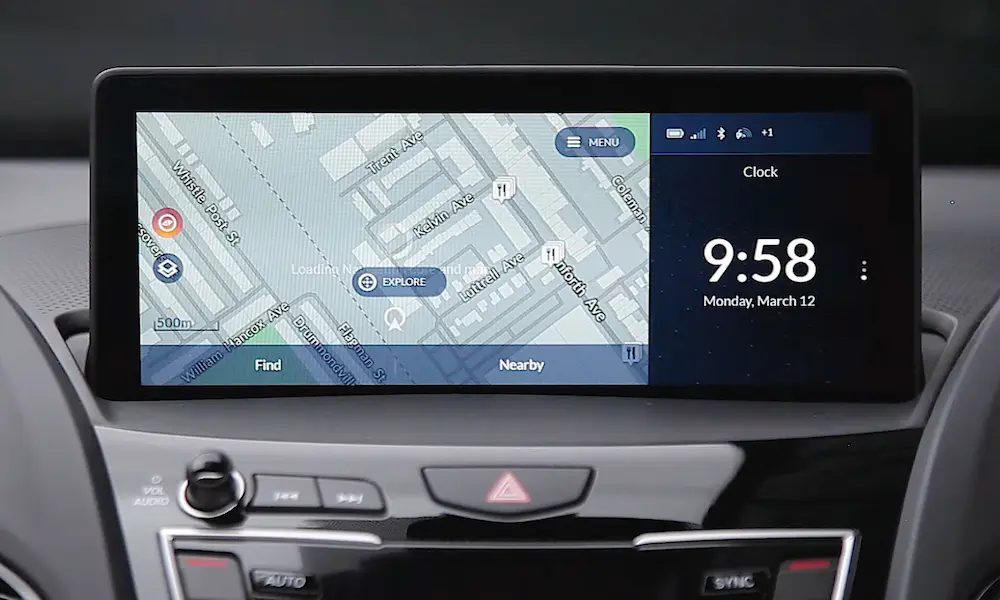
Go to Settings → Vehicle Settings → Maintenance Info → Maintenance Reset, then confirm by selecting “Reset.”
If you skip this step, the alert stays on — which is both annoying and a problem if you’re trying to verify the service was done.
The Bottom Line on Acura B16 Service
The Acura B16 service isn’t just a glorified oil change. It’s a coordinated maintenance event that protects your engine, your tires, and — most importantly on SH-AWD models — the sophisticated rear differential system that makes your Acura drive the way it does.
The “6” sub-code is the one that catches most owners off guard. It’s also the most consequential. Degraded DPSF-II fluid leads to clutch judder, premature wear, and potentially a full rear differential replacement that costs several thousand dollars. A fluid change costs $20–$40 in parts.
Schedule it when the Maintenance Minder calls for it. Don’t wait until the oil life hits zero. And if you’re in a rust belt state, treat the B-service inspection as your vehicle’s annual structural health check — it could catch a corroded brake line before it becomes an NHTSA safety issue.