Is your Acura’s dashboard suddenly displaying a “Check Emission System” warning? This alert indicates something’s wrong with your vehicle’s emission control system—the components that limit harmful pollutants from entering the atmosphere. While it might be tempting to ignore the warning, addressing it promptly can save you from costlier repairs and keep your Acura running smoothly. Let’s dive into what this warning means, how to diagnose it, and what repairs might be needed.
What Triggers the “Check Emission System” Warning?
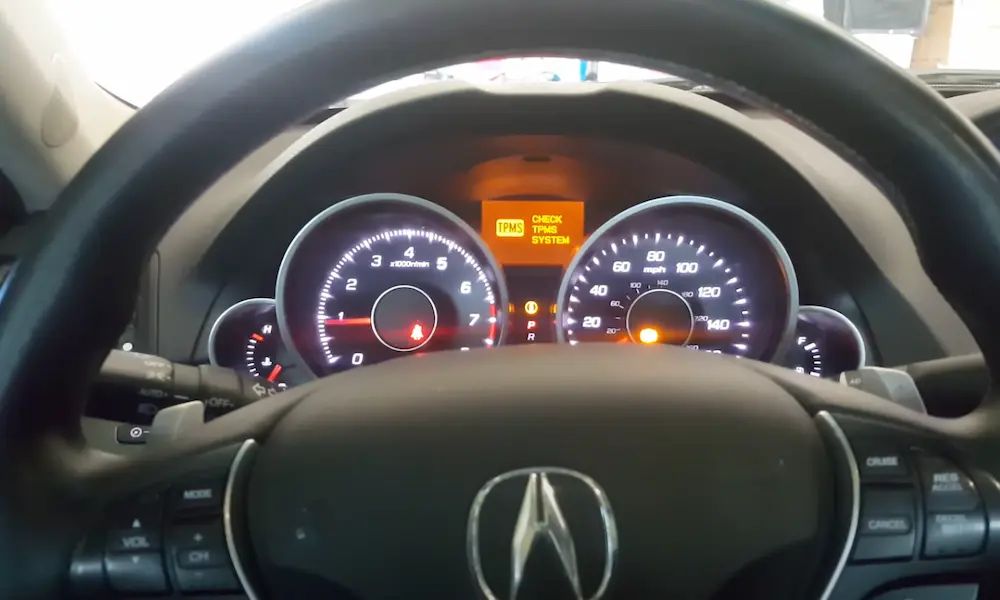
When your Acura detects a problem with any component that affects emissions, it illuminates either a dedicated “Check Emission System” light or the standard check engine light. In most Acura vehicles made since 1996, the check engine light serves as the primary indicator for emission-related issues.
This warning system activates when the onboard diagnostic system identifies a fault in components like:
- Oxygen sensors
- Catalytic converters
- Evaporative emission (EVAP) system
- Engine management sensors
When triggered, your vehicle’s engine control module stores specific diagnostic trouble codes (DTCs) that help pinpoint the exact problem.
Most Common Causes of Emission System Warnings
Loose or Damaged Gas Cap
Believe it or not, your gas cap is a crucial part of your vehicle’s emission control system. A loose, damaged, or missing gas cap is the most common and least expensive cause of emission warnings.
When your gas cap isn’t properly sealed, fuel vapors escape into the atmosphere instead of being processed through the EVAP system. Many Acura owners report that simply tightening the gas cap until it clicks and driving for 3-5 restart cycles resolves the issue.
EVAP System Problems
The EVAP system prevents fuel vapors from escaping into the air. Common EVAP-related trouble codes include:
| Code | Meaning | Common Causes |
|---|---|---|
| P0440 | General EVAP system malfunction | Leak detection pump issues, vapor pressure sensor malfunction |
| P0441 | Incorrect purge flow | Faulty purge valve, clogged purge lines |
| P0442 | Small leak detected | Minor cracks in hoses, loose connections |
| P0455 | Large leak detected | Major system leaks, missing gas cap |
EVAP system issues typically don’t affect how your Acura drives but can cause fuel odors and prevent passing emissions testing.
Oxygen Sensor Failures
Oxygen sensors measure the oxygen content in your exhaust gases, helping your engine maintain the optimal air-fuel mixture. When they fail, your Acura can’t properly regulate fuel consumption, leading to:
- Poor fuel economy
- Rough idling
- Unusual exhaust odors
- Failed emissions tests
Common oxygen sensor codes include P0135 (heater circuit problems) and P0171 (system running too lean).
Catalytic Converter Problems
The catalytic converter reduces harmful emissions by converting toxic gases into less harmful substances. Codes P0420 and P0430 indicate catalyst system efficiency issues for bank 1 and bank 2, respectively.
Signs of a failing catalytic converter include:
- Reduced fuel economy
- Decreased engine performance
- Rotten egg smell from exhaust
- Engine misfires or hesitation
Catalytic converter issues represent the most expensive emission-related repairs, so early detection is crucial.
How to Diagnose Your Acura’s Emission System Warning
Basic Steps You Can Take
- Check your gas cap first: This simple fix resolves many emission warnings. Ensure it’s tight and undamaged.
- Use an OBD-II scanner: Connect a scanner to the diagnostic port (usually under the dashboard) to retrieve trouble codes. Many auto parts stores offer free code scanning.
- Look for visible damage: Inspect accessible parts of the emission system for cracked hoses, loose connections, or corrosion.
When to Seek Professional Diagnosis
Modern Acura vehicles have sophisticated emission control systems that often require manufacturer-specific diagnostic tools. Professional diagnosis typically costs between $100-200 but provides a comprehensive analysis that identifies the root cause—not just the symptom.
Some Acura models, particularly newer ones like the 2020 TLX, require specific drive cycles for proper emission system testing. These procedures can take 40+ minutes of varied driving conditions before the system monitors become “ready” for accurate testing.
Repair Costs for Common Emission System Problems
EVAP System Repairs
| Repair | Cost Range | Notes |
|---|---|---|
| Gas cap replacement | $10-50 | DIY-friendly, inexpensive |
| Purge valve replacement | $150-400 | $196-316 for Acura TSX models |
| EVAP canister replacement | $470-520 | More complex, usually requires professional installation |
Oxygen Sensor Replacement
Oxygen sensor costs vary significantly based on sensor type and location:
- Upstream sensors (before catalytic converter): $600-1,080
- Downstream sensors (after catalytic converter): $450-850
- Labor costs: $100-300 per sensor
For specific Acura models, average replacement costs are:
Catalytic Converter Replacement
This is the most expensive emission system repair. For Acura vehicles, expect to pay:
- Acura TLX: $2,151-2,292
- Other Acura models: $933-4,414 (varies by model and year)
Luxury vehicles typically require more expensive converters and command higher labor rates.
DIY vs. Professional Repairs
What You Can Fix Yourself
With basic mechanical skills and proper tools, you can handle:
- Gas cap replacement
- Some oxygen sensor replacements (if accessible)
- Basic diagnostic code reading
DIY oxygen sensor replacement can cost as little as $20-300 for parts only, saving $150-600 in labor costs.
When Professional Help Is Necessary
Complex repairs typically require professional service:
- Catalytic converter replacement (involves welding)
- EVAP canister replacement
- Multiple code diagnosis
- Issues with newer models with integrated systems
Acura’s advanced emission systems often require dealer-level diagnostic equipment for accurate troubleshooting, especially for intermittent problems.
Is It Safe to Drive with an Emission System Warning?
While your Acura won’t typically break down immediately due to an emission system warning, continued driving is not recommended for several reasons:
- Potential engine damage could occur, especially with catalytic converter issues
- Fuel economy may decrease significantly
- Emissions increase, harming the environment
- Your vehicle will likely fail emissions testing
- Small problems can escalate into more expensive repairs
If your check engine light is flashing (not just steadily illuminated), this indicates active misfiring that could damage your catalytic converter. In this case, stop driving immediately and seek professional help.
Preventing Emission System Problems
Regular maintenance following Acura’s Maintenance Minder system helps prevent emission system warnings. Key preventive measures include:
- Following Acura’s recommended service intervals
- Using high-quality fuel (preferably top-tier gasoline)
- Regular oil changes with manufacturer-recommended oil
- Replacing air filters on schedule
- Proper gas cap maintenance (tighten until it clicks, inspect regularly)
- Addressing check engine lights promptly
Warranty Coverage for Emission System Repairs
Acura provides specific warranty coverage for emission components under federal EPA requirements:
- Major emission components (including catalytic converters): 8 years or 80,000 miles
- Acura replacement parts installed by dealers: 1 year or 12,000 miles
- Original factory emission components: Coverage varies by model year and component
Be aware that warranty coverage may be denied if your vehicle hasn’t been properly maintained according to the manufacturer’s schedule.
Model-Specific Emission System Considerations
Different Acura models experience varying emission system characteristics:
- MDX owners frequently report gas cap-related warnings
- TSX models commonly experience purge valve issues
- 2020+ TLX requires specific drive cycles for emission system readiness
- 2023+ vehicles can experience emission warnings even with low mileage, suggesting initial system calibration issues
Newer Acura models have increasingly complex emission systems integrated with multiple vehicle functions, making professional diagnosis more important than ever.
Understanding Emission System Warning Impact on Vehicle Performance
Beyond environmental compliance, emission system problems can directly affect how your Acura performs:
- Oxygen sensor failures may cause rough idling, poor acceleration, or stalling
- Fuel trim issues can lead to hard starts, especially in cold weather
- EVAP system problems typically don’t affect drivability but can cause fuel odors
- Catalytic converter blockages can cause power loss and overheating
Most emission-related problems start with minimal drivability effects but progressively worsen if left unaddressed. Early intervention saves money and prevents cascading system failures.
By understanding what triggers your Acura’s “Check Emission System” warning and taking prompt action, you can maintain your vehicle’s performance, fuel efficiency, and environmental compliance while avoiding more costly repairs down the road.