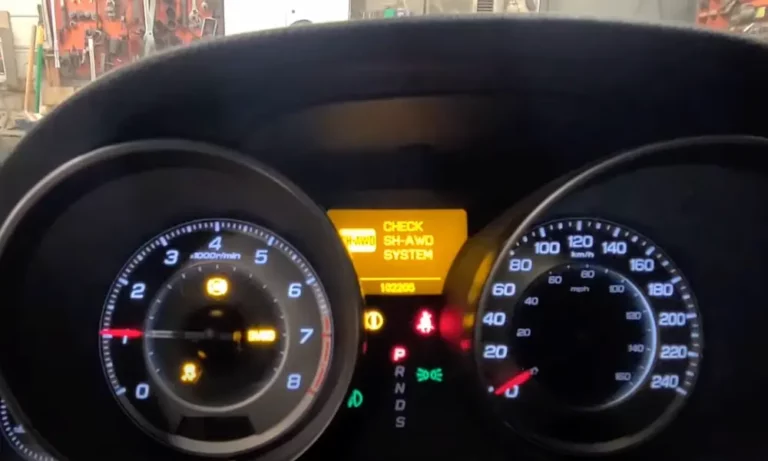
When that SH-AWD light pops up on your Acura MDX dashboard, it’s easy to feel your heart sink a little. Don’t worry—this guide will walk you through what’s happening, why it matters, and how to get your sophisticated all-wheel drive system back in working order. The SH-AWD system is one of Acura’s most advanced features, and understanding how to address warning lights can save you time, money, and stress.
What is the SH-AWD System in Your Acura MDX?
The Super Handling All-Wheel Drive (SH-AWD) system in your Acura MDX isn’t just your average all-wheel drive setup. It’s a cutting-edge system that does more than simply distribute power between the front and rear axles.
How SH-AWD Works
Your MDX’s SH-AWD system actively monitors driving conditions and can send varying amounts of power to each wheel individually. This technology uses an acceleration device that allows the rear wheels to spin about 1.7% faster than the front wheels, creating a more dynamic, rear-wheel drive feel during acceleration and cornering.
The system can shift up to 90% of the engine’s power to the rear wheels when needed, and further distribute that power between the left and right rear wheels. This torque vectoring capability significantly improves handling, especially in slippery conditions or during spirited driving.
Why SH-AWD Matters
The beauty of this system lies in its intelligence. It constantly analyzes:
- Wheel speeds
- Steering angle
- Lateral acceleration
- Yaw rate (how quickly your vehicle rotates around its vertical axis)
This continuous monitoring allows your MDX to proactively adjust power distribution before you even realize you need it. When working properly, the system creates a more stable, confident driving experience with improved traction in all conditions.
What Causes the SH-AWD Light to Come On?
When the SH-AWD light illuminates on your dashboard, it signals the system has detected a problem and has likely defaulted to front-wheel drive mode to prevent damage. Here are the most common causes:
Electrical System Issues
Electrical problems are the most frequent culprits behind SH-AWD warning lights. These include:
- Battery problems: A weak or failing battery can’t provide enough power to the system’s sensors and control modules.
- Corroded battery terminals: Especially on the positive terminal, corrosion creates resistance that disrupts power flow.
- Damaged wiring: Frayed or pinched wires in the system’s harnesses can cause intermittent failures.
- Blown fuses: Particularly in the Vehicle Stability Assist (VSA) circuit, which is interconnected with the SH-AWD system.
Many owners report that simple battery maintenance resolves their SH-AWD warnings without expensive repairs.
Sensor Malfunctions
The SH-AWD system relies heavily on input from multiple sensors, and when one fails, the entire system can shut down. Common sensor issues include:
- Wheel speed sensors: These magnetic sensors can fail due to corrosion or physical damage, preventing the system from accurately monitoring individual wheel speeds.
- Steering angle sensor: This sensor tells the system how much you’re turning the steering wheel.
- Yaw rate and lateral acceleration sensors: These monitor your vehicle’s body movements during cornering.
A faulty sensor might not show any symptoms other than triggering the warning light, making proper diagnosis essential.
Differential Temperature Issues
If your SH-AWD light is blinking rather than staying solid, or if you see a “SH-AWD Diff Temp High” message, your differential is overheating. This typically happens due to:
- Prolonged driving in demanding conditions (snow, mud, sand)
- Extended operation in stop-and-go traffic
- Low differential fluid levels
- Contaminated differential fluid
When the differential overheats, the system protects itself by temporarily disabling AWD operation until temperatures normalize.
Transmission and Engine Problems
Interestingly, SH-AWD warnings often appear alongside check engine lights or emissions system warnings. This happens because:
- The SH-AWD system monitors overall vehicle performance
- Engine misfires or transmission issues can affect power delivery
- The system will disable itself when it detects problems that could impact vehicle stability
This interconnected nature means fixing an engine or transmission issue might resolve your SH-AWD warning as well.
How to Diagnose SH-AWD Light Problems
When your MDX’s SH-AWD light comes on, a systematic approach to diagnosis can save you time and money:
Basic Troubleshooting Steps You Can Do
Start with these simple checks before heading to a mechanic:
-
Inspect battery terminals: Look for corrosion, especially on the positive terminal. Clean any corrosion with a wire brush and baking soda solution, then tighten the connections.
-
Check the VSA fusible link: This component in the engine compartment fuse box frequently causes multiple warning lights when it fails. Even if it looks intact, removing and reinstalling it might solve the problem.
-
Monitor for patterns: Does the light come on after driving in certain conditions? Does it appear with other warning lights? These patterns can help identify the root cause.
-
Battery reset: Some owners report success with disconnecting the negative battery terminal for 15-30 seconds to reset the system’s control modules.
Professional Diagnostic Tools Needed
For more complex issues, professional diagnosis becomes necessary:
-
Specialized scan tools: Generic OBD-II scanners typically can’t access SH-AWD-specific fault codes. Acura dealerships and some independent shops have Honda Diagnostic System (HDS) tools or compatible equipment that can communicate with the SH-AWD control module.
-
System-specific fault codes: The SH-AWD system uses three or four-digit codes that pinpoint specific faults:
- Codes beginning with 12 or 14: Lateral/longitudinal acceleration sensor issues
- Codes starting with 16 or 19: Steering angle sensor problems
- Code 27: Hypoid gear speed sensor issues
-
Live data analysis: Professional tools can monitor real-time sensor data while driving, allowing technicians to spot intermittent failures that might not trigger stored codes.
Understanding Diagnostic Trouble Codes
When your SH-AWD system stores fault codes, understanding them helps identify the specific component at fault. Here’s a simplified breakdown of common code categories:
| Code Range | System Component | Common Issues |
|---|---|---|
| 12xx-14xx | Acceleration Sensors | Wiring problems, sensor failure |
| 16xx-19xx | Steering Angle Sensor | Calibration errors, sensor damage |
| 27xx | Hypoid Gear Speed Sensor | Sensor failure, contamination |
| 31xx-36xx | Wheel Speed Sensors | Wiring damage, sensor corrosion |
| 50xx-54xx | Power Supply/Control Module | Battery issues, module failure |
After repairs, these codes must be cleared using appropriate diagnostic equipment, and certain sensors require relearning procedures to function correctly.
How to Fix Acura MDX SH-AWD Light Problems
Once you’ve identified the issue causing your SH-AWD light, here are the most common solutions:
Simple Fixes You Can Try First
Before spending money on major repairs, try these simpler solutions that often resolve SH-AWD warnings:
-
Battery maintenance: Clean terminals thoroughly and ensure tight connections. A weak battery is a surprisingly common cause of SH-AWD warnings.
-
VSA fusible link replacement: This relatively inexpensive part often resolves multiple warning lights simultaneously. It’s located in the engine compartment fuse box.
-
Cooling down an overheated differential: If you see the “SH-AWD Diff Temp High” message, park the vehicle and let it idle until the warning disappears. Avoid the conditions that caused the overheating.
-
System reset: After addressing the underlying issue, disconnecting the battery’s negative terminal for several minutes can reset the system modules.
-
Inspect tire condition: Ensure all four tires are the same size, brand, and have similar tread wear. Mismatched tires can confuse the SH-AWD system.
Replacing Faulty Sensors
When sensor replacement becomes necessary:
-
Wheel speed sensors: These typically mount with a single bolt on the hub assembly. Replacement usually costs $100-300 per sensor plus labor.
-
Steering angle sensor: Usually located in the steering column, this sensor might require steering wheel removal and special calibration after replacement.
-
Yaw rate and acceleration sensors: These are typically located under the center console or beneath the front seats and require careful handling during replacement.
After sensor replacement, the system usually requires a test drive and code clearing with diagnostic equipment. Some sensors also need specific memorization procedures to ensure proper calibration.
When Professional Repairs Are Necessary
Some SH-AWD issues require specialized expertise and equipment:
-
Differential repair or replacement: When the differential assembly itself fails, professional replacement is necessary. This major repair can cost $2,000-4,000 depending on the specific issue.
-
Control module replacement: If the SH-AWD control module fails, replacement requires initialization procedures that can only be performed with professional diagnostic equipment.
-
Transmission-related issues: When transmission problems trigger SH-AWD warnings, repairs can range from simple solenoid replacement to complete transmission rebuilding.
-
Complex wiring repairs: Damaged wiring harnesses often require professional diagnosis and repair, especially when multiple systems are affected.
| Repair Type | DIY Difficulty | Approximate Cost Range | Typical Repair Time |
|---|---|---|---|
| Battery Service | Easy | $0-150 | 30 minutes |
| VSA Fusible Link | Easy-Moderate | $20-50 | 30-60 minutes |
| Wheel Speed Sensor | Moderate | $150-350 | 1-2 hours |
| Steering Angle Sensor | Difficult | $300-600 | 2-4 hours |
| Differential Service | Very Difficult | $200-500 | 2-3 hours |
| Differential Replacement | Professional Only | $2,000-4,000 | 4-8 hours |
| Control Module Replacement | Professional Only | $600-1,500 | 2-4 hours |
Preventing SH-AWD System Problems
Prevention is always better than cure. Here’s how to keep your SH-AWD system running smoothly:
Regular Maintenance Practices
Implement these maintenance habits to prevent SH-AWD warnings:
-
Battery care: Have your battery tested regularly, especially before winter. Clean terminals at least twice yearly to prevent corrosion buildup.
-
Differential fluid changes: Follow Acura’s recommended schedule for differential fluid replacement—typically every 30,000 miles under normal conditions or more frequently under severe conditions.
-
Tire maintenance: Ensure proper tire inflation, rotation, and alignment. Uneven tire wear can confuse the SH-AWD system and trigger warnings.
-
Electrical system checks: Have your alternator and charging system tested annually to ensure consistent power delivery to all electronic systems.
-
Address check engine lights promptly: Since engine and transmission issues can affect SH-AWD operation, don’t ignore other warning lights.
Driving Habits That Extend System Life
Your driving style directly impacts SH-AWD system longevity:
-
Avoid excessive wheel spinning: When stuck in snow, mud, or sand, use gentle throttle application rather than aggressive acceleration that can overheat the system.
-
Gradual acceleration and deceleration: Smooth driving reduces stress on differential components.
-
Monitor system temperature: In hot weather or stop-and-go traffic, be alert for differential temperature warnings and allow cool-down periods when necessary.
-
Use climate control: Air conditioning helps manage overall vehicle temperature, reducing stress on the SH-AWD system during demanding conditions.
-
Allow warm-up time: In extremely cold weather, give your vehicle a few minutes to warm up before aggressive driving to allow fluids to reach proper operating temperature.
When Your MDX Needs Professional Help
While many SH-AWD issues can be resolved through DIY methods, certain symptoms indicate the need for immediate professional attention:
-
Multiple warning lights: When SH-AWD warnings appear alongside ABS, VSA, or engine lights, this typically indicates complex issues requiring professional diagnosis.
-
Strange noises: Grinding, whining, or clicking sounds from the differential area suggest mechanical problems that need immediate attention.
-
Reduced traction: If you notice a significant difference in handling or traction in normal driving conditions, don’t delay professional evaluation.
-
Continuously blinking SH-AWD light: This indicates persistent differential overheating that requires immediate attention to prevent damage.
-
Vehicle enters “limp mode”: If your MDX suddenly loses power or becomes limited to low speeds with the SH-AWD light on, this protective measure indicates a serious issue requiring prompt professional diagnosis.
The SH-AWD system in your Acura MDX represents sophisticated technology that enhances driving safety and performance. While warning lights can be concerning, many issues have straightforward solutions ranging from simple electrical maintenance to professional component replacement. Understanding the system’s operation and common failure modes helps you make informed decisions about repairs and maintenance, ensuring continued reliable operation of this advanced all-wheel drive technology.