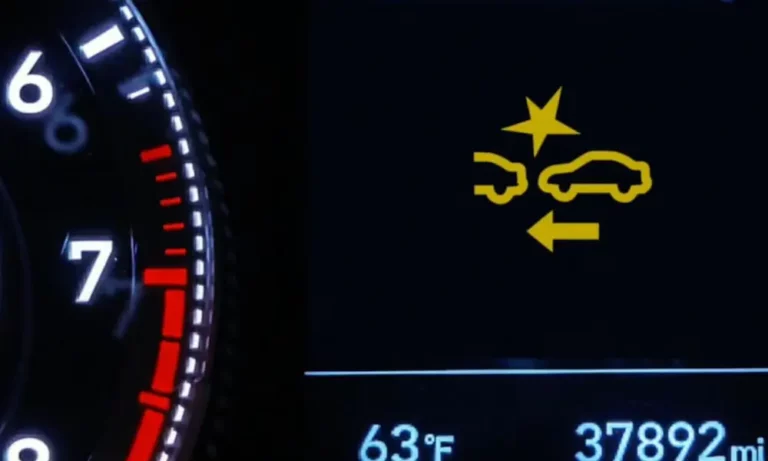
Ever been driving along when your dashboard suddenly flashes “Forward Driving Aids Temporarily Disabled”? This warning can be jarring, especially when you’re relying on those safety features. Whether you own a Nissan with ProPILOT Assist or another vehicle with advanced driver assistance systems, understanding why these systems sometimes take a break is crucial for your safety.
What Are Forward Driving Aids?
Forward driving aids are advanced safety features that help prevent accidents and make driving easier. These systems include:
- Adaptive cruise control
- Automatic emergency braking
- Lane keeping assist
- Forward collision warning
These technologies use a combination of cameras, radar sensors, and other equipment to “see” the road ahead and either warn you of potential hazards or take action automatically.
Common Causes of “Forward Driving Aids Temporarily Disabled”
Weather Conditions Blocking Sensors
Your vehicle’s sensors can’t work properly when they can’t see clearly. The most common culprits include:
- Heavy rain or snow covering radar sensors
- Dense fog reducing camera visibility
- Road spray from trucks ahead blinding your sensors
- Extreme temperatures affecting sensor performance
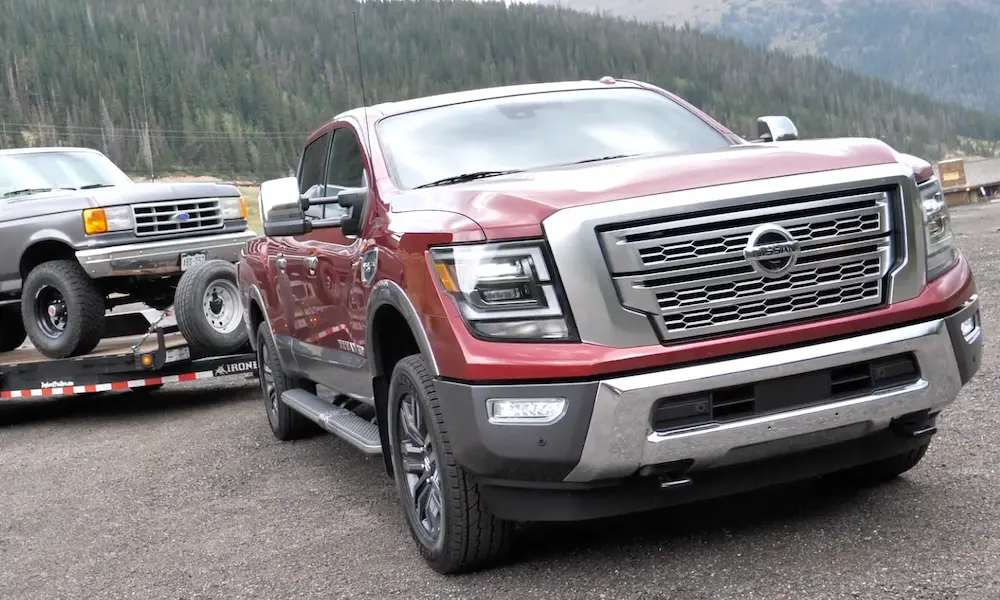
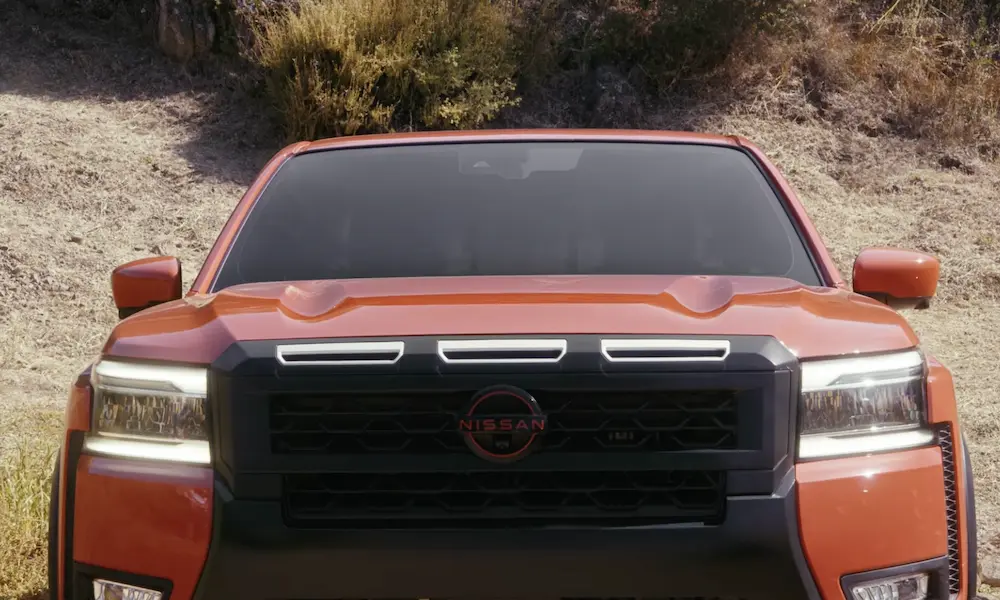
Nissan vehicles with ProPILOT Assist are particularly susceptible to weather-related deactivations, with the front radar sensor often triggering the “Temporarily Disabled Front Radar Blocked” warning during poor weather.
Physical Obstructions on Sensors
It’s not just weather that can block your sensors:
- Dirt, mud, or road salt accumulation
- Ice formation on sensor surfaces
- Bugs or debris stuck to the front camera or radar
- Snow packed into the front grille
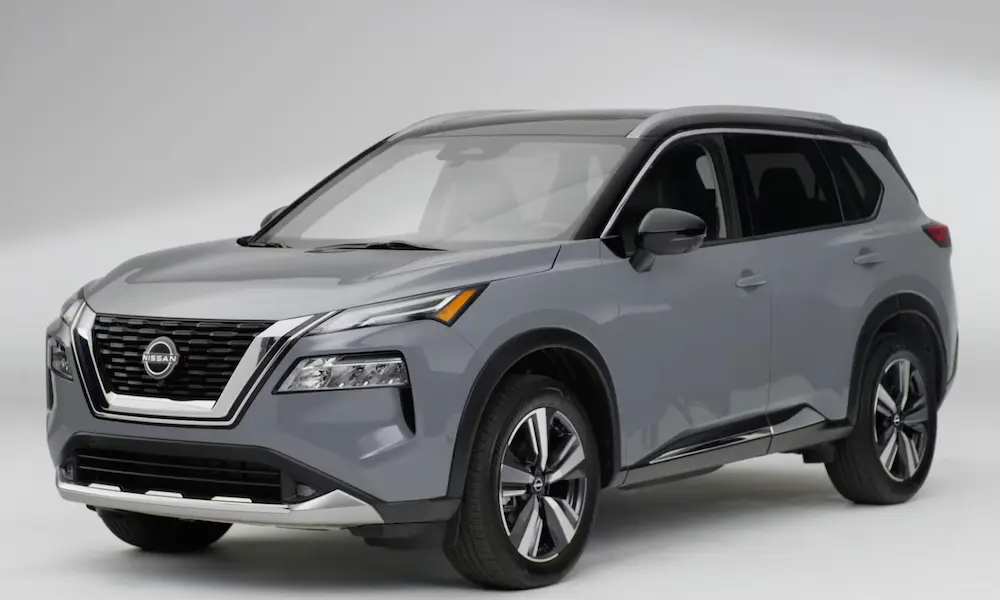
One Nissan Rogue owner reported on Reddit that repeated warnings persisted until they manually cleaned the radar module hidden behind the front emblem.
System Overheating
Modern vehicles pack sophisticated electronics that can overheat under certain conditions:
- Extended driving in very hot weather
- Parking in direct sunlight for long periods
- System working overtime due to challenging road conditions
The Nissan ARIYA’s troubleshooting guide specifically mentions that camera failures can occur due to high cabin temperatures, which commonly happen during summer parking.
Software Glitches and Calibration Issues
Sometimes the problem isn’t physical but digital:
- Software bugs in the operating system
- Sensor calibration errors after service work
- Firmware that needs updating
- Communication errors between vehicle systems
Unlike Tesla’s over-the-air updates that quickly address software issues, many manufacturers require dealership visits to resolve these problems.
How Different Car Brands Handle Forward Aid Deactivation
Nissan ProPILOT Assist
Nissan vehicles commonly display “Forward Driving Aids Temporarily Disabled” or “Temporarily Disabled Front Radar Blocked” warnings. According to the 2024 X-Trail manual, systems like Intelligent Emergency Braking and ProPILOT Assist will deactivate if the radar or camera is obstructed.
Nissan’s current approach includes:
- Foam inserts around radar modules (dealer fix)
- Manual cleaning recommendations
- System restart procedures
Tesla Autopilot
The Tesla Autopilot system uses a different approach with eight cameras and neural networks instead of relying heavily on radar. Tesla’s system tends to be more resilient in poor weather conditions but isn’t immune to deactivation.
Tesla addresses forward aid issues through:
- Frequent over-the-air software updates
- Redundant sensor systems
- Camera-based systems that can sometimes function when radar is compromised
Other Manufacturers
Brands like Volvo, Toyota, and Honda have their own challenges with forward driving aids:
- Volvo’s Pilot Assist may display “Driver Support Functions Reduced” warnings
- Toyota’s Safety Sense might show “Front Camera Unavailable” messages
- Honda Sensing could indicate “ACC/LKAS Currently Unavailable”
Impact on Vehicle Safety When Aids Are Disabled
What Features You Lose
When your forward driving aids disable, you immediately lose access to:
- Automatic emergency braking that could prevent front-end collisions
- Lane departure warnings and corrections
- Adaptive cruise control functionality
- Pedestrian detection capabilities
The National Highway Traffic Safety Administration emphasizes that these systems play a crucial role in reducing rear-end crashes and other accidents.
Safety Implications to Consider
The sudden deactivation of forward driving aids creates several safety concerns:
- Unexpected transition from assisted to manual driving
- Loss of collision prevention features without warning
- Potential distraction from warning alerts
- False sense of security if you don’t notice the warning
A 2021 Rogue owner described on Nissan Forums nearly veering off the road when the system deactivated abruptly during highway driving.
How to Resolve “Forward Driving Aids Temporarily Disabled”
Immediate Actions You Can Take
If your system deactivates while driving:
- Stay calm and maintain manual control of the vehicle
- Check your dashboard for specific error messages
- Pull over safely when possible to address simple issues
- Restart the vehicle if conditions allow (this sometimes resets the system)
Cleaning and Maintenance Solutions
Regular maintenance helps prevent many deactivation issues:
| Area to Clean | Cleaning Method | Frequency |
|---|---|---|
| Front emblem/grille (radar location) | Soft, damp cloth or low-pressure water | Weekly or after rain/snow |
| Windshield camera area | Glass cleaner, microfiber cloth | Bi-weekly |
| Headlights and sensors | Automotive soap, soft cloth | Monthly |
| Bumper sensors | Gentle wipe with damp cloth | As needed |
The 2024 Nissan ARIYA troubleshooting guide specifically recommends cleaning the windshield camera area and radar sensor to resolve these warnings.
When Dealer Intervention Is Needed
Some issues require professional attention:
- Persistent warnings that don’t resolve after cleaning
- Sensor misalignment (common after minor accidents)
- Software update requirements
- Replacement of damaged sensors
Nissan’s 2024 Qashqai manual notes that Emergency Lane Assist may deactivate due to radar misalignment, which requires professional recalibration.
Preventative Measures for Fewer Disruptions
Daily Driving Habits
Small changes to your driving routine can reduce system deactivations:
- Keep greater distance from trucks and large vehicles in wet conditions
- Avoid off-roading or muddy areas when possible
- Park in covered areas during extreme weather
- Position your vehicle to minimize direct sun exposure
Seasonal Preventative Maintenance
Different seasons require different approaches:
| Season | Recommended Actions |
|---|---|
| Winter | Apply anti-freeze rain repellent to windshield, clear snow from sensors, remove ice buildup from grille |
| Spring | Remove pollen and bugs regularly, check for water ingress after heavy rains |
| Summer | Park in shade when possible, use windshield sunshade, clean sensors more frequently |
| Fall | Clear leaves from cowl area, check sensor areas before and after driving through leaf piles |
Technological Solutions
Some aftermarket products can help protect your sensors:
- Hydrophobic coatings for camera lenses and radar covers
- Sensor covers designed to repel water while maintaining functionality
- Radar-transparent grille covers that prevent debris accumulation
Understanding the Limitations of Forward Driving Aids
What Manufacturers Tell You (But You Might Miss)
Car manufacturers include important limitations in owner’s manuals that many drivers overlook:
- Forward driving aids are supplemental systems, not replacements for attentive driving
- All systems have environmental limitations (rain, snow, fog)
- Road conditions like poor lane markings can affect performance
- These systems may not detect all objects in all situations
The NHTSA reminds drivers that advanced driver assistance systems should be considered helpers, not replacements for active driving.
The Reality of Current Technology Limitations
Despite marketing that sometimes suggests otherwise, today’s forward driving aids have significant constraints:
- Camera-based systems struggle in low-light conditions
- Radar can be confused by metallic objects or unusual road features
- Processing delays can occur in complex driving scenarios
- No current system functions perfectly in all weather conditions
This technological reality explains why manufacturers program these systems to disable temporarily rather than operate with compromised capabilities.
The Future of Forward Driving Aids
Technological Improvements on the Horizon
Next-generation systems are addressing current limitations:
- Lidar sensors that function better in poor visibility
- AI systems that better predict road conditions
- Improved camera technology with better low-light performance
- More sophisticated sensor fusion algorithms
Tesla’s neural networks demonstrate how machine learning can improve performance in challenging conditions, though even these advanced systems have limitations.
Regulatory Changes and Safety Standards
Government agencies are actively shaping the future of these technologies:
- NHTSA establishing performance standards for automated driving features
- New testing protocols for forward collision prevention systems
- Mandatory inclusion of certain safety technologies in new vehicles
- Standardized warning symbols and language across manufacturers
Conclusion
While the “Forward Driving Aids Temporarily Disabled” message can be frustrating, it represents your vehicle’s safety systems working as designed—better to temporarily disable than to function unreliably. By understanding what triggers these warnings, how to address them, and the current limitations of the technology, you can maximize the benefits of these safety features while maintaining realistic expectations.
Remember that even the most advanced forward driving aids are assistants, not autonomous systems. Your attention and driving skills remain your vehicle’s most important safety features.