Your AC is blowing warm, weak air. Your windows fog up faster than you can wipe them. Sound familiar? A clogged cabin filter is likely the problem — and fixing it takes less than 20 minutes. This guide covers every Altima generation, with exact part numbers, step-by-step instructions, and money-saving tips. Stay with us.
Why Your Cabin Air Filter Actually Matters
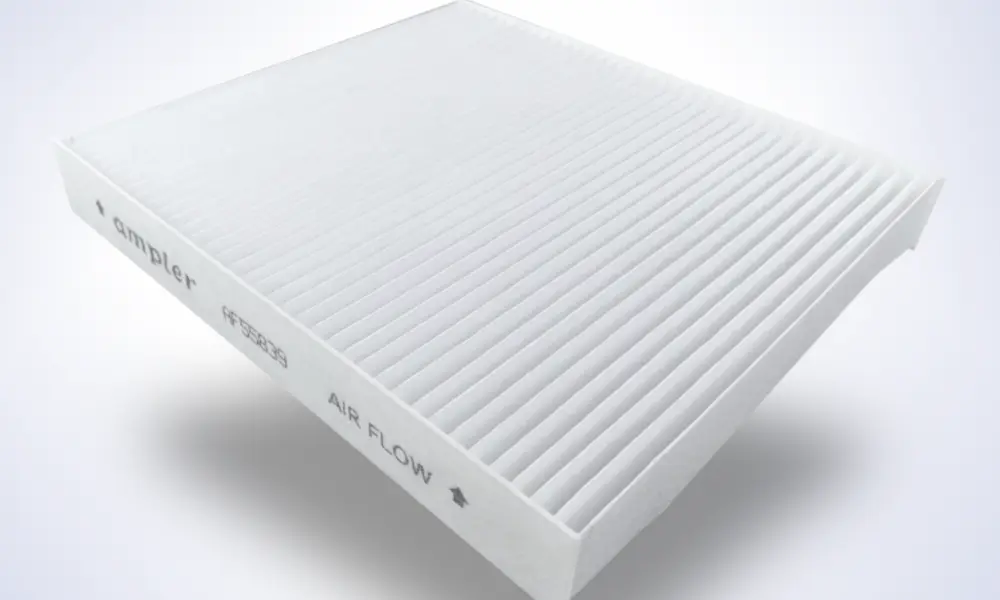
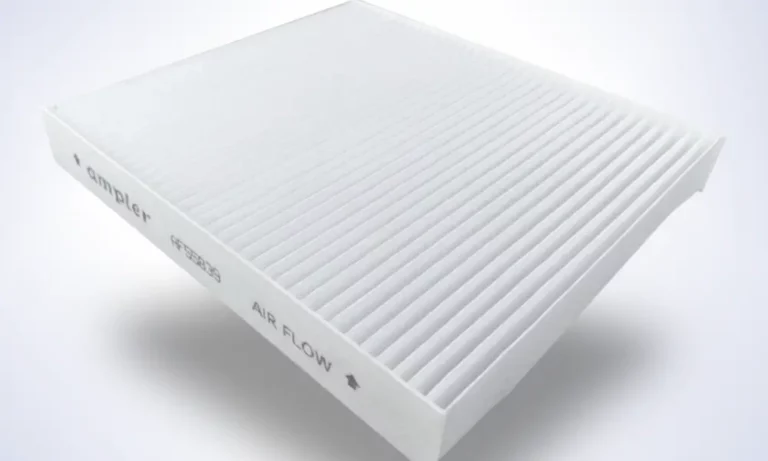
Your Nissan Altima’s cabin air filter does one job: it catches dust, pollen, mold spores, and road grime before they hit your face through the vents.
But here’s what most people miss — a clogged filter doesn’t just make the air smell bad. It starves your entire HVAC system of airflow. That triggers a chain reaction of mechanical problems that gets expensive fast.
Think of it like breathing through a pillow. Your blower motor works harder, your AC struggles to cool, and your defroster can’t keep up. What starts as a $20 filter replacement quietly becomes a $300 blower motor resistor repair.
The cabin filter sits between the outside air intake and your evaporator core. Every bit of air your HVAC moves passes through it first.
Signs Your Nissan Altima Cabin Filter Needs Replacing
Don’t wait for your dashboard to warn you — it won’t. No warning light ever illuminates for a clogged cabin filter. You’re the sensor here.
Watch for these signs:
- Weak airflow from vents, even on the highest fan setting
- Musty or stale smell when you turn on the AC or heat
- Windows fog up slowly or re-fog shortly after clearing
- Loud whistling or rushing noise from behind the glove box
- AC takes forever to cool the cabin down
That musty smell deserves special attention. A heavily soiled filter traps moisture alongside organic debris. In humid conditions, mold and bacteria colonize the filter media and eventually spread to the evaporator core. Once mold sets up camp on the evaporator fins, swapping the filter alone won’t kill the smell. You’ll need chemical cleaning too (more on that below).
What Happens When You Ignore It Too Long
Here’s the real cost of skipping this maintenance.
Blower motor resistor failure. Engineers mount the resistor inside the HVAC ductwork so passing airflow keeps it cool. Choke off that airflow with a clogged filter, and the resistor overheats. When it fails, your fan either works only on max speed or stops entirely. Replacing it adds $100–$200 to what should’ve been a quick swap.
Debris in the blower motor. Pull a packed filter out carelessly and leaves, pine needles, or acorns tumble straight into the squirrel cage fan. Turn the fan on and you’ll hear a violent rattling. Getting debris out can mean removing the entire blower motor from the footwell — a labor-heavy job.
Mold on the evaporator core. Restricted airflow prevents the evaporator from drying after use. Mold colonizes the aluminum fins. No cabin filter, no matter how premium, can mask an active mold colony sitting downstream in the ductwork.
Choosing the Right Filter Type for Your Altima
Not all cabin filters are equal. Here’s a quick breakdown:
| Filter Type | Best For | Price Range | Notes |
|---|---|---|---|
| Standard Particulate | Rural/dry environments, low pollution | $10–$20 | Great airflow, minimal blower strain |
| Activated Carbon | Urban commuters, highway driving, wildfire regions | $20–$40 | Traps odors and VOCs, not just particles |
| HEPA-Grade | Severe allergy/asthma sufferers | $30–$60 | Restricts airflow — monitor defroster performance |
| Washable/Reusable | Budget-conscious, eco-focused drivers | $30–$50 | Must be bone dry before reinstalling |
One overlooked detail: frame rigidity matters. Certain Altima generations require you to force the filter upward or into a tight slot. A flimsy frame buckles on insertion, leaving gaps where unfiltered air and debris bypass the media entirely and fall into the blower fan. Always choose a filter with a reinforced plastic or rigid cardboard perimeter.
Cabin Air Filter Part Numbers by Altima Generation
Before you buy anything, confirm your model year and engine. The 2019–2026 Altima uses different filters depending on whether you have the 2.5L or the 2.0L VC-Turbo. They’re not interchangeable.
| Altima Generation | Model Years | OEM Part Number | Fram | WIX / STP |
|---|---|---|---|---|
| Third Gen (L31) | 2002–2006 | 27277-4M400 | CF10140 | WP10140 / CAF1792 |
| Fourth Gen (L32) | 2007–2012 | 27277-JA00A | CF11173 | WP10064 / CAF1848P |
| Fifth Gen (L33) | 2013–2018 | 27277-3JC1A | CF11776 | WP10142 / CAF1903P |
| Sixth Gen (L34) 2.5L | 2019–2026 | 27277-5NA1A | CF12312 | WP10447 / CAF15027C |
| Sixth Gen (L34) 2.0T | 2019–2026 | 277-6CA1A | CF12552 | WP10552 / CAF15052 |
Step-by-Step Nissan Altima Cabin Filter Replacement by Generation
2002–2006 Altima (L31): Remove the Glove Box
This generation requires full glove box removal. It sounds intimidating — it’s not.
What you need: Phillips-head screwdriver, 10 minutes
- Open the glove box and locate screws along the top and bottom edges
- Remove all screws and carefully pull the assembly toward the passenger seat
- Unplug the glove box light wiring harness before setting it aside
- Find the rectangular HVAC access door on the firewall — pry open the friction clips
- Slide the old filter straight out toward the rear
- Insert the new filter, close the access door, and reassemble in reverse
Watch a full walkthrough for the 2002–2006 Altima here.
2007–2012 Altima (L32): The Infamous “Squeeze and Shove”
Fair warning: this is the generation mechanics love to hate. The filter opening is noticeably smaller than the filter itself. That’s not a mistake — that’s Nissan’s design choice.
What you need: Flat pry tool, patience, possibly pliers
- Remove the plastic kick panel trim on the passenger side footwell
- Locate the small vertical access door at the rear of the center console
- Press the locking tab to release the door
- Grip the old filter with pliers if needed — it won’t slide out cleanly
- Fold the new filter accordion-style to squeeze it through the narrow slot
- Once inside, it springs back into shape — verify it’s fully expanded before closing
Critical note: Only use a semi-rigid or flexible-framed filter for this generation. A rigid plastic frame cannot be compressed and will not fit. If the filter doesn’t fully expand inside, unfiltered air bypasses the media entirely.
2013–2018 Altima (L33): The Easy One
Nissan listened to the complaints and redesigned the access. No glove box removal needed.
What you need: Just your hands, 5 minutes
- Reach under the dashboard on the passenger side
- Pull down firmly on the lower instrument panel trim cover — friction clips release with a tug
- Look up into the dashboard cavity and find the white plastic filter cover
- Push the retaining tab and swing the cover away
- Pull the filter straight down and out
- Slide the new filter straight up — arrows pointing in the correct flow direction
- Snap the cover back, press the trim panel back into place
Use a rigid-framed filter for this generation. The vertical insertion path means a floppy frame will buckle or droop mid-install.
2019–2026 Altima (L34): Back to Glove Box Removal
The current generation returned to a glove-box-removal design. Engineers traded maintenance convenience for better NVH and interior structure.
What you need: Phillips #00 screwdriver, plastic pry tool
- Park on a flat surface, kill the engine, empty the glove box completely
- Remove the outer dashboard side trim panel using a non-marring plastic pry tool
- Open the glove box and remove 3 Phillips screws along the upper interior edge
- Remove 2 more screws near the bottom hinges in the footwell
- Pull the glove box assembly away from the dashboard
- Unplug the glove box light harness (or twist the bulb housing counterclockwise to remove it)
- Pinch the tabs on both sides of the HVAC filter cover and pull it off
- Slide the old filter straight out horizontally
- Insert the new filter, snap the cover back until it clicks, and reassemble in reverse
Getting the Airflow Direction Right
Every cabin filter has an arrow printed on the frame. That arrow shows the direction air travels through the filter — not which side faces up.
In the Altima, air pulls from the upper cowl and moves downward toward the blower motor and evaporator. So the arrows should generally point down toward the floor or rearward, depending on your generation’s housing geometry.
Install it backward and here’s what happens:
- The dense exit-side media faces incoming air first
- Large debris clogs it almost immediately, slashing filter lifespan
- Pleat structure collapses under reversed air pressure
- You’ll hear a high-pitched whistling from the vents
It takes two extra seconds to check. Check it.
How Often Should You Replace the Cabin Air Filter?
Nissan officially recommends every 15,000 miles or 18 months under normal driving conditions.
Tighten that to every 10,000–12,000 miles if you regularly drive:
- On dusty unpaved roads
- In heavy urban traffic or high-smog areas
- Through heavy pollen seasons
- In regions prone to wildfire smoke
Don’t rely on visual inspection alone. A filter that looks only slightly gray may still be saturated with microscopic pollen that dramatically cuts airflow. If your vents feel weak before the mileage interval hits, replace it early.
DIY vs. Dealership: What You’ll Actually Pay
The math here is simple.
A dealership charges $75–$150 for a cabin air filter replacement. Labor guides put the job at 0.2–0.5 hours. With shop rates running $100–$180/hour, that’s $40–$80 in labor alone — plus a marked-up filter.
A quality aftermarket filter costs $15–$40 at any auto parts store. The only tool most generations need is a Phillips screwdriver.
Over a vehicle’s lifetime — roughly 10 filter replacements — DIY saves you over $1,000 compared to dealership pricing. That’s not a small number.
Cleaning a Mold-Contaminated Evaporator Core
If your Altima still smells musty after a fresh filter install, the mold is on the evaporator. The filter can’t fix that.
Here’s the remediation process mechanics use:
- Remove the old cabin filter
- Temporarily reseal the access door to close the system
- Locate the rubber AC condensate drain tube near the passenger-side transmission tunnel
- Disconnect the drain tube from the floorboard
- Insert the nozzle of a foam evaporator cleaner (like Kool-It) up through the drain tube
- Inject the full can — the expanding foam presses into the evaporator fins, breaking down mold and bacteria
- Wait 20–30 minutes as the foam liquefies and drains out with the contaminants
- Reconnect the drain tube, install the new filter, and run the HVAC on max heat with fresh air for 10 minutes to fully dry the ductwork
This exact technique is used by Nissan forum members and DIYers with consistent success.
Frequently Asked Questions
Does a clogged cabin filter hurt fuel economy or engine performance?
No. The cabin filter only affects the HVAC system, not the engine. The engine air filter is a separate component under the hood. A clogged cabin filter forces the AC compressor to run longer, creating marginal serpentine belt drag, but it doesn’t directly reduce your MPGs or horsepower.
Can you vacuum or blow out a cabin filter to reuse it?
Don’t. Blasting a disposable filter with compressed air physically tears the electrostatically charged fibers that trap fine particles. Water destroys paper-cellulose pleats on contact. Unless you have a specifically marketed washable filter like those made by K&N, throw it out and replace it.
Does air recirculation mode bypass the cabin filter?
No. When you hit the recirculation button, the system pulls air from inside the cabin instead of outside. That internal air still passes through the cabin filter before reaching the blower and evaporator. Your filter collects cabin dust, skin cells, and fabric fibers in recirculation mode — it still needs regular replacement.
Will a warning light tell you when the filter is clogged?
Never. The Altima’s HVAC system has no differential pressure sensors across the cabin filter. Your dashboard is completely blind to its condition. Weak airflow, bad smells, and slow defroster response are your only warnings.
Do Nissan Altima Hybrid models need a different filter?
No. The fourth-generation (2007–2012) Altima Hybrid uses the exact same filter, part numbers, and replacement procedure as the standard 2.5L and 3.5L gas models from that generation.
Can you cut a home furnace filter to fit the Altima’s housing?
Don’t do this. Residential filters have no rigid perimeter frame. Without a structured frame, a cut filter buckles, folds, or gets sucked into the blower motor on the first bump. Automotive filters are also built to handle the humidity and rapid temperature swings inside a dashboard — residential filters simply aren’t designed for that environment.