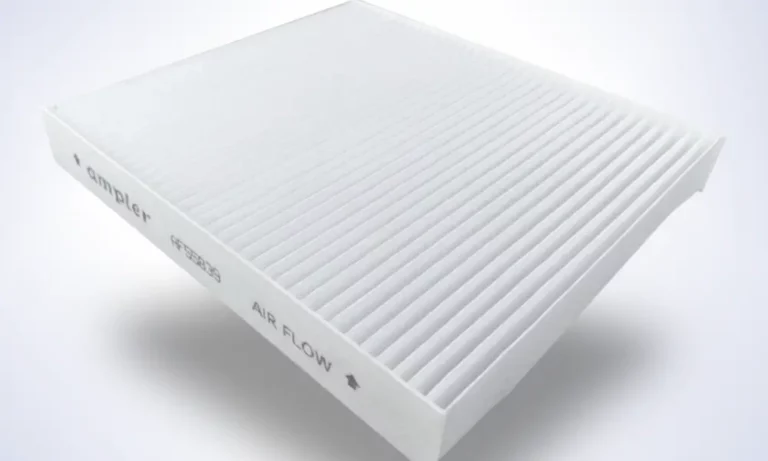
Breathing recycled highway smog inside your Nissan isn’t exactly the commute upgrade you deserve. A clogged cabin air filter quietly ruins your airflow, stinks up your interior, and costs you nothing to fix yourself. This guide covers everything — symptoms, model-specific access, correct installation, and real cost comparisons. Stick around, because the arrow direction section alone could save your filter from day one.
What Does a Nissan Cabin Air Filter Actually Do?
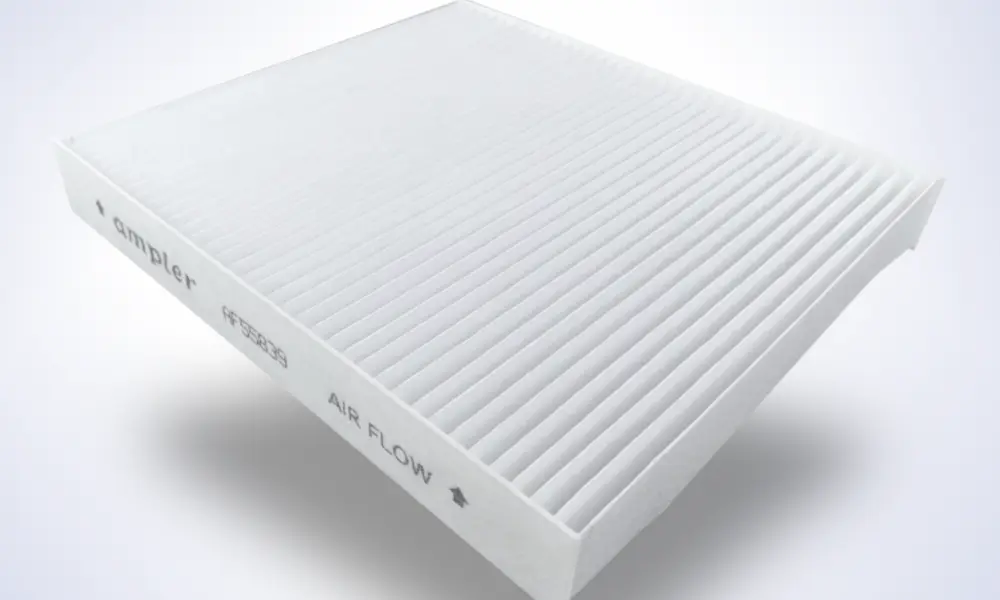
Think of it as a bouncer for your dashboard vents. Every time your climate control runs, air gets pulled through a pleated filter before it reaches you. That filter catches up to 90% of dust, pollen, and spores before they reach the passenger compartment.
Standard filters use tightly pleated synthetic fibers. Premium versions add an activated carbon layer that traps exhaust fumes and odors. If you drive in heavy city traffic or have allergies, the activated carbon upgrade is genuinely worth it.
The filter also protects your evaporator core — the aluminum component that chills your AC air. Without a functioning filter, debris and moisture combine into an insulative sludge on the evaporator. That sludge breeds mold and mildew, creating that signature musty smell that haunts so many Nissan owners.
Signs Your Nissan Cabin Air Filter Needs Replacing
Don’t wait for a mileage reminder. Your Nissan will tell you when it’s time.
| Symptom | What’s Causing It |
|---|---|
| Weak airflow even on max fan | Filter media is fully clogged, blocking the blower |
| Whistling from the footwell | Air forcing through tiny gaps in the housing seal |
| Musty smell on startup | Mold or organic decay trapped in the filter pleats |
| Foggy windshield that won’t clear | Reduced airflow can’t push enough dry air to the defroster |
| Dark gray or debris-filled filter | Visual confirmation it’s maxed out |
A visual check tells the story fast. A new filter looks stark white or uniform light gray. A done filter looks like it swept a parking lot.
How Often Should You Replace Your Nissan Cabin Air Filter?
The factory recommendation for most Nissans sits at every 15,000 to 30,000 miles. That’s roughly once every 12 to 24 months for average drivers. But your environment changes everything.
Replace more often if you:
- Drive frequently on dirt or unpaved roads
- Live in the American Southwest where dust storms hit seasonally
- Park under trees regularly — leaves and pine needles clog filters fast
- Deal with severe pollen seasons in the Southeast or Northeast
- Spend significant time idling in urban traffic
Urban drivers face a specific problem: exhaust soot and tire particulates saturate the activated carbon layer long before the physical filter looks dirty. Once the carbon maxes out, raw street smells flow straight into your cabin regardless of how new the filter looks.
Finding Your Filter: Nissan Model-by-Model Access Guide
Here’s the frustrating truth — Nissan doesn’t make filter access consistent across models. Here’s what you’re dealing with:
The Easy Models: Drop the Glovebox
The Sentra (2020–2025), Rogue (2021–2024), and Kicks use a simple glovebox inversion method. No tools required.
- Open the glovebox and empty it completely
- Find the small dampener arm on the right side — slide it off its peg
- Squeeze both sides of the glovebox inward
- Let it drop completely toward the floorboard
- The rectangular filter housing cover appears directly behind it
- Press the locking tab and swing the cover open
- Slide out the old filter slowly
The Medium Models: Full Glovebox Removal
The Altima (2019–2024) needs more work. Dropping the door isn’t enough — you’re removing the entire glovebox assembly.
- Remove screws along the bottom footwell edge and top interior edge
- Pry away the side trim panels carefully with a non-marring tool
- Disconnect the glovebox light wiring harness before pulling it free
- Pull the entire glovebox unit out
- Now you can access the filter housing
Check the 2021 Altima tutorial for a visual walkthrough if you want to see exactly where those screws hide.
The Awkward Models: Footwell Access
The Nissan Leaf and older Altima generations feature a filter slot you access from underneath the dashboard. You’re essentially lying sideways in the passenger seat or kneeling outside the car, craning upward into the dark footwell.
The Reddit community called it out directly — and for good reason. The access slot is narrower than the filter itself. You have to fold or pinch the filter to get it through, then hope it expands back into proper shape. If it doesn’t seat correctly, unfiltered air bypasses the media entirely.
Good lighting and patience are non-negotiable here.
Compatible Models at a Glance
| Brand | Model | Compatible Years |
|---|---|---|
| Nissan | Altima | 2019–2024 |
| Nissan | Rogue | 2021–2024 |
| Nissan | Pathfinder | 2022–2024 |
| Nissan | Sentra | 2020–2025 |
| Nissan | Versa | 2021–2024 |
| Nissan | Kicks | 2018–2024 |
| Infiniti | QX50 | 2019–2024 |
| Infiniti | QX55 | 2022–2024 |
| Infiniti | QX60 | 2022–2024 |
The Arrow Direction Problem (And Why It Matters)
This is the most misunderstood part of Nissan cabin air filter replacement. Installing the filter backward isn’t harmless — it actively wrecks performance and can damage the filter within weeks.
Here’s the confusing part: Nissan OEM filters print an arrow meaning “this side points UP.” It’s a positional indicator.
Aftermarket filters print an arrow meaning “air flows this direction.” That’s an aerodynamic indicator.
Because air in most Nissan climate systems flows downward through the housing — from the cowl intake toward the floor — these arrows point in opposite directions for the same correct installation.
The rule:
- OEM Nissan filter → arrow points up
- Aftermarket filter → arrow points down
Why does this matter so much? Premium filters aren’t uniform blocks — they’re layered with purpose. The upstream face handles large debris. The middle layers catch microscopic particles. The downstream face has structural reinforcement to prevent the blower from collapsing the filter inward.
Flip it backward and the fine middle layer clogs with large debris within weeks. Worse, without structural backing on the high-pressure side, the filter deforms and air bypasses it entirely through the gaps.
What It Actually Costs: DIY vs. Dealership
| Option | Filter Cost | Labor | Total |
|---|---|---|---|
| DIY — Standard filter | $7–$12 | $0 | $7–$12 |
| DIY — Premium activated carbon | $18–$25 | $0 | $18–$25 |
| Dealership service | ~$57 | $56–$82 | $113–$139 |
RepairPal’s estimate confirms dealership costs regularly exceed $100 for this job. You can source quality filters on eBay for as low as $3–$12 or pick up premium options through Parts Geek in the $18–$25 range.
The dealership adds value through the surrounding inspection and guaranteed OEM fitment. But the actual filter swap? That’s a 15-minute job on most models.
Fixing Weird Issues After Replacement
New whistling noise from the footwell?
The filter housing cover isn’t fully snapped shut. Remove the glovebox again, make sure the filter sits fully back in the housing, and press the cover firmly until you hear a click from both sides.
Smell persists after installing a new filter?
The problem isn’t the filter — it’s your evaporator drain tube. A blocked drain lets condensation pool under the dashboard, feeding mold directly on the evaporator core. Clear the drain from underneath the vehicle with compressed air or a thin wire.
Dashboard rattling after reassembly?
The glovebox hinge pins didn’t seat properly. The lower pivot points need to snap over the retaining rods before you close the upper latch. Take it apart and seat the bottom hinges first.
FAQs About Nissan Cabin Air Filter Replacement
Does driving with windows down protect the filter?
Not entirely. Even with the fan off, aerodynamic pressure at highway speeds forces air through the cowl intake and against the filter media. Your filter degrades just from driving, fan or no fan.
Can you clean and reuse a Nissan cabin air filter?
No. Water destroys the synthetic pleats. Compressed air clears surface leaves but leaves microscopic pores permanently clogged. Activated carbon loses adsorption capacity permanently once saturated. Replacement is the only fix.
Will DIY replacement void your Nissan warranty?
No. The Magnuson-Moss Warranty Act protects you. Nissan can’t void your warranty for performing routine maintenance with an aftermarket part. Just don’t break anything during installation — that damage won’t be covered.
Can a clogged filter cause windshield fogging?
Yes — and it’s a real safety hazard in winter. Your defroster needs strong airflow to clear the glass. A saturated filter starves the defroster vents. If your windshield fogs persistently during cold weather, check the cabin filter first before anything else.
How do you dispose of an old cabin air filter?
Toss it in regular household trash. Standard filters contain synthetic fibers, paper, and trapped dirt — no toxic fluids or heavy metals. Don’t put them in recycling bins, as the mixed materials contaminate the recycling stream.
What’s the difference between a standard and activated carbon filter?
Standard filters handle dust, pollen, and spores mechanically. Activated carbon filters add a chemical layer that traps exhaust gases, volatile organic compounds, and odors. If you commute in traffic or live near industrial areas, the carbon upgrade is worth the extra $10–$15.