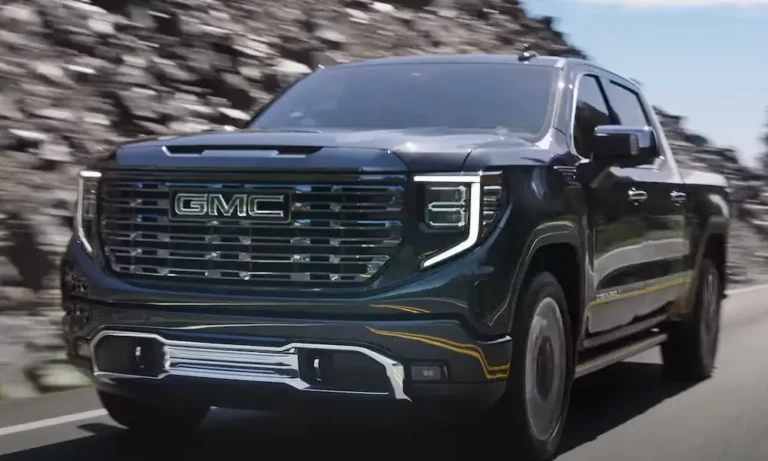
Your GMC truck with a 6.2L engine might be making weird ticking sounds or shaking. You’re not alone – many owners face these issues. GM has identified that some 6.2L V8 L87 engines were manufactured with oversized lifter bores, leading to potential failures.
These problems can show up even in newer models with low mileage. Some trucks have shown issues with lifters failing at just 740 miles. The good news? You can fix this issue, and we’ll show you what to watch for and what steps to take to protect your investment.
Understanding the 6.2L V8 Engine
GM’s 6.2L V8 engine delivers powerful performance through advanced engineering and sophisticated valve control systems. You’ll find this engine in premium GM trucks and SUVs, where it stands out for its impressive power output and modern features.
Specifications and Design
The 6.2L V8 L87 engine produces up to 420 horsepower and 460 lb-ft of torque. This direct-injected powerplant uses aluminum construction to save weight.
You’ll notice several key design features that make this engine special:
- Dynamic Fuel Management (DFM) system
- Direct fuel injection technology
- Variable valve timing
- All-aluminum construction
The engine block features deep-skirt design for added strength. Your L87 engine comes with forged steel connecting rods and a sturdy cast crankshaft.
The Role of Lifters
Lifters play a crucial job in your engine’s valve operation. They transfer cam motion to the valves, controlling when fuel enters and exhaust exits the cylinders.
Recent investigations have found issues with lifter bores in some L87 engines. Some 2023 models showed oversized lifter bores that required engine replacement.
Your engine uses hydraulic lifters that help maintain proper valve clearance automatically. These work with the DFM system to deactivate cylinders when full power isn’t needed.
6.2L V8 L87 vs 5.3L V8 L84
The 6.2L V8 offers more power than its smaller 5.3L V8 L84 sibling. Here’s what you get with each:
6.2L L87:
- 420 horsepower
- 460 lb-ft torque
- Premium fuel recommended
5.3L L84:
- 355 horsepower
- 383 lb-ft torque
- Regular fuel acceptable
You’ll feel the extra power of the 6.2L most during towing and acceleration. The 5.3L provides good power for most tasks while using less fuel.
Common Lifter Issues in 6.2L Engines
The GM 6.2L V8 engine has experienced recurring problems with its lifter system, with many owners reporting failures as early as 740 miles.
Symptoms of Lifter Failures
Your first sign of lifter problems might be a strange ticking noise from the engine. This noise often gets louder when the engine is cold.
You may notice your truck starts to shudder or run rough, especially at idle. Engine misfires are another common warning sign.
Your check engine light might come on, and your truck’s performance could drop significantly. Some drivers report a loss of power or hesitation during acceleration.
Causes of Lifter Problems
The main issue stems from oversized lifter bores in some engine blocks. This manufacturing variation can lead to premature wear.
Regular oil changes don’t always prevent these failures. Even well-maintained trucks have experienced lifter failures before warranty expiration.
The Dynamic Fuel Management system can sometimes contribute to lifter wear due to its cylinder deactivation function.
Diagnosing Lifter Failures
Listen for distinctive ticking or tapping sounds, especially when starting your engine cold. These noises often indicate lifter problems.
A professional diagnostic scan can reveal specific cylinder misfires related to failed lifters.
Your mechanic might perform a compression test to check for valve-related issues caused by bad lifters.
Warning Signs to Watch For:
- Ticking noises from engine
- Rough idle or shuddering
- Check engine light
- Loss of power
- Engine misfires
Active Fuel Management and Dynamic Fuel Management Systems
GM’s cylinder deactivation systems help save fuel, but they can affect engine reliability. These systems are a common source of lifter problems in many GMC 6.2L engines.
Overview of AFM and DFM Systems
Active Fuel Management (AFM) shuts off specific cylinders when you don’t need full engine power. The system typically disables four cylinders during light driving conditions.
Dynamic Fuel Management (DFM) is GM’s newer, more advanced system. Instead of switching between just two modes like AFM, DFM can create 17 different cylinder patterns based on your driving needs.
Both systems work by stopping the valve lifters from moving in certain cylinders. When this happens, those cylinders don’t use fuel, which helps you save money at the gas pump.
Impact on Lifter Reliability
Lifter failures are common in engines with these fuel management systems. You might notice ticking sounds, rough idle, or check engine lights when lifters start to fail.
The constant switching between active and inactive modes can wear out lifter components faster than in engines without these systems.
Many GMC owners report problems between 50,000 and 100,000 miles. Class action lawsuits have been filed due to widespread lifter issues in vehicles with AFM and DFM.
Modifications and Deactivation
You can install AFM or DFM deactivation devices to prevent lifter problems. These devices trick the system into staying in eight-cylinder mode all the time.
Popular options include:
- Range AFM/DFM Disabler
- Pulsar LT
- DiabloSport tuners
Keep in mind that disabling these systems will increase fuel consumption. Your warranty might also be affected if you choose to modify the factory setup.
Many shops now specialize in AFM/DFM deletion services. They can remove the system completely if you want a permanent solution.
Maintenance and Prevention Strategies
Taking care of your GMC 6.2L engine requires specific attention to prevent lifter problems and maintain optimal performance. Regular inspections and proper maintenance can help catch issues early.
Regular Maintenance Schedule
Change your oil every 5,000 miles using the recommended synthetic oil grade for your specific engine model. This helps protect the lifters and other vital components.
Keep detailed records of all maintenance work. Track any unusual sounds or performance changes between service intervals.
Schedule professional inspections every 15,000 miles to check for early signs of lifter wear. Have your mechanic perform compression tests and listen for ticking sounds.
Proactive Measures
Use high-quality fuel from reputable stations. Premium fuel helps prevent carbon buildup that can affect lifter performance.
Let your engine warm up for 30-60 seconds before driving, especially in cold weather. This allows oil to properly circulate through the lifter system.
Pay attention to any ticking sounds, especially during cold starts. If you notice unusual noises, don’t wait – get them checked immediately.
Lifter Replacement Options
When lifter problems occur, you have several repair choices. Complete engine replacement might be necessary in severe cases, especially for 2023 models with oversized lifter bores.
Consider aftermarket lifter upgrades from reputable manufacturers. These can offer better durability than stock parts.
Working with certified GM dealers provides access to warranty coverage on replacement parts. Many dealers offer 3-year/100,000-mile warranties on major repairs.
Always choose certified technicians familiar with GMC 6.2L engines for any lifter work.
Warranty and Manufacturer Support
GM takes lifter issues seriously and provides warranty coverage and technical support to help protect vehicle owners.
Understanding Your Warranty Coverage
Your new GMC truck with a 6.2L engine comes with a standard powertrain warranty that covers engine failures and lifter problems for 5 years or 60,000 miles.
The warranty covers parts and labor for repairs related to defective lifters, including complete engine replacement if needed.
Some dealers offer extended warranty options that can provide coverage up to 100,000 miles. This extra protection is worth considering given the known lifter issues.
Technical Service Bulletins (TSB)
GM has issued several TSBs to help dealers diagnose and fix lifter-related problems. The most recent bulletin addresses oversized lifter bores in 2023 models.
Dealers now have specific diagnostic procedures to check for lifter issues during service visits.
If problems are found, GM authorizes dealers to replace affected components or entire engines when necessary.
Dealing With Out-of-Warranty Issues
After warranty expiration, you have several options for handling lifter problems. Some dealers offer repair warranties of up to 3 years/100,000 miles on replacement engines.
Independent shops may provide more affordable repair options, but make sure they use genuine GM parts.
Consider purchasing an extended warranty before your factory coverage expires to protect against future issues.
Regular maintenance and oil changes using the required 0W-20 oil can help prevent lifter problems.
Impact on Vehicle Models
GM’s lifter problems affect multiple truck and SUV models equipped with the 6.2L V8 engine, causing drivers significant stress and repair needs.
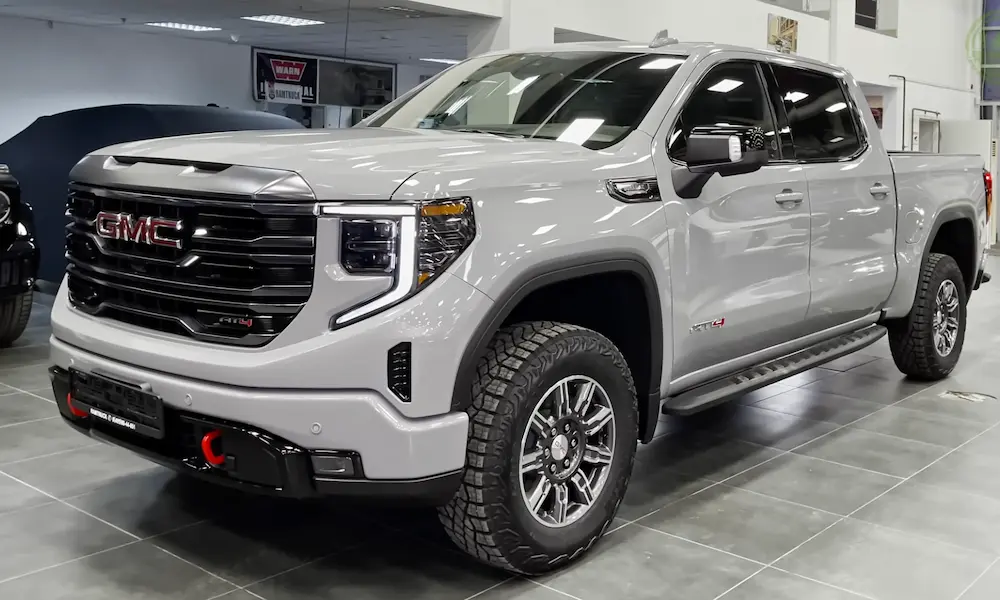
GMC Sierra and Sierra 1500
Your GMC Sierra might face serious lifter issues if equipped with the 6.2L engine. Many owners report problems starting as early as 6,000 miles.
The 2020 Sierra AT4 owners have seen lifter failures even before warranty expiration. In some cases, the broken lifters damage the camshaft, making repairs more complex.
These problems affect both new and recent model years. The 2023 Sierra 1500s have been hit particularly hard, with some trucks needing complete engine replacements.
Chevrolet Silverado and Silverado 1500
Your Silverado with the 6.2L engine faces similar challenges. Engine replacements have become necessary in many 2023 models due to oversized lifter bores.
The issue spans across different trim levels. If you’re driving a 2019 or newer Silverado with the 6.2L V8, keep an eye out for rough running or ticking sounds.
SUVs: Tahoe, Suburban, Yukon, and Escalade
Large SUV owners aren’t immune to these problems. The Yukon has documented cases of lifter failures requiring complete replacements.
Your Tahoe, Suburban, or Escalade with the 6.2L engine might experience similar issues. Many owners report rough running and performance problems.
These SUVs often need extended repair times. Some repairs take up to two months to complete due to parts availability and repair complexity.