Walmart oil changes start at $28.88 — but your final bill depends on your car, your oil type, and a few fees most people don’t see coming. This post breaks down every package, what’s included, and how to get the best deal without any surprises at the register.
Walmart Oil Change Prices at a Glance
Here’s the full oil change service menu with current pricing:
| Service Package | Starting Price | Oil Type | Quarts Included |
|---|---|---|---|
| Pit Crew | $28.88 | Conventional | 5 |
| Standard | $36.88 | Featured Conventional | 5 |
| High Mileage | $46.88 | High Mileage Featured | 5 |
| Synthetic Blend | $46.88 | Quaker State Synthetic | 5 |
| Full Synthetic | $58.88 | Full Synthetic | 5 |
| Premium Synthetic | $64.88 | Premium Synthetic | 5 |
| Diesel | $52.88 | Heavy Duty Conventional | 5 |
All packages cover up to five quarts, which fits most sedans and small SUVs. Trucks and larger vehicles often need more — and that’s where extra costs come in (more on that below).
What Each Package Actually Includes
Pit Crew — $28.88
This is the bare-bones option. You get:
- Up to 5 quarts of conventional oil
- New oil filter
- Battery performance check
- Tire pressure adjustment
- Chassis lubrication (where the vehicle allows it)
It’s fast and cheap. But it skips most of the inspection items that make the next tier worth considering.
Standard — $36.88
For $8 more, you get everything in the Pit Crew plus a solid list of extras:
- Windshield wash (exterior)
- Interior vacuum
- Transmission fluid check
- Washer fluid top-off
- Power steering fluid check
- Differential fluid check
- Air filter visual check
- Wiper blade visual check
- Light system visual check
That’s basically a mini inspection. If you don’t pop your hood between oil changes, this package catches small problems before they turn expensive.
High Mileage — $46.88
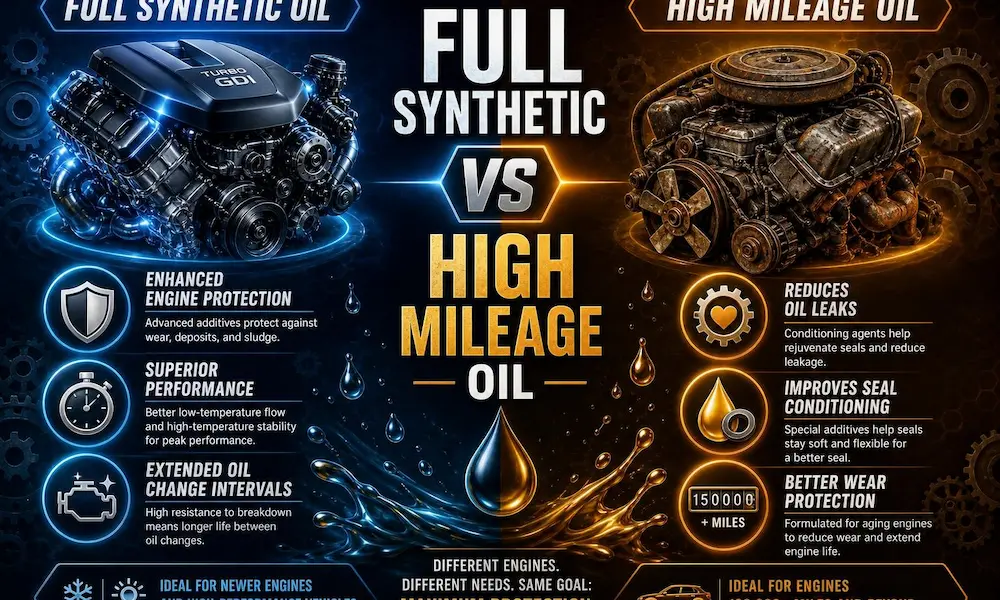
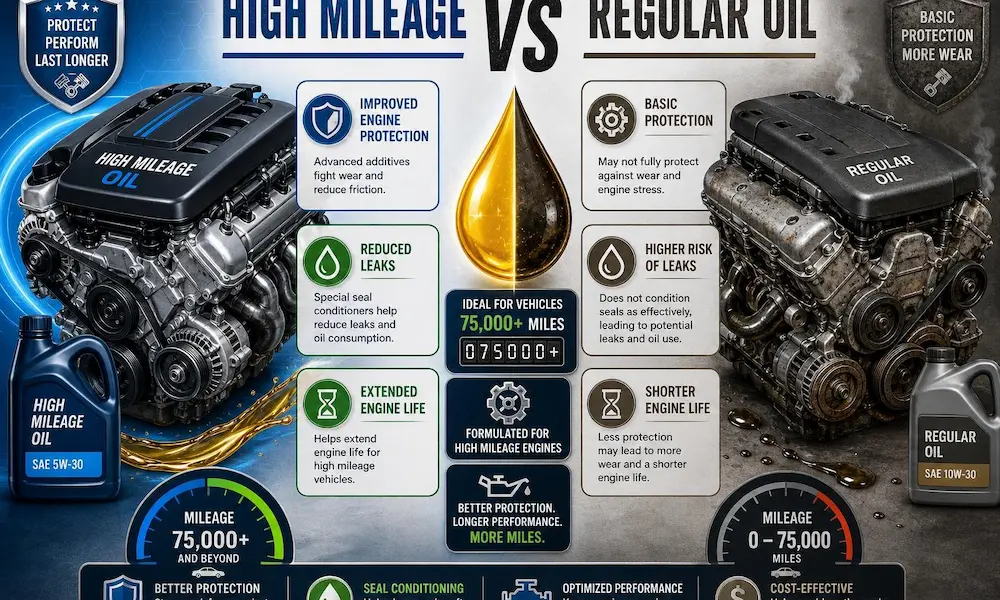
Got over 75,000 miles on the clock? This one’s built for you. The high mileage formulation contains seal conditioners that help aging gaskets hold up and reduce the oil burn-off common in older engines.
Synthetic Blend — $46.88
Uses Quaker State synthetic blend oil. Better thermal stability than conventional, without jumping to full synthetic pricing. Good middle ground for drivers in hot climates or those doing a mix of city and highway driving.
Full Synthetic — $58.88
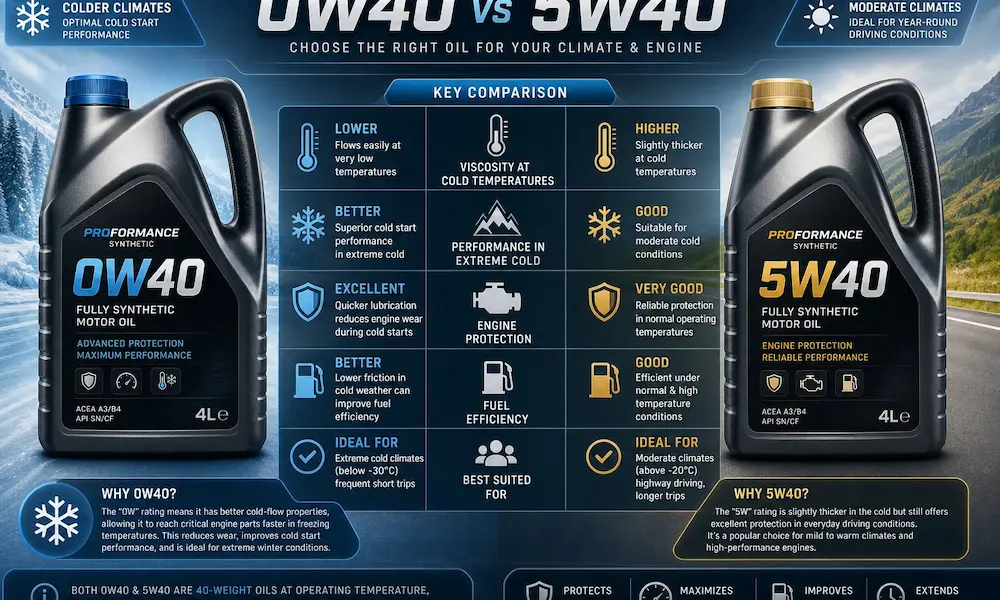
This is where the real value shows up. At $58.88, Walmart’s full synthetic is roughly 36% cheaper than what Jiffy Lube or Valvoline charge for the same service. Synthetic oil handles extreme temperatures better, reduces engine wear, and lasts longer between changes.
Premium Synthetic — $64.88
The top tier. Designed for luxury vehicles, high-performance engines, and cars that demand the most advanced deposit control. If your owner’s manual calls for it, don’t skip it.
Diesel — $52.88
Diesel engines run hotter and produce more soot. This package uses heavy-duty conventional oil formulated specifically for high-torque diesel powerplants like the Ford F-250 or Ram 2500.
What’s Included at Each Tier (Full Comparison)
| Service Check | Pit Crew ($28.88) | Standard ($36.88) | Synthetic Tiers ($46+) |
|---|---|---|---|
| Engine Oil (Up to 5 Qts) | ✅ | ✅ | ✅ |
| Oil Filter Replacement | ✅ | ✅ | ✅ |
| Tire Pressure Check | ✅ | ✅ | ✅ |
| Battery Performance Test | ✅ | ✅ | ✅ |
| Chassis Lubrication | ✅ | ✅ | ✅ |
| Windshield Wash | ❌ | ✅ | ✅ |
| Interior Vacuum | ❌ | ✅ | ✅ |
| Transmission Fluid Check | ❌ | ✅ | ✅ |
| Washer Fluid Top-off | ❌ | ✅ | ✅ |
| Power Steering Fluid Check | ❌ | ✅ | ✅ |
| Differential Fluid Check | ❌ | ✅ | ✅ |
| Air Filter Visual Check | ❌ | ✅ | ✅ |
| Wiper Blade Visual Check | ❌ | ✅ | ✅ |
| Light System Visual Check | ❌ | ✅ | ✅ |
Hidden Fees That Affect Your Final Price
The sticker price isn’t always what you pay. Here’s what can push your total higher.
Extra Quarts of Oil
Every quart beyond the included five costs extra. The per-quart rate matches the oil type in your chosen package — so full synthetic overages cost more than conventional ones. Trucks like the Ford F-150 or Chevy Silverado often need six to eight quarts, which can add $10–$20 to your bill.
Non-Featured Oil Surcharge
Each package is built around a specific “featured” oil brand. If your car needs a specialty viscosity or a European-spec formulation that’s not in stock, an additional charge applies. Same goes for high-capacity or cartridge-style filters — those cost more than a standard filter.
Shop Supplies and Environmental Fees
You’ll likely see a line item for shop supplies or an environmental fee on your receipt. These are legitimate charges — not padding. They cover:
- Disposal of used motor oil and filters (often state-mandated)
- Cleaning solvents, rags, and consumables used during the service
- Hazardous waste transport and processing
These fees are usually just a few dollars, but they’re real. Walmart’s commitment to recycling used oil is part of why these fees exist — and why the company faced a $7.5 million penalty in California for improper disposal, reinforcing how seriously regulators take this stuff.
The “Pit Stop” Oil Change — Walmart’s Off-Menu Option
Here’s something most people don’t know: there’s reportedly an unadvertised service called the Pit Stop oil change, historically priced around $19.88.
It’s even more stripped down than the Pit Crew — essentially just the oil and filter swap, with almost no inspections or fluid checks. Walmart’s official site lists $28.88 as the starting price, but some locations may still honor the Pit Stop by name depending on local store policies or legacy system codes.
If you’re on a tight budget, it’s worth asking at the counter. The worst they can say is no.
How to Book Your Appointment
Walmart has shifted toward an appointment-based system through the Walmart app. Walk-ins are still accepted at some lower-volume locations, but the corporate push is clearly toward scheduled slots.
To book:
- Open the Walmart app and sign in
- Navigate to the automotive services section
- Select your service and pick a time slot
- Some locations offer digital key drop-off via secure lockers for contact-free check-in
Booking ahead also means you skip the wait. The old “two-hour walk-in” experience that frustrated a lot of customers is what drove this change — technicians have confirmed the appointment model is now the standard direction. You can schedule your oil change here.
Walmart+ Perks That Lower Your Maintenance Costs
A Walmart+ membership ($98/year or $12.95/month) doesn’t discount the oil change itself, but it adds real value through automotive perks:
- Free flat tire repair at all 2,500+ Auto Care Centers nationwide
- Free road hazard warranty when you buy and install new tires (normally ~$10 per tire — that’s $40 saved on a set of four)
The Walmart+ Assist program cuts the membership cost in half — about $6.47/month — for people receiving SNAP, Medicaid, or WIC benefits. If you’re already using those programs, this is an easy way to get the tire perks at minimal cost.
You can check the full auto care benefits here.
How Walmart Compares to the Competition
| Provider | Conventional Oil Change | Full Synthetic Oil Change |
|---|---|---|
| Walmart | $28.88–$36.88 | $58.88 |
| Jiffy Lube | $45–$50 | $94–$99 |
| Valvoline | $45–$51 | ~$100 |
| Firestone | ~$30 | $70–$100 |
| Local Mechanic | ~$35 | ~$65 |
| DIY (materials only) | ~$20 | ~$36 |
The gap is hard to ignore. Walmart’s full synthetic at $58.88 undercuts Jiffy Lube and Valvoline by $35–$40. The trade-off is that quick-lube chains like Valvoline let you stay in your car and finish in under 20 minutes. Walmart assumes you’ll spend that hour browsing the store — which is exactly the point. The Auto Care Center is a traffic driver, not a profit center.
Why Walmart Can Keep Prices This Low
Walmart buys oil in volumes that most competitors can’t touch. By contracting directly with manufacturers for tens of millions of gallons, they insulate customers from the price swings that hit independent shops hard between 2022 and 2025. While oil change pricing climbed sharply across the industry, Walmart held its sub-$30 entry point.
The average vehicle on US roads is now over 12 years old. Owners of older cars are less likely to pay dealership rates and more likely to look for reliable, affordable maintenance. Walmart sits right in that sweet spot.
Is the Quality Actually Good?
The oils Walmart uses — Pennzoil, Quaker State — are legitimate top-tier products. The concern isn’t the oil. It’s the high-volume environment, where a rushed tech can occasionally leave a filter loose or under-torque a drain plug.
A few practical tips:
- Check your oil level and look for drips under the car in the two or three days after service
- If you’re using the Pit Crew or Pit Stop tier, do a quick visual yourself since those packages skip most inspection items
- The Standard package’s fluid checks and light inspection are worth the extra $8 if you’re not doing your own maintenance checks
The community consensus is mostly positive for routine conventional changes. For full synthetic on a newer vehicle, most drivers report no issues — and the savings are real.