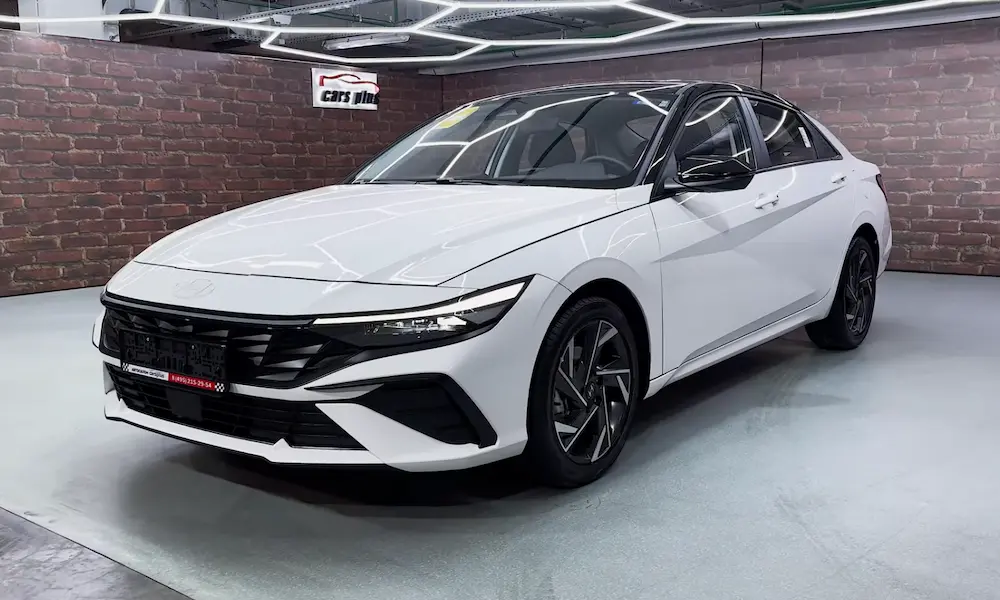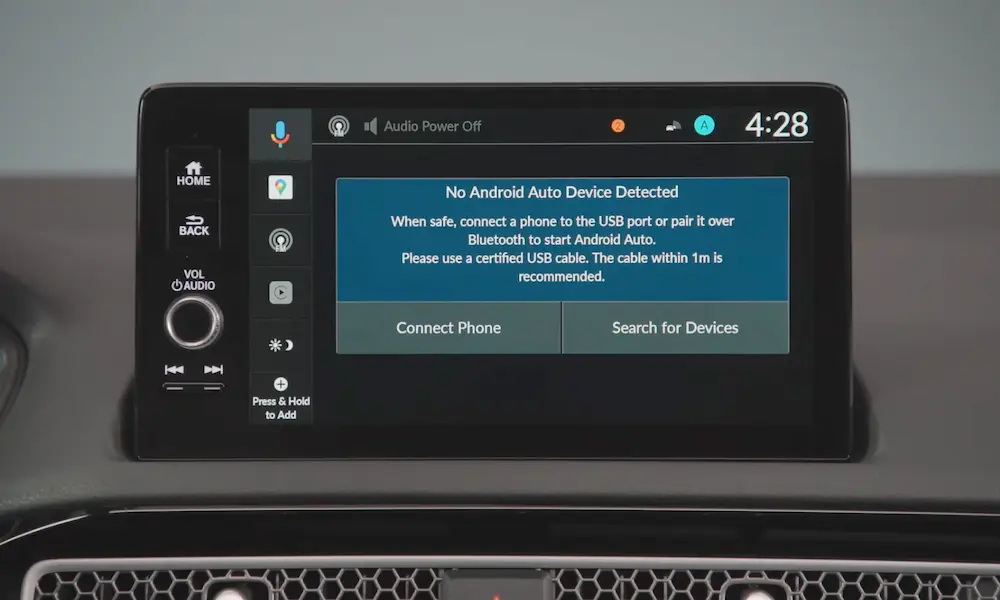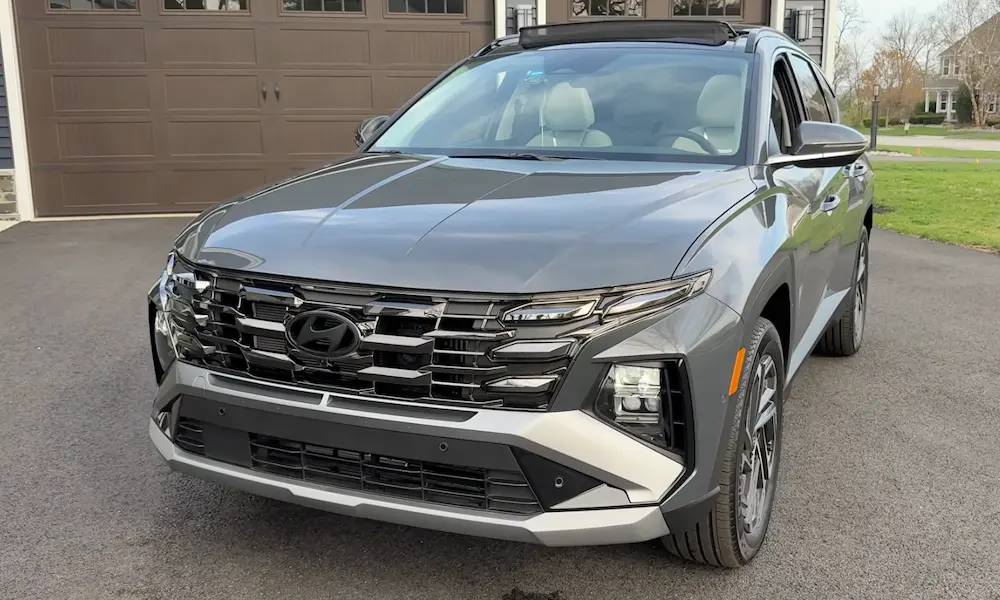
Tired of your Hyundai’s engine shutting off at every stoplight? You’re not the only one finding the Idle Stop and Go (ISG) system frustrating. While this feature aims to save fuel, many drivers find it jarring and inconvenient. The good news? You have options to disable it permanently—not just for a single drive.
I’ve gathered the most effective methods to permanently disable your Hyundai’s ISG system, from simple DIY hacks to professional solutions. By the end of this guide, you’ll know exactly which approach works best for your situation.
What Is Hyundai’s ISG System and Why Disable It?
Hyundai’s Idle Stop and Go system automatically shuts off your engine when you come to a complete stop and restarts it when you release the brake pedal. While Hyundai designed this feature to improve fuel economy (about 3-5% in city driving), many drivers find several drawbacks:
- Hesitation when restarting at intersections
- Increased wear on starter components
- Air conditioning disruption in hot weather
- Additional strain on the battery
- Annoying stop-start jolts in heavy traffic
The biggest frustration? The system reactivates every time you start your car, forcing you to manually press the ISG OFF button with each journey.
Method 1: The Button Jamming Technique
This simple, no-cost solution has become popular among Hyundai owners looking for a quick fix.
How to Jam Your ISG Button:
- Locate your ISG OFF button (typically on the center console)
- Find a small, rigid object like a plastic shim or trimmed credit card
- Insert the object to keep the button permanently pressed
- Test by starting your car and confirming the ISG OFF light remains illuminated
Many Reddit users report this method working reliably for over a year. However, there are some considerations:
Pros:
- Costs nothing
- Takes just minutes to implement
- No electrical modifications required
Cons:
- May eventually wear out the button mechanism
- Can look unsightly in your vehicle’s interior
- Might interfere with nearby controls
Method 2: The Fuse Removal Approach
If you’re comfortable opening your vehicle’s fuse box, this method offers a more hidden solution.
Steps to Remove the ISG Fuse:
- Consult your owner’s manual to locate the ISG fuse
- Using the fuse puller tool (usually included in the fuse box), carefully extract the ISG fuse
- Start your vehicle to confirm the system is disabled
- Store the removed fuse safely in case you want to restore functionality later
Important note: Fuse locations vary by model and year. For example:
- On a 2019 Santa Fe, the ISG fuse is typically labeled “STOP LAMP” in the engine compartment fuse box
- On newer Tucson models, it might be in the instrument panel fuse box labeled “START/STOP”
Pros:
- No visible modifications to your interior
- Completely disables the system
- Easily reversible
Cons:
- Some vehicles may display warning lights after fuse removal
- Could affect other vehicle systems depending on the specific fuse
- Requires identifying the correct fuse for your model
Method 3: Aftermarket Electronic Modules
For those seeking a more polished, professional solution, purpose-built electronic modules offer the best experience.
Top Aftermarket ISG Disablers:
- Autostop Eliminator
- Price: $90-120 depending on your Hyundai model
- Installation: Plug-and-play connection to your ISG button wiring
- Memory feature: Remembers your last setting across ignition cycles
- 4D Tech Start/Stop Eliminator
- Similar functionality to the Autostop Eliminator
- Comparable pricing
- Vehicle-specific harnesses for easy installation
Watch this installation demonstration to see how simple the process can be with these devices.
Pros:
- Clean, professional installation
- No visible modifications
- Preserves factory warranty in most cases
- Maintains all other vehicle functions
Cons:
- Most expensive option
- Requires some basic installation skills
- Slight learning curve with some models

- AUTO STOP START ELIMINATOR: Disabling the auto start/stop feature on your vehicle has never been simpler. The 4D Tech auto start/stop eliminator is engineered to safely and reliably memorize your preference, and turn off this functionality on each start, automatically.
- PLUG & PLAY INSTALLATION: No cutting, splicing or programming required– 4D Tech auto stop disablers can be installed in minutes. Installing our stop start eliminators will not void your factory or extended warranty.
- EASY TO USE IDLE STOP AND GO ELIMINATOR: Start stop disablers memorize your start/stop preferences and will not disable any remote start features or impact any factory settings. Should you choose to re-enable start/stop, simply use the auto start/stop button on your dash like normal.
- USA OWNED & OPERATED: 4D Tech, an industry leader and innovator in automotive electronics since 2013, engineers and assembles each of our high-quality products right here from our commercial facility in upstate New York.
- COMPATIBILITY: This auto start stop disable device has been tested and confirmed compatible with 2022-2026 Hyundai Tuscon SE, SEL and XRT Trims. Does not fit Limited trim. Explore our full range of start-stop eliminators; we cater to a wide variety of makes, models, and years. Made for vehicles manufactured for US and Canadian markets only.
Method 4: The Resistor Modification
For the electrically inclined DIYer, this method offers a permanent fix at minimal cost.
How to Modify with a Resistor:
- Access the wiring harness behind your ISG button
- Identify the signal wire (usually consulting a wiring diagram)
- Install a 200–220Ω resistor between the signal wire and ground
- Secure and insulate your connections
- Reassemble your console
This method is documented in detail on enthusiast forums like N-Cars.net.
Pros:
- Very low cost (under $5 in parts)
- Completely hidden once installed
- Permanent solution
Cons:
- Requires electrical knowledge and soldering skills
- Risk of damaging vehicle electronics if done incorrectly
- Most likely to affect warranty coverage
Method 5: Smart Driving Workarounds
If you’re not ready for physical modifications, you can exploit the system’s operational requirements.
How to Naturally Prevent ISG Activation:
The ISG system only activates under specific conditions:
- Driver’s seatbelt must be fastened
- Hood and doors must be closed
- Battery charge must be sufficient
- AC system must not be at maximum load
You can prevent activation by:
- Setting your climate control to maximum cooling or heating
- Lightly modulating your brake pressure to avoid full stops
- Shifting to neutral before coming to a complete stop
These techniques are explained in detail in this helpful YouTube guide.
Pros:
- No modifications required
- Zero cost
- No warranty concerns
Cons:
- Requires constant attention while driving
- Impractical in heavy traffic
- May develop into distracting habits
Comparison: Which Method Is Right For You?
| Method | Cost | Difficulty | Reliability | Warranty Impact | Aesthetics |
|---|---|---|---|---|---|
| Button Jamming | $0 | Easy | Moderate | Minimal | Poor |
| Fuse Removal | $0 | Moderate | High | Possible | Excellent |
| Aftermarket Module | $90-120 | Moderate | Very High | Minimal | Excellent |
| Resistor Mod | $5 | Difficult | High | Likely | Excellent |
| Driving Workarounds | $0 | Very Difficult | Low | None | Excellent |
Understanding Warranty Implications
Before modifying your vehicle, it’s important to understand potential warranty concerns:
- Button jamming: Unlikely to void warranty, though button damage might not be covered
- Fuse removal: Generally considered reversible, but diagnostic issues may arise
- Aftermarket modules: Most are designed to be removable and leave no trace
- Electrical modifications: Most likely to cause warranty issues if problems arise
According to the Magnuson-Moss Warranty Act, manufacturers must prove that your modification caused the specific issue before denying a warranty claim. However, it’s always best to use methods that can be reversed before dealer service.
Why Doesn’t Hyundai Offer a Permanent Disable Option?
Hyundai prioritizes meeting emissions standards and fuel economy targets, which the ISG system helps achieve. The auto industry faces increasing pressure to reduce environmental impact, and features like ISG contribute to manufacturer compliance.
The system can improve fuel economy by 3-5% in city driving. However, this modest improvement doesn’t always outweigh the comfort and convenience issues many drivers experience.
Special Considerations for Different Hyundai Models
Different Hyundai models have specific considerations when disabling ISG:
Palisade/Santa Fe: The button jamming technique works particularly well in these models due to the accessible ISG button location. The Autostop Eliminator is specially designed for these vehicles.
Tucson: Newer models (2022+) may require accessing the instrument panel for some modifications. Reddit users report success with both button jamming and aftermarket modules.
Elantra/Kona: These smaller models often have more compact center consoles, making the fuse removal option sometimes preferable. Check your specific fuse box diagram for accurate fuse identification.
Beyond Disabling: Making Peace with ISG
If you’re hesitant about modifications, consider these approaches to make the ISG system more tolerable:
- Develop muscle memory: Make pressing the ISG OFF button part of your startup routine
- Understand its benefits: The system does save fuel during long idle periods
- Learn its limitations: The system won’t activate in extreme temperatures or when the battery is low
- Adjust driving habits: Gentle brake application can sometimes prevent full ISG activation
Final Thoughts on Disabling Hyundai ISG
Permanently disabling your Hyundai’s ISG system comes down to balancing convenience, cost, and comfort with your technical abilities and warranty concerns. For most owners, the aftermarket module offers the best combination of reliability and professionalism, while budget-conscious DIYers might prefer the button jamming technique.
Whatever method you choose, you’ll likely enjoy a more consistent driving experience without the constant stop-start cycles that many find disruptive. Just remember that while these modifications improve your driving comfort, they slightly reduce your fuel economy in heavy traffic.
Have you tried disabling your Hyundai’s ISG system? Which method worked best for you?