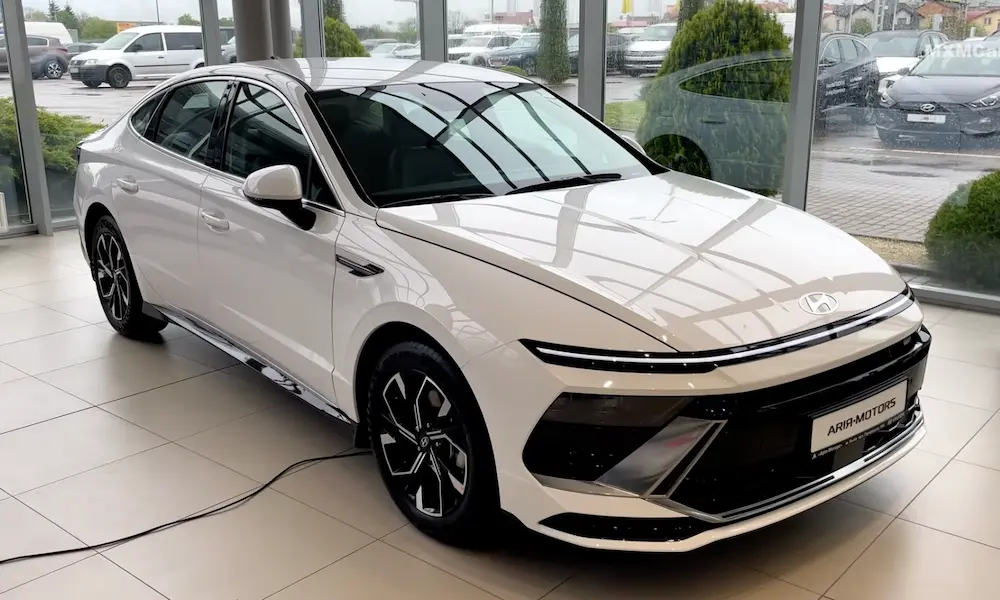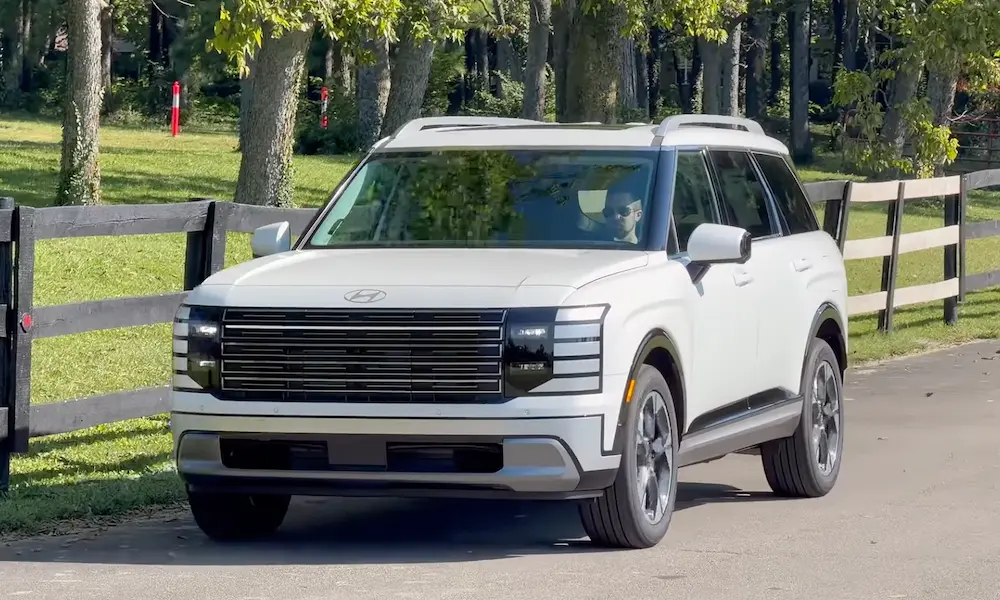
New cars keep getting more expensive, and finding a genuinely affordable option feels harder every year. But Hyundai’s 2026 lineup still has some solid budget-friendly picks — if you know where to look. This guide breaks down the cheapest Hyundai cars available right now, what you actually get, and which one makes the most sense for your wallet.
The Cheapest Hyundai Car in 2026 Is the Venue
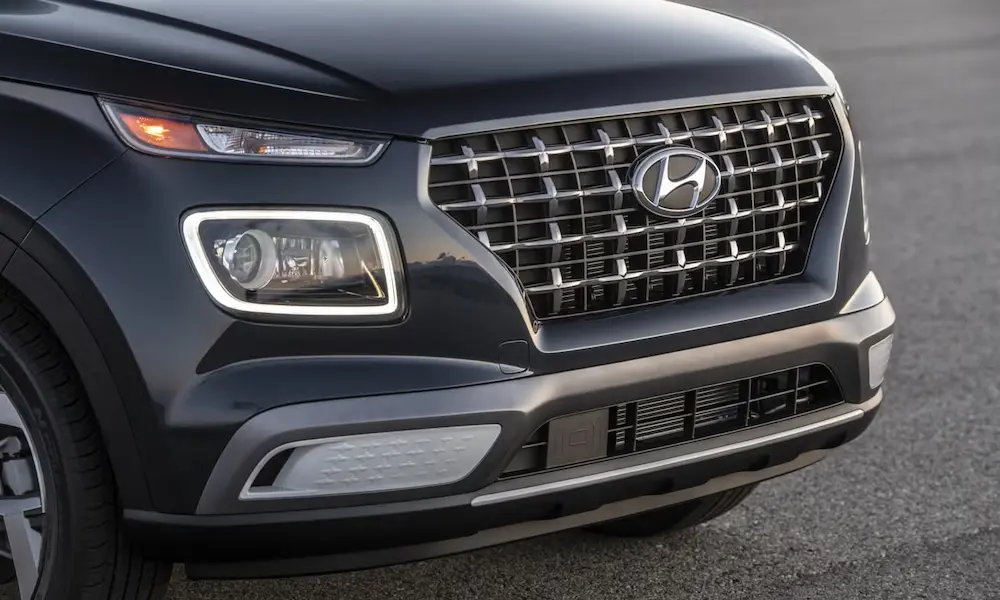
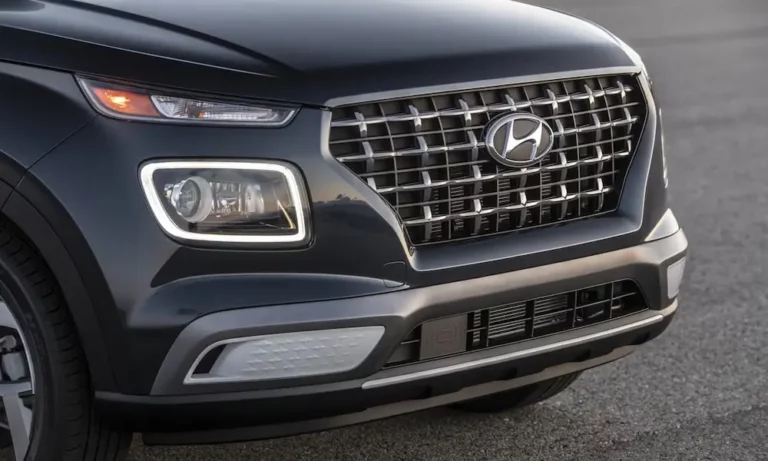
The 2026 Hyundai Venue is the most affordable new Hyundai you can buy in the United States. It starts at $20,550 MSRP — but don’t let that number fool you.
Hyundai adds a mandatory $1,600 destination and freight charge, which bumps the real starting price to $22,150. That covers shipping the Venue from its assembly plant in Ulsan, South Korea, to U.S. dealerships.
Still, for a brand-new subcompact crossover packed with modern safety tech? That’s a competitive number.
Venue Trim Levels and Pricing at a Glance
| Trim | MSRP | Destination Fee | Total Starting Price |
|---|---|---|---|
| SE | $20,550 | $1,600 | $22,150 |
| SEL (Two-Tone Roof) | $22,600 | $1,600 | $24,200 |
| SEL | $22,825 | $1,600 | $24,425 |
For 2026, Hyundai dropped the top-tier Limited trim entirely. They rolled its best features into the SEL trim, which actually simplifies the buying process.
What Do You Get for the Money?
Engine and Fuel Economy
The Venue runs a 1.6-liter naturally aspirated four-cylinder engine making 121 horsepower. It’s paired with a continuously variable transmission (CVT) and drives the front wheels only — no all-wheel drive option exists on this model.
One smart engineering choice: the engine uses port fuel injection instead of direct injection. That means less carbon buildup on intake valves over time. For a budget buyer prioritizing long-term reliability, that matters.
Fuel economy lands at:
- 29 mpg city
- 33 mpg highway
- 31 mpg combined
With an 11.9-gallon tank, you’re looking at a driving range of roughly 370 to 390 miles between fill-ups. Estimated monthly fuel cost runs around $219–$223 in high-cost states like California.
Performance (Or Lack Thereof)
Let’s be honest — the Venue isn’t fast. It hits 0–60 mph in about 8.5 seconds. That’s fine for city driving and suburban commutes. Highway passing maneuvers require some planning ahead.
What it lacks in speed, it makes up for in maneuverability. The Venue has a curb-to-curb turning diameter of just 33.2 feet — ideal for tight parking garages and crowded city streets.
Interior Space and Cargo Room
The Venue looks tiny outside, but it’s smarter inside than you’d expect.
- Front headroom: 39.4 inches
- Front legroom: 41.3 inches
- Rear legroom: 34.3 inches (best for shorter trips)
- Cargo behind rear seats: 18.7 cubic feet
- Cargo with rear seats folded: 31.9 cubic feet
That cargo flexibility puts it ahead of many traditional sedans. The rear bench is snug for adults on long hauls, but it handles city errands and weekend grocery runs without breaking a sweat.
Tech and Connectivity
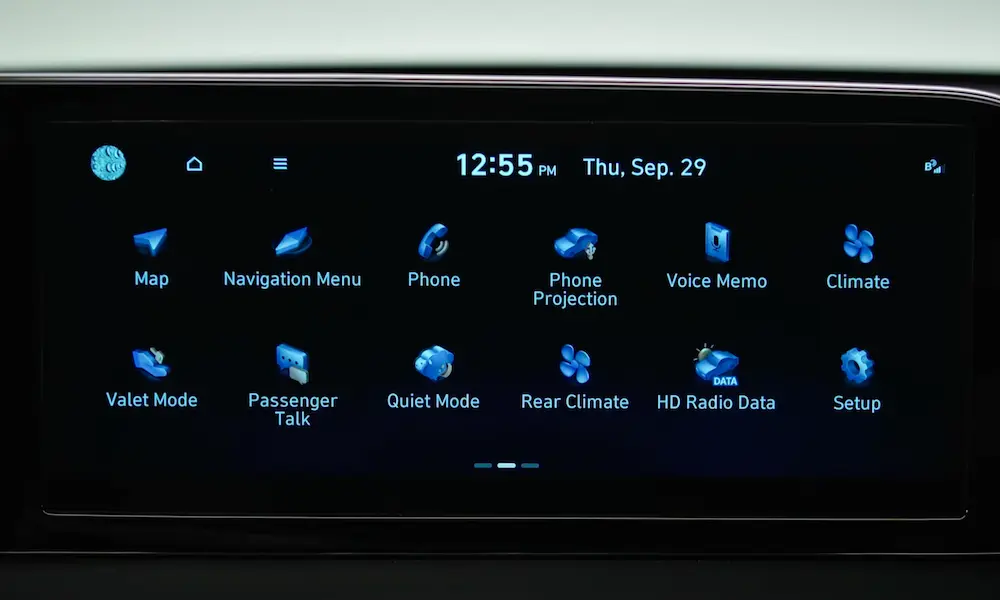
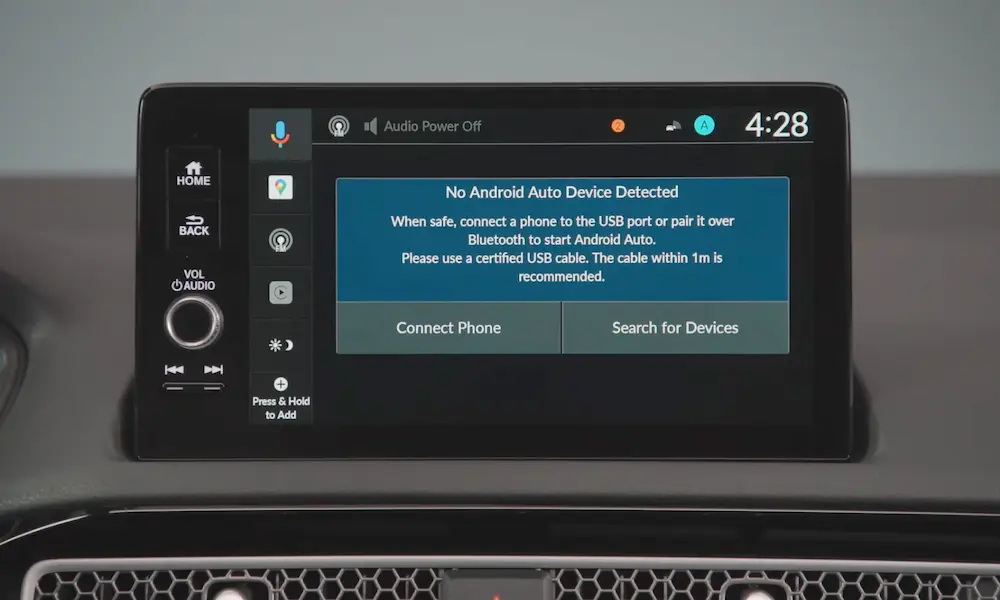
Even the base SE trim includes wireless Apple CarPlay and Android Auto as standard. That’s a feature some much pricier vehicles still don’t offer wirelessly.
Other standard tech features include:
- 8-inch touchscreen
- 6-speaker audio system
- Bluetooth hands-free calling
- Two USB ports (Type-A and Type-C)
- 4.2-inch digital instrument display
Upgrade to the SEL and you get a wireless charging pad, proximity keyless entry, push-button start, and selectable drive modes (Normal, Sport, Snow). The SEL also upgrades to LED headlights — a significant nighttime visibility improvement over the SE’s halogen setup.
Safety Features
Every 2026 Venue comes standard with Hyundai SmartSense, a suite of active safety tech that includes:
- Forward Collision-Avoidance Assist with Pedestrian Detection
- Lane Keeping Assist
- Driver Attention Warning
Step up to the SEL and you add Blind-Spot Collision Warning and Rear Cross-Traffic Collision Warning — both radar-based systems that genuinely reduce everyday parking lot stress.
The standard safety setup includes six airbags and a four-channel anti-lock braking system. Note that the base SE uses rear drum brakes, while the SEL upgrades to rear disc brakes.
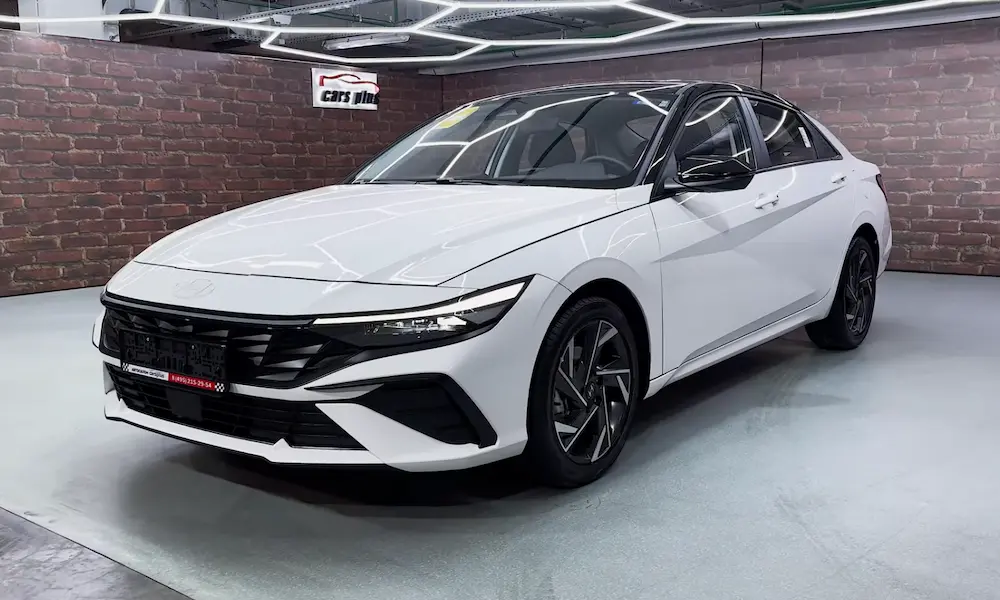
The Second-Cheapest Hyundai: The 2026 Elantra Sedan
If you prefer a traditional sedan over a crossover stance, the 2026 Hyundai Elantra is your next stop.
It starts at $22,625 MSRP — about $2,000 more than the Venue before destination charges. Add the $1,600 freight fee and the real base price hits $24,025.
Why Consider the Elantra Over the Venue?
The Elantra brings some real upgrades:
- 40 mpg highway — significantly better than the Venue
- 35 mpg combined — estimated monthly fuel cost of just $128
- Longer wheelbase with 38 inches of rear legroom
- 14.2-cubic-foot trunk
- 147-horsepower 2.0-liter Atkinson-cycle engine
The Elantra’s aerodynamic sedan profile pays off directly at the pump. If you do a lot of highway driving, the fuel savings alone can offset the price difference within a year or two.
Elantra Trim Lineup
| Trim | MSRP | Powertrain |
|---|---|---|
| SE | $22,625 | 2.0L Four-Cylinder, CVT |
| SEL Sport | $23,750 | 2.0L Four-Cylinder, CVT |
| SEL Sport Premium | $25,075 | 2.0L Four-Cylinder, CVT |
| Limited | $27,175 | 2.0L Four-Cylinder, CVT |
| N Line | $29,400 | 1.6L Turbo, 7-Speed DCT |
Want efficiency over everything? The Elantra Hybrid starts at $25,450 and delivers over 50 mpg combined, with a highway range approaching 600 miles. That’s genuinely impressive for a car under $30,000.
Other Affordable Hyundais Worth Knowing About
2026 Hyundai Kona — Starting at $25,500
The Kona is the Venue’s bigger, more capable sibling. It starts at $25,500 ($26,845 after destination) and does something the Venue can’t: offer all-wheel drive.
AWD adds $1,500 to the price, but it also upgrades the rear suspension from a torsion beam to a multi-link independent setup — a genuine ride quality improvement.
The Kona also features a 12.3-inch touchscreen standard across all trims, which makes the Venue’s 8-inch screen look modest by comparison. Turbocharged models produce 190 horsepower for more confident highway driving.
2026 Hyundai Santa Cruz — Starting at $29,750
The Santa Cruz is in a category of its own. It pairs a crossover interior with an open cargo bed, and it starts at $29,750 for the front-wheel-drive SE.
The base model uses a 2.5-liter engine making 191 horsepower, paired with an 8-speed automatic. It tows up to 3,500 pounds — enough for a small trailer, jet ski, or camper. If you need a truck but hate driving a truck, this is your answer.
The Big Change for 2026: No More Free Maintenance
Here’s something that every budget-conscious Hyundai buyer needs to know before signing paperwork.
From 2020 through 2025, Hyundai included complimentary maintenance with every new retail purchase. That covered synthetic oil changes, filter replacements, tire rotations, and multi-point inspections for the first 3 years or 36,000 miles.
Hyundai has officially discontinued this program for all 2026 model year vehicles.
What does that cost you? The Venue’s 1.6-liter engine requires oil changes every 8,000 miles under normal conditions — more frequently if you drive in stop-and-go traffic or extreme weather. Budget several hundred dollars per year for routine maintenance that used to come free.
Dealers are now pushing prepaid maintenance packages that roll future service costs into your monthly payment. Whether that makes sense depends on how long you plan to own the vehicle.
What’s Still Great: The Hyundai Warranty
The discontinued maintenance program stings, but Hyundai’s warranty remains one of the strongest in the business. Every 2026 Venue, Elantra, and Kona includes:
- 10-year / 100,000-mile powertrain warranty — covers engine and transmission
- 5-year / 60,000-mile basic warranty — covers nearly everything else
- 7-year unlimited-mileage anti-perforation warranty
- 5-year roadside assistance with no mileage limit
For a budget buyer who can’t absorb a surprise $3,000 repair bill, that 10-year powertrain warranty is genuinely reassuring.
Financing and Lease Options for 2026
High interest rates make monthly payments painful. Hyundai Motor Finance regularly offers promotional APR rates to qualified buyers. Current deals include rates as low as 3.49% to 5.49% for 60-month terms on the Venue and Elantra.
At 5.49% APR over 60 months, that’s roughly $19.10 per $1,000 financed. On a $22,150 Venue, that’s around $423/month before taxes and fees — competitive compared to commercial bank rates near 8%.
Leasing Numbers to Know
A typical Venue SE lease runs about $249/month. An Elantra SE lease comes in around $209/month with $3,499 due at signing for a 36-month term.
Watch the fine print:
- Mileage cap: 10,000 miles/year (20 cents per extra mile)
- $650 acquisition fee rolled into the capitalized cost
- $400 disposition fee at lease end (waived in some states)
The silver lining with leasing: your entire term is covered by the comprehensive basic warranty, which sidesteps most concerns about the discontinued maintenance program.
Rebates That Can Save You Real Money
Hyundai offers several targeted rebates worth stacking:
- $500 — Military appreciation (active duty, reservists, veterans)
- $500 — First responders (police, fire, paramedics)
- $400 — College graduate rebate
On a $20,550 base Venue, stacking eligible rebates can effectively cancel out the destination charge — bringing your real out-of-pocket number much closer to the sticker price.
So Which Cheapest Hyundai Should You Actually Buy?
Here’s the straightforward breakdown:
Buy the Venue SE if: You want the lowest possible monthly payment, drive mostly in the city, and don’t need rear-seat space for adults regularly.
Buy the Venue SEL if: You want LED headlights, heated seats, wireless charging, and a sunroof. The jump from SE to SEL is worth it for daily comfort.
Buy the Elantra SE if: You do a lot of highway miles, need comfortable rear-seat space, or want better fuel economy for the money.
Buy the Kona if: You live somewhere with snow, need all-wheel drive, or want a bigger screen and more power.
The 2026 Hyundai Venue earns its title as the cheapest Hyundai car through smart engineering, solid safety tech, and enough practical utility to handle real daily life. It’s not flashy. It won’t win any drag races. But it starts under $21,000 before fees, comes with a 10-year powertrain warranty, and arrives with wireless CarPlay already built in. For a first car, a city runabout, or a household second vehicle, that combination is tough to beat in 2026.