You’re standing in the auto parts aisle, staring at rows of motor oil bottles, wondering if Castrol EDGE is worth the extra cash. The marketing promises sound impressive, but you need facts, not fluff. Let’s cut through the hype and look at what independent testing, real-world performance, and actual data reveal about whether Castrol EDGE is good oil for your engine.
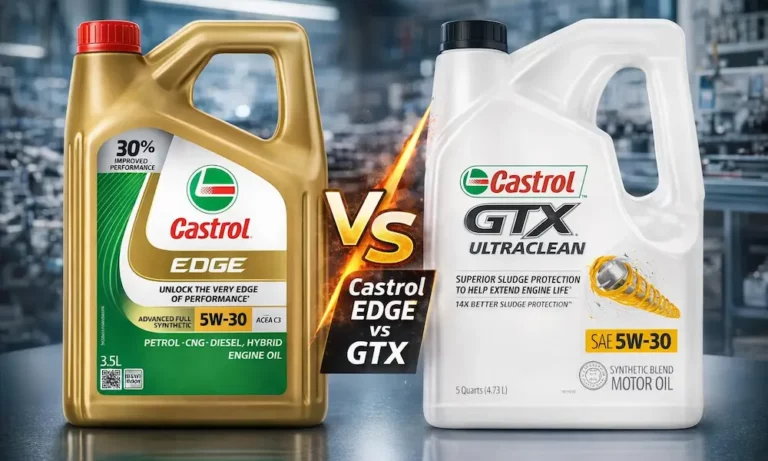
What Makes Castrol EDGE Different From Regular Synthetic Oil
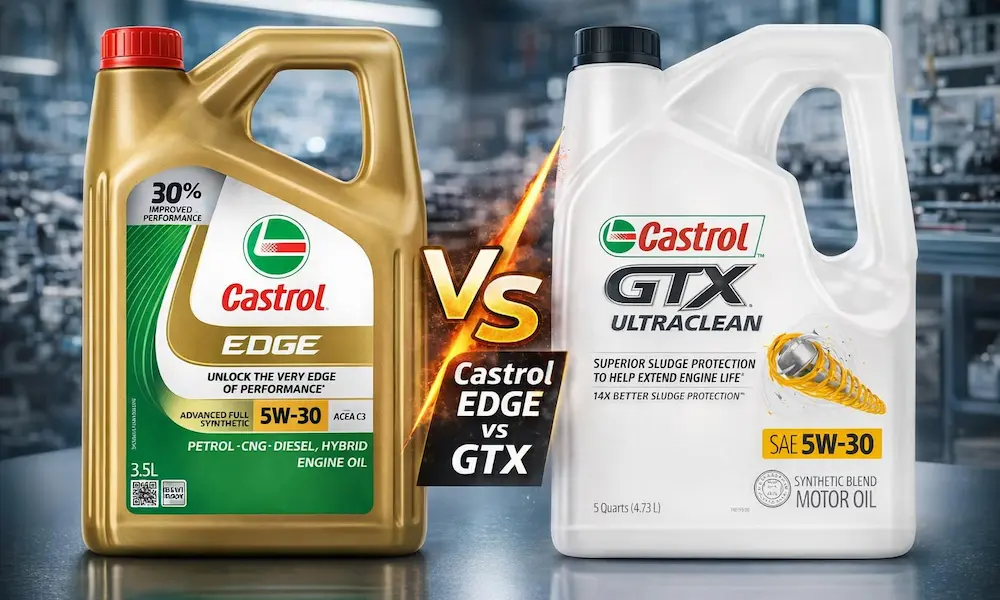
Castrol EDGE isn’t just another synthetic oil with a fancy label. The core difference lies in something called Fluid Titanium Technology. Think of it as adaptive armor for your engine.
Here’s how it works: When pressure spikes in high-stress zones like cam lobes or timing chains, titanium-organic molecules in the oil physically change structure. This transformation boosts film strength by roughly 300% exactly where your engine needs it most. It’s not a gimmick—independent testing confirms this tech reduces friction by up to 20% compared to standard synthetics.
The real proof? In the brutal Mercedes-Benz OM646LA wear test, Castrol EDGE showed cam wear of just 0.38mm. The industry limit is 1.0mm. That’s a 62% improvement over what’s considered acceptable.
Breaking Down the Castrol EDGE Product Line
Not all EDGE oils are created equal. Castrol segments their lineup to match different driving needs.
Standard Advanced Full Synthetic
The baseline EDGE formula handles 10,000-mile drain intervals. Castrol claims it’s 3X stronger against viscosity breakdown than leading competitors. Viscosity breakdown matters because turbocharged engines run hot enough to shred the long-chain molecules in oil, making it thin and useless.
Extended Performance
Need longer intervals? The Extended Performance variant stretches to 25,000 miles. It packs extra antioxidants and detergents to survive extreme conditions. Lab tests show it delivers 50X better high-temperature performance than current industry standards.
High Mileage Formula
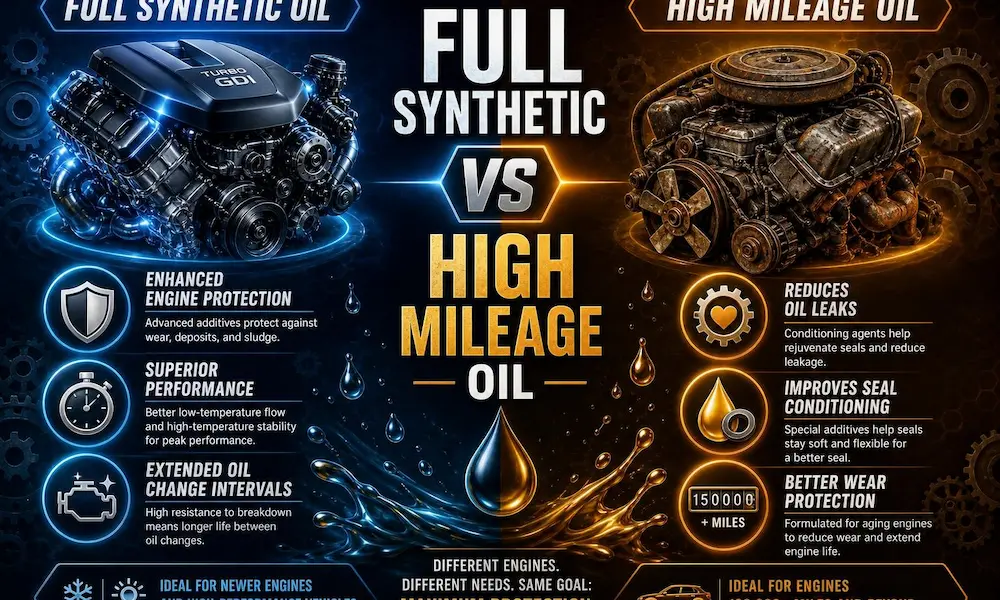
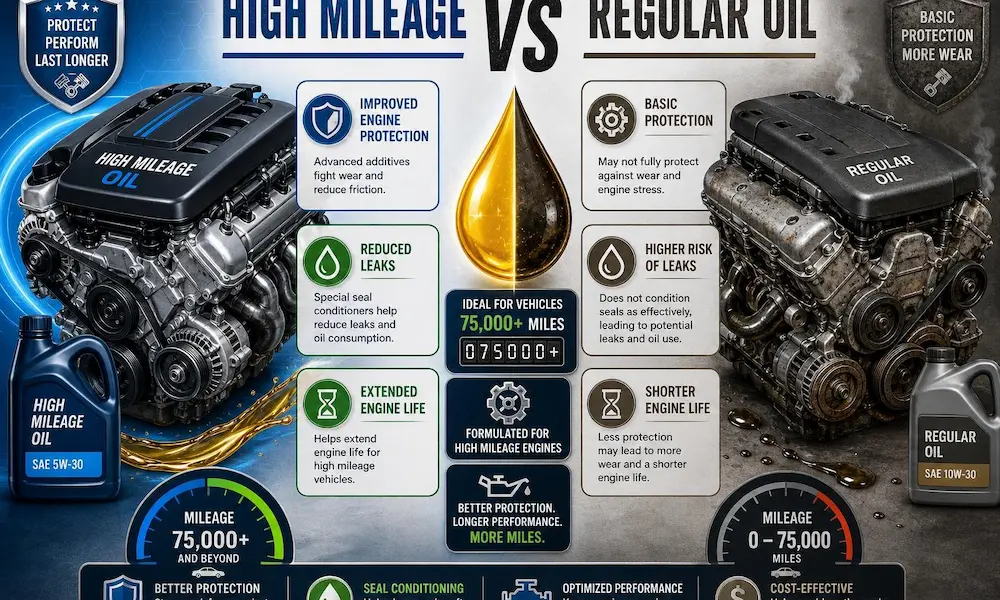
Got over 75,000 miles on the odometer? The High Mileage version adds seal conditioners to tackle leaks and oil consumption. Field testing revealed an 86% reduction in leaks within 500 operating hours. It also swaps some phosphorus additives for titanium-based protection that won’t poison your catalytic converter.
The Specs That Actually Matter
Numbers don’t lie. Here’s what you’re getting with common Castrol EDGE formulations:
| Grade | Viscosity @ 100°C | Viscosity Index | Pour Point | Flash Point |
|---|---|---|---|---|
| 5W-30 | 10.0 mm²/s | 164 | -39°C | 225°C |
| 5W-40 | 13.0 mm²/s | 174 | -42°C | 202°C |
| 0W-30 | 12.3 mm²/s | 182 | -45°C | 201°C |
| 5W-30 LL | 12.2 mm²/s | 172 | -43°C | 195°C |
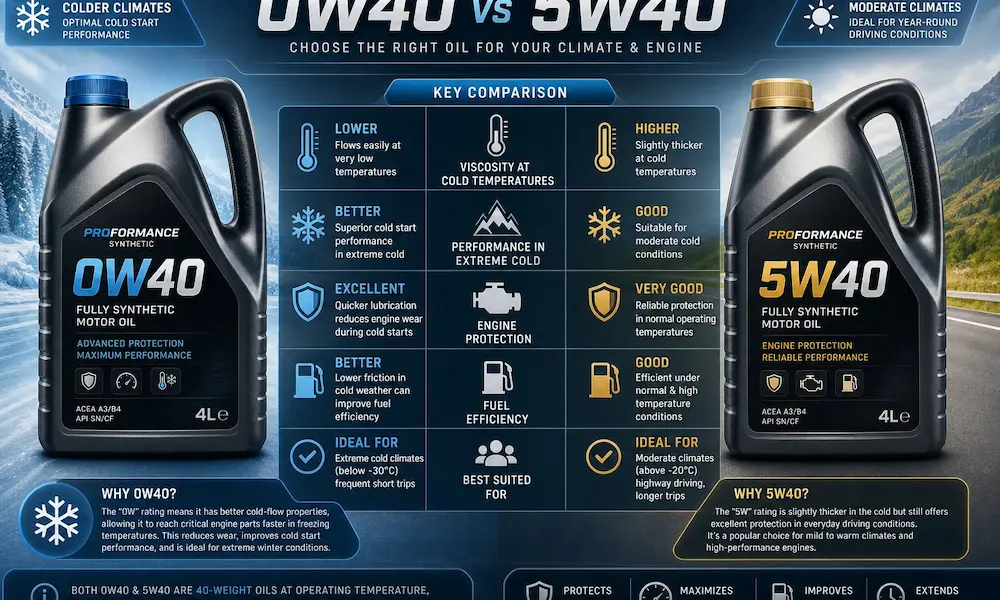
The Viscosity Index tells you how stable the oil stays across temperature swings. The 0W-30’s score of 182 is exceptional—perfect for climates with brutal winters and scorching summers.
Why Castrol EDGE Works Well in Hybrid Vehicles
By 2025, one in four new vehicles will be hybrids. These powertrains create weird challenges for engine oil.
The Hybrid Problem
Your hybrid’s engine runs cold most of the time because the electric motor handles low-speed driving. Cool engines don’t fully evaporate water and fuel from the crankcase. This contaminant buildup compromises protection.
Worse, the engine sits idle for miles, then suddenly needs full power when you merge onto the highway. The oil hasn’t reached proper temperature yet, but it’s already being thrashed.
The HYSPEC Solution
Castrol developed their HYSPEC standard specifically for hybrids. HYSPEC-certified oils must show at least 25% better contamination resistance than standard oils. They also reduce wear by 50% during those harsh cold-start power demands.
The benefit extends to fuel economy too. Proper hybrid oil can improve efficiency by up to 3% over the vehicle’s lifetime.
Manufacturer Approvals That Prove Quality
Car manufacturers don’t hand out oil approvals casually. These certifications require oils to pass tests more brutal than basic API standards.
European Approvals
Castrol EDGE holds some of the toughest certifications in the industry:
- VW 504 00 / 507 00: Required for Audi and VW extended service intervals
- BMW Longlife-01, LL-04, LL-17 FE+: Covers everything from older M cars to latest ultra-efficient engines
- Mercedes-Benz 229.3, 229.5, 229.51, 229.52: Includes diesel particulate filter compatibility
- Porsche A40, C20, C30: Approved for 911s and Cayennes
North American Standards
- GM dexos1™ Gen 3: Designed to prevent low-speed pre-ignition and timing chain wear
- Ford WSS-M2C946-B1, WSS-M2C961-A1: Multiple Ford specifications covered
- Jaguar Land Rover STJLR.51.5122: Factory-fill for new Land Rover SUVs
How Castrol EDGE Stacks Up Against the Competition
Is Castrol EDGE good oil compared to alternatives? Let’s compare.
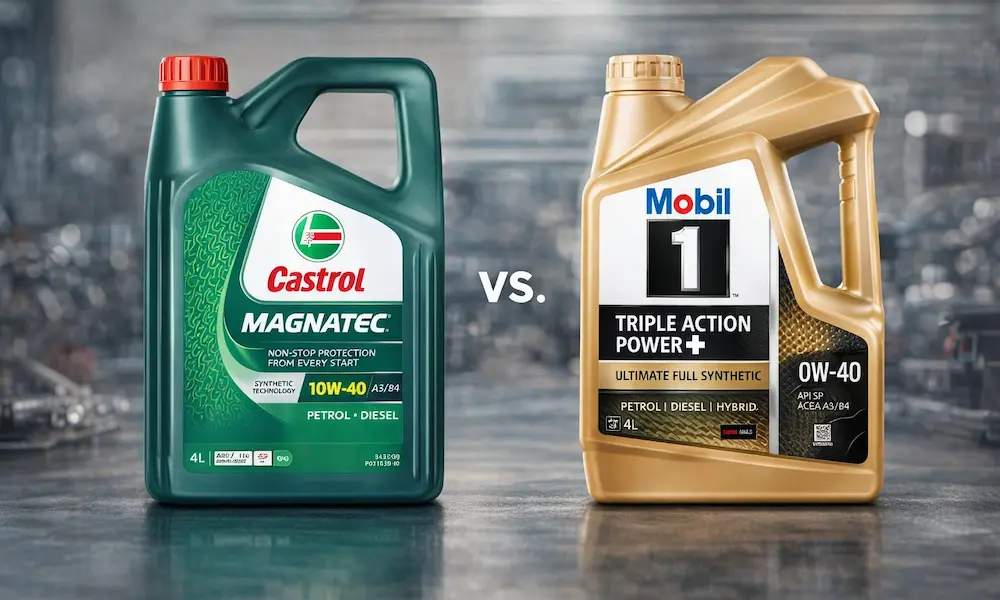
EDGE vs. Mobil 1
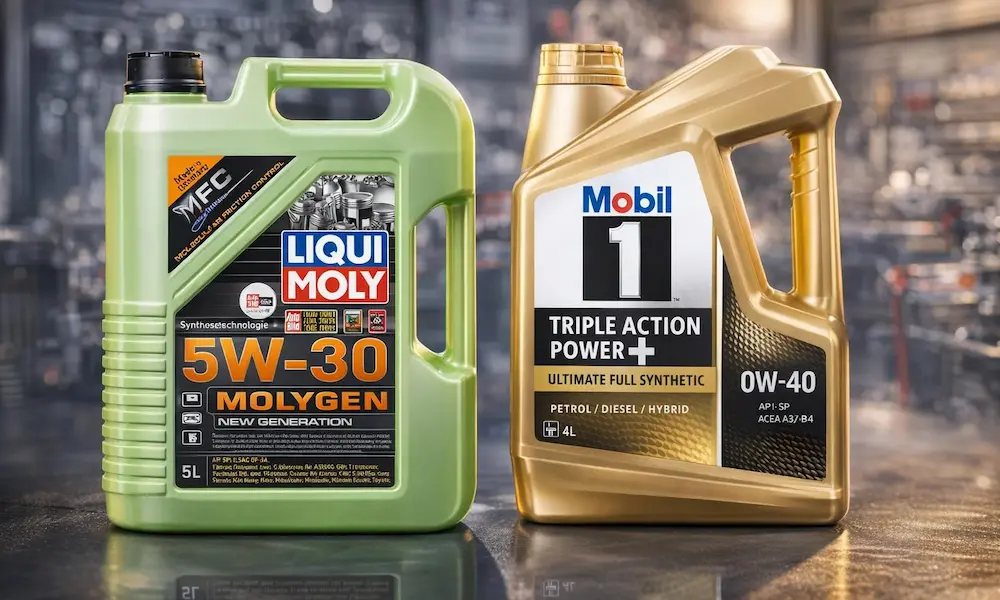
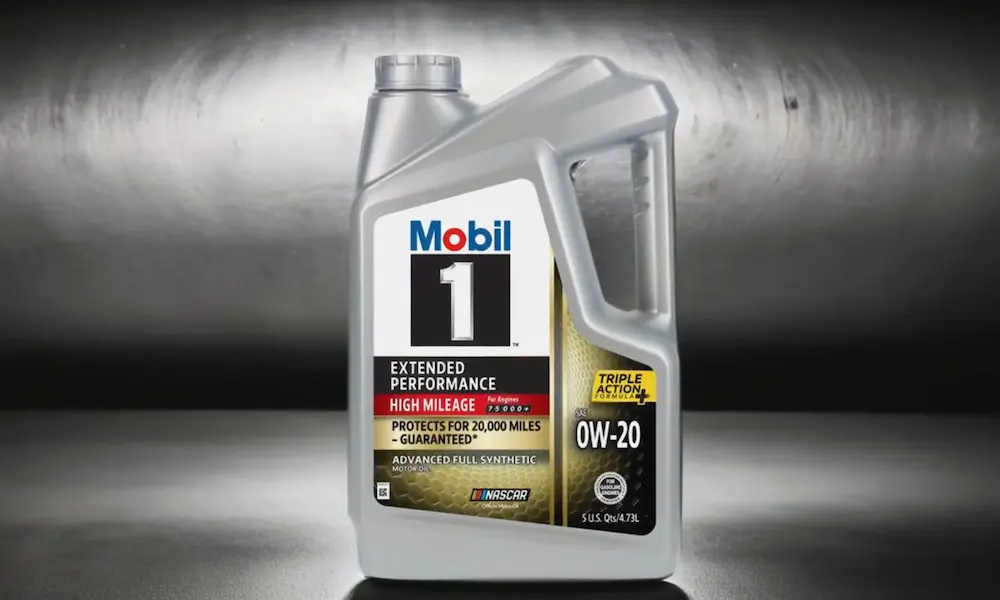
Mobil 1 is the benchmark everyone measures against. But head-to-head comparisons show EDGE Extended Performance delivers 50X better high-temp performance versus Mobil 1’s 20X claim.
User reports from Reddit and enthusiast forums reveal another pattern: some engines burn through Mobil 1 while consuming far less EDGE. Subaru Boxers and older Hondas particularly show this behavior. The likely reason? EDGE’s superior film strength and seal conditioning.
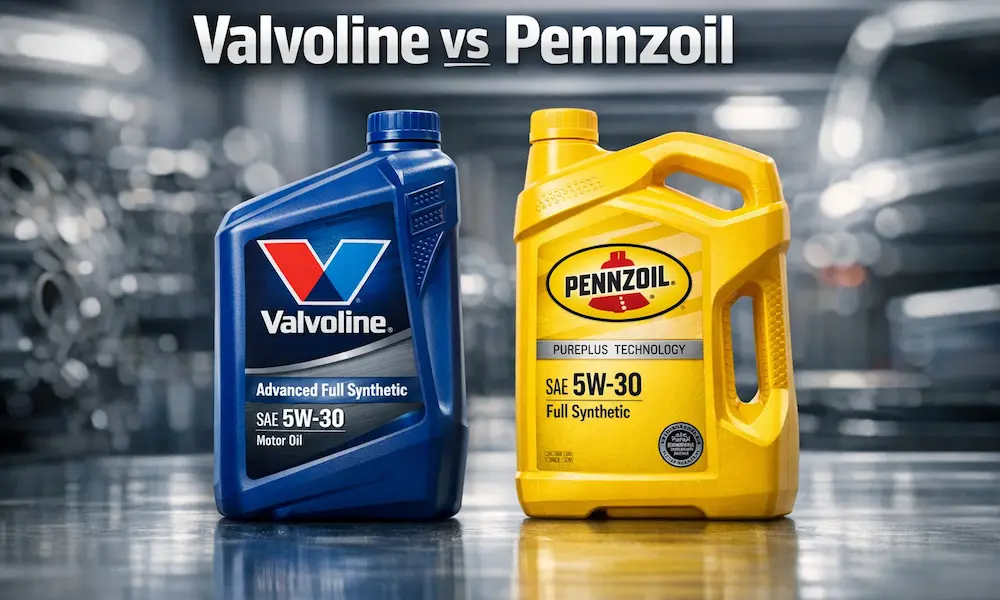
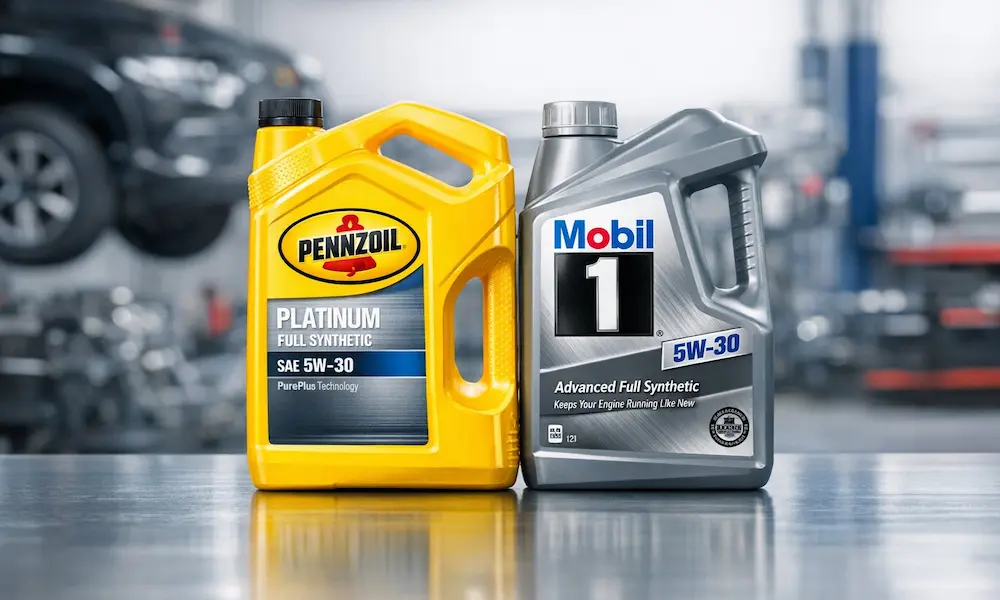
EDGE vs. Pennzoil Platinum
Pennzoil Platinum uses Gas-to-Liquid base oil that’s 99.5% pure. It’s exceptionally clean oil. However, user experiences suggest Pennzoil may volatilize (burn off) more readily in high-heat European engines. Castrol EDGE focuses on film strength under pressure rather than just initial purity.
EDGE vs. Store Brands
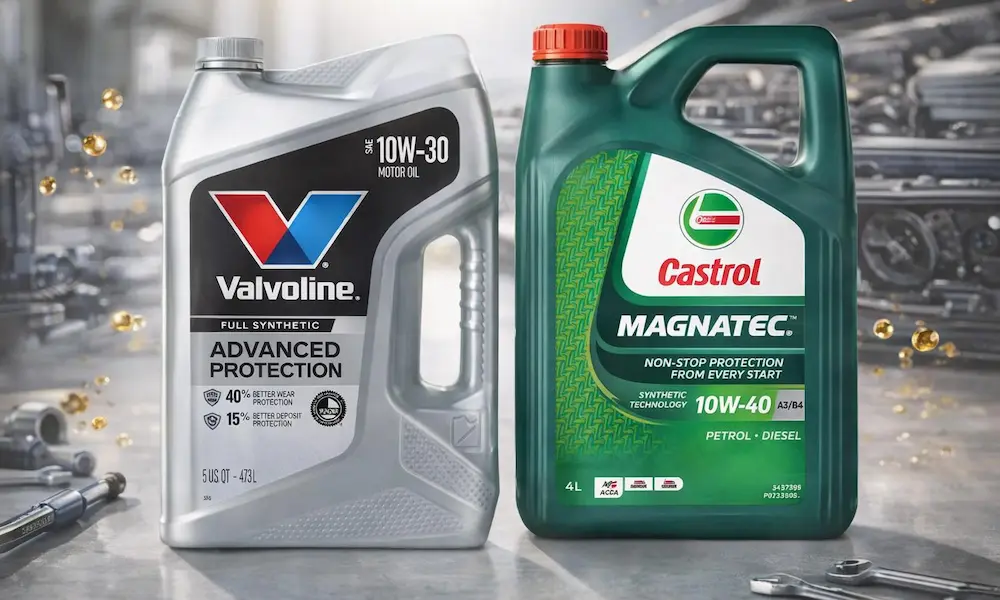
Kirkland Signature and Walmart’s Super Tech cost less and meet API standards. They’re perfectly fine for basic needs. But they lack proprietary tech like Fluid Titanium and specialized OEM approvals. For turbocharged or luxury vehicles, the extra cost of EDGE buys genuine protection and warranty compliance.
What Independent Testing Reveals
Marketing claims are one thing. Independent lab data is another.
Wear Protection Numbers
Testing of Castrol EDGE High Mileage confirmed 78% less wear compared to industry-standard formulations. This translates to an estimated 42% longer equipment life. One case study suggested switching to EDGE High Mileage saved over $21,000 annually per machine through reduced maintenance.
Heat Resistance
Oil oxidation doubles for every 10°C temperature increase. In the Sequence IIIH test at 300°F for 240 hours, Castrol EDGE maintained 96% of its original viscosity. That’s exceptional. Mineral oils can lose 20% viscosity stability under similar conditions.
Engine Cleanliness
Modern direct-injection engines pump out soot. Castrol EDGE’s Deposit Dissolution System maintains 93% engine cleanliness even through 10,000-mile intervals. The TU3M high-temp test showed only 2.1mg of cylinder deposits against a 30mg industry limit.
The 2024 Formulation Change Controversy
In early 2024, production of some EDGE Euro products shifted from Belgium to the USA. This caused concern among oil nerds.
What Changed
Historical Belgian-made formulations used PAO-heavy (Group IV) base oils. The new US-made versions transitioned to API SP certification.
For 0W-30, the pour point increased from -60°C to -45°C. Flash point dropped from 210°C to 203°C. Some enthusiasts interpreted this as a downgrade to cheaper Group III base stock.
The Reality
API SP certification requires lower calcium levels to prevent low-speed pre-ignition—a real problem that can destroy modern turbocharged engines. The slight reduction in cold-flow performance is a worthwhile trade for preventing engine-damaging pre-ignition events.
Real-World User Experiences
Lab tests matter, but so does everyday performance.
Reduced Noise and Consumption
A consistent theme in user feedback is that Castrol EDGE quiets noisy valvetrains. Owners of high-performance Audis and Hondas report switching from other synthetics eliminated ticking sounds and reduced the need to top off between changes.
This makes sense given EDGE’s superior film strength and seal conditioning properties.
Extreme Interval Testing
One Blackstone Oil Analysis tested Castrol EDGE 0W-30 after 28,173 miles in a Toyota engine. While the oil showed early sludge formation, the engine survived without mechanical failure. That’s testament to EDGE’s reserve capacity—though you shouldn’t push intervals this far.
Most experts recommend sticking to 10,000-mile limits for normal driving.
Best Overall Rating
Consumer advocates like Bob Vila and independent testers consistently rank Castrol EDGE as “Best Overall” for its balance of wear protection, cold-flow performance, and price-to-performance ratio.
What’s Coming Next for Engine Oil
The industry is moving toward ultra-low viscosities like 0W-8 and 0W-16 to meet emissions targets. Castrol already offers these grades for latest hybrid engines.
These oils are thin as water at room temperature. Fluid Titanium becomes even more critical because the additive package must compensate for the lack of physical thickness.
Castrol is also improving sustainability through new packaging that uses less plastic and ships more efficiently.
The Bottom Line on Castrol EDGE
So, is Castrol EDGE good oil? The data says yes—emphatically.
Fluid Titanium Technology delivers measurable protection with verified 78% wear reduction. Extended Performance formulations safely support 25,000-mile intervals when conditions are right. The extensive list of BMW, VW, Mercedes-Benz, and Porsche approvals confirms it meets the strictest engineering standards.
For hybrid vehicles, the HYSPEC standard addresses unique degradation issues standard API testing ignores. The High Mileage line’s seal technology cuts leaks by 86% in field trials.
Whether you’re running a high-performance European sports car, a modern hybrid, or a high-mileage daily driver, Castrol EDGE represents solid insurance for your engine’s longevity. It’s widely available, backed by real science, and priced reasonably for the protection it delivers.
You don’t need to take marketing claims at face value. Independent testing, manufacturer approvals, and thousands of user experiences confirm that Castrol EDGE sits at the top of mass-market synthetic oils.