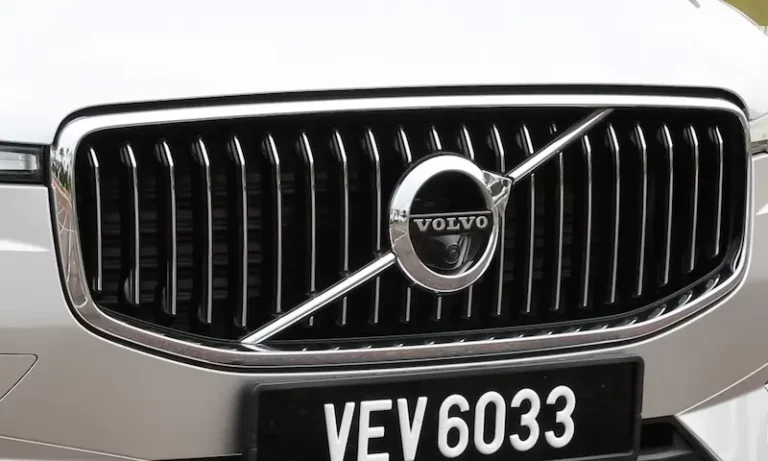
Ever wondered who’s really behind those sleek Swedish vehicles cruising down your street? Volvo has long been associated with Scandinavian design and safety innovation, but rumors about Chinese ownership have left many car enthusiasts confused. Let’s dive into the true ownership structure of Volvo and separate fact from fiction.
The Short Answer: Yes and No
When people ask “is Volvo owned by China,” they’re actually asking about two different companies. Volvo Cars (the passenger vehicle division) is indeed majority-owned by a Chinese company, while AB Volvo (trucks, buses, and construction equipment) remains largely Swedish-owned with some Chinese investment. The situation isn’t as simple as headlines might suggest.
Volvo Cars: The Chinese Connection
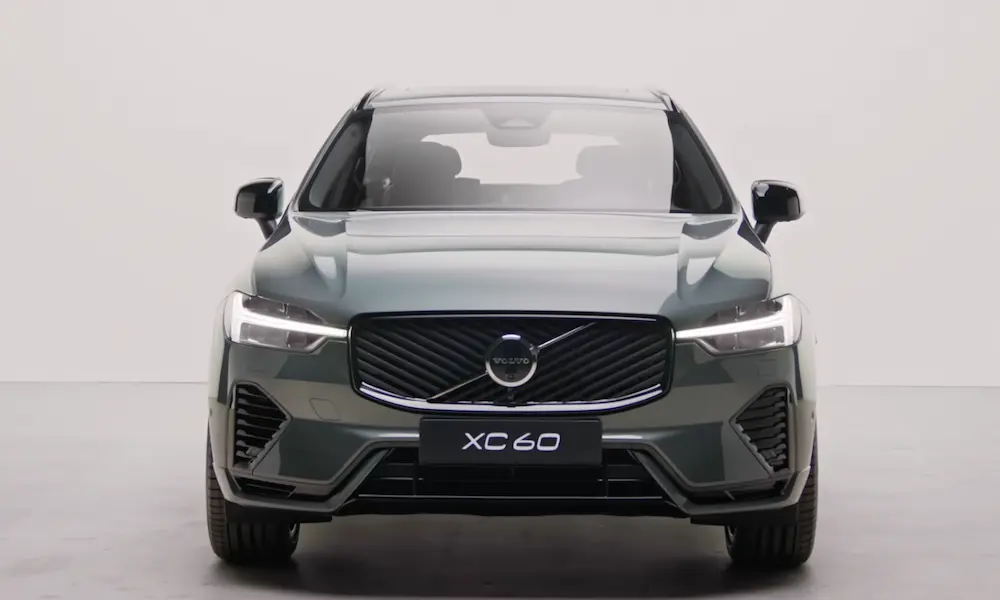
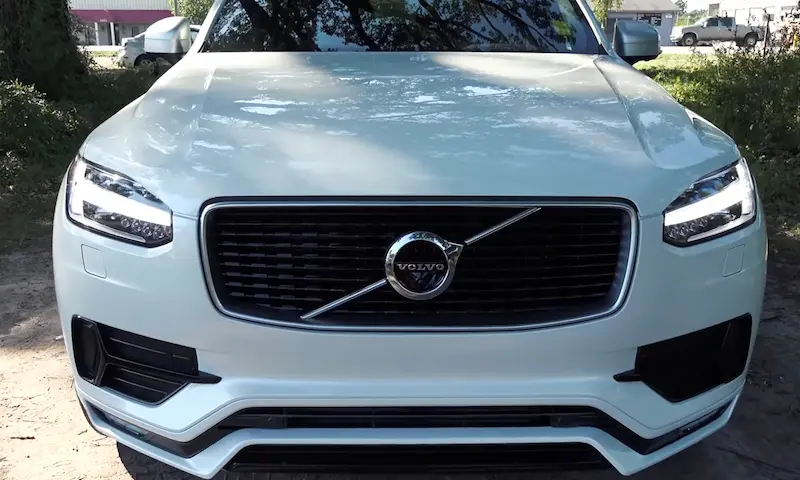
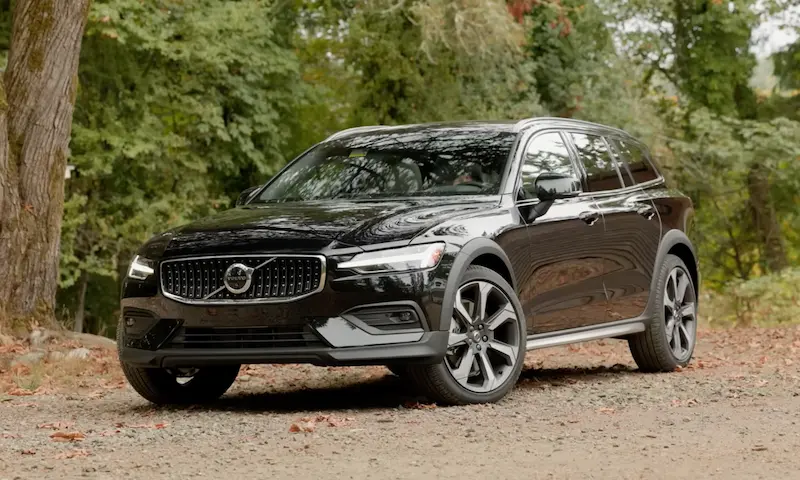
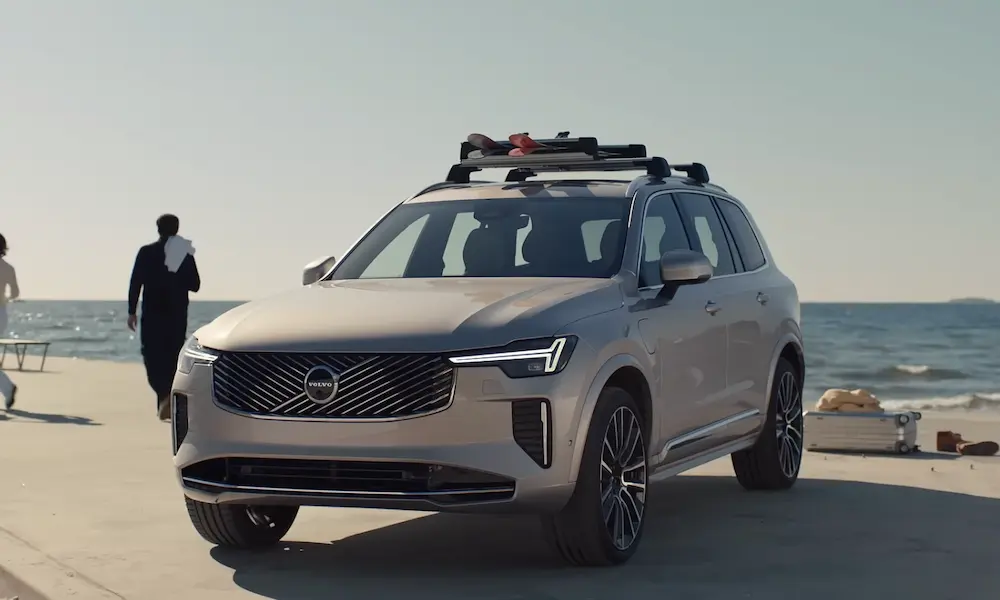
Volvo Cars, the division that produces the sedans, SUVs, and wagons that most consumers recognize, is currently majority-owned by Zhejiang Geely Holding Group, a Chinese multinational automotive company. This wasn’t always the case.
The Path to Chinese Ownership
Volvo Cars has had quite the journey:
- Swedish Origins (1927-1999): Founded in Gothenburg, Sweden, Volvo built its reputation on safety and durability.
- American Ownership (1999-2010): Ford Motor Company purchased Volvo Cars for $6.45 billion in 1999.
- Chinese Acquisition (2010-Present): Geely acquired Volvo Cars from Ford for $1.8 billion in 2010, marking the largest overseas acquisition by a Chinese automaker at that time.
Geely’s Current Stake
As of 2025, Geely Holding Group controls approximately 78.65% of Volvo Car AB’s shares through its founder, Li Shufu. The remaining shares are publicly traded on the Nasdaq Stockholm exchange following Volvo Cars’ IPO in 2021.
| Shareholder | Percentage Owned |
|---|---|
| Geely Holding Group | 78.65% |
| AMF Fonder | 3.47% |
| Folksam | 2.32% |
| Other Public Shareholders | 15.56% |
AB Volvo: Still Primarily Swedish
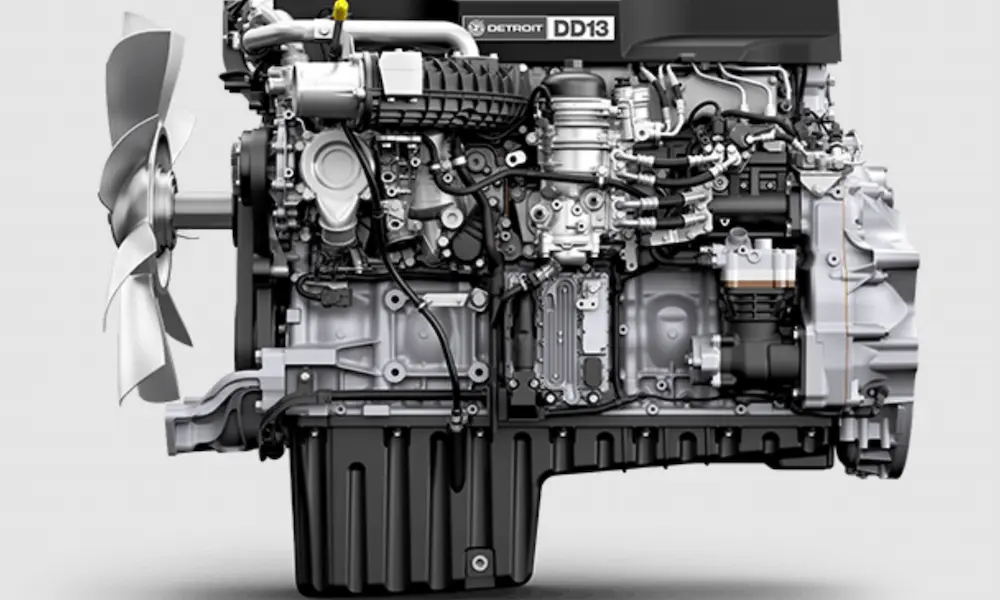
Many people don’t realize that Volvo Cars and AB Volvo (Volvo Group) have been separate companies since 1999. AB Volvo manufactures trucks, buses, construction equipment, and marine and industrial engines.
Ownership Structure
AB Volvo remains primarily Swedish-owned, though Geely does have a stake:
- Listed on the Stockholm Stock Exchange
- Main shareholders include Swedish institutional investors:
- Industrivärden AB (18.7% voting rights)
- Alecta Pension Insurance (4.66%)
- Geely acquired an 8.2% stake in AB Volvo in 2017, making it a significant but non-controlling shareholder
| AB Volvo Shareholder | Voting Rights |
|---|---|
| Industrivärden AB | 18.7% |
| Geely Holding Group | 8.2% |
| Alecta Pension Insurance | 4.66% |
| Other Shareholders | 68.44% |
Swedish Identity in Chinese Hands
Despite Chinese ownership, Volvo Cars has maintained its Swedish identity in several key ways:
Headquarters and Design
Volvo Cars continues to be headquartered in Gothenburg, Sweden, where it was founded nearly a century ago. The company’s design philosophy still embraces Scandinavian principles of minimalism, functionality, and attention to detail.
According to many Volvo enthusiasts, the brand has actually strengthened its Swedish design identity under Geely’s ownership, doubling down on its unique aesthetic rather than becoming more “Chinese” in appearance.
Research and Development
The majority of Volvo’s research and development remains centered in Sweden, ensuring that the brand’s engineering heritage continues. This commitment to Swedish engineering expertise has helped preserve the company’s reputation for safety innovation.
What Has Changed Under Chinese Ownership?
While maintaining its Swedish identity, Volvo Cars has undergone significant transformations since Geely’s acquisition:
Financial Revival
When Geely purchased Volvo Cars from Ford in 2010, the brand was struggling financially. Under Chinese ownership, Volvo has experienced a remarkable turnaround:
- Increased global sales, particularly in the Chinese market
- Return to profitability
- Expanded manufacturing footprint with factories in China and the United States
- Successful IPO in 2021, though Geely maintained its controlling interest
Technological Transformation
Chinese ownership has coincided with Volvo’s ambitious technological evolution:
- Commitment to full electrification by 2030
- Development of autonomous driving technology
- New vehicle platforms designed for electric powertrains
- Launch of the all-electric “Recharge” sub-brand
Global Manufacturing Footprint
While Volvo maintains production in Sweden, its manufacturing has become increasingly global under Geely:
- Three manufacturing plants in China
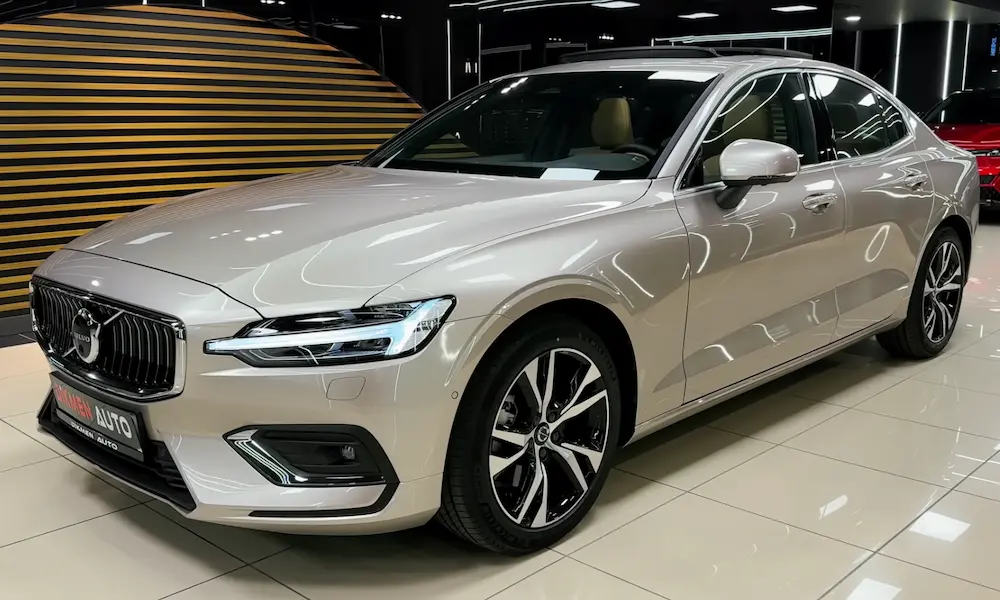
- Factory in South Carolina, USA (producing the S60 sedan and upcoming EX90)
- European production in Sweden and Belgium
Navigating Geopolitical Challenges
Volvo’s Chinese ownership has created some challenges, particularly regarding international trade tensions:
U.S.-China Trade Tensions
Volvo has had to navigate the complicated waters of U.S.-China trade tensions. When tariffs were imposed on Chinese-made vehicles entering the U.S., Volvo adjusted its strategy:
- Increased production at its South Carolina plant
- Shifted production of certain models away from China for U.S.-bound vehicles
- Implemented a flexible manufacturing strategy to adapt to changing trade policies
According to a Reuters report, Volvo’s CEO emphasized that collaboration with Geely has been critical to navigating these headwinds, citing shared procurement and manufacturing efficiencies.
Synergies Between Geely and Volvo
The relationship between Geely and Volvo has evolved beyond simply ownership to include various synergies:
Technology Sharing
- Shared vehicle platforms, including the Compact Modular Architecture for smaller vehicles
- Common electric vehicle technologies
- Joint development of autonomous driving systems
Brand Collaboration
- Creation of Lynk & Co, a joint venture brand combining Volvo technology with Geely resources
- Collaborative approach to electrification strategies
- Shared component sourcing to reduce costs
Governance Structure
Despite Chinese ownership, Volvo Cars maintains significant operational independence:
- Swedish executive leadership team
- Independent board of directors (though chaired by Li Shufu, Geely’s founder)
- Continued commitment to Volvo’s core values of safety, quality, and environmental responsibility
- Separate financial reporting and corporate governance
The Future of Volvo Under Chinese Ownership
Looking ahead, several trends are likely to shape Volvo’s future:
Accelerated Electrification
Volvo Cars has committed to becoming a fully electric brand by 2030, one of the most ambitious timelines in the automotive industry. This transition is supported by Geely’s investments in battery technology and electric vehicle platforms.
Autonomous Driving Development
Both Volvo and Geely are investing heavily in autonomous driving technology, with Volvo positioning itself at the forefront of safety in this emerging field.
Expanded Global Presence
With Geely’s backing, Volvo continues to strengthen its position in China, now the world’s largest automotive market, while also growing in North America and maintaining its European base.
The Verdict: Chinese-Owned but Swedish at Heart
So, is Volvo owned by China? When it comes to Volvo Cars, the answer is yes—it’s majority-owned by a Chinese company. However, AB Volvo (the truck and heavy equipment manufacturer) remains primarily Swedish-owned with only a minority Chinese investment.
The more nuanced reality is that Volvo Cars has maintained its Swedish identity, design philosophy, and commitment to safety while benefiting from Chinese investment and market access. Under Geely’s ownership, Volvo has experienced a renaissance, expanding its model lineup, embracing electrification, and returning to profitability.
For consumers, the quality and character of Volvo vehicles remain distinctly Swedish, even if the ownership structure now has strong ties to China. This balance between Swedish heritage and Chinese investment illustrates the increasingly interconnected nature of the global automotive industry.
Whether you’re considering purchasing a Volvo or simply curious about the brand’s ownership, understanding this nuanced reality provides a clearer picture than the simplified notion that “Volvo is Chinese.”