Having trouble with your Nissan’s idle? Noticing rough engine performance after cleaning or replacing parts? You might need to perform a throttle body relearn. This essential procedure recalibrates your vehicle’s electronic systems, potentially saving you a costly trip to the dealer. By the end of this guide, you’ll understand exactly how to perform this procedure yourself, step by step.
What Is a Throttle Body Relearn and Why It Matters
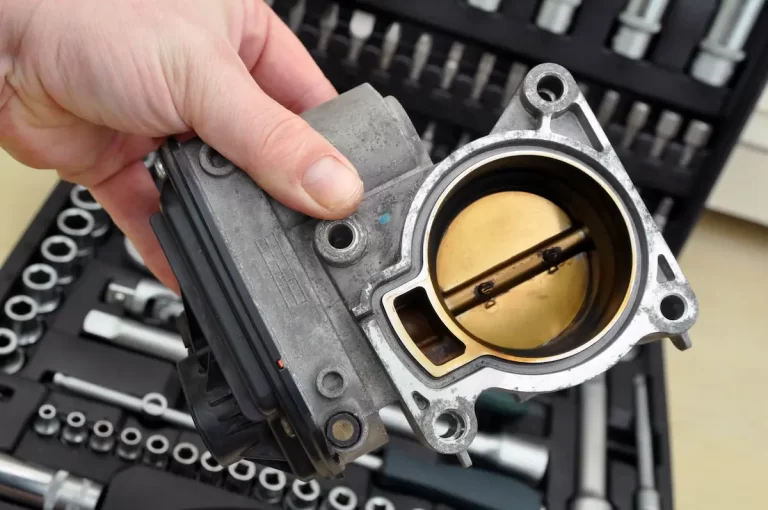
A throttle body relearn is a calibration process that teaches your Nissan’s Engine Control Unit (ECU) how to properly control the throttle body position. The throttle body controls airflow to your engine, directly affecting performance, fuel efficiency, and idle stability.
Modern Nissans use electronic throttle control systems where your accelerator pedal communicates with the ECU through sensors instead of mechanical connections. Over time, the ECU learns to adjust the throttle plate position based on driving conditions and component wear.
When you clean or replace the throttle body, this learned information becomes invalid. The relearn procedure resets these parameters, allowing your Nissan to establish proper idle and throttle response.
Signs Your Nissan Needs a Throttle Body Relearn
Your vehicle might be desperately trying to tell you it needs this procedure. Here are the key symptoms to watch for:
- Unstable or high idle speeds – Your engine RPM fluctuates at idle or stays abnormally high
- Stalling episodes – Engine unexpectedly cuts off at stops
- Hesitation during acceleration – Delayed response when pressing the gas pedal
- Check engine light – Particularly with codes related to throttle position
- Poor fuel economy – Sudden decrease in MPG without explanation
- Rough running after service – Problems appearing after throttle body cleaning or replacement
If you’ve recently disconnected your battery, cleaned your throttle body, or had related engine work done, these symptoms are even more likely to indicate a need for the relearn procedure.
When to Perform the Nissan Throttle Body Relearn
Knowing when to perform this procedure can save you from unnecessary troubleshooting. The throttle body relearn procedure should be done:
- After replacing the electronic throttle body
- Following throttle body cleaning
- After disconnecting the throttle body electrical connector
- When the battery has been disconnected
- After ECU replacement or reprogramming
- When experiencing idle or throttle response issues
- After certain engine repairs that affected the air intake system
This simple maintenance step is often overlooked by DIYers and sometimes even professional technicians, leading to unnecessary parts replacements and diagnostic confusion.
Pre-Procedure Requirements and Safety Precautions
Before attempting the relearn procedure, make sure your vehicle meets these essential conditions:
| Requirement | Specification | Why It Matters |
|---|---|---|
| Battery voltage | Above 12.9V | Ensures stable electronic signals |
| Engine temp | 158-203°F (70-95°C) | Optimal operating temperature for learning |
| No DTCs | All error codes cleared | Prevents interference with relearn process |
| Transmission | At operating temperature | System needs all components at normal temps |
| Electrical loads | All OFF (A/C, lights, radio) | Prevents voltage fluctuations |
| Vehicle position | In Park with parking brake on | Safety and stable idle conditions |
Additionally, ensure you’re working in a well-ventilated area and have allowed your engine sufficient cool-down time if it was recently running. The procedure requires precision, so choose a time when you won’t be rushed or interrupted.
Tools and Materials Needed
The beauty of this procedure is its simplicity. You’ll need:
- Owner’s manual (optional but helpful)
- Watch or timer (for precise timing)
- OBD-II scanner (optional – only if checking/clearing codes)
Most Nissan models don’t require special tools for the manual relearn procedure, making this a true DIY-friendly task.
The Complete Nissan Throttle Body Relearn Procedure
The complete process consists of three sequential procedures that must be performed in the correct order. Each step teaches the ECU a different aspect of throttle control.
Procedure 1: Accelerator Pedal Released Position Learn
This first step establishes the baseline position when your foot is completely off the gas pedal.
- Make sure the accelerator pedal is fully released
- Turn the ignition switch to ON position (don’t start the engine)
- Wait exactly 2 seconds
- Turn ignition OFF and wait exactly 10 seconds
- Repeat steps 2-4 one more time (2 seconds ON, 10 seconds OFF)
Procedure 2: Throttle Valve Closed Position Learn
This teaches the ECU where the closed throttle position is:
- Confirm the accelerator pedal is still fully released
- Turn ignition switch to ON (don’t start)
- Turn ignition OFF and wait at least 10 seconds
- Listen carefully for the throttle body making adjustment sounds during this OFF period
If you don’t hear the throttle body making any sounds (slight whirring or clicking), the procedure may not be working correctly. These sounds confirm the throttle body is recalibrating.
Procedure 3: Idle Air Volume Learn
This final step is the most complex but crucial for establishing proper idle:
- With accelerator pedal fully released, turn ignition ON (don’t start) for 3 seconds
- Quickly and fully press and release the accelerator pedal 5 times within 5 seconds
- Wait exactly 7 seconds
- Fully depress the accelerator pedal and hold it down
- Continue holding until the check engine light stops blinking and remains ON (about 20 seconds)
- Within 3 seconds of the light staying solid, release the pedal and start the engine
- Let the engine idle for at least 30 seconds without touching any controls
- Gently rev the engine a few times to confirm stable idle
The entire procedure takes about 5-10 minutes to complete properly. Precision timing is key to success.
Special Notes for Different Nissan Models
While the general procedure works across most modern Nissans, there are some model-specific variations:
Nissan Altima, Maxima, and Sentra (2007-present)
These models may require an additional step during Procedure 3:
- After the engine has idled for 30 seconds, drive the vehicle in a variety of conditions (stop-and-go, highway) for 10-20 minutes
- This “dynamic relearn” helps the ECU adapt to various driving scenarios
Nissan 350Z, 370Z, and GT-R
Performance models might display more noticeable symptoms if the relearn isn’t performed correctly. The GT-R specifically may require additional steps:
- After completing the standard procedure, the vehicle might need an extended drive cycle
- Some owners report success with multiple relearn attempts if the first doesn’t resolve issues
Nissan Leaf and Electric Models
For the Nissan Leaf:
- The procedure is similar but focuses primarily on the accelerator pedal position sensors
- The Leaf’s throttle system is uniquely calibrated for regenerative braking coordination
Using Diagnostic Tools for Throttle Body Relearn
For those who prefer using technology, many OBD-II scan tools can perform the relearn procedure automatically:
- Connect the scan tool to your Nissan’s OBD-II port (usually under the dashboard)
- Navigate to “Special Functions” or similar menu
- Select “Throttle Body Relearn” or “Idle Air Volume Learn”
- Follow the on-screen instructions specific to your scan tool
Professional-grade scanners like those from Autel, Launch, or Nissan’s Consult provide the most reliable results, but even mid-range consumer scanners can often perform this function.
Troubleshooting the Relearn Procedure
If your relearn attempt doesn’t resolve the issues, try these troubleshooting steps:
The Procedure Doesn’t Seem to Work
- Verify battery voltage is above 12.9V (use a multimeter)
- Ensure engine is at proper operating temperature
- Check for active DTCs that might prevent relearn
- Try repeating the entire process from the beginning
Idle Issues Persist After Relearn
If idle problems continue after a seemingly successful procedure:
- Check for vacuum leaks in intake hoses and manifold
- Inspect the PCV valve for proper function
- Look for carbon buildup on throttle plate edges
- Check that the throttle plate closes completely
- Verify MAF sensor is clean and functioning
Advanced Troubleshooting Method
For persistent problems, try this mechanic’s trick:
- Start the engine and temporarily disconnect up to 2 fuel injectors on 4-cylinder engines (up to 3 on 6 or 8-cylinder engines)
- Allow the engine to stabilize its idle
- Turn off engine and repeat the complete relearn procedure
- Reconnect injectors and idle for 30 seconds
This method, suggested by professional technicians, can sometimes help the ECU establish a more stable idle baseline.
Maintenance Tips to Prevent Future Throttle Issues
Preventing throttle body problems is easier than fixing them. Here’s how to keep your Nissan running smoothly:
- Clean the throttle body every 30,000-50,000 miles using proper throttle body cleaner
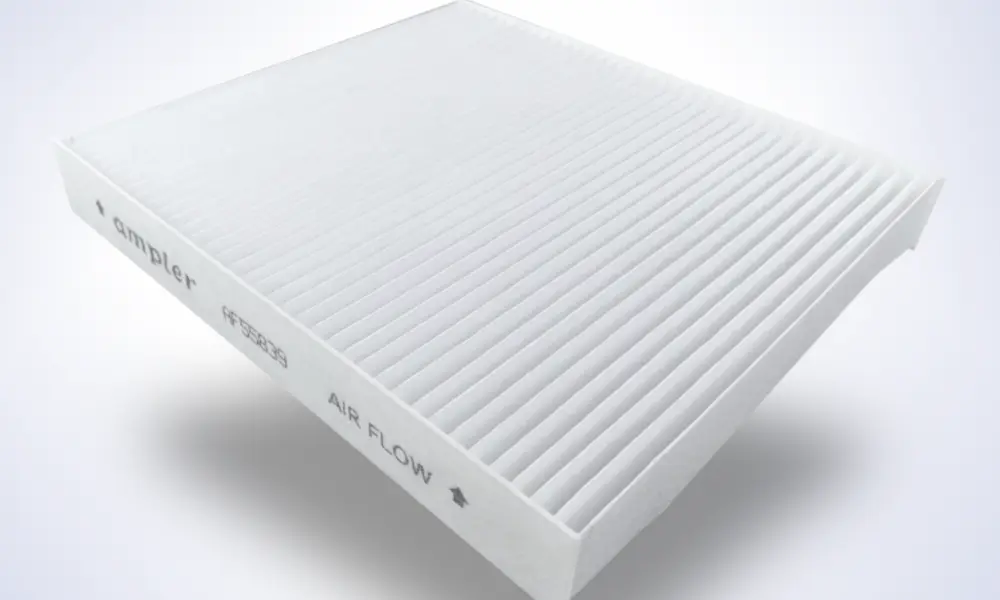
- Check and replace the air filter according to maintenance schedule
- Use quality fuel to minimize carbon deposits
- Address check engine lights promptly rather than letting issues compound
- Keep battery connections clean and tight to maintain proper voltage
- Perform periodic ECU resets if you notice adaptive learning issues
Remember that after any throttle body cleaning or service, the relearn procedure should be performed to maintain optimal performance.
The Cost Savings of DIY Throttle Body Relearn
Dealerships typically charge between $75-200 for a throttle body relearn procedure, despite it taking a technician just 10-15 minutes. Some Nissan owners report being quoted up to $200 for this simple service.
By performing this procedure yourself, you not only save money but also gain valuable knowledge about your vehicle’s systems. Plus, you’ll be able to perform this quick fix anytime issues arise without scheduling a service appointment.
Preventing Common Throttle Body Problems
Beyond the relearn procedure, here are tips to keep your throttle body healthy:
- Avoid cheap gas when possible as it tends to leave more deposits
- Don’t skip oil changes as blow-by gases can contaminate the intake tract
- Replace the PCV valve at recommended intervals to prevent oil vapor buildup
- Use fuel system cleaners occasionally to reduce carbon deposits
- Clean the MAF sensor when servicing the throttle body
- Check for vacuum leaks regularly, especially on older vehicles
These preventive measures will extend the life of your throttle body and reduce the frequency of relearn procedures needed.
Real-World Success Stories
Many Nissan owners have successfully resolved frustrating issues with this simple procedure:
- A 2012 Nissan Maxima owner eliminated persistent stalling issues after multiple dealer visits couldn’t fix the problem
- A 370Z enthusiast restored proper throttle response after cleaning their throttle body, saving over $150 in diagnostic fees
- A Nissan forum member fixed erratic idle on their Altima after battery replacement by performing the relearn procedure
Following the correct procedure has helped countless owners avoid unnecessary parts replacements and expensive diagnostic time.
Why Modern Nissans Need This Special Procedure
You might wonder why this procedure exists in the first place. Modern Nissan vehicles, like most cars today, use a drive-by-wire system instead of traditional mechanical throttle linkages.
In these electronic throttle control systems, your accelerator pedal position is just a suggestion to the computer, which then decides how much to open the throttle based on various factors.
The ECU constantly adapts to your driving style, component wear, and environmental conditions. When you disconnect the battery or service the throttle body, these learned parameters are lost, requiring the relearn process to restore optimal operation.
Beyond the Basics: Advanced Understanding
For the technically inclined, here’s what’s really happening during the relearn:
- Procedure 1 calibrates the accelerator pedal position sensor’s zero point
- Procedure 2 establishes the throttle plate’s fully closed position and calibrates the throttle position sensor
- Procedure 3 determines the proper air volume needed for stable idle under various conditions
The ECU stores these values in its adaptive memory and uses them as baseline references for all throttle control calculations, making this procedure critical for proper engine operation.
By understanding and performing this simple yet powerful procedure, you’ve added another valuable skill to your DIY auto maintenance toolkit and potentially saved yourself hundreds of dollars in unnecessary repair bills.