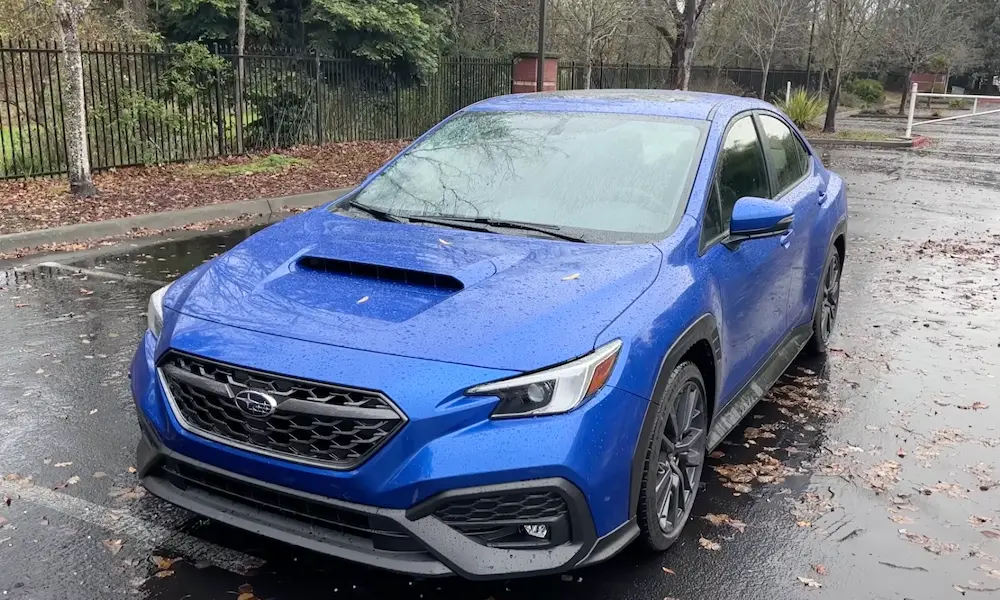
Quoted $400 at the dealership for a spark plug swap? That stings — especially when the parts cost under $100. Subaru’s Boxer engine makes this job trickier than most, but it’s completely doable in your driveway. This guide walks you through every step, the right tools, and the model-specific tricks that make the difference between a smooth job and a stripped cylinder head. Read to the end before you touch anything.
Why Subaru Spark Plug Replacement Is Different
Most spark plug jobs take 20 minutes. Subaru’s? More like two to three hours — if you know what you’re doing.
The Boxer engine lays its cylinders flat, pointing outward toward the car’s frame rails. That’s great for a low center of gravity and smooth power delivery. It’s terrible for anyone trying to reach the spark plugs.
In a typical inline engine, plugs sit on top, easily reached once you pull a plastic cover. In a Subaru, the plugs point sideways, directly at structural steel. There’s often only a few inches of clearance between the cylinder head and the chassis.
Add in modern coil-on-plug ignition systems — where a rigid coil bolts into a deep spark plug tube — and you can’t just yank a wire and jam in a socket. You need a plan.
The Tools You Actually Need
Don’t even start this job without the right toolkit. Standard sockets won’t fit. Standard extensions are too long. Here’s what works:
| Tool | Specification | Why It Matters |
|---|---|---|
| Spark Plug Socket | 14mm thin-wall, magnetic swivel | Fits narrow tubes without binding; magnet keeps the plug from dropping |
| Wobble Extensions | 1.5″, 3″, and 6″ with wobble ends | Lets you work at slight angles when the frame blocks a straight shot |
| Low-Profile Flex Ratchet | 3/8″ drive, 90-tooth or finer | You’ll only get 10–15 degrees of swing in some spots |
| Torque Wrench | 3/8″ drive, 10–20 ft-lb range | Prevents stripping aluminum threads — not optional |
| 10mm and 12mm Sockets | Standard depth | Coil bolts, battery terminals, and engine shields all use these |
| 8mm Nut Driver | Standard | Air intake clamps — better control than a screwdriver |
| Trim Clip Pliers | Any style | Removes plastic pop-clips without snapping them |
Older 5/8″ sockets work on earlier EJ-series engines, but modern FB and FA engines take a 14mm thin-wall socket. A standard socket may bind inside the tube or give you false torque readings.
Choosing the Right Spark Plugs
Subaru engines are picky. Use OEM-spec NGK or Denso iridium plugs — not the cheap copper ones at the parts store.
The correct plug depends on your engine and whether it’s turbocharged. Turbo engines run hotter and need a “colder” heat range to prevent pre-ignition.
| Engine | Model Years | NGK Part Number | Notes |
|---|---|---|---|
| 2.5L Non-Turbo (FB25) | 2011–2024 | SILZKAR7B11 | Most Outback, Forester, Legacy |
| 2.0L Non-Turbo (FB20) | 2012–2024 | SILZKAR7B11 | Impreza, older Forester |
| 2.0L Turbo (FA20DIT) | 2014–2018 | ILKAR8H6 | Forester XT, WRX |
| 2.4L Turbo (FA24) | 2019–2024 | SILKFR8A6 | Ascent, Outback XT, Forester XT |
| 2.5L Turbo (EJ257) | 2004–2021 | ILFR6B | WRX STI, older Forester XT |
Check your plug gap before installation, even on “pre-gapped” plugs. Naturally aspirated engines want 0.039–0.043 inches. Turbocharged FA20 engines need a much tighter 0.020–0.022 inches — a wide gap gets blown out by boost pressure. Use a wire-style feeler gauge and don’t touch the iridium electrode with metal tools.
Before You Start: Safety Steps That Prevent Expensive Mistakes
Skip these steps and you risk stripping threads or shocking yourself mid-job.
Let the engine cool completely. Aluminum cylinder heads expand when hot. Removing plugs from a warm engine can cause the steel plug threads to pull out the aluminum threads — a repair that costs more than a catalytic converter replacement. Wait two to four hours minimum.
Disconnect the negative battery terminal. Use a 10mm wrench. One accidental short in that cramped engine bay can damage your ECU.
Blow out the spark plug tubes. Sand, grit, and road salt collect around the coils. Use compressed air to clear the area before you pull anything out. Debris that falls into the combustion chamber can score your cylinder walls.
Passenger Side First: Cylinders 1 and 3
The passenger side is the easier side. Most of what’s blocking you is plastic and comes off in minutes.
Removing the Air Intake
Start by pulling the plastic air scoop above the radiator — two pop-clips hold it in place. Next, remove the air filter housing with two 10mm bolts (one near the headlight, one lower on the frame rail). Disconnect the Mass Airflow sensor connector. Finally, loosen the 8mm clamps on the accordion intake tube at both ends and pull it free.
You’ll now see both ignition coils clearly. Each coil has one 10mm bolt. Remove it, then wiggle and pull the coil straight out. On the passenger side, you often don’t need to disconnect the electrical harness — though unplugging it gives you more room to maneuver.
Driver Side Next: Cylinders 2 and 4
This side is where the job gets real. The battery, wiring harnesses, and structural frame all crowd the same small space.
Clearing the Obstructions
Pull the battery first. Disconnect both terminals, remove the 10mm tie-down nuts, and lift the battery and tray out. This opens up the engine side, but the frame rail still limits your reach significantly.
On 2019 and newer models, a metal positive cable bracket may need to shift slightly to free the rear coil. On 2020+ Outback and Forester, three 12mm bolts hold a black metal shield to the side of the engine. Remove it completely.
The Cylinder 4 Challenge
Cylinder 4 is the most difficult spark plug to reach on any modern passenger car. The gap between the coil and the frame rail is sometimes shorter than the coil’s rubber boot. You’ll need to rotate the coil 180 degrees while pulling it outward — essentially snaking it past the chassis steel. If it still won’t budge, disconnect the electrical connector first. That extra inch of clearance makes the difference.
The Segmented Tool Technique
A standard socket-plus-extension-plus-ratchet assembly is too long to fit in the gap. You have to build the tool stack inside the engine bay.
Here’s how it works:
- Drop the 14mm thin-wall socket into the spark plug tube by hand and seat it on the plug
- Insert a short 1.5″ or 3″ wobble extension into the tube and click it into the socket
- Attach the ratchet to the extension — you’ll get maybe 10–15 degrees of swing
- Break the plug loose, then remove the ratchet to save space
- Spin the extension and socket by hand to unthread the plug the rest of the way
- If the combined length of plug + socket + extension won’t clear the frame rail when you pull it out, disconnect the extension from the socket inside the tube and remove each piece separately
This sounds fiddly. It is. But it’s the only way without lifting the engine.
The Engine Lift Shortcut (Optional but Worth Knowing)
If you’re working on a 2014–2018 Forester or a turbocharged model, some techs skip the fiddly extraction and just move the engine slightly instead.
- Jack up the car and remove the two 14mm nuts from the lower motor mounts
- Place a floor jack under the oil pan with a thick wood block between them — the wood spreads the load and protects the pan
- Slowly raise the engine about one inch
- Watch for strain on radiator hoses, the pitch-stop mount at the rear of the engine, and exhaust connections
One inch of lift moves the spark plug tubes above the frame rail line and gives you a clear, straight path for your tools. It turns a three-hour job into a two-hour one.
Installing the New Plugs: Where Most Mistakes Happen
This is the part that separates a clean job from a $1,500 repair.
Start every plug by hand — no exceptions. Use the rubber hose trick: push a six-inch piece of rubber fuel hose onto the end of the new spark plug. If the plug starts to cross-thread, the hose spins freely on the ceramic instead of forcing the misaligned threads deeper. This single trick prevents most cross-threading disasters.
Once the plug is finger-tight, grab the torque wrench:
| Engine | Torque (ft-lb) | Torque (Nm) | Angle Method |
|---|---|---|---|
| FB25 / FB20 Non-Turbo | 13.0–15.9 | 17.5–21.6 | ½ to ⅔ turn past finger-tight |
| FA20 / FA24 Turbo | 13.0–15.0 | 17.5–20.0 | ½ to ⅔ turn past finger-tight |
Skip the Anti-Seize
Many older guides tell you to coat the threads with anti-seize. Don’t do it on modern Subaru plugs. NGK and Denso iridium plugs use trivalent zinc chromate plating that handles anti-seizing on its own.
Adding lubricant reduces thread friction, which causes your torque wrench to click too early — and you’ll keep tightening past the safe point. Some lubricants also interfere with the plug’s electrical grounding through the threads. Install them clean and dry.
Dielectric Grease: Use It Right
Dielectric grease seals the coil boot against moisture and prevents high-voltage flashover — where the spark arcs down the outside of the plug instead of across the electrode gap.
Apply a thin film inside the rubber boot of each ignition coil, about half an inch from the open end. A cotton swab works well. You can also put a small amount on the white ceramic insulator of the new plug.
Don’t get any on the metal terminal at the tip of the plug or the spring inside the coil. Dielectric grease is an electrical insulator. Put it on the contacts and you’ll create a misfire.
Reassembly and First Start
Bolt the coils back in and reconnect each harness — listen for a distinct click from each connector locking into place. Reinstall the intake system and battery in reverse order.
On the first start after reconnecting the battery, the ECU has lost its learned idle data. The engine may idle rough or take a few extra cranks to fire. This is normal. Let it idle for five to ten minutes without touching the accelerator. The ECU recalibrates on its own.
Then take it for a drive. Watch for a Check Engine light or any hesitation under load. Either symptom usually points to a cracked insulator or a connector that didn’t fully seat.
What Your Old Plugs Tell You
Before you throw the old plugs away, take a look at them. They’re a window into your engine’s health.
- Ashy white deposits: The engine may be burning oil, or you’ve been running low-quality fuel
- Wet with oil: Oil is getting past piston rings or valve guide seals — worth investigating further
- Blistered ceramic: The engine ran too hot, possibly from a lean fuel mixture or the wrong heat-range plug
- Black carbon lines on the ceramic: Spark is arcing outside the plug — your ignition coil boots need replacing
The Cost Reality: DIY vs. Dealership
Dealerships in major US cities charge $250–$450 for this service. The parts alone — four iridium plugs — run $60–$100 at retail.
The tools you need cost roughly:
- 14mm thin-wall magnetic swivel socket: ~$20
- Wobble extension set: ~$25
- Torque wrench: ~$50–$100
That’s a one-time investment that pays for itself on the first job. Every future service interval, you’re just buying plugs. Subaru recommends replacement every 60,000 miles or six years, whichever comes first. Skip it, and worn plugs stress your ignition coils — a single coil runs over $100. Keep ignoring it and unburned fuel can destroy your catalytic converter, which can cost $1,200–$2,000 to replace.
The math on doing this yourself is pretty clear.