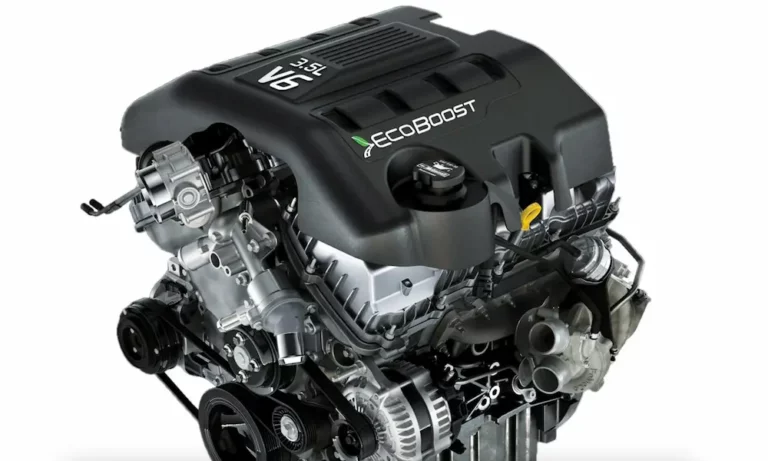
Looking to extract more power from your Ford 3.5 EcoBoost engine? You’re sitting on a gold mine of untapped potential. With the right upgrades, you can transform your already capable twin-turbo V6 into a tire-shredding monster that’ll make V8 owners do a double-take. Let’s dive into the most effective ways to boost your EcoBoost’s performance without sacrificing reliability.
Why the 3.5 EcoBoost Is Perfect for Upgrading
The 3.5 EcoBoost is Ford’s engineering masterpiece—a twin-turbocharged V6 that delivers impressive power right from the factory. But here’s the kicker: it’s designed with considerable headroom for modifications. With stock internals capable of handling much more than the factory-rated 400 horsepower and 500 lb-ft of torque, you’re working with an engine that’s practically begging to be unleashed.
Cold Air Intake: The Gateway Upgrade
Starting your 3.5 EcoBoost modification journey with a cold air intake makes perfect sense. It’s affordable, easy to install, and delivers immediate results.
The factory intake system prioritizes quiet operation over maximum airflow. Aftermarket options like the Banks Ram Air Intake System can reduce airflow restriction by over 60% compared to stock. This translates to:
- 10-15 horsepower gains
- Improved throttle response
- Better fuel efficiency during normal driving
- That addictive turbo sound you’ve been craving
Installation typically takes less than an hour with basic hand tools. The payoff is immediate—you’ll feel the difference on your very first drive, especially when those turbos spool up.
ECU Tuning: Unlock Hidden Potential
If there’s one upgrade that gives you the biggest bang for your buck, it’s ECU tuning. Modern engine management systems are programmed conservatively from the factory, leaving significant power on the table.
Box Tuners vs. Custom Tunes
You have two main options when it comes to tuning your 3.5 EcoBoost:
Box Tuners (Plug and Play):
- Products like Bully Dog BDX or Edge Evolution CTS3
- Pre-programmed performance maps
- Typically deliver 40-60 horsepower gains on 91 octane
- Easy installation with no expert help required
- Can improve fuel economy by up to 20% during light-load driving
Custom Tunes:
- Tailored specifically to your truck and modifications
- Can extract maximum power based on your exact setup
- Adjust for factors like altitude, fuel quality, and supporting mods
- Properly tuned Gen 2 engines can achieve 600+ wheel horsepower
- Requires working with a professional tuner
For the best results, custom tuning through devices like the SCT BDX allows precision adjustments tailored to your specific setup. A good tuner will analyze data logs from oxygen sensors and knock detection to push your engine safely to its mechanical limits.
Exhaust Upgrades: Let It Breathe
The factory exhaust system on the 3.5 EcoBoost is restrictive—it’s designed to keep things quiet and emissions-compliant at the expense of performance. Upgrading your exhaust improves both power and sound.
Downpipes: The Critical Component
Replacing the restrictive factory downpipes provides the biggest exhaust-related gains. Here’s why:
- Factory downpipes create exhaust gas temperatures exceeding 1,600°F under load
- Aftermarket 3″ high-flow units decrease backpressure by approximately 30%
- Allows turbos to spool 200-300 RPM faster
- Available in catted (emissions-friendly) or catless options
- Typically yields 15-25 horsepower when combined with cat-back systems
Cat-Back Systems: Sound and Flow
A quality cat-back exhaust system like those from Livernois Motorsports and Corsa Performance offers multiple benefits:
- Mandrel-bent 304 stainless steel construction ensures consistent diameter
- Reduced drone at highway speeds (up to 12dB lower with some systems)
- Improved exhaust scavenging efficiency
- Distinctive exhaust note that turns heads
- Better sustained boost pressure during wide-open throttle pulls
For the best results, pair downpipe upgrades with a performance cat-back system. The combination creates a free-flowing exhaust path from the turbos all the way to the tailpipe.
Intercooler Upgrades: Beat the Heat
The Achilles’ heel of any turbocharged engine is heat. As boost increases, charge air temperatures rise dramatically, forcing the ECU to pull timing and reduce power. An upgraded intercooler is essential for consistent performance.
The factory intercooler simply can’t dissipate heat effectively during sustained heavy use. Premium options like the Wagner Tuning competition intercooler offer:
- Up to 108% greater charge air volume
- Reduction in intake temperatures by 90°F during repeated pulls
- Advanced bar-and-plate core design with superior thermal efficiency
- Dramatically improved heat soak resistance
- Consistent power delivery even in hot weather or during towing
This upgrade becomes particularly important if you’ve increased boost pressure through tuning or turbo upgrades. Think of it as insurance for your engine’s longevity while pushing more power.
Turbocharger Modifications: Go Big or Go Home
The factory twin turbochargers are capable performers, but they have their limits. Depending on your power goals, you have several options:
Stock Turbo Enhancement
If you’re looking for moderate gains while maintaining quick spool-up:
- Upgraded blow-off valves from Turbosmart’s Kompact series improve throttle response by 22%
- Wastegate actuator upgrades allow for higher boost pressure
- Properly tuned stock turbos can support 500-600 horsepower with supporting mods
Aftermarket Turbo Upgrades
For those seeking serious power beyond 600 horsepower:
- Full-Race’s Formline Turbo Manifolds facilitate installation of premium BorgWarner EFR turbos
- Billet compressor wheels and ceramic ball bearings reduce rotational inertia
- The PowerMax Stage 2 upgrade increases airflow capacity by 38% compared to stock
- Can safely run 25+ psi of sustained boost without compressor surge
- Potential for 700+ horsepower with supporting modifications
Remember that upgrading turbos requires addressing fuel delivery, intercooling, and engine management to maintain reliability.
Fuel System Enhancements: Feed the Beast
More air requires more fuel. The factory fuel system becomes a limitation when pushing beyond certain power levels or when using alternative fuels like E85.
Standard Gasoline Upgrades
For moderate power increases on pump gas:
- High-flow fuel pumps increase delivery capacity
- Upgraded fuel injectors ensure proper atomization at higher pressures
- Fuel pressure regulators maintain consistent pressure across the RPM range
E85 Conversion
For maximum performance, converting to E85 fuel offers substantial benefits:
- Ethanol’s higher octane equivalent (approximately 105) allows for more aggressive timing
- Cooling effect reduces knock tendency
- Enables boost pressure increases to 28-32 psi on properly built engines
- Requires ethanol-compatible fuel pumps with 30% greater flow
- Needs high-impedance stainless steel injectors
- Flex fuel sensors for real-time blend detection
- Custom ECU mapping to adjust for different air-fuel ratio requirements
When properly implemented, E85 tuning can unlock 100+ additional horsepower on stock turbos through increased boost and advanced timing.
Reliability Enhancements: Protecting Your Investment
Pushing your 3.5 EcoBoost harder means taking extra steps to ensure longevity:
Oil Catch Can/Separator
Direct injection engines like the EcoBoost suffer from carbon buildup on intake valves:
- Installing an oil separator in the PCV system reduces this contamination by 80%
- UPR Dual Valve Catch Can systems feature two-stage filtration
- Captures sub-micron oil particles while maintaining proper crankcase ventilation
- Regular maintenance is simple—just drain the accumulated oil periodically
Upgraded Cooling System
Beyond the intercooler, consider:
- Higher capacity radiator
- Performance water pump
- Engine oil cooler
- Transmission cooler (especially important for towing applications)
Methanol/Water Injection
For extreme applications, water/methanol injection systems provide dual benefits:
- Methanol’s high octane rating (120+) allows for aggressive timing advance
- Water’s cooling effect reduces combustion temperatures by up to 200°F
- Acts as “chemical intercooling” to supplement your physical intercooler
- Can be configured to activate only at specific boost thresholds
Building a Comprehensive Upgrade Plan
The best approach to modifying your 3.5 EcoBoost is following a logical progression that builds on previous modifications. Here’s a sensible upgrade path based on power goals:
Stage 1 (450-500hp)
- Cold air intake
- Custom ECU tune
- Cat-back exhaust
- Oil catch can
Stage 2 (500-600hp)
- All Stage 1 mods
- High-flow downpipes
- Upgraded intercooler
- Blow-off valves
- Fuel system upgrades
Stage 3 (600hp+)
- All Stage 2 mods
- Turbo upgrades or replacements
- E85 conversion
- Methanol/water injection
- Full cooling system upgrades
Real-World Performance Results
To understand what’s possible with a properly modified 3.5 EcoBoost, consider these dyno-verified results:
| Modification Level | Approximate WHP | Torque (lb-ft) | 0-60 MPH | 1/4 Mile |
|---|---|---|---|---|
| Stock (2021+ F-150) | 360-375 | 475-490 | 5.3s | 13.9s |
| Stage 1 | 430-450 | 530-550 | 4.8s | 13.3s |
| Stage 2 | 500-525 | 580-600 | 4.4s | 12.7s |
| Stage 3 | 650+ | 700+ | 3.8s | 11.8s |
These numbers can vary based on specific components, tuning expertise, fuel quality, and testing conditions. But they represent realistic expectations for a properly built 3.5 EcoBoost.
Making Smart Upgrade Choices
When selecting components for your 3.5 EcoBoost build, consider these factors:
- Quality over price: Budget parts often cost more in the long run through reduced reliability
- System compatibility: Ensure all components work together harmoniously
- Tuning support: Verify that your chosen tuner has experience with your specific modifications
- Driving goals: Daily driver, weekend warrior, or track monster—each requires different priorities
- Future expandability: Select parts that support your long-term power goals
Maintenance Considerations for Modified EcoBoosts
Modified engines require more attentive maintenance:
- Use high-quality synthetic oil rated for turbocharged applications
- Shorten oil change intervals, especially if pushing big power
- Regularly inspect turbo-related components for leaks or wear
- Clean intercoolers periodically to maintain efficiency
- Monitor for carbon buildup in the intake valves
With proper care, a modified 3.5 EcoBoost can deliver years of trouble-free performance despite making significantly more power than stock.
The EcoBoost Advantage
Perhaps the most satisfying aspect of modifying the 3.5 EcoBoost is surprising unsuspecting performance car owners. There’s nothing quite like the look on someone’s face when your “just a V6 truck” walks away from their sports car. The combination of massive torque, all-wheel drive traction, and the distinctive whistle of spooling turbos creates an experience that’s uniquely rewarding.
By following this guide and working with reputable parts suppliers and tuners, you can transform your 3.5 EcoBoost into a legitimate performance vehicle while maintaining the practicality and reliability that made you choose it in the first place. The twin-turbo V6 platform responds exceptionally well to modifications, rewarding your investment with serious performance gains at every stage.