Your 6.0 Powerstroke’s cooling system isn’t just about keeping temperatures down—it’s about preventing catastrophic oil cooler failures that’ll cost you thousands. Using the wrong coolant or skipping proper maintenance can turn your truck into an expensive paperweight. Here’s what works, what doesn’t, and how to keep your engine running strong.
What Coolant Does Ford Recommend?
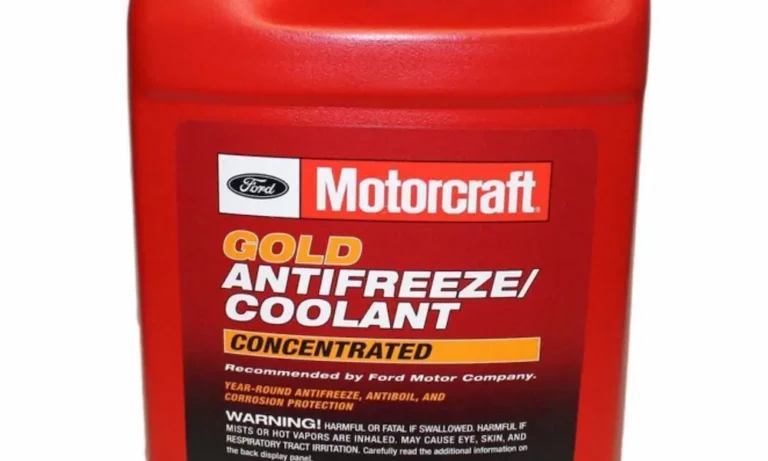
Ford specifies Motorcraft Gold coolant (VC-7-B) for your 6.0 Powerstroke. It meets Ford specification WSS-M97B51-A1 and comes in that distinctive gold/yellow color you’ve probably seen before.
This is a Hybrid Organic Acid Technology (HOAT) coolant with low silicate content and no phosphates. When you mix it 50/50 with distilled water, it protects against freezing down to -34°F and prevents boiling up to 265°F.
The service schedule calls for an initial change at 100,000 miles, then every 45,000 miles after that. It’s compatible with aluminum components and provides year-round protection against corrosion, freezing, and overheating.
Here’s the catch: while it meets Ford’s specs, many diesel techs don’t think it’s the best option for long-term protection.
Why Diesel Experts Prefer CAT ELC Instead
Here’s something interesting—Navistar actually built your 6.0 Powerstroke engine, and they originally specified CAT ELC (Extended Life Coolant) meeting CAT EC-1 specification. Many specialists now recommend switching to this formula for better protection.
CAT ELC offers some serious advantages over Ford Gold. You’re looking at extended service life up to 600,000 miles or 12,000 hours between changes. It contains zero silicates, which eliminates the risk of silicate dropout that clogs those narrow oil cooler passages.
The formula provides superior cavitation protection for diesel engines, and you won’t need to mess with supplemental coolant additives (SCAs). It’s designed specifically for heavy-duty diesel applications, which is exactly what your Powerstroke is.
If you’re planning to keep your truck long-term, the extended intervals alone make ELC worth considering. You’ll do fewer coolant changes over the life of your engine.
Shell Rotella ELC: Another Solid Choice
Shell makes two ELC formulations that work great in 6.0 Powerstroke engines. The standard Shell Rotella ELC contains nitrites and meets CAT EC-1 specifications, giving you the same extended protection as CAT’s branded coolant.
The newer Shell Rotella ELC Nitrite-Free formula is designed for modern aluminum cooling systems. It offers even longer service intervals—up to 1,200,000 miles under proper maintenance conditions.
Both versions provide excellent protection and are widely available. The nitrite-free version costs a bit more, but the extended service life can offset that if you’re racking up serious miles.
You’ll find Shell Rotella at most truck stops and heavy-duty parts suppliers, which makes it convenient when you’re on the road.
Zerex G05: The Budget-Friendly Option
If you want to stick with Ford’s specification without paying OEM prices, Zerex G05 is your answer. It meets the exact same WSS-M97B51-A1 specification as Motorcraft Gold.
This nitrite-containing HOAT formula provides diesel engine protection at a lower cost than the Ford-branded stuff. It’s fully compatible with existing Ford Gold coolant, so you can top off without issues.
You’ll find Zerex G05 at auto parts stores for significantly less money than Motorcraft. It offers the same protection level, same service intervals, and same compatibility—just without the premium price tag.
For budget-conscious owners who want to follow Ford’s specs, this is the smart play.
Understanding the Oil Cooler Problem
The 6.0 Powerstroke has a notorious weak point: the oil cooler. Those narrow passages inside can clog from several sources—silicate deposits from conventional coolants, casting sand left over from the factory, and scale or corrosion particles floating in your cooling system.
When the oil cooler gets restricted, oil temperatures climb. If your oil temp hits 258°F, the engine will shut itself down to prevent damage. At that point, you’re looking at a tow truck and a repair bill between $2,000 and $4,000.
The temperature delta between your Engine Oil Temperature (EOT) and Engine Coolant Temperature (ECT) should stay within 15 degrees under load. If that gap widens, you’ve got restriction building in the oil cooler.
This is why choosing the right 6.0 powerstroke coolant type matters so much. The wrong coolant accelerates this problem, while the right one helps prevent it.
Why You Need a Coolant Filter System
Installing a coolant filter might be the best money you’ll spend on your 6.0. These systems continuously filter debris, sand, and deposits before they reach the oil cooler.
Popular options include the Sinister Diesel Coolant Filter Kit, Mishimoto Coolant Filter Kit, and XDP Coolant Filter System. Most use WIX 24070 filters and provide bypass filtration that cleans coolant without restricting flow.
Here’s the filter change schedule when running a new system with ELC:
- First change: 250-500 miles
- Second change: 1,000 miles
- Ongoing: Every other oil change or annually
The initial changes remove factory debris and any existing contamination. After that, you’re just maintaining clean coolant and protecting that vulnerable oil cooler.
A filter kit costs $150-300. Compare that to a $3,000 oil cooler replacement, and the math becomes pretty clear.
How to Switch from Ford Gold to ELC
If you’re converting from Ford Gold to ELC coolant, don’t just drain and fill. You need to do this right to avoid problems.
Start by installing a coolant filter first, then run the truck for 2,000-3,000 miles. This lets the filter capture loose debris without sending it through your fresh coolant.
Next, drain and refill multiple times with distilled water. Avoid aggressive flush chemicals—they can dislodge debris that’ll clog your oil cooler. Plain distilled water does the job safely.
Replace your thermostat during the conversion. It’s cheap insurance and ensures you’re starting fresh with all cooling system components.
Finally, fill with concentrated ELC mixed 50/50 with distilled water. The cooling system holds about 27.5 quarts (6.9 gallons), so plan your coolant purchase accordingly.
Some ELC coolants come pre-diluted 50/50, which saves you the mixing step. They cost more per gallon but eliminate the guesswork.
Service Intervals Compared
Different coolants require different maintenance schedules. Here’s what you’re looking at:
Ford Gold intervals:
- Normal conditions: 100,000 miles initial, then 45,000 miles
- Severe conditions: Every 45,000 miles or 1,800 engine hours
CAT ELC intervals:
- Up to 600,000 miles or 12,000 hours
Shell Rotella ELC intervals:
- Standard formula: 600,000 miles
- Nitrite-Free formula: 1,200,000 miles
The extended intervals with ELC formulas mean fewer coolant changes over your truck’s lifetime. You’ll save money on coolant and labor, plus reduce the risk of air pockets or improper fills from frequent changes.
Just don’t forget to monitor your system between changes. Regular checks of EOT and ECT with an OBD reader or gauge system help you catch problems early.
Coolant Capacity and Mixing Requirements
Your 6.0 Powerstroke cooling system holds approximately 27.5 quarts or 6.9 gallons of coolant. Always use a 50/50 mix of concentrated coolant and distilled water for optimal protection.
Don’t use tap water—minerals and impurities can cause deposits and corrosion. Distilled water costs a couple bucks per gallon at any grocery store and eliminates this risk.
If you’re buying concentrated coolant, you’ll need about 3.5 gallons of concentrate and 3.5 gallons of distilled water to fill the system. Pre-diluted 50/50 coolant is more convenient but costs more per gallon of actual coolant.
When topping off between changes, use the same coolant type you filled with. Mixing different coolant technologies can reduce protection and cause compatibility issues.
Cost Breakdown: What You’ll Actually Pay
Here’s the real-world cost comparison for different coolant options:
Motorcraft Gold: Premium OEM pricing, typically $25-35 per gallon concentrated
Zerex G05: Most affordable at $15-20 per gallon, meets Ford specs
CAT ELC/Shell Rotella ELC: $30-45 per gallon, but extended intervals offset the higher cost
Pre-diluted 50/50 formulas: Add $5-10 per gallon for the convenience
The math gets interesting when you factor in service intervals. Let’s say you drive 15,000 miles per year:
With Ford Gold, you’ll do a coolant change every 3 years at $150-200 in materials. Over 10 years, that’s 3-4 changes at $450-800 total.
With CAT ELC rated for 600,000 miles, you might do one change in 10 years at $250-350 in materials.
Add in a $200 coolant filter system, and you’re still ahead financially while getting better protection. Plus, you’ve dramatically reduced the risk of a $3,000 oil cooler failure.
| Coolant Type | Cost Per Fill | Service Interval | 10-Year Cost | Protection Level |
|---|---|---|---|---|
| Motorcraft Gold | $150-200 | 45,000 miles | $450-800 | Good |
| Zerex G05 | $100-150 | 45,000 miles | $300-600 | Good |
| CAT ELC | $250-350 | 600,000 miles | $250-350 | Excellent |
| Shell Rotella ELC | $250-350 | 600,000 miles | $250-350 | Excellent |
What Never to Use in Your 6.0
Some coolants will destroy your 6.0 Powerstroke. Avoid these at all costs:
Conventional green coolant: It contains high silicate levels that’ll clog your oil cooler in short order. This isn’t compatible with your cooling system and will cause serious damage.
Universal coolants: These “works with everything” products rarely work well with anything. Stick with formulas specifically designed for heavy-duty diesel applications.
Coolant additives: If you’re running proper ELC coolant, you don’t need supplemental additives. Adding them can actually reduce protection and cause compatibility issues.
Plain water: Running straight water, even distilled, provides zero freeze or boil protection and promotes corrosion. Always maintain the 50/50 mix.
Monitoring Your Cooling System
You can’t just change coolant and forget about it. Regular monitoring helps you catch problems before they become expensive failures.
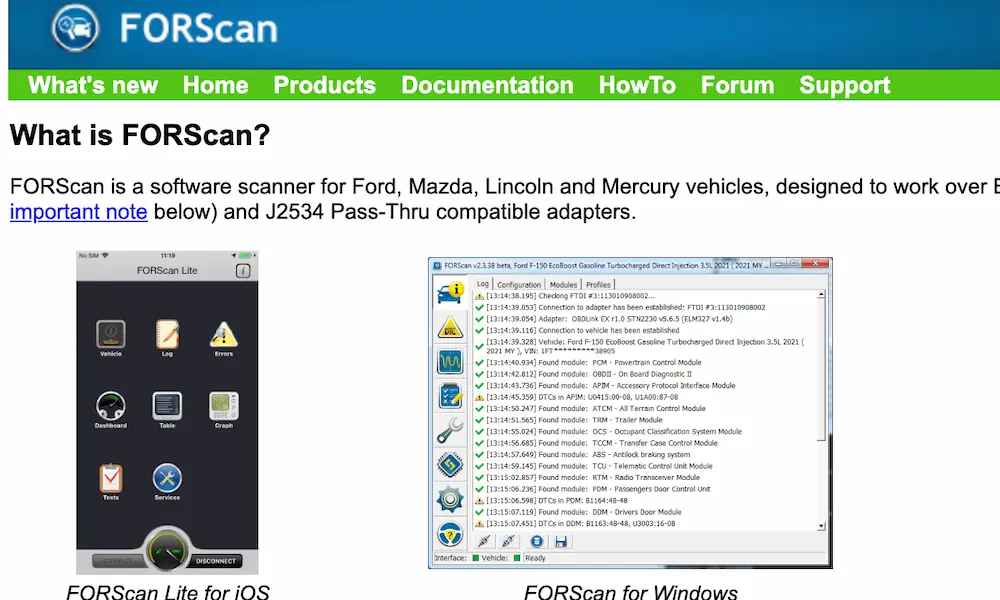
Get an OBD-II reader that displays live data, or install aftermarket gauges for EOT and ECT. Watch these temperatures under load—towing, climbing grades, or heavy acceleration.
The temperature delta between oil and coolant should stay within 15 degrees. If it starts widening, you’re developing oil cooler restriction. Catch it early, and you might fix it with a thorough flush and new filter. Ignore it, and you’re looking at oil cooler replacement.
Check your coolant level monthly. Top off as needed with the same coolant type you’re running. Sudden drops in coolant level can indicate leaks or head gasket issues that need immediate attention.
Inspect hoses and connections during oil changes. Look for bulging, cracking, or soft spots in hoses. Check for white crusty deposits around connections, which indicate small leaks.