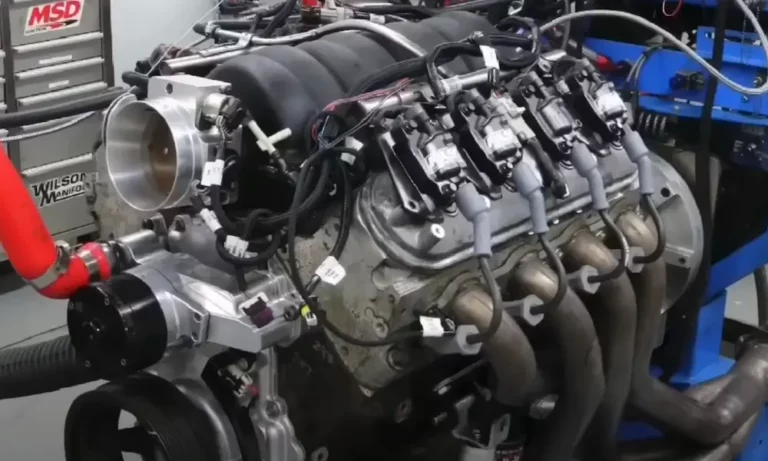
If you’re shopping for a GM vehicle with the powerful 6.2L V8, you’re probably concerned about Active Fuel Management (AFM) issues. With some model years experiencing catastrophic engine failures and others proving remarkably reliable, making the right choice can save you thousands in repairs. This guide breaks down which 6.2 AFM years to avoid and why certain model years are dramatically more problematic than others.
The Golden Years: AFM-Free Engines (2007-2009)
The 2007-2009 model years stand as the undisputed champions in 6.2L reliability. Why? These engines (coded L92 and L9H) came completely free of AFM hardware, delivering a robust 403 horsepower and 417 lb-ft of torque without the complexity that would later plague the platform.
These early engines appeared in:
- Cadillac Escalade
- GMC Yukon Denali
- Select Chevrolet Tahoe models
What makes these engines special is their straightforward design. Without cylinder deactivation systems, these engines avoid the primary failure point that affects later models. With proper maintenance, many of these engines have sailed past 200,000 miles without major internal issues.
One interesting note: very early 2007 Escalades and Yukons actually contained AFM hardware that was disabled in the computer, making them functionally equivalent to non-AFM engines.
AFM Introduction: Early Problems Begin (2010-2013)
In 2010, GM introduced AFM technology to the 6.2L platform with the L94 engine. This marked the beginning of reliability concerns, though problems during this period were generally less severe than later generations.
The L94 featured AFM hardware on four specific cylinders (1, 4, 6, and 7), allowing the V8 to operate as a V4 under light load conditions. While this improved fuel economy slightly, it introduced several issues:
- Lifter failures (typically after 150,000 miles)
- Increased oil consumption
- Carbon buildup in cylinders
- Premature camshaft wear
These 2010-2013 models aren’t the worst offenders, but they’re still problematic enough that many owners opt to disable the AFM system entirely. If you’re considering a vehicle from this era, budget for an AFM disabler ($200-300) as preventative maintenance.
Gen V Platform: Problems Multiply (2014-2018)
The 2014 model year brought the introduction of the Gen V L86 engine, which represented a significant redesign but retained and expanded AFM technology. Industry experts note these years are “riddled with mechanical problems, everywhere from the AFM system to the 8-speed transmission issues.”
What made these years worse:
- More frequent AFM-related failures
- Lifter problems occurring at lower mileages (often under 100,000 miles)
- Excessive oil consumption becoming more common
- Carbon buildup issues intensifying
- Premature wear of AFM-specific components
The L86 platform suffered from design flaws that weren’t fully addressed, leading to a higher percentage of engines requiring major repair work. Despite this, these engines still typically lasted longer than their DFM successors.
Dynamic Fuel Management: The Problem Intensifies (2019-2020)
In 2019, GM replaced AFM with Dynamic Fuel Management (DFM), marketed as an improvement but actually proving significantly more problematic.
Here’s what made DFM worse than AFM:
| Feature | AFM (2010-2018) | DFM (2019+) | Impact |
|---|---|---|---|
| Affected Cylinders | 4 cylinders | All 8 cylinders | Doubled failure points |
| Activation Rate | 52% | 60% | More wear cycles |
| Operating Patterns | 1 (V4 mode) | 17 different patterns | Increased complexity |
| Typical Failure Onset | 100,000+ miles | 30,000-50,000 miles | Earlier failures |
DFM’s complexity contributed directly to its problems. The system performs up to 80 calculations per second to determine optimal firing patterns, creating more opportunities for something to go wrong. With all eight cylinders equipped with failure-prone hardware, the likelihood of experiencing at least one lifter failure increased dramatically.
The Recall Crisis: Catastrophic Failures (2021-2024)
The 2021-2024 model years represent the absolute worst period for 6.2L reliability. GM issued a massive recall affecting 597,630 vehicles due to manufacturing defects in crankshaft and connecting rod components. These defects, traced to machining problems at a supplier facility in Mexico, caused sudden and catastrophic engine failures.
The recall encompasses:
- 79,747 Cadillac Escalades and 46,280 Escalade ESVs
- 107,244 Chevrolet Silverado 1500s
- 22,162 Chevrolet Suburbans and 44,802 Tahoes
- 153,630 GMC Sierra 1500s
- 82,832 GMC Yukons and 60,933 Yukon XLs
GM estimates that 3% of recalled engines will require complete replacement, translating to approximately 17,929 engines in the United States alone. However, field reports suggest the actual failure rate may be higher, with some dealerships reporting multiple engine failures monthly.
Investigation revealed that engines built between March 1, 2021, and May 31, 2024, contained defective components including:
- Improper surface finishes on crankshafts and connecting rods
- Metal contamination in oil galleries
- Out-of-specification tolerances leading to bearing failures
- Sediment buildup causing oil starvation
These manufacturing defects combined with DFM-related stress created a “perfect storm” of reliability issues, making these years the most risky purchase regardless of price.
Why AFM and DFM Systems Fail: Technical Analysis
The root of AFM and DFM problems lies in the hydraulic lifter design used for cylinder deactivation. These specialized lifters contain internal mechanisms that collapse when oil pressure is applied, effectively disabling valve operation. Over time, the constant activation and deactivation creates wear patterns that lead to:
- Stuck lifters that fail to reactivate properly
- Collapsed lifters that remain permanently disabled
- Oil consumption due to worn seals and guides
- Camshaft damage from metal debris circulating through the system
The oil system becomes another vulnerability. AFM and DFM systems depend heavily on clean, high-quality oil for proper operation. The systems use oil pressure to actuate lifter collapse, making them vulnerable to:
- Contaminated oil filters in the Lifter Oil Manifold Assembly (LOMA)
- Sludge buildup restricting oil flow
- Wrong oil viscosity affecting hydraulic response
- Extended service intervals accelerating component wear
DFM’s advanced design adds even more failure points with its complex oil routing through multiple solenoids and passages. The system’s constant mode switching during normal driving creates inconsistent wear patterns that can accelerate component failure.
Financial Impact of AFM/DFM Failures
When AFM or DFM systems fail, the repair costs are substantial:
- Lifter replacement: $3,000-$6,000 depending on extent of damage
- Cam and lifter replacement: $5,000-$8,000 for comprehensive repair
- Complete engine replacement: $10,000-$15,000 for catastrophic failures
- AFM/DFM delete: $4,000-$6,000 for preventive hardware elimination
These costs often exceed the value of older vehicles, leaving many owners facing difficult financial decisions. Multiple class action lawsuits target GM’s AFM and DFM problems, highlighting GM’s knowledge of these issues dating back to 2007, yet continued production without adequate solutions.
Prevention Strategies and Solutions
For those who already own AFM/DFM-equipped GM vehicles, several options exist to mitigate risk:
Electronic Disablers
The most cost-effective solution is using an electronic disabler:
- Range AFM/DFM Disabler: Plug-and-play OBD2 device ($200-$300)
- HP Tuners software: Custom ECU programming to disable cylinder deactivation
- Pulsar LT: Combination device addressing multiple systems ($500)
These devices significantly reduce lifter failure risk by maintaining consistent oil pressure and eliminating activation cycles. They’re considered essential insurance for any AFM/DFM-equipped vehicle.
Maintenance Recommendations
If keeping AFM/DFM active, follow these enhanced maintenance protocols:
- Shorter oil change intervals: 3,000-5,000 miles maximum
- Premium oil specification: Use only Dexos-approved lubricants
- Higher viscosity oil: 0W-40 for newer engines per GM’s recall remedy
- Quality filters: Replace with OEM or equivalent specifications
- Regular monitoring: Check oil levels frequently due to consumption issues
Complete Hardware Deletion
For the most comprehensive solution, complete AFM/DFM deletion requires:
- LS7 lifters: Non-AFM hydraulic lifters eliminate problematic hardware
- Camshaft replacement: Non-AFM cam profiles optimize performance
- Valley cover modification: Remove oil control passages and solenoids
- ECU programming: Disable software completely
While expensive ($4,000-$6,000), this approach provides the most reliable long-term solution by completely eliminating the problematic hardware.
GM 6.2 AFM Years to Avoid: Recommendations by Model Year
Best Choice: 2007-2009 Models
These years offer maximum reliability with no AFM complications. Look for well-maintained examples with service records. Expect higher purchase prices due to desirability among knowledgeable buyers.
Acceptable with Precautions: 2010-2013 Models
These can be reliable with immediate AFM disabling and proper maintenance. Budget for disabler installation and potential future lifter service.
High Risk: 2014-2020 Models
Avoid unless heavily discounted and budget for immediate AFM/DFM deletion. These years represent poor long-term value propositions due to inherent design flaws.
Critical Avoidance: 2021-2024 Models
Strongly recommend avoiding these years entirely. The combination of recall-level manufacturing defects and DFM complexity creates unacceptable risk levels.
Future Consideration: 2025+ Models
Wait for more data before purchasing. While manufacturing improvements address some issues, DFM technology remains problematic. Consider waiting 2-3 years for real-world reliability data.
What Makes a Good AFM Delete Solution?
If you’ve decided to disable AFM/DFM on your vehicle, it’s important to understand the different approaches:
Software-Only Solutions
- Pros: Inexpensive, easy to install, reversible
- Cons: Doesn’t remove problematic hardware, potential for system reactivation
- Best for: Newer vehicles still under warranty or lower-mileage engines
Hardware-Software Combination
- Pros: Eliminates all failure points, provides permanent solution
- Cons: Expensive, labor-intensive, voids warranty
- Best for: Higher mileage vehicles or those planning long-term ownership
The most effective deletion method depends on your vehicle’s age, mileage, and intended ownership period. For vehicles under 50,000 miles, a software solution often provides adequate protection. For higher-mileage vehicles, the complete hardware delete offers the most comprehensive insurance against failure.
Real-World Reliability Expectations
Based on extensive owner reports and dealer service data, here’s what you can expect from each generation:
Pre-AFM Engines (2007-2009)
With proper maintenance, these engines regularly exceed 250,000 miles without major internal repairs. Oil consumption remains minimal, and lifter issues are virtually non-existent.
First-Gen AFM (2010-2013)
Without AFM disabling, approximately 30-40% experience lifter failure by 150,000 miles. With AFM disabled, this drops to around 10%, primarily affecting high-mileage vehicles.
Gen V AFM (2014-2018)
Failure rates increase to 40-50% by 120,000 miles without intervention. With AFM disabled, the rate drops to 15-20%, with issues typically appearing after 100,000 miles.
DFM Engines (2019-2024)
Without DFM disabling, failure rates approach 60-70% by 100,000 miles, with many occurring much earlier. Even with disablers, about 25-30% still experience issues due to the system’s increased complexity.
Making an Informed Purchase Decision
When shopping for a GM vehicle with the 6.2L engine, prioritize these factors:
- Model year: The single most important factor in reliability
- Service history: Look for regular oil changes and preventative maintenance
- AFM/DFM status: Has it been disabled? If so, how (software or hardware)?
- Current mileage: Lower is better, but a properly maintained high-mileage pre-AFM engine is often more reliable than a low-mileage DFM engine
- VIN check: For 2021-2024 models, verify if the vehicle is affected by the recall
Remember that even a seemingly good deal on a problematic year can quickly turn expensive when factoring in potential repair costs. The most economical choice long-term is often paying more upfront for a more reliable model year.
The Future of GM’s 6.2L Platform
GM implemented manufacturing improvements by June 1, 2024, which apply to 2025 model year vehicles. These changes addressed the contamination and quality issues that plagued 2021-2024 engines. However, DFM technology remains present, meaning long-term reliability concerns persist.
Industry experts and dealership technicians remain cautiously optimistic but recommend waiting for real-world data before considering these newer models. The fundamental design challenges of cylinder deactivation technology haven’t been eliminated, only the manufacturing defects that compounded them.
For those who prioritize reliability above all else, the pre-AFM 2007-2009 models remain the gold standard, while electronic disablers provide essential insurance for newer vehicles.