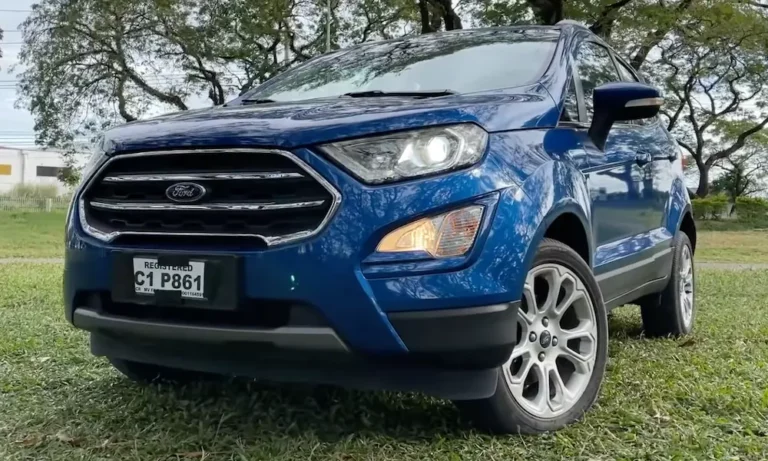
Having your ABS light suddenly flash on your Ford EcoSport dashboard can be alarming. This warning signal isn’t just an annoyance—it’s your vehicle’s way of telling you something’s wrong with a critical safety system. While your standard brakes will still work, your car’s ability to prevent wheel lock-up during emergency stops is compromised. Let’s dig into what causes this issue and how you can fix it.
What Does the ABS System Actually Do?
The Anti-Lock Braking System in your Ford EcoSport has one main job: preventing your wheels from locking up when you slam on the brakes. This system constantly monitors each wheel’s speed through sensors and adjusts brake pressure when it detects a wheel about to lock.
When working properly, ABS helps you maintain steering control during heavy braking and often reduces stopping distances on slippery surfaces. The system includes:
- Four wheel speed sensors (one at each wheel)
- An ABS control module (the brain of the system)
- A hydraulic unit with valves and pumps
- Connecting wiring harnesses and connectors
When any of these components fails, your dashboard ABS light comes on, and the system disables itself as a precaution.
Main Causes of Ford EcoSport ABS Malfunctions
Faulty Wheel Speed Sensors
Wheel speed sensors are often the first culprits in ABS problems. These magnetic sensors get caked with road grime, rust, and debris over time. These sensors typically need replacement after about 100,000 km in harsh conditions.
Signs of faulty wheel sensors include:
- Intermittent ABS light activation
- ABS engaging on smooth roads when it shouldn’t
- Specific trouble codes pointing to individual wheel sensors
Damaged Wiring Harness or Connectors
The electrical connections between your sensors and the ABS module can deteriorate over time. Ford EcoSport owners often report wiring issues under the front bumper where connections are exposed to moisture and road debris.
Common wiring problems include:
- Corroded connector pins
- Chafed wires from rubbing against components
- Loose connections that create intermittent signals
- Water intrusion in connector housings
Defective ABS Control Module
When the ABS module itself fails, you’ll often notice multiple warning lights on your dashboard. Several EcoSport owners have reported battery drain issues alongside ABS warnings—a telltale sign of module problems.
Module failures typically show these symptoms:
- Multiple warning lights (ABS, traction control, and sometimes engine)
- Battery drainage when the car is parked
- Complete non-function of ABS and stability control systems
Steering Angle Sensor Issues
Interestingly, some EcoSport ABS warning lights are triggered by the steering angle sensor, which helps the stability control system function. This sensor lives in your steering column and tells the ABS module which way your wheels are pointed.
How to Diagnose ABS Problems in Your EcoSport
Step 1: Read the Diagnostic Trouble Codes
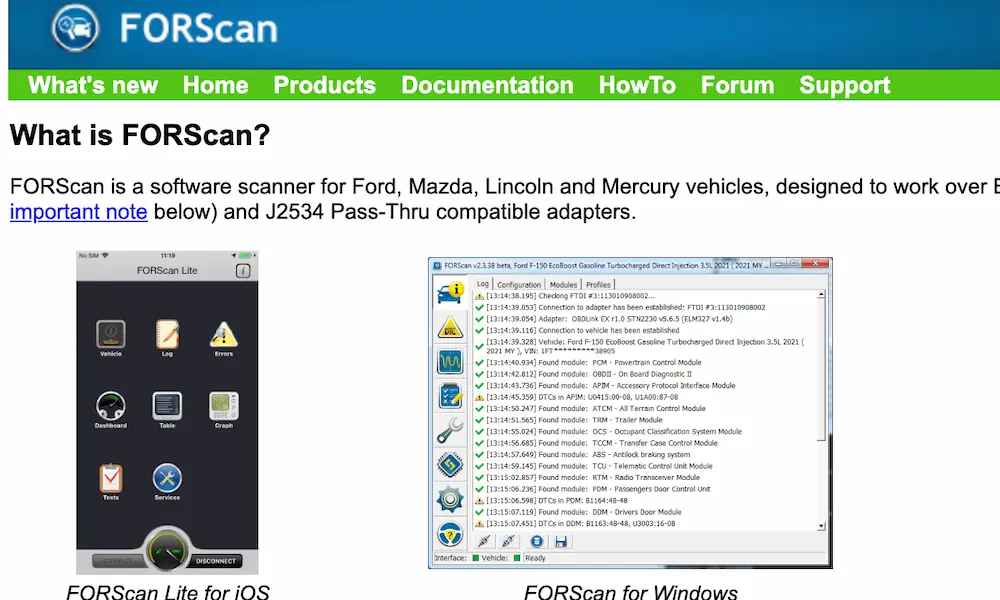
Before replacing anything, get the specific error codes from your ABS system. You’ll need an OBD-II scanner that reads ABS codes (not all basic scanners do this).
Common Ford EcoSport ABS codes include:
- C0037: Left front wheel speed sensor circuit fault
- C0035: Right front wheel speed sensor circuit fault
- U3000: Control module communication issue
You can see how to scan for these codes in this helpful video tutorial.
Step 2: Visual Inspection
Once you have the codes, inspect the components they point to:
- Check wheel speed sensors for physical damage
- Look for damaged wiring, especially near the wheel wells
- Inspect connectors for corrosion or looseness
- Check for proper brake fluid level (low fluid can trigger warnings)
Step 3: Test the Components
For wheel speed sensors:
- Measure resistance with a multimeter (should typically be 1-2.5 kΩ)
- Check for AC voltage output while spinning the wheel
- Inspect the sensor tip for metal debris (they’re magnetic and collect particles)
For wiring:
- Test for continuity between the sensor and controller
- Check for short circuits to ground
- Ensure connectors are clean and properly seated
Repair Options and Costs
| Component | DIY Difficulty | Professional Cost | DIY Cost |
|---|---|---|---|
| Wheel Speed Sensor | Moderate | $150-250 | $50-120 |
| Wiring Repair | Moderate-High | $100-300 | $10-50 |
| ABS Module | Very High | $800-1,200 | Not Recommended |
| Steering Angle Sensor | Very High | $200-400 | Not Recommended |
Replacing a Wheel Speed Sensor
If diagnosis points to a faulty wheel speed sensor, replacement is straightforward on most EcoSport models:
- Locate the sensor (typically attached near the wheel hub or bearing)
- Remove the mounting bolt (usually 8mm or 10mm)
- Disconnect the electrical connector
- Install the new sensor (part number GN1Z2C204B for front sensors)
- Clear the codes with a scanner
Many EcoSport owners have successfully replaced wheel speed sensors themselves, saving hundreds in labor costs. This DIY guide walks through the process step-by-step.
Fixing Wiring Issues
Wiring repairs require more electrical knowledge but can often be done without expensive parts:
- Trace the wiring from the problem sensor to the ABS module
- Look for damaged sections, particularly at connection points
- Repair broken wires using proper automotive wire and heat-shrink connectors
- Clean corroded connectors with electrical contact cleaner
- Apply dielectric grease to prevent future corrosion
Some EcoSport owners have found that simply realigning sensor brackets under the bumper can resolve wiring-related issues without replacing parts.
ABS Module Replacement
When the ABS module itself fails, replacement is typically best left to professionals:
- The module is usually located in the engine bay (often near the master cylinder)
- Professional installation includes:
- Programming the new module with your vehicle’s VIN
- Bleeding the ABS hydraulic system
- Clearing all codes
- Testing system functionality
Module replacement costs typically range from $800-1,200 at dealerships.
Preventive Maintenance Tips
To avoid future ABS problems with your EcoSport:
- Regularly inspect wheel wells and clean debris around sensors
- Keep brake fluid clean and at the proper level
- Have your brake system inspected during routine service intervals
- After driving in extremely wet conditions, check sensor connections
What Happens If You Ignore the ABS Light?
Driving with an ABS light on means:
- Your normal brakes still work for regular stopping
- You’ve lost anti-lock protection during emergency braking
- Your stability control system may also be compromised
- Your vehicle might fail safety inspections in some regions
As safety experts note, continuing to drive with ABS malfunctions means you’ll need to adjust your driving style—leave more following distance and brake more gently, especially in wet conditions.
Are EcoSport ABS Problems Common?
The Ford EcoSport has several known issues across model years, but ABS problems aren’t among the most frequently reported. When they do occur, wheel speed sensors are the most common failure point, followed by wiring issues.
Models from 2013-2018 seem to have more reported instances of ABS module failures compared to newer models, based on owner forums and service bulletins. Regular maintenance and prompt attention to warning lights help prevent more serious problems.
What If DIY Fixes Don’t Work?
If your troubleshooting doesn’t resolve the issue, it’s time to consult a professional. Haynes repair guides recommend having a Ford specialist perform advanced diagnostics, especially if:
- Multiple warning lights are active
- The problem is intermittent
- You’ve replaced sensors but codes return
- You suspect module failure
A qualified technician has access to Ford-specific diagnostic equipment that can pinpoint issues beyond what consumer-grade scanners can detect.
Remember that while ABS problems are inconvenient, they directly affect your vehicle’s safety systems. Addressing them promptly not only resolves the warning light but ensures your EcoSport maintains its full complement of safety features.