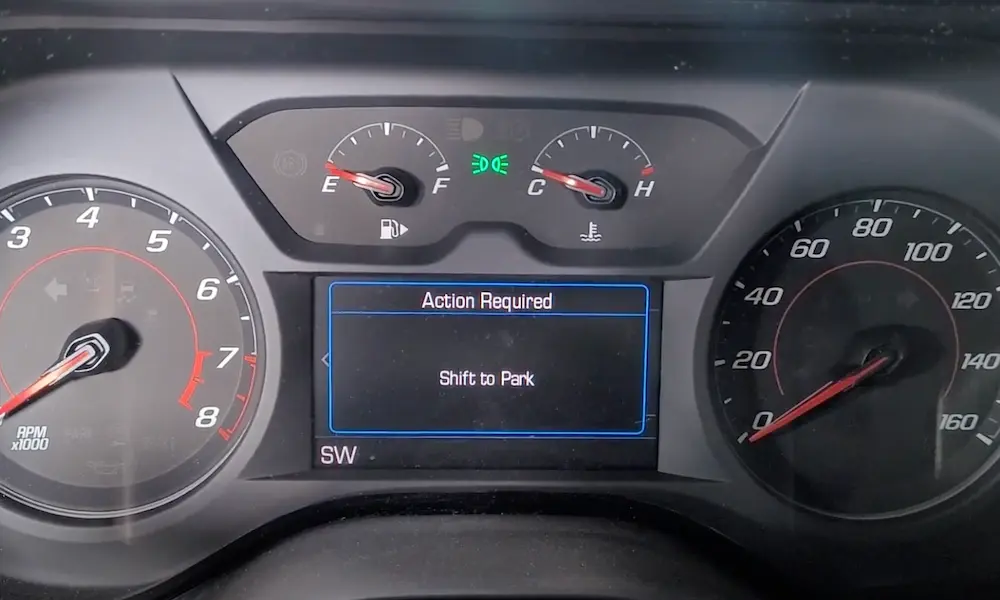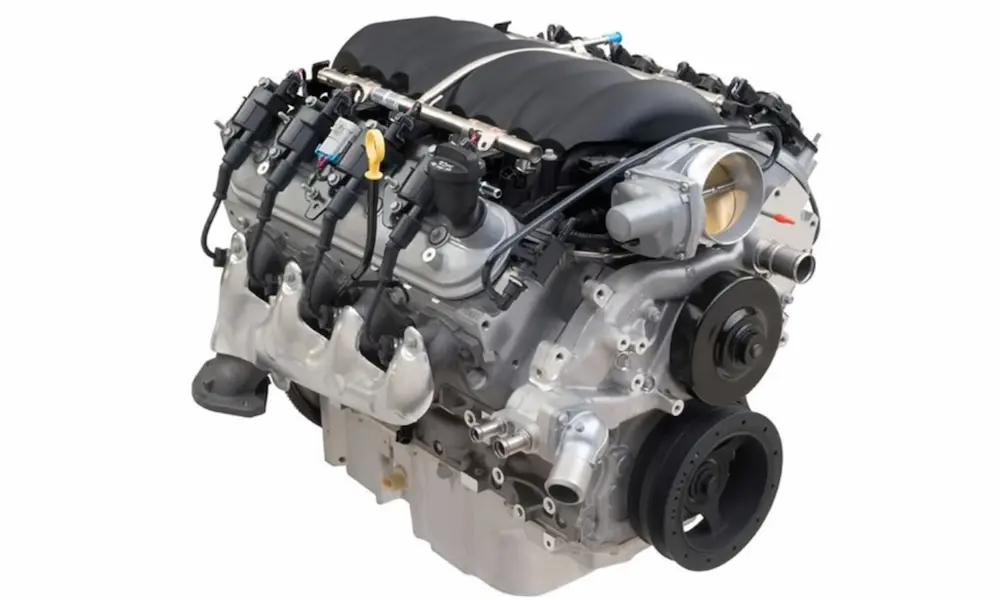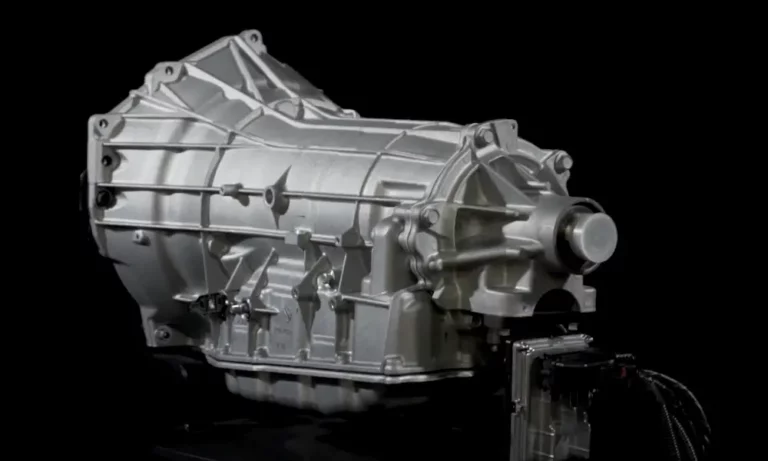
If you’ve been experiencing issues with your 8L90 transmission, you’re not alone. Many have faced common problems like shuddering and torque converter failures, which can be quite frustrating. Discovering effective solutions and understanding what might be causing these issues can help you regain a smooth driving experience. Dive into the article to explore how you can address these problems and improve your vehicle’s performance.
Overview of the 8L90 Transmission
When you look under the hood of many General Motors vehicles, you might find the 8L90 transmission. This is an eight-speed automatic transmission that offers smooth driving and efficient performance. It’s been used in various GM cars and trucks, making it a popular choice.
The 8L90 is known as a longitudinal transmission. This means it’s designed to fit vehicles with a front-engine, rear-wheel-drive layout. This type of setup can enhance handling and balance on the road, giving you a better driving experience.
Like any system, the 8L90 does have some common challenges. Many users have mentioned issues, such as shuddering during shifts. This is an important consideration if you’re thinking about getting a vehicle with an 8L90. Some of these problems have been addressed with technical service bulletins.
If you’re experiencing a hard shift, especially going from 1st to 2nd gear, you’re not alone. Other drivers have noticed this too and shared their experiences online. You might notice these issues more on the first shift of the day. Maintaining your transmission well can help reduce these occurrences.
Whether you’re a car enthusiast or just curious about your vehicle, understanding the mechanics can be quite rewarding. Knowing more about the 8L90 transmission can help you keep your vehicle running smoothly and address any concerns early.
Common Issues with the 8L90 Transmission
The 8L90 transmission, found in many GM vehicles, frequently experiences several common issues. These include harsh shifting, problems with the torque converter, concerns with the valve body and solenoids, fluid leaks, and electronic control module (TCM) problems.
Harsh Shifting and Shudder
Harsh shifting and shuddering are common complaints with the 8L90 transmission. These occur during gear changes and can impact driving comfort. Harsh shifts often result from adaptation issues within the transmission’s control logic, requiring time for adaptation learning.
A technical service bulletin may address these concerns by updating the transmission software. You may also need to perform a relearn procedure using a scan tool to improve shift quality and reduce shudder.
Torque Converter Problems
Torque converter issues can greatly affect how your vehicle accelerates. Problems arise when the torque converter clutch fails to engage or disengage properly, leading to a no-move condition or sluggish performance.
Addressing these concerns often involves checking for contamination or damage in the torque converter. In some cases, the entire unit must be replaced. Regular maintenance and fluid checks can help mitigate these problems.
Valve Body and Solenoid Concerns
The valve body and solenoids are crucial for controlling gear shifts. Issues here can lead to erratic shifts or slipping in the transmission. If you experience such problems, you might need to inspect or replace the solenoids to restore proper function.
Additionally, line pressure adjustments may be necessary to optimize the transmission’s performance. Regular inspection can prevent these issues from leading to severe damage.
Transmission Fluid and Leaks
Leaks and contaminated transmission fluid are significant concerns for the 8L90. Fluid leaks often result from worn seals, which need replacement to prevent further damage. Regular fluid changes are vital for maintaining proper lubrication and cooling. This can prevent overheating and reduce the risk of metal shavings contaminating the system.
Electronic Control Module (TCM) Issues
The TCM is integral to the 8L90’s operation, managing how it shifts under various conditions. Any malfunctions here can result in poor drivability. You might experience erratic shifts if the module’s settings are incorrect.
Using a scan tool, you can diagnose and reprogram the TCM. Following any applicable service bulletin updates will also help in ensuring smooth operation and reducing possible electronic hiccups. Regular checks on the TCM’s connections and updates can help maintain optimal performance.
Affected Vehicles
The 8L90 transmission, known for its use in certain General Motors vehicles, has had its share of issues. You’ll find it in models like the Chevrolet Silverado and the GMC Sierra, where transmission problems have caused concern. We’ll also compare the 8L90 with other transmissions to see how it stands up against alternatives.
General Motors Models with 8L90
If you drive a Chevrolet Silverado, GMC Sierra, or a Chevrolet Corvette, your vehicle might have the 8L90 transmission. This can also be found in sporty cars like the Chevrolet Camaro.
Another model you might recognize is the Cadillac Escalade, known for its luxury, but also occasionally facing transmission troubles. The GMC Canyon sometimes shares this transmission, emphasizing the range of vehicles affected within the General Motors family.
These vehicles made between 2015 and 2019 are most often linked to transmission problems. If you have one of these models, understanding common issues can help you manage potential repairs effectively.
Comparing 8L90 with Other Transmissions
Comparing the 8L90 with other transmissions like the 6L80, 10L80, and 10L90 gives you a better idea of how it measures up. The 8L90 is designed for a smoother ride and faster shifts than the older 6L80.
Yet, critics sometimes say that the newer 10L80 and 10L90 transmissions offer better performance with more gear ratios. The focus on improving gear shifts and fuel efficiency in these models gives drivers more comfort and control.
Understanding these differences can aid you in making informed decisions on maintaining or upgrading your vehicle’s transmission system. Knowing how these stack up against each other will guide you in what to expect from your vehicle’s driving experience.
Diagnosis and Repair Solutions
Diagnosing and repairing the GM 8L90 transmission involves using specific tools and addressing common issues like clutch failures and incorrect wiring. You’ll often need to look into error codes and consider part replacements to get things running smoothly.
Scanning and Error Codes
To start diagnosing, a scan tool is essential for identifying error codes related to the transmission. Common codes might point to problems with the C2 clutch or issues in 4th gear. These codes help you pinpoint the issue accurately.
Look for any errors indicating problems with the input shaft or the transmission’s valve body. Ensure all RPO codes match the expected configuration, as incorrect assembly can mimic transmission failures. Consistent error codes may suggest a deeper issue that requires more comprehensive inspection.
Transmission Service and Part Replacement
Servicing the transmission helps extend its life. Start by checking the transmission fluid levels; low or dirty fluid can lead to slipping gears or overheating. If you find metal particles in the fluid, it might be a sign of worn parts.
You may need to replace components like the chain-driven pump or the valve body if they show wear. If the C2 clutch is damaged, consider replacing it to restore proper function. Attention to the input shaft and ensuring correct solenoid wiring can prevent further issues.
Preventive Measures and Maintenance Tips
Taking care of your 8L90 transmission can help keep it running smoothly. One of the most important steps is to regularly check and change the transmission fluid. Fresh fluid keeps the transmission lubricated and prevents overheating.
Listen for unusual noises or changes in how your vehicle drives. A little attention now can prevent big problems later. Catching these signs early can save you from costly repairs.
Keep an eye on the transmission fluid level. If you notice it dropping frequently, it might indicate a leak. Fixing leaks promptly is essential to prevent further damage.
Avoid towing heavy loads beyond the recommended capacity of your vehicle. Overloading puts excessive stress on the transmission, which can cause it to wear out faster.
Consider using a transmission tuning service. Tuning can enhance performance and may extend the life of your 8L90. Professionals can adjust settings to match your driving style and conditions.
When it comes to storage, ensure your vehicle is parked on level ground. This prevents abnormal wear on components, especially if parked for an extended period.
Finally, perform regular checks on external parts like the cooler lines. Keep them clean and free from blockages to maintain efficient cooling.
By following these preventive measures and maintenance tips, you can have a smoother driving experience and potentially extend the lifespan of your 8L90 transmission.