Is your passenger roasting while you’re perfectly cool? Your AC blowing hot air on the passenger side is a frustrating problem — but it’s almost always fixable. This guide walks you through every real cause, from refrigerant issues to broken blend doors, so you can stop guessing and start fixing.
Why Your AC Blows Hot Air on the Passenger Side (And Not the Driver Side)
Here’s the thing — when your AC blows hot air on the passenger side only, it’s rarely a total system failure. It’s a targeted problem pointing to one of two areas: a fault in your air distribution system or an imbalance in your refrigerant cycle.
Your dual-zone climate system works by splitting the airflow inside the dashboard housing. The driver side and passenger side each get their own dedicated temperature blend doors — physical plastic flaps that mix hot and cold air to hit your target temperature. When one side fails, the other keeps working fine. That’s why you end up with hot air on one side and cold air on the other.
The two main culprits are:
- Mechanical failures — broken blend doors or faulty actuator motors
- Refrigerant problems — low charge causing uneven cooling across the evaporator core
Let’s break both down.
The Blend Door Actuator: The Most Common Culprit
The blend door actuator is a small electric motor mounted to your HVAC housing behind the dashboard. It physically moves the blend door to control how much hot or cold air reaches each side of the cabin.
Inside every actuator you’ll find three key parts:
- A small DC electric motor
- A nylon gear train for torque reduction
- A position sensor (potentiometer) that tells the climate module exactly where the door is
When you adjust the passenger temperature dial, the climate module sends a voltage signal to the actuator. The motor turns, the gears rotate the blend door, and the sensor confirms the position. When everything works, the system hits your requested temperature within seconds.
Signs Your Blend Door Actuator Has Failed
The most telling sign is a clicking, ticking, or tapping noise coming from behind your glove box or center console. That sound is the motor trying to turn a stripped gear — and failing. Once the gear strips, the door freezes in its last position. If it was stuck routing air through the heater core, your passenger gets a face full of hot air every time.
Watch for these symptoms of a bad blend door actuator:
- Passenger side blows hot regardless of temperature setting
- Temperature changes on the passenger side randomly without input
- Clicking or grinding behind the dashboard when adjusting the climate
- Passenger controls feel totally unresponsive
Another failure mode is a worn potentiometer inside the actuator. As the internal carbon track degrades, it sends erratic voltage readings back to the climate module. The result? Random temperature swings on the passenger side — sometimes called “hunting” — where the air alternates between hot and cold with no warning.
What About a Physically Broken Blend Door?
Sometimes the actuator motor works fine, but the plastic blend door itself has snapped at its hinge. This happens in older vehicles where years of thermal cycling have made the plastic brittle. The motor spins freely, the scan tool shows normal operation, but the door isn’t moving at all.
This is tricky to diagnose because there’s no clicking sound and no diagnostic trouble code. The passenger side just blows hot air, permanently.
Low Refrigerant: The Sneaky Cause Nobody Expects
Most people assume low refrigerant means lukewarm air from every vent. That’s not always true. When your system is low on refrigerant, something called evaporator starvation can cause hot air on the passenger side specifically — while the driver side stays cold.
Here’s why.
How Evaporator Starvation Creates Asymmetrical Cooling
Your evaporator core sits inside the dashboard housing. Refrigerant enters through one side, absorbs heat as it boils into vapor, and exits the other side. In a properly charged system, liquid refrigerant travels through nearly the entire coil before vaporizing — keeping the whole surface uniformly cold.
When refrigerant levels drop, there isn’t enough liquid to travel far. The depleted refrigerant boils off within the first few inches of the coil, leaving the second half of the evaporator as warm superheated vapor. That half can’t absorb any meaningful heat from the air passing over it.
Since dual-zone systems split the airflow across each half of the evaporator, the side fed by the refrigerant inlet stays cold. The opposite side stays warm. Depending on your car’s layout, that warm side feeds directly into your passenger vents — which is why your AC blows hot air on the passenger side while your driver side stays perfectly cool.
Other Signs You’re Low on Refrigerant
Beyond the temperature imbalance, low refrigerant levels show up in a few other ways:
- The compressor clutch cycles on and off rapidly (short-cycling)
- Water leaks onto the passenger floorboard as ice melts from the evaporator
- The AC works fine in the morning but blows warm on hot afternoons
- Ice builds up on the cold portion of the evaporator, blocking airflow
The only way to confirm this is with a manifold gauge set. A technician checks both the high-side and low-side pressures against manufacturer specs. Low suction pressure combined with high superheat readings confirms evaporator starvation from a refrigerant leak.
The Heater Control Valve: A Less Common But Sneaky Offender
Some vehicles still use a heater control valve — a gate in the engine bay that stops hot engine coolant from flowing into the heater core when you want maximum AC. When this valve fails and sticks open, the heater core becomes a constant radiator inside your dashboard.
Even if your blend doors are working correctly, the radiant heat from a permanently open heater core can overpower the HVAC system and send warm air through the vents closest to the heater core housing — often the passenger side.
Quick test: With the engine warm and AC on max, feel both heater hoses in the engine bay. If the outlet hose is just as hot as the inlet hose, your valve is stuck open and needs replacing.
Faulty Sensors: When the System Lies to Itself
Your climate control module depends on sensor data to position the blend doors correctly. When sensors give bad readings, the system makes bad decisions.
Two sensors cause the most trouble:
Ambient air temperature sensor — If this sensor sends a falsely low reading (say, it thinks it’s -40°F outside), the module won’t engage the compressor to prevent system damage. Result: hot air from every vent.
Passenger-side in-cabin sensor — If this sensor reads too cold (due to dust buildup or electrical failure), the module commands the passenger blend door to maximum heat to compensate. Your passenger gets blasted with hot air while the driver sits comfortably cool.
Vehicle-Specific Problems You Should Know About
Not all cars fail the same way. Here’s what to watch for based on what you drive:
| Vehicle | Most Likely Cause | Key Symptom |
|---|---|---|
| Chevy Silverado / GMC Sierra (2014–2019) | Passenger blend door actuator losing calibration | Hot passenger air, cold driver air |
| Ford Explorer / Jeep Grand Cherokee (Late 1990s–Mid 2000s) | Broken plastic blend door hinge | Permanently hot passenger air, no clicking |
| Honda Civic (2016–2021) | Refrigerant leak at condenser or compressor seal | Driver side warm, passenger side cold |
Chevy Silverado and GMC Sierra owners frequently deal with the passenger-side actuator losing its software calibration. The NHTSA technical service bulletin for GM vehicles outlines HVAC door reset procedures. A forced recalibration — pulling the HVAC fuse for one minute and letting the system auto-recalibrate on restart — often fixes the issue without replacing any parts.
Ford Explorer and Jeep Grand Cherokee owners face a nastier problem: the plastic blend door physically snaps inside the plenum box. Factory repair requires removing the entire dashboard — an 8+ hour job. Aftermarket kits like HeaterTreater offer a smarter fix by cutting a small access window directly into the HVAC housing. You swap the broken plastic door for a steel replacement without touching the dashboard.
Honda Civic owners (2016–2021) almost always have a refrigerant problem rather than a blend door issue. The condenser sits right behind an open grille and takes rock hits regularly. The compressor shaft seals are also known to weep refrigerant slowly over time. Because of how the Civic’s evaporator is oriented, the refrigerant inlet sits on the passenger side — so when refrigerant runs low, the driver side loses cooling first while the passenger side stays cold longer.
How to Diagnose the Problem Yourself
You don’t need a full shop to narrow this down. Start here:
Step 1: Set both zones to maximum cold with dual-zone mode off. Insert a thermometer into both the driver and passenger center vents. A temperature difference greater than 5–10°F points to a problem.
Step 2: Listen carefully. Does the dashboard make a clicking or ticking sound when you adjust the passenger temperature? Yes = likely a stripped actuator gear.
Step 3: Cycle the passenger temperature from max cold to max hot. Does the air temperature change at all? No change at all = broken blend door or dead actuator motor.
Step 4: Check if the compressor is short-cycling. If it clicks on and off every few seconds, suspect low refrigerant before anything else.
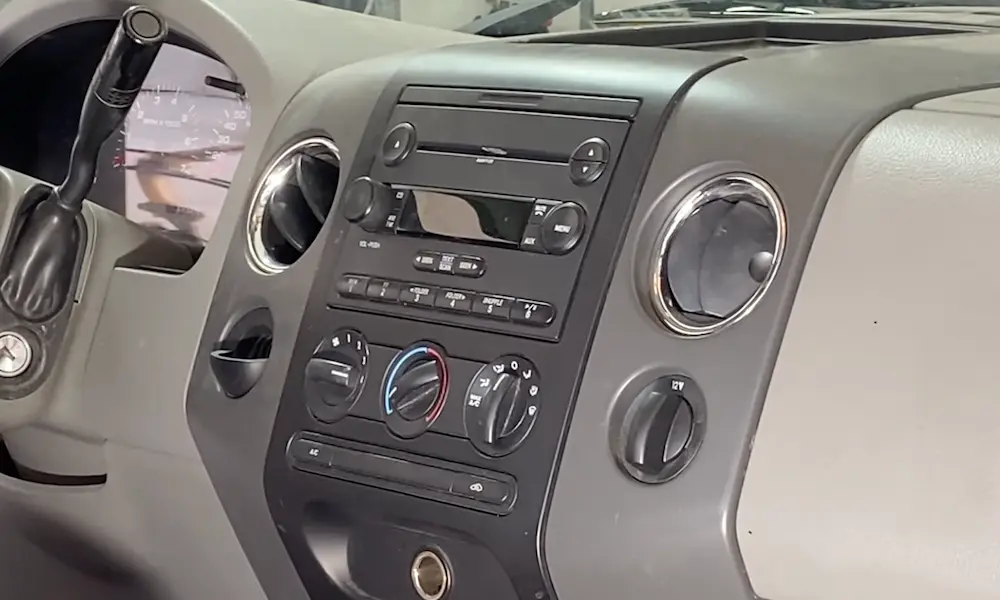
Ford vehicle owners with Electronic Automatic Temperature Control (EATC) can run a self-diagnostic directly from the dashboard. Press OFF and FLOOR simultaneously, then press AUTOMATIC. The display shows trouble codes that identify specific actuator or sensor failures — no scanner needed.
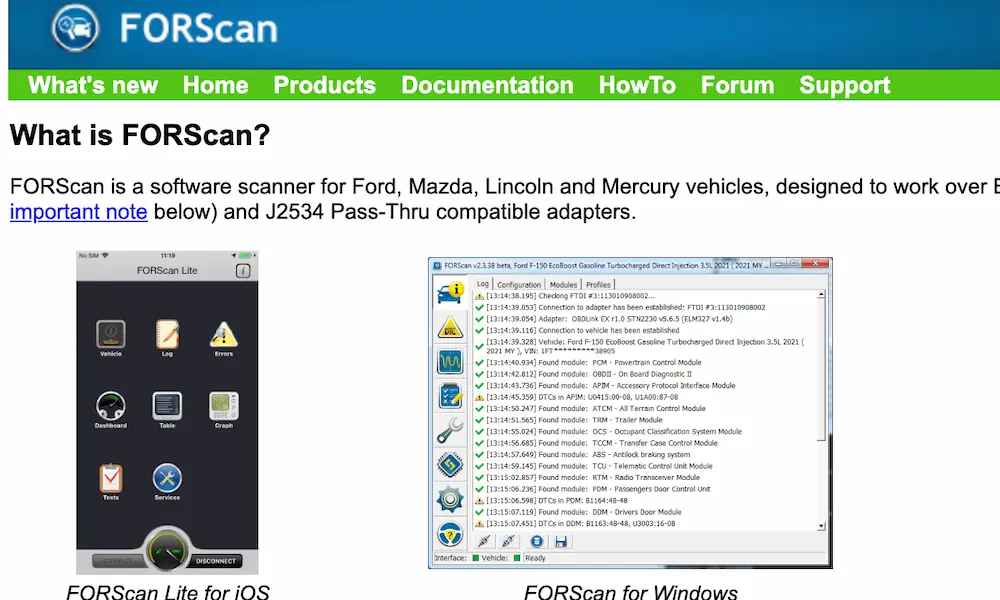
For deeper diagnostics, a bidirectional scan tool lets a technician command the passenger blend door to move in specific increments while monitoring the live voltage feedback from the actuator sensor. This separates a mechanical jam from an electrical failure quickly.
What Repairs Actually Cost
Repair costs swing dramatically depending on what failed and where it’s located. An actuator on a Honda Civic might take 20 minutes to swap. The same type of repair on a Ford Explorer can mean removing the entire dashboard.
Refrigerant System Repairs
| Repair | Parts Cost | Labor Cost | Total Range |
|---|---|---|---|
| HVAC Diagnostic Testing | $0 | $100–$200 | $100–$200 |
| System Evacuation & Recharge | $50–$100 | $150–$200 | $200–$300 |
| A/C Condenser Replacement | $150–$350 | $350–$850 | $500–$1,200 |
| A/C Compressor Replacement | $400–$800 | $400–$900 | $800–$1,700 |
| Seal / O-Ring Repair & Recharge | $10–$50 | $140–$450 | $150–$500 |
Blend Door and Mechanical Repairs
| Repair | Parts Cost | Labor Cost | Total Range |
|---|---|---|---|
| Blend Door Actuator (Easy Access) | $30–$150 | $50–$150 | $80–$300 |
| Blend Door Actuator (Buried Location) | $100–$250 | $300–$500 | $400–$750 |
| Full Blend Door Assembly (Dash Removal) | $80–$250 | $400–$600 | $480–$850 |
| Heater Control Valve Replacement | $50–$150 | $100–$350 | $150–$500 |
For context, a Ford Explorer blend door actuator replacement averages $706–$953 due to the labor-intensive access. A Honda Civic typically runs just $186–$220 because the actuator is far easier to reach.
Don’t Let It Get Worse
AC blowing hot air on the passenger side isn’t just uncomfortable — it can signal a refrigerant leak that’s slowly damaging your compressor, or a blend door problem that will eventually affect the whole system. The faster you diagnose it, the cheaper the fix.
Start with the easy stuff: listen for clicking, check if your compressor short-cycles, and see whether the passenger controls respond at all. From there, you’ll know whether you’re dealing with a $150 refrigerant recharge or a $400 actuator swap — and you won’t waste money fixing the wrong thing.