If your GM truck is ticking, misfiring, or eating oil, the culprit is probably AFM lifter failure. This guide breaks down exactly why it happens, how to spot it early, and what you can actually do about it — before a $500 tick turns into a $10,000 engine replacement.
What Is AFM and Why Does It Fail So Often?
Active Fuel Management (AFM) is GM’s cylinder deactivation system. Under light driving loads, it shuts down four of the V8’s eight cylinders to save fuel. Sounds smart. In practice, it’s been a mechanical disaster.
The system uses specialized collapsible lifters with tiny internal locking pins. These pins extend and retract using hydraulic oil pressure, cycling hundreds of times per drive. When everything works perfectly, you save a few MPGs on the highway. When it doesn’t, you’re staring down a destroyed camshaft and a repair bill that’ll make your eyes water.
The 5.3L AFM failure rate is heavily documented across millions of vehicles — and it’s not slowing down.
How the AFM System Actually Works
The Valve Lifter Oil Manifold (VLOM)
The VLOM sits in the engine valley beneath the intake manifold. It contains four electrically operated solenoids that redirect pressurized oil to specific lifters when the engine control module commands cylinder deactivation.
Here’s the problem: this entire sequence — ECM command, solenoid actuation, and lifter collapse — must happen within 250 milliseconds. That’s roughly two crankshaft revolutions. Any hiccup in oil pressure or solenoid response, and the locking pins inside the lifters start taking a beating.
The Lifter Itself
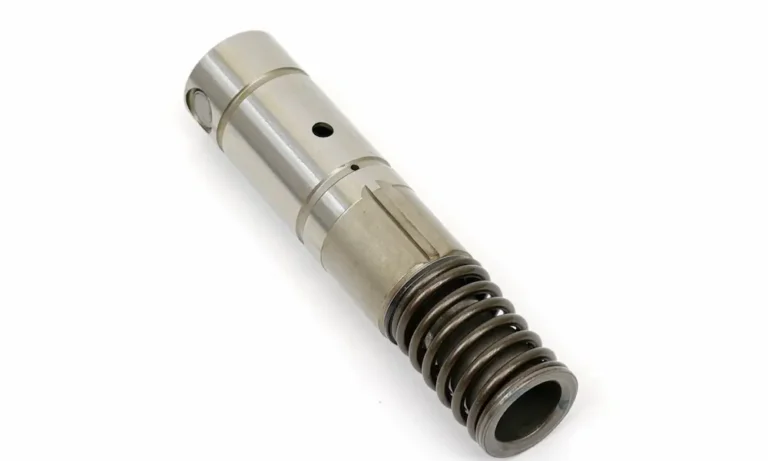
AFM lifters have a two-piece design: an outer body and an inner pin housing. Spring-loaded locking pins hold them together during normal eight-cylinder operation. When the VLOM sends high-pressure oil to the lifter bore, the pins retract, the outer body keeps riding the camshaft lobe, and the pushrod stops moving. The cylinder goes dormant.
It’s genuinely clever engineering. But those tiny locking pins are the weakest link in the entire engine.
The Real Causes of AFM Lifter Failure
AFM lifter failure rarely happens overnight. It’s a cascade — one small problem feeding the next until something catastrophic breaks.
Clogged VLOM Filter Screen
There’s a tiny mesh screen sitting beneath the oil pressure sensor at the rear of the engine block. Its job is to keep sludge out of the VLOM solenoids. As engine oil degrades, sludge builds up on this screen and chokes off oil flow to the lifters.
When oil pressure to the VLOM drops, the lifter pins actuate sluggishly or only halfway. Partial pin engagement creates violent metal-on-metal impacts every single time the camshaft lobe passes under the lifter. Eventually, the pin shears.
A severely clogged screen often triggers a P0521 trouble code — even when the main oil pump is still functioning fine.
Oil Aeration
If your oil level runs low, or the oil pump cavitates on the suction side, air gets mixed into the oil supply. Hydraulic systems depend entirely on fluid being incompressible. Aerated oil can’t generate firm, consistent pressure, so the locking pins don’t fully disengage — and the same destructive partial-engagement problem kicks in.
Oil Pump Pressure Relief Valve Failures
The primary oil pump on 5.3L engines built between 2007 and 2013 is especially prone to problems. A sticking pressure regulating valve inside the pump housing can dump pressurized oil back to the suction side, causing a sudden drop in overall engine oil pressure.
There’s also a secondary pressure regulating valve in the oil pan dedicated to the AFM system. If this sticks open, oil pressure at the VLOM tanks while the main oil pressure reading looks perfectly normal. Technicians confirm this by running dual mechanical gauges simultaneously — one at the oil filter housing, one at the top pressure sensor.
Locking Pin Shear and Spring Fatigue
When pins don’t fully retract, the camshaft lobe forces the outer lifter body upward while the inner housing fights against it. The hardened steel components slam into each other thousands of times per hour. Pins shear. Internal return springs fatigue and break after hundreds of thousands of compression cycles. Once a pin is gone, the lifter is finished — either permanently collapsed or stuck locked.
Plastic Lifter Guide Tray Failure
This one catches a lot of people off guard. Composite plastic guide trays hold each lifter in its bore and keep the bottom roller wheel perfectly aligned with the camshaft lobe. After years of extreme heat cycles, these plastic trays warp and crack.
When a tray fails, the lifter can rotate a few degrees in its bore. The sharp edge of the roller wheel then drags diagonally across the camshaft lobe instead of rolling smoothly across it. Within minutes, it carves a deep groove into the camshaft — and metal shavings start circulating through the entire engine.
Secondary Damage: What Fails Next
AFM lifter failure doesn’t stay contained. It triggers a chain reaction.
| Secondary Failure | Cause | Typical Repair Cost |
|---|---|---|
| Bent or broken pushrods | Lifter seizing in bore | $200–$600 (labor-heavy) |
| Camshaft lobe destruction | Rotated lifter dragging on lobe | $1,500–$4,000+ |
| Catalytic converter meltdown | Raw fuel entering exhaust from dead cylinder | $800–$2,500 |
| Excessive oil consumption | AFM-related piston ring fouling | $2,000–$6,000 |
| Engine seizure | Metal debris from cam/lifter entering bearings | $8,000–$12,000+ |
Excessive Oil Consumption
The Siqueiros v. General Motors LLC class action — which resulted in a $150 million settlement — specifically targeted this issue. GM’s AFM design sprays oil at piston skirts to cool deactivated cylinders. During deactivated operation, there’s no combustion pressure to help the rings scrape that oil off the cylinder walls. The rings foul with carbon deposits, lose tension, and oil starts burning off in the combustion chamber. Drivers often don’t notice until the engine is critically low — because the factory oil pressure gauge doesn’t alert until damage is already done.
Warning Signs You Need to Know
Don’t wait until your Check Engine Light comes on. By then, the damage is usually already serious.
Early signs:
- Metallic ticking or tapping during cold starts — the most universal early warning of AFM lifter failure symptoms
- Ticking that takes longer than usual to quiet down after startup
- Slightly rough idle that comes and goes
Advanced signs:
- Persistent knocking that increases with engine RPM
- Rough, shuddering idle
- Hesitation or stumble during acceleration
- Check Engine Light with codes P0300, P0301, P0304, P0306, or P0307
- Visible oil consumption between oil changes
Don’t Confuse Lifter Failure With Transmission Shudder
This is a critical diagnostic trap. Eight-speed and ten-speed GM transmissions can produce a vibration between 25 and 80 mph that feels exactly like an engine misfire. Technical service bulletins specifically address torque converter clutch shudder producing codes P0747, P0777, and P2809. Misdiagnosing this as a lifter problem leads to an expensive and completely unnecessary engine teardown.
Which GM Vehicles Are Affected
The AFM lifter defect spans nearly two decades of production. Here’s a clear breakdown:
| Engine Code | Displacement | System | Model Years | Key Vehicles |
|---|---|---|---|---|
| LC9 / LMG | 5.3L V8 | AFM | 2007–2013 | Silverado 1500, Sierra 1500, Tahoe, Suburban, Avalanche |
| L83 | 5.3L V8 | AFM | 2014–2018 | Silverado 1500, Sierra 1500, Tahoe, Suburban |
| L86 | 6.2L V8 | AFM | 2014–2018 | Silverado 1500, Sierra 1500, Yukon Denali, Escalade |
| L84 | 5.3L V8 | DFM | 2019–2024 | Silverado 1500, Sierra 1500, Tahoe, Suburban |
| L87 | 6.2L V8 | DFM | 2019–2024 | Silverado 1500, Sierra 1500, Yukon Denali, Escalade |
Independent repair data shows a heavy cluster of L83 lifter failures around the 119,500-mile mark. The 2019–2021 DFM trucks saw failures at under 20,000 miles due to dimensional defects in the locking pins from the factory.
What GM’s Own Technical Service Bulletins Say
GM’s internal documentation confirms what owners already knew.
Bulletin 19-NA-218 targets 2019–2021 trucks and SUVs with cold-start ticking. It confirms the root cause as lifters failing to pump up with sufficient oil pressure during cold operation. The fix requires replacing lifters and plastic guide trays on the affected bank.
Bulletin 15-06-01-002M covers 2014-and-newer AFM systems and explicitly identifies collapsed lifters, sheared locking pins, and oil aeration as root causes. It includes specialized extraction procedures — using vice grips, pry bars, and slide hammers — for lifters that have seized so hard they can’t be removed by hand.
Federal Investigations and the Big Recall
GM’s lifter issues attracted serious federal attention. NHTSA opened safety probe RQ26001 targeting 6.2L L87 engines in 2021–2024 trucks and SUVs after reports of catastrophic lower-engine destruction — connecting rods punching through engine blocks at highway speed with zero warning.
The result: NHTSA Recall 25V-274, covering over 721,000 vehicles globally. The cause was manufacturing debris left inside engine blocks during assembly, destroying main bearings from the inside. The remedy is either a viscosity change or a complete engine replacement, depending on inspection results.
The ongoing Sloan v. General Motors lawsuit, pending in the Eastern District of Michigan, targets both AFM and DFM platforms from 2014 to 2021. A federal judge recently denied GM’s motion to split AFM and DFM claims into separate trials — a significant win for plaintiffs.
How to Fix It: Your Real Options
Option 1: Electronic Disabler (Preventative Only)
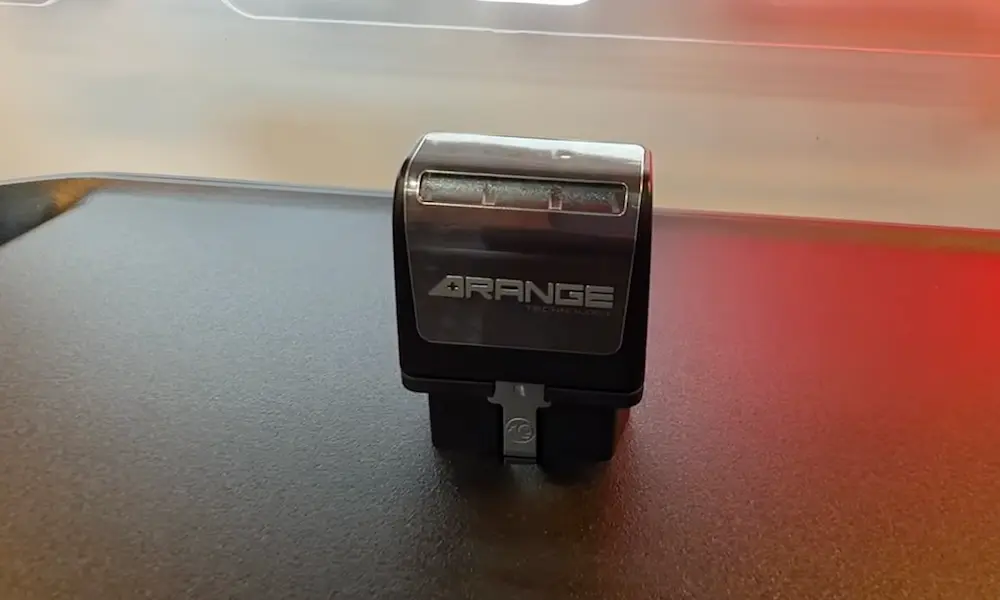
An OBD-II disabler plugs into your diagnostic port and stops the ECM from ever commanding the VLOM solenoids. No command means no lifter cycling. It’s the cheapest preventative step — typically $50–$150.
But here’s the catch: it doesn’t fix compromised hardware. If the pins are already worn or the oil supply is already restricted, the lifters can still mechanically collapse with the disabler installed. It’s a preventative tool, not a cure.
Option 2: Full Mechanical AFM Delete (The Permanent Fix)
The only guaranteed solution is removing the AFM hardware entirely. This involves:
- Removing all 16 AFM lifters and the VLOM
- Installing heavy-duty Delphi LS7 lifters (part #12499225) — no fragile locking pins
- Replacing plastic lifter guide trays with OEM heavy-duty versions (part #12595365)
- Installing a new non-AFM camshaft (part #12689035 or #12672469) — the factory AFM cam has different lobe profiles incompatible with standard lifters
- Sealing the engine valley with a billet aluminum or LS3-style valley cover (part #12599296)
- Re-flashing the ECM to erase all cylinder deactivation logic
Skip any one of these steps and you’ll create new problems. Many AFM delete kit guides are very clear: the camshaft replacement is non-negotiable.
Total cost at an independent shop: $3,500–$8,000 depending on parts and labor. Expensive — but far cheaper than a fresh engine.
Preventative Maintenance That Actually Matters
If a full delete isn’t in the budget yet, aggressive oil maintenance is your best friend:
- Use full-synthetic oil rated for your engine spec
- Change oil every 5,000 miles maximum — ignore the factory oil life monitor
- Watch your oil pressure gauge daily, not just when the warning light fires
- Check oil level monthly — AFM-related oil consumption can be dramatic
Frequently Asked Questions
What are the earliest warning signs that a cylinder deactivation lifter is failing?
The first sign is almost always a metallic ticking or tapping during cold starts. A healthy lifter pressurizes quickly and runs silently. A failing lifter takes too long, and the resulting clearance makes the pushrod slap against the rocker arm. As things worsen, the tick becomes a persistent knock, followed by rough idle, engine vibration, and a flashing Check Engine Light with a P0300 misfire code.
Does an electronic disabler guarantee the engine won’t fail?
No. Electronic disablers stop the computer from commanding the lifters to cycle, but they don’t change the physical hardware inside the engine block. If the locking pins or internal springs have already sustained wear, or if oil pressure is compromised, the lifter can still mechanically collapse. Only a complete mechanical delete guarantees immunity from the defect.
Are newer Dynamic Fuel Management engines safe from lifter defects?
No. DFM improved the computer logic but kept the same collapsible lifter design. Worse, DFM places complex deactivation lifters on all eight cylinders — double the failure points. The 2019–2021 model years were particularly bad, with some trucks experiencing catastrophic failures under 20,000 miles due to dimensional manufacturing defects in the locking pins.
How does a plastic lifter tray cause camshaft destruction?
The plastic guide tray keeps the lifter perfectly straight so the roller wheel stays flat against the camshaft lobe. After years of heat cycles, the plastic warps. When the tray loses its grip, the lifter rotates slightly in its bore. The sharp edge of the roller wheel then drags diagonally across the cam lobe instead of rolling cleanly. It carves a groove into the steel camshaft within minutes, sending metal particles throughout the engine.
What does an AFM lifter repair actually cost?
If the camshaft is still intact, replacing lifters and the VLOM on one bank typically runs $1,200–$2,500 at an independent shop. A full mechanical delete with a new camshaft, LS7 lifters, tuning, and gaskets runs $3,500–$8,000. If metal debris has reached the main bearings, a complete engine replacement can easily exceed $10,000.