Shopping for budget tires? You’ve probably stumbled across Accelera and wondered if they’re worth the savings. Here’s what you need to know: Accelera isn’t a simple yes or no answer. Some of their tires are surprisingly solid, while others are a gamble you don’t want to take. Let’s break down which models to grab and which to avoid.
The Real Story Behind Accelera Tires
Accelera is an Indonesian tire brand that’s been around since 1996. The company manufactures tires through Eptyres using what they call “DeltaMax technology”—basically an automated production system with a silica compound.
Here’s the thing: these are standard components in most modern tires. What separates budget from premium isn’t what goes into the tire, but how well it’s made. Premium brands invest heavily in sophisticated compounds and engineered polymers that stay flexible across different temperatures. Budget tires often rely on cheaper carbon black fillers that get hard in cold weather.
Accelera sells in over 50 countries and has the required safety certifications (DOT, E Mark, UKAS). But certifications don’t guarantee consistency or quality—they’re just the baseline for legal sale.
The Price Tag: What You’re Actually Paying For
Let’s talk dollars. Accelera tires cost roughly 40% less than premium brands like Michelin or Continental. Sounds like a steal, right?
Not so fast.
The warranty tells a different story. Most Accelera tires come with embarrassingly short treadwear warranties:
- Eco Plush: 45,000 miles
- Iota ST68: 35,000 miles
- PHI series: 30,000 miles
Compare that to Michelin’s 80,000-mile warranties, and you’re looking at buying nearly three sets of Accelera tires for every one premium set.
The Hidden Costs Add Up Fast
Here’s a real-world cost breakdown over 80,000 miles:
| What You’re Buying | Accelera PHI | Michelin Defender T+H |
|---|---|---|
| Initial Price (4 tires) | ~$400 | ~$700 |
| Treadwear Warranty | 30,000 miles | 80,000 miles |
| Sets Needed | ~2.67 sets | 1 set |
| Total Tire Cost | ~$1,068 | ~$700 |
| Installation Fees | ~$267 (3 installs) | ~$100 (1 install) |
| Total Cost | ~$1,335 | ~$800 |
The “cheap” tire ends up costing 65% more long-term. That’s before factoring in the risk of getting a defective set.
The Manufacturing Lottery: Why Quality Control Matters
This is where things get messy. Accelera has a documented problem with severe manufacturing defects, particularly vibration issues at highway speeds.
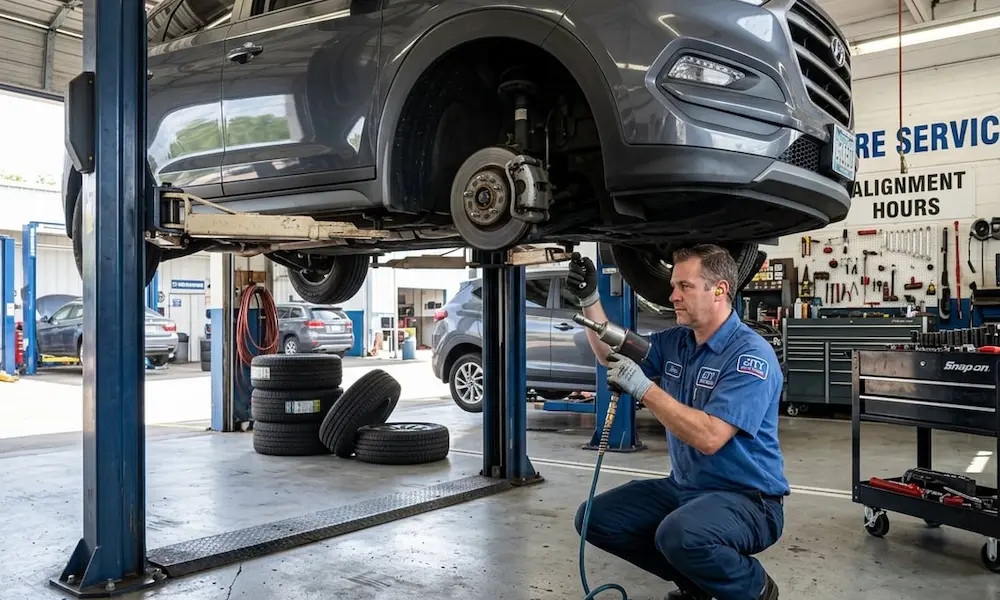
One user with access to professional Hunter Wheel Balancing equipment measured a brand-new Accelera tire at 38 pounds of road force. The acceptable limit? 15-20 pounds max.
What does that mean? Road force balancing uses a roller to press against the tire, simulating road conditions. It detects manufacturing defects like out-of-round tires or uneven sidewall stiffness—problems regular balancing can’t fix.
The technician tried “ForceMatching” (aligning the tire’s high point with the wheel’s low point) but only got it down to 31 pounds. Still way outside acceptable limits. This tire was fundamentally defective from the factory.
Common Problems Beyond Vibration
The issues don’t stop at vibration. Users report:
- Sidewall blowouts: Multiple failures on the Iota ST68 even with good tread remaining
- Poor wet traction: “No traction in rain” complaints are common
- Excessive noise: Loud road noise at highway speeds
- Rapid wear: Tires wearing “ridiculously fast” with irregular patterns
While there’s no specific NHTSA recall for Accelera, that doesn’t mean much. Recalls happen when complaint data reaches a threshold, and Accelera’s warranty process sends customers back to individual tire shops—potentially fragmenting the data.
Breaking Down Accelera’s Tire Lines
All-Season Tires: The Risky Choice
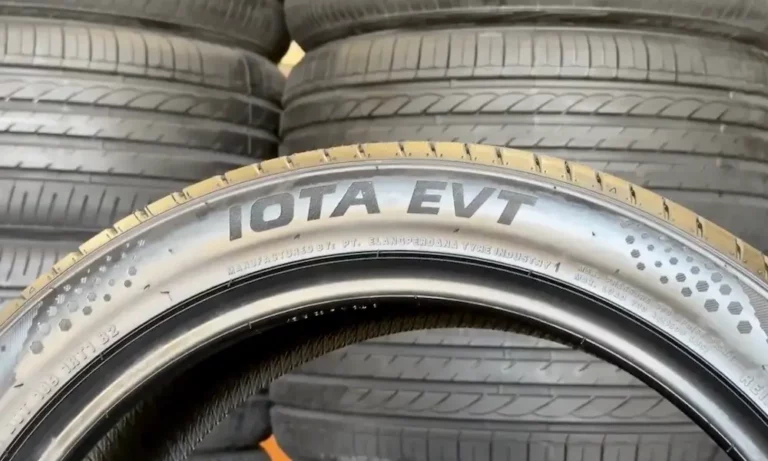
Accelera Iota ST68 (SUV/CUV)
This tire has wildly contradictory reviews, and geography explains why. In warm climates like Georgia or California, some drivers give it high marks for comfort and quiet ride. But that’s because they’re never testing its “all-season” claims.
Put these tires in actual winter conditions? Total disaster. One review calls them “total garbage” with “ZERO traction” on snow and ice—a genuine “safety hazard.”
The “All-Season” label is misleading. This is a 3-season tire at best, and that’s if you don’t get one of the defective sets with vibration and sidewall failures.
Verdict: Strong avoid, especially in four-season climates.
Accelera Eco Plush (Passenger Cars)
This basic commuter tire targets sedans, CUVs, and minivans. It’s marketed for quiet comfort and wet traction, with a 45,000-mile warranty.
The catch? It’s designed only for “light winter conditions.” If you live anywhere with real snowfall—Chicago, Boston, Denver—this tire is unsafe.
Verdict: Only for mild climates, and you’re still rolling the dice on quality control.
Performance Tires: Hit or Miss
Accelera PHI & PHI R (UHP Summer/All-Season)
These ultra-high-performance tires target sports car owners on tight budgets. The reviews are completely split.
On one hand, retailer sites show high ratings (4.6 stars, 7.9/10) praising dry handling and affordability. On the other hand, these are the exact models implicated in the 38-pound road force vibration complaints.
Durability claims are all over the map. The manufacturer says “long tread life,” but users report accelerated and irregular wear. The 30,000-mile warranty backs up the “poor longevity” conclusion.
Winter performance? Subpar at best, despite “all-season” marketing.
Verdict: You’re gambling on whether you get a good set or a vibrating nightmare. Not worth the risk for a daily driver.
Accelera 651 Sport (R-Compound Track Tire)
Now we’re talking. This is a specialized, DOT-certified R-compound tire built for drifting, autocross, and track days.
For its dirt-cheap price, it delivers. One user measured cornering grip between 1.0G and 1.35G—a massive improvement over all-season tires. The 100 treadwear “Extra” version shaved over a second off lap times compared to the 200 treadwear version.
The trade-offs? Loud highway noise, rough build quality compared to name brands, and questionable wet performance. But track enthusiasts know what they’re buying: a cheap, disposable performance tire.
Verdict: Actually good for its narrow purpose—budget track use where you accept the compromises.
The Standout: Accelera Winter Tires
Here’s where Accelera genuinely shines. The X-Grip winter tire line is the complete opposite of their sketchy all-season offerings.
What Makes the X-Grip Different
The Accelera X-Grip Snow is Three Peak Mountain Snowflake (3PMSF) certified—meaning it passed standardized severe snow testing. It’s studdable, features high-density siping, and uses a compound designed to stay flexible in freezing temps.
But here’s the kicker: real-world performance backs up the certifications.
One driver with “many, many years” on premium Michelin, Pirelli, and Bridgestone Blizzak winter tires said the Accelera X-Grip “will hang with the big boys, no problem”.
A New Hampshire driver in nasty mountain conditions reports “no slippage” and calls them “great.” Another said, “everybody else is spinning, I go right around them—it just claws its way right on up”.
The Numbers Don’t Lie
SimpleTire’s analysis scored the X-Grip Snow at 8.2 in handling and 8.4 in longevity—higher than the premium Nokian Hakkapeliitta R5 (8.1 in both categories). The Nokian only beat it in pure traction (8.5 vs. 7.0).
Verdict: The X-Grip is genuinely excellent and represents exceptional value against premium winter tires.
What the X-Grip Success Reveals
This is the most telling part of the whole story. The X-Grip line proves Eptyres can manufacture high-quality, consistent tires using the same “DeltaMax” system that produces their problematic all-season models.
The factory isn’t incapable—they’re making a business choice. They’re prioritizing low unit cost and high-volume output for mass-market tires over manufacturing consistency. The X-Grip shows what happens when they actually apply quality control.
Accelera vs. The Competition
Against Premium Brands
This isn’t a fair fight. Michelin, Continental, and Bridgestone invest heavily in R&D, use superior silica compounds, and offer 2-3x longer warranties.
As the cost breakdown showed, premium tires often deliver better long-term value. The X-Grip winter tire is the only Accelera model that competes head-to-head with premium options.
Against Value-Tier Brands
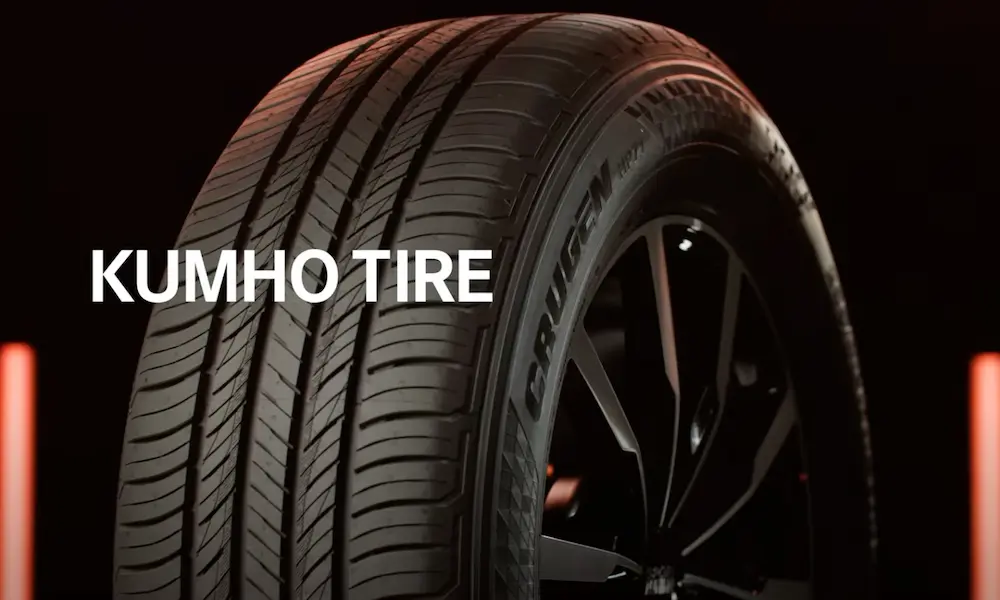
This comparison matters more. Brands like Hankook, Nexen, and Kumho also occupy the budget space but with better reputations.
Direct proof? The same expert who measured that horrible 38-pound road force defect specifically warns against Accelera and recommends Lexani (a Nexen-owned brand) as a superior budget performance tire.
Accelera sits in a lower “economy” tier alongside brands frequently flagged as “to avoid”. For a small price difference, you can grab a Kumho or Nexen and skip the manufacturing lottery entirely.
Who Should (and Shouldn’t) Buy Accelera
Skip Accelera If You’re:
A daily commuter in any climate: Even in mild weather, you’re exposed to the vibration lottery and poor tread life. A value-tier brand like Nexen offers better reliability for a similar price.
An SUV/CUV owner in four-season areas: This is the worst-case scenario. The “All-Season” Iota ST68 has ZERO traction in snow and ice. Buying this for a real winter climate is genuinely dangerous.
A risk-averse driver: If you want “buy it and forget it” reliability, stay far away. The hassle, noise, vibration, and potential early replacement erase any savings.
Consider Accelera If You’re:
A budget track/autocross enthusiast: The 651 Sport delivers measurable dry grip for cheap. You accept the noise, poor wet performance, and rough build quality as part of the deal.
Shopping for dedicated winter tires: The X-Grip is legitimately excellent. It’s 3PMSF-certified and performs comparably to premium brands at a fraction of the cost. This is Accelera’s standout product.
The Bottom Line on Accelera Tires
So, are Accelera tires good? It depends entirely on which model you’re considering.
The majority of their lineup—all-season and UHP tires—represent a high-risk gamble. The upfront savings get wiped out by short tread life, and you’re playing Russian roulette with quality control. Severe vibration, poor wet traction, and potential sidewall failures make these a bad bet for daily drivers.
The winter tire line is the exception. The X-Grip genuinely competes with premium brands and offers outstanding value. If you need winter tires and you’re on a budget, these deserve serious consideration.
For everything else? Spend a bit more on a reputable value-tier brand like Kumho, Nexen, or Hankook. You’ll sleep better knowing your tires won’t vibrate apart at 70 mph or leave you stranded in the snow.
Your tires are literally where the rubber meets the road. Don’t gamble on safety to save $100 upfront—especially when that “savings” costs you more in the long run.