Shopping for tires shouldn’t feel like decoding a conspiracy theory. You’re staring at Blackhawk tires—dirt cheap compared to Michelin—and wondering if they’re a smart buy or a ticking time bomb. Let’s cut through the marketing fluff and examine what you’re actually getting. By the end, you’ll know if Blackhawk deserves a spot on your ride.
The Short Answer: Good at Some Things, Not Others
Here’s the deal: Blackhawk tires excel at being quiet and affordable. If you’ve driven on budget tires before, you know they usually sound like you’re piloting a washing machine. Not these. Professional reviews confirm Blackhawk is “gaining a reputation for being one of the quietest tires on the market,” offering a peaceful ride even at highway speeds.
But—and this is a big but—they stumble hard in two critical areas. First, the all-season models can’t handle serious winter weather. Second, those impressive 60,000-mile warranties? Real-world data suggests the tread might give up the ghost around 20,000 miles. That’s not a typo.
Who Makes Blackhawk Tires?
Blackhawk isn’t some garage operation. It’s owned by Sailun Tire Group, a Chinese manufacturer that’s climbed into the top 10 global tire producers. We’re talking 40 million passenger car tires annually—serious volume.
Sailun runs a multi-brand empire including Sailun, RoadX, and Blackhawk, with manufacturing facilities in both China and Vietnam. The Vietnamese plant in Tay Ninh province is confirmed through NHTSA recall documents, so this isn’t just assembly-line gossip.
The company positions Blackhawk as “affordable high-end”—Tier 2 quality at Tier 3 prices. That’s the promise, anyway. Whether they deliver is another question.
Where Blackhawk Tires Shine
Ride Comfort That Punches Above Its Weight
This is where Blackhawk earns its keep. The tires use staggered tread blocks and advanced sidewall engineering to absorb road vibration. Translation? You’re not getting rattled to death on rough pavement.
One Acura MDX owner noted “no excessive road noise” at 80 mph. Another driver switching from Falcon tires on a Honda Pilot called them “much quieter” with superior comfort. For a budget tire, that’s impressive.
The engineering isn’t accidental. Sailun claims over 460 patents and runs “global engineering teams” focused on ride quality. They’ve clearly invested in tread pattern design—the stuff you notice immediately on a test drive.
Dry and Wet Grip (For Everyday Driving)
Don’t expect race-car handling, but for commuting? Blackhawk holds its own. Users report “good grip on corners” and reliable traction in typical wet conditions. The tread patterns provide what one review called “adequate” performance for the price.
This isn’t white-knuckle confidence in a downpour, but it’s competent enough for grocery runs and daily commutes. The key word here is “adequate”—not thrilling, but functional.
Price That Makes Your Wallet Happy
Let’s be honest: this is why you’re here. Blackhawk tires cost roughly 50% less than name-brand options like Goodyear or Michelin. If you’re replacing four tires, that’s hundreds of dollars staying in your pocket.
The brand targets budget-conscious drivers who need legal tread depth to pass inspection without taking out a loan. For that specific mission, Blackhawk delivers.
Where Blackhawk Tires Fall Short
The Tread Life Controversy
This is the elephant in the garage. Blackhawk markets aggressive tread life warranties—often 50,000 to 60,000 miles. Sounds great, right?
Here’s the reality check. A detailed Reddit report tells a different story. One user bought Blackhawk tires from Walmart specifically for the 50,000-mile warranty. After just 20,000 miles, the tread was “virtually gone” despite regular rotations and alignments.
The kicker? The warranty process turned into a bureaucratic nightmare. Walmart passed the claim to Blackhawk. Blackhawk bounced it back to Walmart. The customer was stuck in the middle with worn-out tires and no recourse.
Another user confirmed “tread wear was shorter than expected.” This isn’t isolated whining—it’s a pattern.
Winter Performance: Don’t Even Think About It
If you live anywhere with actual winter, pay attention. Blackhawk’s standard all-season models are dangerously inadequate in snow and ice.
The BlackHawk Hiscend-H HT01, a popular 60,000-mile all-season tire, explicitly lists as a con: “cannot be driven in severe winter weather conditions.” It’s rated for light snow only.
Reddit users citing Consumer Reports data confirm that Sailun/Blackhawk tires “performed like crap well below the median on ice and snow.” The rubber compound simply doesn’t stay flexible in freezing temps.
Want winter capability? You’ll need the Blackhawk Hiscend-H HA11, which is Three Peak Mountain Snowflake (3PMSF) certified. But here’s the trade-off: it only carries a 40,000-mile warranty—20,000 miles less than the all-season version.
This proves Sailun can engineer winter-capable tires. They just don’t bother for most of their lineup.
The Safety Question: That 2021 Recall
In 2021, Sailun issued a safety recall (NHTSA Campaign 21T-018) affecting 84,351 tires across multiple brands—including Blackhawk. The problem? Tread belt separation, which can cause tread delamination while driving.
The cause was identified as a “steel belt package design change.” The estimated defect rate for that production run? 100%. Yep, every single tire had the flaw.
Now, this recall affected trailer tires (ST235/80R16 and ST235/85R16), not passenger car tires. But here’s why it matters: it reveals a systemic design validation failure. If Sailun’s testing missed a catastrophic belt design flaw, what else might slip through?
The company markets “state-of-the-art facilities” and “vigorous testing.” Yet 84,000+ defective tires made it to market. That’s a credibility problem.
Understanding the Warranty Game
Blackhawk runs a clever two-part warranty strategy that deserves scrutiny.
The Road Hazard Program: Actually Good
The 2-Year Road Hazard Replacement Program is legitimately best-in-class for budget tires. If you hit a nail or slash a sidewall in the first two years, Blackhawk replaces it. No hassle, no games.
This coverage is genuinely valuable. Road hazard damage is random and low-frequency, so the company can afford to be generous. It builds trust fast.
The Tread Life Warranty: Questionable
This is the 50,000 to 60,000-mile promise plastered on the marketing. It’s valid for 60 months from purchase and covers premature wear down to 2/32″ tread depth.
But remember that Reddit user with tires shot at 20,000 miles? The warranty didn’t save them. The claim process became a ping-pong match between retailer and manufacturer, ending in frustration.
The warranty also includes the classic escape hatch: it’s voided by “improper maintenance.” That’s vague enough to dispute almost any claim.
Here’s the strategy: the road hazard warranty costs Blackhawk relatively little but generates massive goodwill. The tread life warranty sounds valuable but may be functionally worthless when you actually need it.
Blackhawk vs. Other Budget Brands
Blackhawk doesn’t compete with Michelin. It fights for budget dollars against Westlake, Goodride, and Linglong.
In this arena, Blackhawk performs well. Comparative analysis shows it offers:
- Longer warranties than Goodride and Linglong (which “tend to wear out faster”)
- Quieter ride than most budget competitors
- Better grip than bottom-tier options
One Redditor noted that “name brand budget Goodyear tires cost about 50% more and are the same or worse quality.” In the budget battle, Blackhawk lands somewhere in the upper tier.
Budget Brand Comparison
| Brand | Tread Life | Noise Level | Grip Quality |
|---|---|---|---|
| Blackhawk | Higher (longer warranty) | Lower (quieter) | Higher (reliable) |
| Westlake | Average | Average | Average |
| Goodride | Lower (wears faster) | Higher (louder) | Lower (less secure) |
| Linglong | Lower (wears faster) | Higher (louder) | Lower (less secure) |
Key Blackhawk Models Decoded
Understanding which model you’re buying matters. Here’s the breakdown:
Hiscend-H HT01 (All-Season SUV/Light Truck)
60,000-mile warranty. Quiet, comfortable. Cannot handle severe winter. This is the mass-market workhorse.
Hiscend-H HA11 (All-Terrain)
40,000-mile warranty. 3PMSF certified for snow/ice. You’re trading 20,000 warranty miles for winter capability.
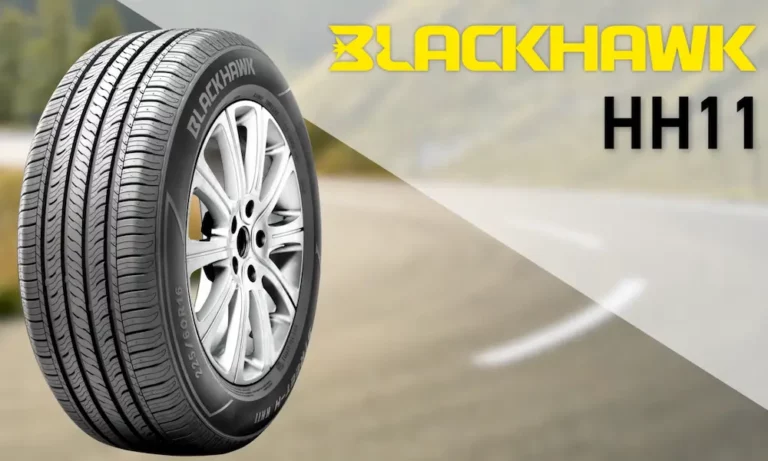
Street-H HH11 (All-Season Passenger Car)
60,000-mile warranty. Same winter limitations as the HT01. High paper mileage, questionable real-world durability.
ICE PREY BW10 (Dedicated Winter)
No mileage warranty. 3PMSF certified. Designed exclusively for winter—don’t run it in summer.
Model Warranty Comparison
| Model | Type | Warranty | Winter-Rated? | Best For |
|---|---|---|---|---|
| Hiscend-H HT01 | All-Season SUV | 60,000 mi | No | Mild climates, highway driving |
| Hiscend-H HA11 | All-Terrain | 40,000 mi | Yes (3PMSF) | Winter weather, off-road |
| Street-H HH11 | All-Season Car | 60,000 mi | No | Budget commuters, warm regions |
| ICE PREY BW10 | Winter | None | Yes | Dedicated winter tire |
The Engineering Trade-Off Nobody Talks About
Why is a tire quiet but short-lived? It’s not accidental—it’s strategic.
Quiet, comfortable rides come from smart tread pattern design and sidewall engineering. This is challenging but doesn’t require exotic materials.
Long tread life with all-weather grip? That demands expensive, advanced rubber compounds. Research and development costs skyrocket.
Blackhawk has engineered for the first impression. You buy cheap tires, get them installed, and cruise home thinking you scored a premium product. The tire feels great for months.
The failure—worn tread at 20,000 miles—only surfaces 1-2 years later. By then, the positive first impression has faded, and you’re stuck fighting an unresponsive warranty system.
This isn’t incompetence. It’s calculated cost allocation: invest in what sells the tire, minimize spending on what reveals itself later.
Who Should Buy Blackhawk Tires?
Good Fit For:
The Mild-Climate Commuter
You live in Florida, Southern California, or anywhere without real winter. You need cheap, quiet tires to replace worn rubber. Blackhawk delivers exceptional value here.
The Short-Term Value Seeker
You understand these are 2-3 year tires (not 60,000-mile tires) and you value the road hazard protection. You’re planning to sell the car soon anyway.
The Budget-First Driver
Your priority is passing inspection and getting back on the road. You’re not logging 20,000 miles annually. Blackhawk works.
Terrible Fit For:
Anyone in Snow Country
If you see ice, slush, or heavy snow, standard Blackhawk all-season models are unsafe. Either buy the 3PMSF-rated HA11 (and accept the shorter warranty) or choose a different brand entirely.
High-Mileage Drivers
You commute 100 miles daily and expect 50,000+ miles from a tire set. The premature wear risk is too high. You’ll likely replace these tires twice as often, erasing the initial savings.
Safety-First Buyers
The 2021 tread separation recall is a deal-breaker for you. You want a manufacturer with flawless quality control, not one with documented design validation failures.
The Bottom Line: Manage Your Expectations
Are Blackhawk tires good? They’re good at delivering immediate value: low price, quiet ride, solid road hazard warranty. For drivers in warm climates with modest mileage needs, they’re a rational choice.
But they’re not good at long-term durability or winter safety. The 60,000-mile warranties look impressive on paper but don’t align with real-world performance. The warranty claim process appears designed to frustrate rather than help.
Think of Blackhawk as the tire equivalent of a budget smartphone. It’ll work fine for basic tasks. It’ll impress you initially. But don’t expect flagship performance or longevity. The trade-off is baked into the price tag.
If that bargain fits your driving reality—short commutes, mild weather, budget constraints—Blackhawk delivers. If you need bulletproof reliability or winter confidence, spend more elsewhere. The tires are exactly as good as they need to be to hit their price point, and not one mile better.