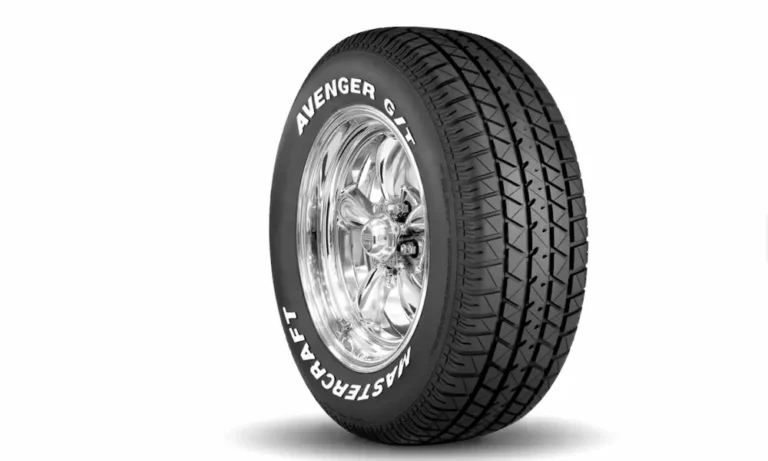
Shopping for budget tires? You’ve probably spotted Mastercraft’s tempting price tags and wondered if they’re legit or just cheap rubber that’ll leave you stranded. Let’s cut through the marketing fluff and see if these tires are actually worth your hard-earned cash.
What You’re Really Getting With Mastercraft
Here’s the deal: Mastercraft sits in that tricky middle zone between premium brands and sketchy imports. Cooper Tire owns and manufactures the brand, and since Goodyear bought Cooper in 2021, you’re technically getting a tire backed by one of America’s biggest tire makers.
Think of it like this: Goodyear makes the fancy stuff for new cars. Cooper handles the mid-range replacements. Mastercraft? That’s their budget-friendly option for folks who need reliable rubber without breaking the bank.
The good news? You’re not buying mystery tires from who-knows-where. The bad news? You’re getting a value-engineered product, and that comes with trade-offs we’ll dig into.
The Winter Tire Secret Nobody Talks About
Want to know Mastercraft’s best-kept secret? Their winter tires absolutely crush it.
The Glacier Trex and Courser MSR aren’t just “decent for the price” – they’re genuinely solid winter performers. Both carry the Three-Peak Mountain Snowflake certification, which means they’ve actually passed strict snow traction tests, not just slapped on some marketing badges.
Even better? They’re studdable. Chicago drivers gave the winter models perfect 5-out-of-5 ratings for snow traction, with owners saying things like “just as good as the Cooper Discoverer M+S, but cheaper.”
If you live anywhere that sees serious snow, these tires punch way above their weight class. You’d pay significantly more for Michelin or Bridgestone winter tires that don’t perform noticeably better.
Where Mastercraft Actually Shines
Let’s talk about what works. The brand offers solid options for specific situations.
Daily Commuters
The SRT Touring is Mastercraft’s bread-and-butter all-season tire. It comes with a respectable 65,000-mile warranty for most sizes and features 20% more lateral grooves than the old version for better wet and light snow grip.
Real drivers confirm it works. The tire scores well for quiet rides and all-weather reliability. One Chicago reviewer noted excellent snow traction for a standard all-season tire, which is pretty impressive.
Work Trucks and SUVs
The Courser lineup targets trucks and SUVs doing real work. Models like the Courser Trail and aggressive Courser MXT deliver off-road traction without premium pricing.
The Courser MXT mud-terrain tire averages 4.67 out of 5 stars from 284 reviews. Truck owners praise its off-road grip and durability. One driver even reported getting 78,000 miles from their first set – exceptional for any mud tire, let alone a budget option.
Weekend Warriors
If you’re not driving a high-performance sports car, Mastercraft handles normal driving just fine. It’s the tire equivalent of a reliable Honda – not exciting, but it gets the job done.
The Durability Gamble You’re Taking
Here’s where things get messy. Mastercraft’s biggest problem isn’t that the tires are bad – it’s that they’re wildly inconsistent.
Check out what real owners report about the same tire models:
The Winners:
- Courser MXT owner: “Got 78,000 miles out of my first set”
- Courser AXT driver: “8,000 miles on them and barely starting to show wear”
- HSX Tour user: “Still has plenty of tread” after two years and 30,000+ miles
The Losers:
- Same Courser MXT model: “Lugs wore uneven, started shaking the steering wheel at 22,000 miles”
- Courser STR contractor: “Wore out WAY too soon – didn’t even last 50% of the warranty”
- F-250 owner: “Went through three sets in three years because they wear out way too fast”
That’s the lottery you’re playing. You might score a set that outlasts expectations, or you might get stuck with tires that wear unevenly and die early.
One former tire seller put it bluntly: “Every MasterCraft tire I sold had bad wear. I really like General tires instead.”
The Warranty Trap You Should Know About
Mastercraft advertises strong warranties – 50,000 to 65,000 miles on many models. Sounds great, right?
Here’s the catch buried in the fine print: The warranty doesn’t cover “uneven, cupping, spotty, feathering tread wear” if it’s caused by things like improper installation, misalignment, or skipping rotations.
See the problem? The most common complaint about Mastercraft tires is premature, uneven wear. But the warranty excludes that exact issue.
One driver experienced this firsthand with their Courser STR tires. They wore out at less than 50% of the warranty mileage. The owner sent receipts, rotation records, and shipped the worn tires back to the manufacturer. After waiting a month, they got denied.
If you buy Mastercraft, keep every single receipt for alignments and rotations. You’ll need them if you want any shot at a warranty claim.
How They Stack Up Against Competition
Mastercraft vs. Premium Brands (Michelin, Goodyear)
No contest – Michelin wins. But you’re also paying $400 more per set. Michelin offers quieter rides, longer tread life, and better overall refinement.
The question isn’t “Are Mastercraft tires as good as Michelin?” They’re not. The question is “Are Michelin tires worth an extra $400 to you?” For many drivers, that’s a hard no.
Mastercraft vs. Mid-Tier Brands (General, Firestone)
This is where it gets interesting. General Tire and Firestone compete directly with Mastercraft on price.
Here’s the problem: When you research General or Firestone tires, you’ll find tons of professional road tests from TireRack and automotive magazines. Independent testers have put these tires through rigorous, head-to-head comparisons.
Mastercraft? Crickets. The brand doesn’t appear in TireRack’s tested brands or consumer surveys. That’s a red flag.
Without professional validation, you’re relying entirely on manufacturer claims (which promise great durability) and user reviews (which, as we’ve seen, are all over the map). That’s a riskier bet than buying a General Grabber that’s been thoroughly tested.
Safety Record: The Good and the Bad
Mastercraft has been involved in safety recalls, including NHTSA recall 21T-002 affecting the Deegan 38 All-Terrain model.
But here’s an important point: Having recalls isn’t necessarily terrible. Major brands like Cooper issue recalls too. What matters is that Mastercraft, as a Goodyear/Cooper product, has a formal recall process monitored by federal safety regulators.
Compare that to no-name import brands with zero accountability. If something goes wrong with a sketchy online tire, good luck getting answers. With Mastercraft, at least you’ve got a clear path for remedies through a major American corporation.
Who Should Actually Buy These Tires?
Buy Mastercraft if you’re:
A winter driver: The Glacier Trex and Courser MSR offer premium winter performance at budget prices. This is the brand’s slam-dunk category.
Running a work truck: You need functional, affordable rubber that won’t fail unexpectedly. The Courser line delivers that for less money than premium brands.
A budget commuter: The SRT Touring provides solid all-season performance with a decent 65,000-mile warranty. Just keep those rotation receipts.
Buying for a beater: If you’re putting tires on an older vehicle you plan to drive into the ground, Mastercraft makes sense. It’s American-made rubber at import prices.
Skip Mastercraft if you’re:
Risk-averse: The combination of inconsistent durability, difficult warranty claims, and lack of professional testing data makes these tires too unpredictable for peace-of-mind buyers. Spend the extra 20-30% for General or Firestone instead.
Driving high-performance or luxury cars: These tires aren’t engineered for responsive handling or whisper-quiet rides. Stick with Michelin or premium Goodyear models.
Prioritizing longevity above all: With Mastercraft’s durability lottery, you can’t count on consistent tread life. If you want predictable performance, look elsewhere.
The Bottom Line on Mastercraft
Are Mastercraft tires good? Yes and no.
They’re legitimately excellent winter tires. They’re solid work-truck tires. They’re acceptable daily-driver tires for budget shoppers who keep meticulous maintenance records.
But they’re also inconsistent. The durability varies wildly from set to set, the warranty has frustrating loopholes, and the lack of professional testing data means you’re buying with limited information.
Think of Mastercraft like this: You’re not buying premium quality, but you’re also not buying garbage. You’re buying a calculated risk from a reputable manufacturer at a budget price.
If you’re okay with that gamble and you fit one of the “buy” profiles above, Mastercraft can save you serious money. Just go in with eyes wide open about what you’re getting – and what you’re not.
For winter tires specifically? Don’t even hesitate. The Glacier Trex and Courser MSR are some of the best values in the entire tire market. Everywhere else? Mastercraft sits firmly in “it depends” territory.