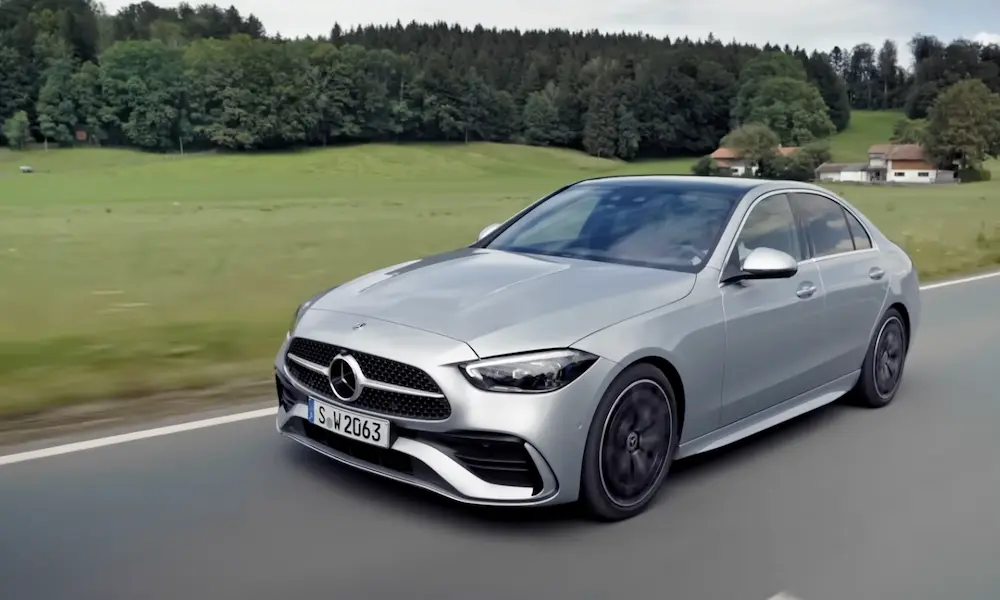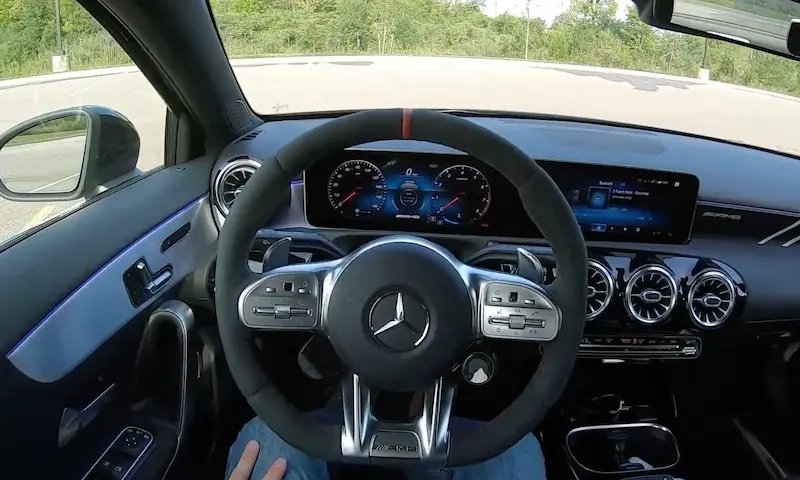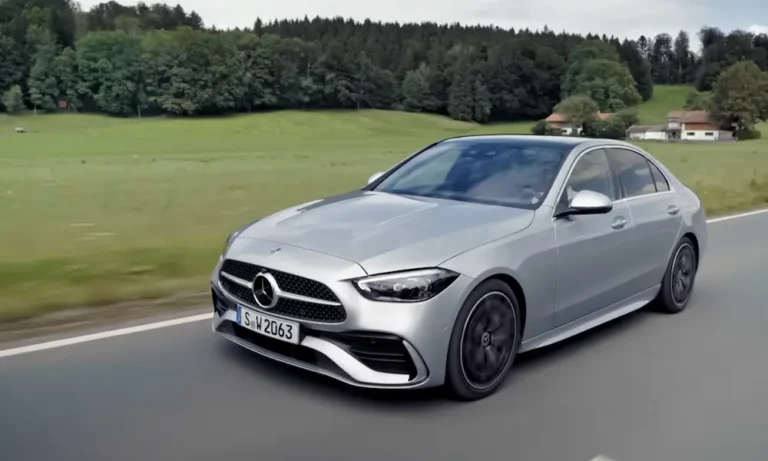
If you’re eyeing a Mercedes-Benz C-Class, you’re probably wondering whether you’re buying a luxury sedan or a money pit. Let’s cut through the marketing fluff and get real about what you’re signing up for. This isn’t your grandfather’s over-engineered Mercedes—it’s a different beast entirely, and you need to know what you’re getting into.
The Short Answer: It Depends on the Year
Not all C-Class models are created equal. Some years will treat you right, while others might leave you stranded with a repair bill that makes your mortgage look reasonable.
Are Mercedes Benz C Class reliable? The answer hinges on which generation you choose. The W204 generation (2008-2014) represents the last of the mechanically solid Mercedes models. The W205 (2015-2021) brings modern tech but also brings serious engine risks. The newest W206 (2022-present) swapped mechanical issues for electrical headaches.
You can’t just walk into a dealership and assume all C-Class models will deliver the same experience. Some years deserve your hard-earned cash. Others? Run away.
The W204 Generation: When Mercedes Built Them Right
If you want a reliable C-Class, the 2013-2014 W204 models are your sweet spot.
This generation came from an era when Mercedes was actively trying to rebuild its reputation after the quality disasters of the early 2000s. They succeeded. The W204 features a rigid steel chassis, naturally aspirated V6 engines (M272/M276), and electronics that don’t require a computer science degree to troubleshoot.
The 7-speed automatic transmission was fully matured by this point. It’s not flashy or cutting-edge, but it’s proven. You won’t find Apple CarPlay or massive touchscreens here—just solid German engineering that actually lasts.
The downside? Finding a clean, low-mileage W204 is getting harder. These cars are aging out, and the good ones are being snatched up by people who know what they’re worth. If you find one with documented maintenance history, grab it before someone else does.
The W205 Generation: A Tale of Two Eras
The W205 generation (2015-2021) is where things get complicated. This isn’t a simple “yes” or “no” on reliability—it’s a minefield that requires careful navigation.
The 2015-2016 Disaster You Need to Avoid
If there’s one piece of advice you take from this article, it’s this: stay far away from the 2015 Mercedes-Benz C300. This model year sits at the epicenter of a catastrophic engine defect that’s resulted in class-action lawsuits and financial ruin for unsuspecting owners.
The M274 2.0-liter turbocharged engine in these early models has a fatal flaw: the wrist pins that connect the pistons to the connecting rods were manufactured with incorrect tolerances. Under normal driving conditions, these wrist pins don’t rotate freely like they should. Instead, they create excessive stress on the piston structure.
The result? Your piston cracks while you’re cruising down the highway. You’ll experience sudden power loss, violent shaking, and thick white smoke pouring from your exhaust. And here’s the kicker—this isn’t a simple repair. The entire engine needs to be replaced.
Dealership quotes for this repair run between $12,000 and $18,000. That’s often more than the car is worth at that point. Mercedes acknowledged the issue through internal service bulletins but didn’t issue a full recall until forced by litigation. If you’re looking at a 2015-2016 C300, verify that the engine has been replaced or the wrist pin repair was completed under warranty. Otherwise, walk away.
The 2019-2021 Sweet Spot
Here’s where the W205 redeems itself. The 2019-2021 facelift models represent the most refined version of this generation.
Mercedes introduced the M264 engine with the mid-cycle refresh. While it’s not perfect (more on that in a moment), it doesn’t suffer from the catastrophic piston failures that plagued the M274. The build quality improved, annoying rattles were addressed, and the electronics stabilized.
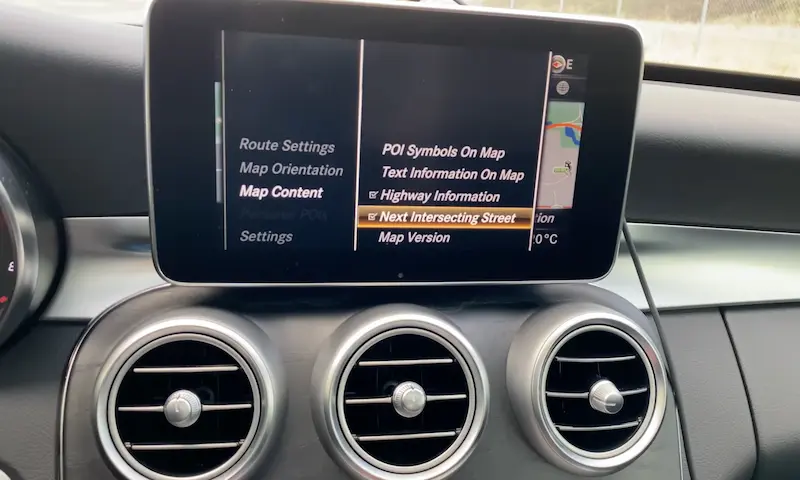
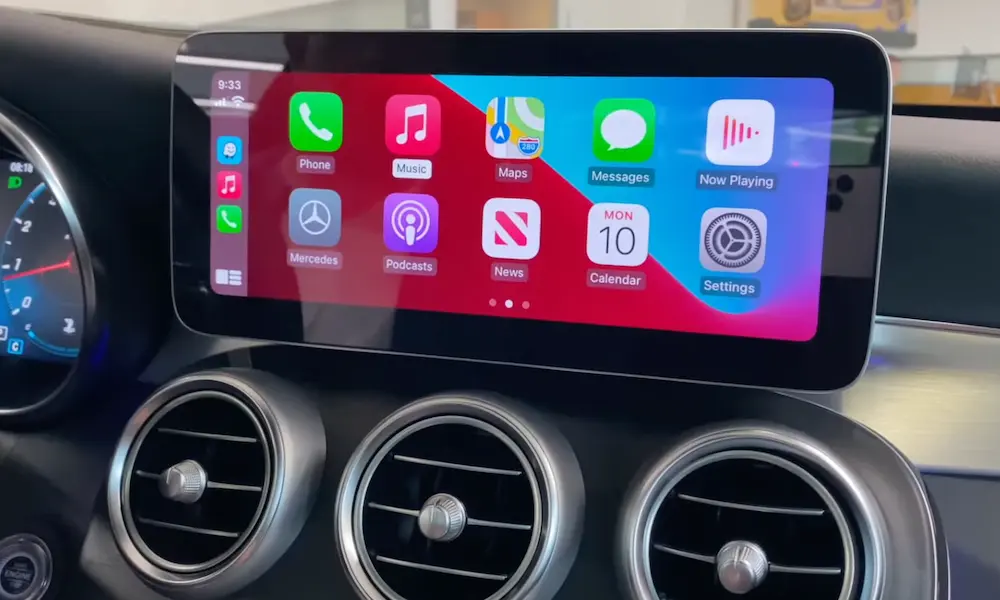
You’ll also get the updated 10.25-inch infotainment screen with Apple CarPlay and Android Auto as standard. The interior materials feel more premium, and the driving dynamics are sharp without sacrificing ride comfort.
If you’re shopping used, these are the years to target. They’re modern enough to not feel dated but mature enough that most of the early bugs have been worked out.
The M264 Engine: Better, But Not Perfect
The M264 engine solved the wrist pin nightmare, but it introduced its own issue: cylinder head and exhaust valve failures.
Owners report cylinder head problems typically appearing between 30,000 and 60,000 miles. The exhaust valves and valve seats wear prematurely or burn, leading to compression loss. You’ll know something’s wrong when your Check Engine Light comes on with rough idling and misfire codes.
The good news? This won’t destroy your entire engine like the piston issue. The bad news? Removing and repairing the cylinder head costs between $4,000 and $7,000. Mercedes has been inconsistent about covering these repairs under goodwill, especially if you’re just outside the standard warranty period.
It’s frustrating but manageable if you’re prepared for it. Just don’t expect Mercedes to automatically have your back.
The W206 Generation: Welcome to the Electrical Era
The newest C-Class (2022-present) represents a fundamental shift in how Mercedes builds cars. They’ve moved away from mechanical complexity and straight into electrical complexity. The question isn’t “Are Mercedes Benz C Class reliable?” anymore—it’s “Can the software keep up with the hardware?”
The 48-Volt Battery Nightmare
The W206’s biggest reliability issue is its 48-volt mild-hybrid system. This isn’t just a nice-to-have feature—it’s essential to basic vehicle operation.
The Integrated Starter Generator (ISG) replaces your traditional starter motor and alternator. It’s powered by a dedicated 48-volt lithium-ion battery. When this system fails, your car won’t start. Period.
Worse yet, the electric water pump runs on this system too. If the 48V battery dies while you’re driving, your engine can overheat within minutes, forcing the car into limp mode or shutting down entirely.
Early W206 owners report seeing a red battery icon with messages like “48V Battery Malfunction” or “Stop Vehicle – See Operator’s Manual.” These failures stem from two main causes:
Improper grounding: Some vehicles left the factory with the 48-volt ground connection painted over. Without clean metal-to-metal contact, you get electrical resistance, heat buildup, and system failures. This issue has even prompted fire-risk recalls on related platforms.
Oversensitive battery management software: The control software was programmed too conservatively. It detects minor voltage fluctuations and immediately cuts power to “protect” the battery, effectively bricking your car. Mercedes has issued multiple software updates, but failures continue to pop up even in 2023 models.
MBUX Infotainment Issues
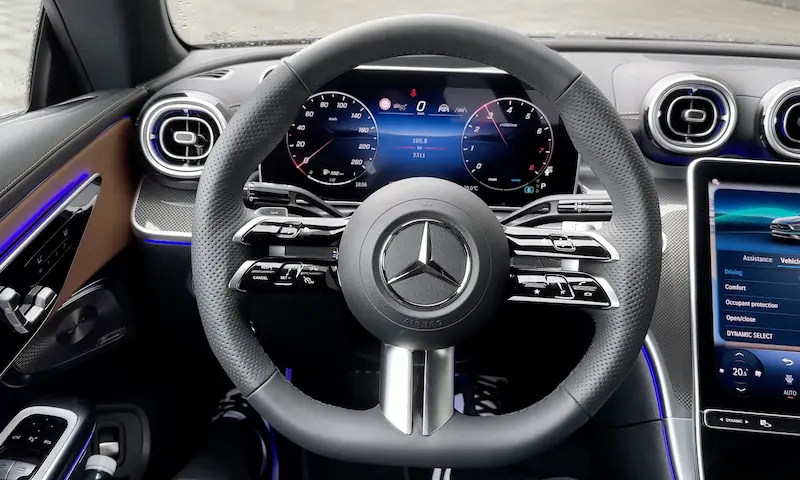
The second-generation MBUX system looks stunning with its 11.9-inch portrait touchscreen. It’s also frustratingly unstable.
Owners report the screen going completely black while driving, killing access to navigation, audio, and—most critically—climate controls. Can’t adjust your defogger? Hope it’s not winter.
Wireless CarPlay and Android Auto disconnect randomly or freeze, requiring you to hold down the power button or cycle the ignition to reset the system. Over-the-air updates promise fixes but sometimes fail to install correctly, leaving modules in a suspended state that requires a dealer visit.
For a luxury car in this price range, these issues are unacceptable. You’re not buying a beta test vehicle—at least, you shouldn’t be.
The M254 Engine: Powerful But Unrefined
The M254 engine delivers impressive performance numbers, but it doesn’t feel like a Mercedes.
Multiple owners and reviewers note a distinct rattling sound at idle that resembles a diesel engine. This comes from the high-pressure fuel injectors and complex timing drive system. While it doesn’t indicate immediate failure, it detracts from the luxury experience you’re paying for.
The engine’s integration with the 48V system also creates new vulnerabilities. The electric water pump and A/C compressor mean there’s no serpentine belt. That’s great for eliminating belt maintenance—until the 48V system fails and your engine loses cooling and cabin climate control instantly.
Diesel Models: Generally Better, With One Expensive Catch
If you’re in a market where diesel C-Class models are available (C220d, C300d), reliability is generally superior to the gasoline variants—with one major exception.
The newer OM654 diesel engine places its timing chain at the rear of the engine, against the firewall. If the chain stretches or the tensioner fails (a known issue on earlier diesel models), the entire engine must be removed from the vehicle to access it. A standard repair suddenly becomes a multi-thousand-dollar operation.
Emissions systems also present ongoing costs. AdBlue heaters and NOx sensors are sensitive to crystallization and frequently need replacement every 50,000-70,000 miles.
If you’re committed to diesel, budget for these eventual repairs. They’re not “if” expenses—they’re “when” expenses.
Plug-In Hybrid Models: Maximum Complexity, Maximum Risk
The PHEV C-Class models (C300e, C350e) offer compelling performance and efficiency on paper. In practice, they represent the highest reliability risk in the entire lineup.
Early W205 C350e models used a small 6.2 kWh battery that degrades significantly. Owners report electric range dropping from 12 miles when new to under 5 miles after just a few years.
The onboard charger is another common failure point. When it dies, the high-voltage system can lock out the entire vehicle, preventing even the gas engine from starting. Replacement requires specialized high-voltage training and equipment, making it extremely expensive outside of warranty coverage.
Unless you’re prepared for these risks and costs, skip the PHEV variants.
The Real Cost of Ownership: It’s Not Just About Repairs
When asking “Are Mercedes Benz C Class reliable?”, you also need to consider what reliability costs you in maintenance—even when nothing breaks.
Service A and Service B: Expensive Oil Changes in Disguise
Mercedes enforces a strict alternating maintenance schedule that makes routine upkeep pricier than competitors.
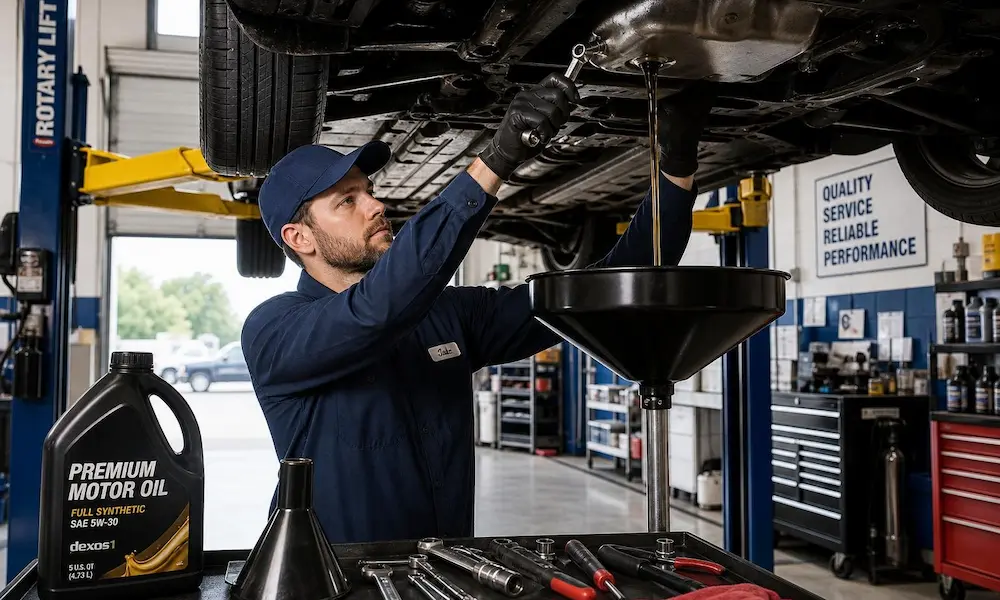
Service A (every 10,000 miles or 1 year): This is the “minor” service—oil and filter change, fluid top-offs, tire pressure check, brake inspection. Dealerships charge $250-$400 for what’s essentially an expensive oil change with a thorough inspection. Independent specialists bring the cost down to $150-$250, but you’re still paying premium prices.
Service B (every 20,000 miles or 2 years): The major service includes everything in Service A plus cabin filter replacement, brake fluid flush, and deeper component inspections. Expect to pay $500-$800 at a dealer, or $300-$500 at a quality independent shop.
How Mercedes Stacks Up Against Competitors
When you compare five-year maintenance costs, the C-Class emerges as the most expensive luxury sedan to keep running:
| 5-Year Costs | Mercedes C-Class | BMW 3 Series | Audi A4 | Lexus IS 300 |
|---|---|---|---|---|
| Scheduled Maintenance | $4,800 – $5,500 | $3,800 – $4,200 | $4,000 – $4,600 | $2,500 – $3,200 |
| Complimentary Maintenance | None | 3 years included | None | 1st service free |
| Common Major Repair Risk | 48V battery, engine issues | Coolant leaks | Water pump | Minimal |
BMW includes the “Ultimate Care” package covering oil, filters, and plugs for three years, significantly undercutting Mercedes’ initial ownership costs. Lexus remains the outlier with dramatically lower labor rates and parts costs thanks to shared Toyota components.
If long-term affordability matters to you, the C-Class isn’t the smart pick.
Consumables: Brakes and Tires That Eat Your Wallet
The C-Class, especially AMG Line models with 19-inch wheels, chews through consumables aggressively.
Mercedes fits run-flat tires (MOE – Mercedes Original Extended) as standard. These have stiff sidewalls that create a harsher ride and wear faster. Don’t be surprised if your rear tires only last 15,000-20,000 miles. Replacing all four quality run-flats costs over $1,200.
The brake situation is equally expensive. Mercedes uses soft, high-performance pads that generate massive dust and strong bite but wear quickly. The rotors are often too soft to resurface, meaning they must be replaced with every pad change. A complete four-wheel brake job at a dealer runs $1,200-$1,800.
These aren’t catastrophic failures—they’re normal wear items. But they add up fast.
Recalls and Legal Issues Tell the Real Story
The volume and severity of recalls reveal quality control problems that reliability ratings don’t always capture.
Major Safety Recalls You Should Know About
A significant recall affected thousands of W205 models where the adhesive bonding the panel between the windshield and panoramic sunroof deteriorated. This panel could detach while driving, becoming a dangerous projectile. This points to serious bonding process failures at the factory level.
Other recalls have targeted steering rack locknuts that could crack under load and potentially jam the steering wheel, plus high-pressure fuel lines that leaked into the engine bay and created fire risks.
Class Action Lawsuits
The Jamil v. Mercedes-Benz USA lawsuit alleges Mercedes knew about the M274 piston cracking defect but often denied warranty coverage for customers slightly out of warranty—despite the defect existing from the factory.
Another class action targets raw fuel leaking into engine compartments due to prematurely deteriorating high-pressure fuel line connections.
These legal actions reveal widespread defects that Mercedes has been slow to acknowledge or remedy properly.
What to Check Before You Buy
If you’re shopping for a used C-Class, don’t skip the pre-purchase inspection. Here’s what mechanics need to check specifically:
Cold start test: Start the engine when completely cold. Listen for a sharp rattle lasting 2-3 seconds. This indicates failing camshaft adjusters or timing chain tensioners on M274/M264 engines.
Exhaust smoke check: Have someone rev the engine while you watch the tailpipe. Blue or white smoke means oil consumption or turbo seal failure.
48V system status (W206 only): Check the dashboard for any stored battery messages. The “Ready” light should illuminate instantly without hesitation.
Transmission behavior: Drive in both Comfort and Sport modes. Pay close attention to the 2-1 downshift when coming to a stop. Hard clunks indicate valve body problems.
Subframe inspection (W204): Check the rear subframe for severe rust or perforation—a known weak point in older models.
Don’t trust a seller’s word. Get an independent inspection from a mechanic who specializes in Mercedes-Benz vehicles.
Should You Buy a Mercedes-Benz C-Class?
So, are Mercedes Benz C Class reliable? The honest answer is: they can be, if you choose the right year and maintain them properly.
The 2013-2014 W204 models offer the best mechanical reliability but lack modern technology. The 2019-2021 W205 represents the sweet spot—modern features with manageable risk, provided you have warranty coverage or a healthy repair fund. The 2022-2023 W206 should be avoided until Mercedes proves it can stabilize the 48V electrical system.
If you’re comparing luxury sedans and prioritize reliability, the BMW 3 Series (G20) currently offers better long-term prospects thanks to the proven B48 engine platform and included maintenance. The Lexus IS 300 remains the reliability champion if you can live with slightly less advanced technology.
But if you’re captivated by the Three-Pointed Star and willing to accept higher maintenance costs and potential repairs, the C-Class still delivers on luxury, safety technology, and driving dynamics. Just go in with your eyes open about what ownership really costs.
The C-Class teaches an expensive lesson: high performance and cutting-edge technology invariably come with high maintenance. If you’re not prepared for that reality, you’re better off looking elsewhere.