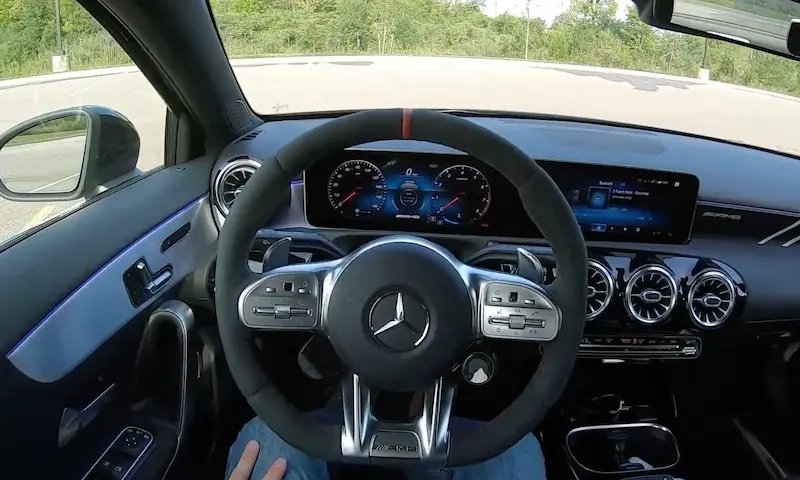
Thinking about buying a Mercedes-Benz but worried about maintenance costs? You’re right to consider the long-term expenses beyond that shiny hood ornament. Mercedes vehicles deliver exceptional engineering and luxury, but they come with a financial commitment that extends far beyond your initial purchase. Let’s break down exactly what you’ll pay to keep that German luxury car running smoothly.
Mercedes Maintenance Costs vs. Other Luxury Brands
Mercedes-Benz maintenance costs fall squarely in the middle of the luxury car spectrum. Over the first decade of ownership, expect to spend around $12,962 on maintenance and repairs for your Mercedes—about $978 more than the luxury brand average.
When compared to other luxury manufacturers, Mercedes ranks 11th out of 15 brands for 10-year maintenance costs. That places them significantly less expensive than BMW ($15,991) or Land Rover ($18,304), but considerably pricier than more budget-friendly luxury options like Lexus ($7,130) or Genesis ($7,626).
Here’s how the numbers stack up:
| Luxury Brand | 10-Year Maintenance Cost |
|---|---|
| Tesla | $4,287 |
| Lexus | $7,130 |
| Genesis | $7,626 |
| Mercedes-Benz | $12,962 |
| BMW | $15,991 |
| Land Rover | $18,304 |
| Bentley | $36,522 |
The probability your Mercedes will need a major repair within 10 years sits at 41.24%—about 5% higher than other luxury brands. This means you’re slightly more likely to face significant repair bills compared to owners of competing luxury vehicles.
How Mercedes Maintenance Costs Increase Over Time
Your Mercedes will be relatively affordable to maintain in the early years, but costs climb substantially as the vehicle ages. First-year owners typically spend around $576 on maintenance, but by year ten, that annual figure jumps to a wallet-thinning $1,903.
The steepest increases happen after the fourth year—not coincidentally when many factory warranties expire. This timing creates a financial double-whammy: your warranty protection ends just as components begin wearing out and requiring more frequent service.
Meanwhile, the probability of needing major repairs rises from just 4.08% in year one to 41.24% by year ten. This progressive increase explains why many Mercedes owners choose to trade in their vehicles before maintenance costs become prohibitive.
Mercedes Service Costs Compared to Competitors
Mercedes-Benz routine service costs consistently run higher than those of competitors like BMW and Audi. The two main scheduled maintenance packages for Mercedes include:
- Service A (typically done around 10,000 miles): Averages $350 for Mercedes vs. $300 for BMW and $280 for Audi
- Service B (typically done around 20,000 miles): Averages $1,040 for Mercedes vs. $900 for BMW and $850 for Audi
Even basic maintenance carries premium pricing:
| Service | Mercedes | BMW | Audi |
|---|---|---|---|
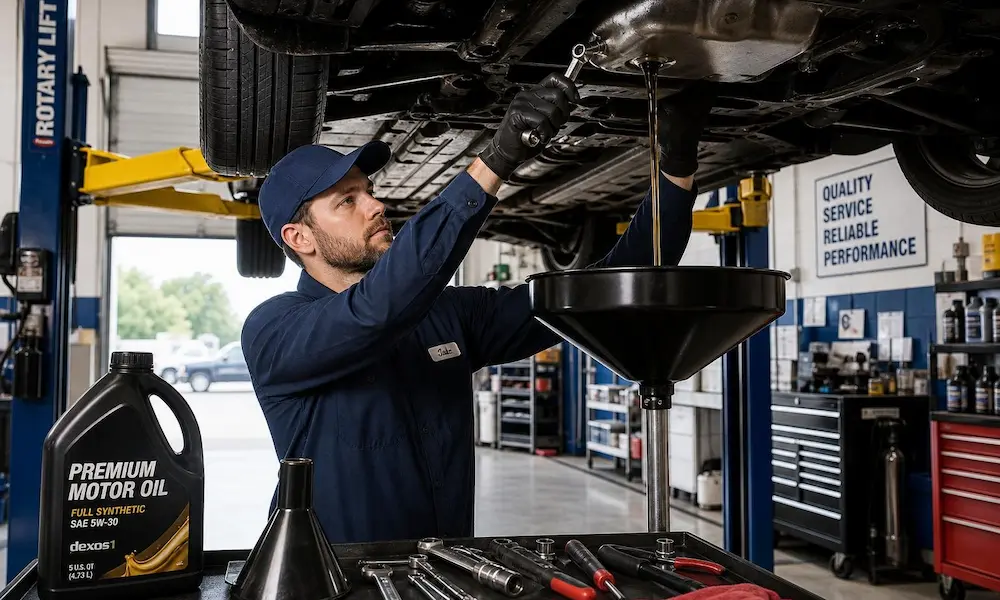
| Oil Change | $260 | $240 | $220 |
| Tire Rotation | $155 | $140 | $130 |
These differences might seem small for individual services, but they add up significantly over years of ownership.
Which Mercedes Models Cost More to Maintain?
Not all Mercedes vehicles are created equal when it comes to maintenance expenses. Model selection dramatically impacts what you’ll pay to keep your luxury car running:
- Most Affordable: C350 ($999 annually)
- Mid-Range: E350 ($1,087), GLK 350 ($1,185)
- Higher Cost: ML 350 ($1,407), S550 ($1,724)
- Most Expensive: S63 AMG ($2,182 annually)
This cost hierarchy reflects each model’s complexity. Entry-level models with simpler components and smaller engines generally cost less to maintain, while flagship vehicles with advanced technology and performance-oriented AMG models demand significantly higher upkeep investments.
Why Mercedes Maintenance Costs More
Specialized Labor Rates
One major factor driving higher maintenance costs is specialized labor. Mercedes technicians require extensive training and certification, commanding hourly rates between $100-$200 at independent shops and up to $280 at dealerships.
This specialized expertise isn’t just a luxury markup—Mercedes vehicles utilize proprietary systems and technology that require specific knowledge and diagnostic equipment to properly service.
Premium Parts Pricing
Mercedes vehicles use sophisticated components manufactured to exacting standards, which naturally cost more than mass-market alternatives. The brand’s commitment to performance and luxury means parts are engineered with tighter tolerances and higher-quality materials.
For example, replacing brake pads on a Mercedes C-Class costs around twice what you’d pay for a Toyota Camry. This premium extends across virtually every component, from air filters to complex electronic modules.
Advanced Technology Integration
Modern Mercedes vehicles pack incredible technology—from adaptive suspension systems to complex driver assistance features. These sophisticated systems require specialized diagnostic equipment and expertise when they need repair.
While this technology enhances your driving experience, it directly contributes to higher maintenance costs. As these systems grow more complex with each model year, maintenance expenses continue trending upward.
Warranty Considerations
New Mercedes vehicles include a 4-year/50,000-mile basic warranty covering both bumper-to-bumper and powertrain components. While this provides good initial protection, maintaining warranty compliance often requires using authorized service centers with higher labor rates.
After warranty expiration, maintenance costs increase substantially. Many owners choose extended warranty coverage to protect against these expenses, though this adds to the overall ownership cost through either upfront payments or financing.
How to Reduce Mercedes Maintenance Costs
Independent Service Centers
One of the most effective ways to reduce Mercedes maintenance expenses is using qualified independent specialists instead of dealerships. These shops typically offer 20-30% savings on labor rates while using the same OEM parts.
Many independent technicians previously worked at Mercedes dealerships, bringing the same expertise at lower hourly rates. When selecting an independent shop, look for specialized Mercedes expertise and positive reviews from other Mercedes owners.
Follow Preventive Maintenance Schedules
Following Mercedes-Benz recommended maintenance schedules helps prevent costly repairs by addressing issues before they become major problems. While Service A and B appointments require significant upfront investment, they’re far less expensive than dealing with cascading failures caused by neglected maintenance.
Proper maintenance also preserves resale value. Mercedes vehicles with complete service records typically command higher prices when it’s time to sell or trade in.
Consider Prepaid Maintenance Programs
Mercedes offers prepaid maintenance programs that can reduce costs by up to 30% compared to pay-as-you-go service. These programs cover scheduled maintenance items for specific periods, providing predictable costs and potential savings.
While these programs require substantial upfront payment, they offer peace of mind and protection against future price increases. They’re particularly valuable for owners planning to keep their vehicles beyond the warranty period.
Regional Cost Variations
Where you live significantly impacts your Mercedes maintenance expenses. Labor rates in major metropolitan areas often exceed $200 per hour, while smaller markets offer more competitive pricing.
Parts availability and shipping costs also vary by region. Vehicles requiring specialized components that aren’t locally stocked may incur additional expedited shipping charges, further increasing maintenance expenses in remote areas.
Mercedes Reliability and Repair Frequency
According to RepairPal, Mercedes-Benz receives a reliability rating of 3.0 out of 5.0, ranking 27th out of 32 automotive brands. The average annual repair cost across all Mercedes models is $908, with owners visiting repair facilities about 0.7 times per year.
There’s a 13% probability that any given repair will be severe, defined as costing three times the average annual repair amount. While Mercedes vehicles aren’t generally considered unreliable, they do require more frequent and expensive maintenance than mass-market brands.
Long-Term Ownership Considerations
Depreciation and Total Cost of Ownership
While maintenance costs are significant, they’re just one component of total ownership expenses. Mercedes vehicles experience substantial depreciation, with some models losing nearly $48,000 in value over five years.
When calculating the true cost of Mercedes ownership, you must also consider insurance (typically higher for luxury vehicles), premium fuel requirements, taxes, and financing costs. These combined expenses often make the maintenance component seem modest by comparison.
Impact on Resale Value
Proper maintenance helps preserve Mercedes resale value, potentially offsetting some service costs. Vehicles with complete service records from authorized facilities or reputable specialists typically command higher resale prices.
However, the luxury car market’s steep depreciation patterns mean that maintenance savings should be weighed against overall value retention. Even perfectly maintained Mercedes vehicles experience significant depreciation in the first few years.
The Bottom Line: Is a Mercedes Worth the Maintenance Cost?
Mercedes-Benz vehicles are undeniably expensive to maintain compared to mainstream automobiles, with average annual costs ranging from $908 to over $2,000 depending on the model. Within the luxury segment, however, their maintenance costs are moderate.
Prospective owners should budget between $1,000 and $2,500 annually for maintenance, with costs increasing significantly after the fourth year of ownership. While independent service centers and preventive maintenance can reduce expenses, Mercedes ownership requires a substantial financial commitment beyond the purchase price.
The premium maintenance costs reflect sophisticated engineering, high-quality materials, and specialized service requirements that define the Mercedes ownership experience. For many enthusiasts, the brand’s performance, prestige, and driving experience justify these higher expenses. For others, the significant long-term costs might make more budget-friendly luxury alternatives like Lexus worth considering.
Understanding these costs upfront allows you to make informed decisions about luxury car ownership and budget appropriately for the complete ownership experience. Remember: buying a Mercedes is just the beginning of your financial relationship with this prestigious brand.