Your dashboard just lit up with two wrench icons, and now you’re wondering what Mercedes service B actually covers — and whether the cost is worth it. Good news: this guide breaks down every task, every subcode, and every hidden detail so you walk into that dealership fully prepared.
What Is Mercedes Service B?
Mercedes service B is a comprehensive maintenance milestone that hits at 20,000 miles or two years of ownership — whichever comes first. It’s part of Mercedes-Benz’s Flexible Service System, introduced for all 2009 and newer models.
Think of it as your car’s biennial deep-dive health check. It covers everything in Service A, then adds critical replacements that only need attention every two years. Your ASSYST PLUS onboard computer tracks your driving patterns, engine load, and environmental conditions to tell you exactly when it’s due.
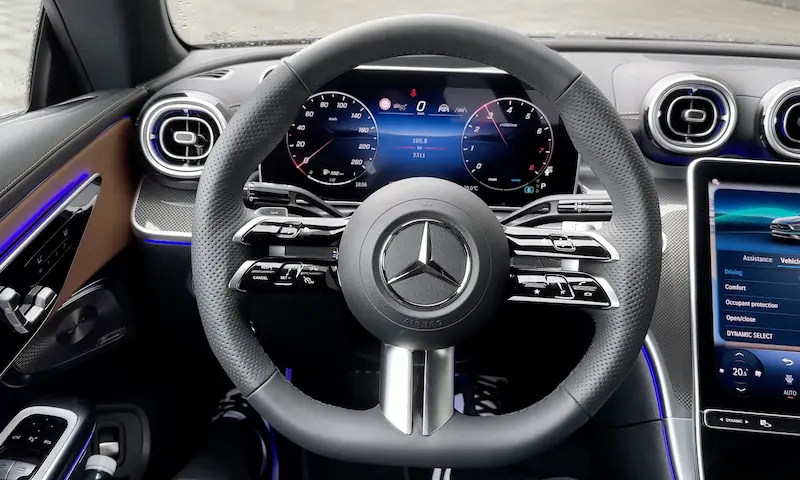
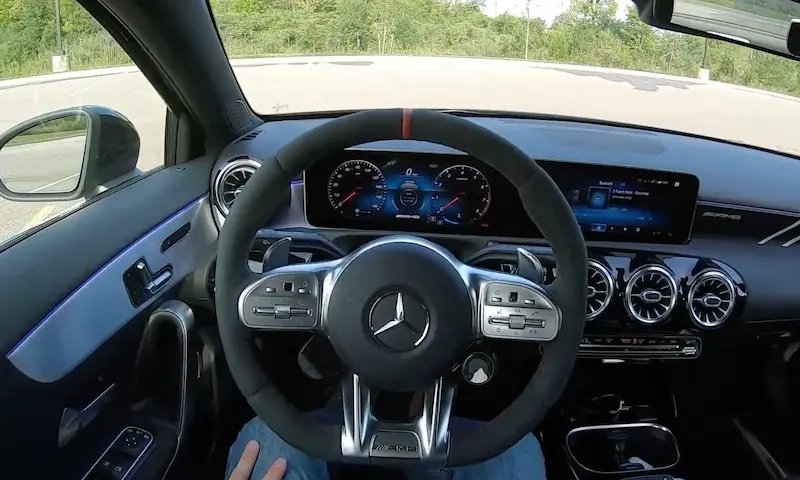
When the system triggers Service B, two wrench icons appear on your instrument cluster. That’s your cue.
Service A vs. Service B: What’s the Difference?
Both services alternate on a rhythm — A at 10,000 miles, B at 20,000 miles, then A again at 30,000, and so on. Service A is the lighter annual check. Service B is the comprehensive version that adds brake fluid, cabin filters, and a thorough multi-point inspection.
Here’s how they stack up side by side:
| Maintenance Feature | Service A (10k Miles / 1 Year) | Service B (20k Miles / 2 Years) |
|---|---|---|
| Visual Icon | Single Wrench | Double Wrench |
| Synthetic Oil Change | ✅ Included | ✅ Included |
| Oil Filter Replacement | ✅ Included | ✅ Included |
| Brake Inspection | Visual Check | Full Component Review |
| Cabin Dust Filter | ❌ Not Included | ✅ Mandatory |
| Brake Fluid Exchange | ❌ Not Included | ✅ Mandatory |
| Fluid Level Checks | Basic Top-off | Extensive Correction |
The difference between Service A and B isn’t just quantity — it’s depth. Service B addresses components that degrade over two years regardless of mileage.
The Core Mercedes Service B Checklist
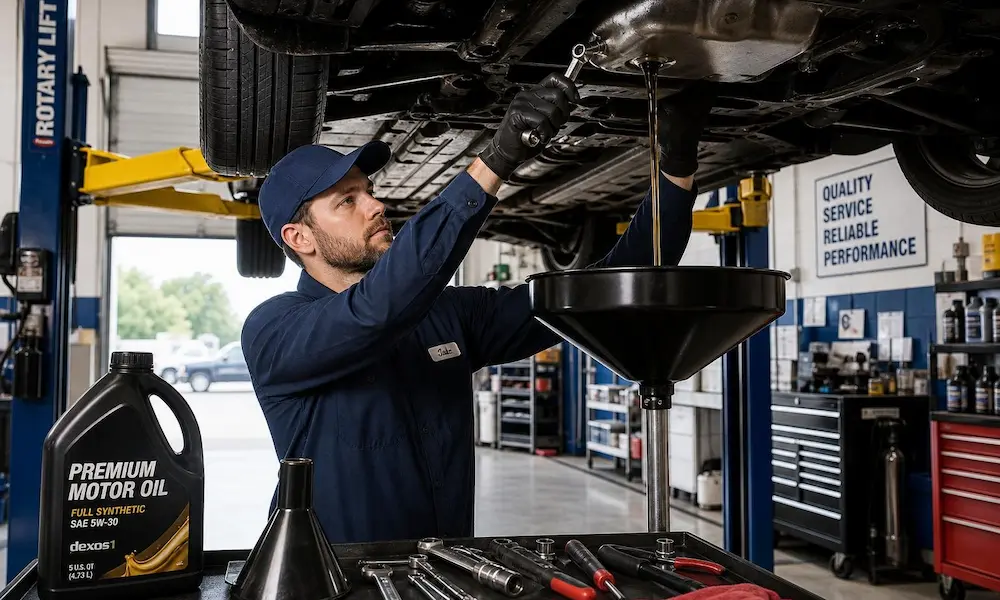
Synthetic Oil and Filter Replacement
Mercedes mandates high-performance synthetic motor oil specifically engineered for turbocharged and high-compression engines. This oil maintains molecular stability across extreme temperature ranges, preventing sludge buildup around crankshaft bearings and camshafts.
The oil filter gets replaced at the same time. Mercedes uses genuine fleece or advanced cellulose filters that capture microscopic contaminants a standard paper filter misses. Together, quality synthetic oil and a high-capacity filter prevent premature engine wear over that 10,000-mile service stretch.
Brake Fluid Exchange
This is the most critical addition Service B brings over Service A. Brake fluid absorbs moisture from the atmosphere — even inside a sealed system. After two years, that accumulated water content lowers the fluid’s boiling point significantly.
Here’s why that matters: In hard braking situations — a steep downhill run, an emergency stop — heat builds fast. Moisture-laden fluid can boil, creating vapor pockets that give you a spongy pedal and reduce stopping power. Beyond safety, water in the brake lines corrodes the valves and pumps inside your ABS and Electronic Stability Program modules. Those repairs aren’t cheap.
Technicians also measure brake pad thickness and inspect rotors for warping or heat-spotting during this visit.
Cabin Dust and Combination Filter Replacement
Your cabin filter removes pollen, dust, soot, and allergens before air enters the passenger compartment. Many Mercedes models use combination filters with activated charcoal layers that also neutralize odors and harmful gases like nitrogen oxides.
Skip this replacement and you’ll strain your HVAC blower motor, reduce A/C efficiency, and — in humid climates — risk mold growth inside your ventilation system. For EQS models, this involves HEPA-grade filtration that traps even the finest airborne particles.
Full Multi-Point Inspection
Service B includes a thorough check of:
- Suspension components — ball joints, control arm bushings, and rubber boots for cracks or leaks
- Steering system — rack play, hydraulic line integrity, and linkage condition
- Tire condition — tread wear patterns, scalloping, feathering, and pressure including the spare
- All exterior lighting — including adaptive headlights that shift during cornering
- Windshield wipers and horn — functional tests for inclement weather readiness
- 12V auxiliary battery — cold-cranking capacity and charge retention test
That battery check matters more than most people realize. In ECO Start-Stop vehicles, the 12V battery handles constant high-current cycles. A failing battery can strand you without any warning light — Service B catches it before that happens.
Understanding Mercedes Service B Subcodes
When your ASSYST PLUS system triggers Service B, it often pairs a numeric subcode alongside it — B0, B1, B3, and so on. These codes tell your technician exactly which additional maintenance tasks your specific vehicle needs based on its mileage and age milestones.
This system protects you from paying for services you don’t need yet while ensuring major components aren’t overlooked.
| Subcode | What It Requires | Why It Matters |
|---|---|---|
| B0 | Sunroof cleaning & lubrication | Prevents motor strain and seal failure |
| B1 | Brake fluid replacement | Standard safety requirement |
| B2 | Engine air filter replacement | Maintains engine airflow and efficiency |
| B3 | Automatic transmission service | Fluid and filter change for smooth shifting |
| B4 | Spark plug replacement | Maintains ignition timing, prevents misfires |
| B5 | Fuel filter replacement | Critical for diesel and high-mileage engines |
| B6 | Drivetrain fluid service | Axle and differential oil replacement |
| B7 | Comprehensive brake overhaul | Deep fluid and component refresh |
| B8 | Transmission + sunroof service | Combined mechanical and convenience work |
| B9 | Transmission + brake fluid service | Major hydraulic and mechanical refresh |
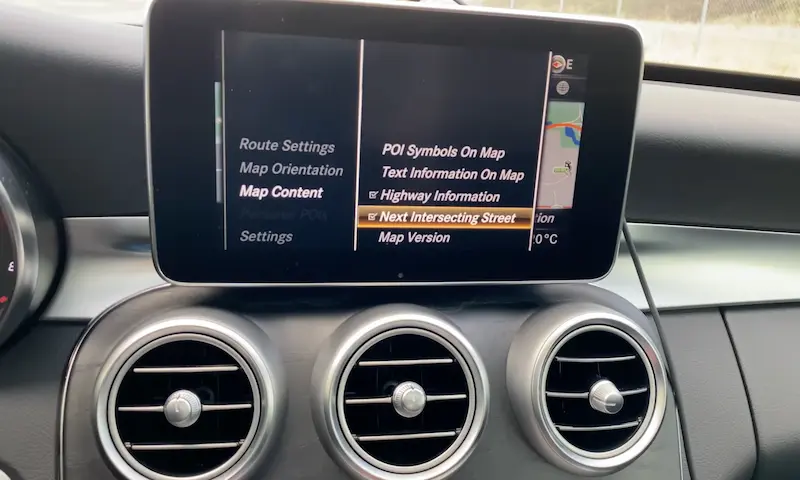
Technicians access these codes through the vehicle’s hidden service menu before your appointment begins, so they can confirm the full scope of work upfront.
Service B for AMG, Diesel, and EQ Models
AMG Performance Models
AMG engines run at higher revs and greater thermal loads than standard models. Several AMG variants — including the C-Class, E-Class, CLA, and SL — require a rear axle differential fluid change early in ownership, followed by a comprehensive differential oil service during later Service B intervals.
The CLA 45 and GLA 45 AMG require engine air filter replacement at every Service B visit. Their high-output turbo engines move significantly more air volume and are sensitive to intake restrictions. Spark plug intervals for AMG models run shorter too — typically between 30,000 and 45,000 miles — because intense ignition cycles erode electrodes faster.
BlueTEC Diesel Models
Diesel owners get a few extra tasks at Service B. The biggest one: AdBlue (Diesel Exhaust Fluid) replenishment. This liquid urea solution injects into the exhaust stream, breaking down harmful nitrogen oxides into harmless nitrogen and water vapor. Most AdBlue tanks are sized to last a full service interval, but technicians top them up and inspect lines for leaks.
Diesel fuel filters also get replaced. Because diesel fuel contains higher paraffin and moisture levels than gasoline, a clogged filter drops fuel pressure and can permanently damage the high-pressure common-rail injection pump and injectors.
Mercedes-EQ Electric Vehicles
Electric vehicles still need Service B — the tasks just look different. No oil change, no spark plugs. But the high-voltage battery system, thermal management, and regenerative braking all require biennial oversight.
Here’s what EQ Service B covers:
| EQ Maintenance Task | Purpose |
|---|---|
| Battery health and capacity check | Monitors degradation and confirms range |
| Cooling system fluid inspection | Protects battery from thermal stress |
| Regenerative brake verification | Confirms energy recovery and braking safety |
| HEPA filter replacement | Maintains superior cabin air quality |
| Charging port cleaning | Removes oxidation for safe, efficient charging |
| Fragrance cartridge replacement | Refreshes the Air Balance scent system |
Because EVs deliver instant torque, they can wear tires unevenly compared to combustion vehicles. The tire rotation and alignment check during Service B is especially important for extending tire life on EQ models.
Mercedes Sprinter Service B
The Sprinter operates under a modified Service B framework that reflects its heavy-load, high-mileage commercial use. Service B for the Sprinter occurs every 20,000 miles or two years after the initial Service A.
The checklist goes further than a standard passenger car visit:
| Sprinter Service Task | Why It’s Critical |
|---|---|
| Full lubrication of hinges, locks, and hitches | Prevents corrosion and mechanical binding |
| V-belt inspection for cracks or glazing | Prevents alternator and cooling system failure |
| Transmission fluid and filter replacement | Protects the heavy-duty gearbox under load |
| High-capacity diesel fuel filter replacement | Guards the common-rail injection from water contamination |
| HVAC and engine air intake filter service | Maintains engine power in high-dust environments |
Because Sprinters often work in construction and delivery environments, air and fuel filters face heavier contamination than a typical passenger car. Brake inspections cover the entire hydraulic system to ensure safe stopping when fully loaded.
How Long Does Mercedes Service B Take?
A standard Service B appointment runs between 1.5 and 3 hours. That window covers the multi-point inspection, all fluid and filter replacements, and a road test to verify performance after the work.
If your ASSYST PLUS system flagged additional subcodes — say, a B3 transmission flush or B4 spark plug swap — budget for more time. Most dealerships offer courtesy loaner vehicles for longer appointments, so ask when you book.
Does Mercedes Service B Affect Your Warranty and Resale Value?
Yes on both counts. Missing Service B intervals can give Mercedes-Benz grounds to deny warranty claims on major component failures if the vehicle wasn’t maintained per the factory schedule.
On the resale side, a verifiable digital service history from an authorized center directly increases your car’s market value. Buyers pay more for documented maintenance — it removes doubt about how the vehicle was treated. Skipping a $400–$600 Service B to save money now can cost you thousands at trade-in time.
Is Dealer Service B Worth the Cost?
Factory-trained technicians have access to the latest diagnostic software, manufacturer technical bulletins, and genuine Mercedes-Benz parts engineered to exact tolerances. Generic aftermarket alternatives often fall short on material quality and fit.
More importantly, dealership diagnostic tools identify pending issues that haven’t triggered a dashboard warning yet. That proactive approach — catching a cracked ball joint boot or a weak auxiliary battery before failure — is exactly what Service B is designed to do. It’s not just maintenance. It’s insurance against expensive surprises.