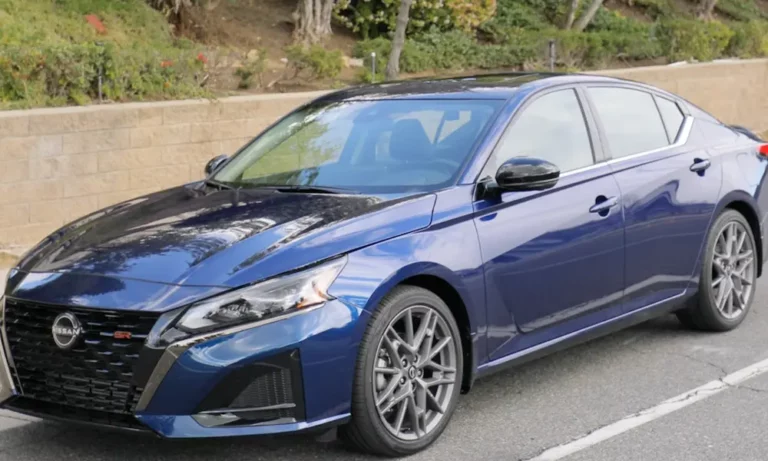
Got a Nissan that shudders, hesitates, or feels like it’s stuck in a gear it can’t escape? You’re probably dealing with one of the most talked-about issues in modern automotive history. This guide breaks down exactly what’s going wrong, which models are affected, what settlements you might qualify for, and whether the newest Nissans are actually fixed.
What Is a Nissan CVT and Why Does It Fail?
A continuously variable transmission (CVT) replaces traditional fixed gears with two variable-diameter pulleys connected by a steel belt or chain. Instead of “shifting,” it slides through an infinite range of gear ratios. Nissan’s version, called the Xtronic CVT, promised smoother acceleration and better fuel economy — roughly 4% to 8% better than older transmissions.
The problem? The whole system depends on friction and hydraulic pressure to transfer power. When that pressure fluctuates — because of solenoid wear, fluid breakdown, or heat — the belt starts to slip. That’s when things get ugly.
Which Nissan Models Have CVT Transmission Problems?
Nissan went all-in on CVTs fast — arguably too fast. Here’s a look at when the Xtronic CVT entered each major model line:
| Model | CVT Introduced | High-Complaint Years |
|---|---|---|
| Nissan Murano | 2003 | 2015–2018 |
| Nissan Altima | 2007 | 2013–2018 |
| Nissan Sentra | 2007 | 2013–2018 |
| Nissan Rogue | 2008 | 2014–2018 |
| Nissan Pathfinder | 2013 | 2013–2018 |
By 2010, Nissan had dropped manual and traditional automatic options from most of its sedan lineup entirely. That bet concentrated the brand’s entire reliability reputation into one complex component — and it cracked.
The mid-2010s were the worst years. High failure rates in 2013–2018 Rogues, Altimas, and Pathfinders triggered a wave of consumer complaints and massive class-action settlements.
The 7 Most Common Nissan CVT Transmission Problems
1. Shuddering or “Judder” During Acceleration
This is the big one. Judder feels like your car is vibrating or stuttering as you accelerate — like driving over a rumble strip that won’t stop. It happens when the belt slips and then grabs the pulley repeatedly, and it’s often the first sign your CVT is in serious trouble.
Nissan’s Transmission Control Module (TCM) tries to compensate by rapidly adjusting hydraulic pressure, which makes the shudder worse over time. If you feel it, don’t ignore it.
2. Diagnostic Trouble Code P17F0 or P17F1
These two codes show up constantly in CVT complaints:
- P17F0 (CVT Judder Detected): The internal slippage has reached a level where hardware damage is likely. This code usually means a full CVT replacement is coming.
- P17F1 (CVT Chain Slip): Points to a failure in the clamping pressure or chain alignment. Technicians use a NHTSA Technical Service Bulletin to guide the repair process.
P17F0 is treated as a hard fault — you can’t just clear it and move on. It requires hardware replacement or a specific calibration procedure.
3. Transmission Overheating
Heat is the CVT’s worst enemy. Nissan uses specialized NS-2 and NS-3 fluids with precise friction modifiers. When temperatures spike — especially in hot states like Florida or Texas, or when towing — the fluid’s viscosity breaks down fast.
One overheating event can slash the fluid’s effective life by 50% or more. Even after the unit cools down, the damage is already done. The TCM monitors a “Fluid Degradation Counter” that tracks heat exposure over time. When that counter maxes out, the transmission enters “limp mode” — limited speed, reduced power, and a very unhappy drive home.
4. Delayed or Sluggish Acceleration
Owners frequently report a noticeable lag between pressing the gas and the car actually moving. This rubber-band effect — where the engine revs high before the car picks up speed — is a known CVT characteristic that worsens as the belt wears.
5. Whining or Humming Noises
A high-pitched whine during acceleration often means the pulleys are wearing unevenly or the fluid is degraded. Don’t confuse this with normal CVT sound — a healthy CVT is quiet. If you hear it, check the fluid first.
6. Complete Transmission Failure
When slippage scores the pulley faces, the abrasive surfaces accelerate belt wear until the transmission can’t engage at all. Full CVT replacement can cost $3,500 to $8,000 out of pocket — which is exactly why the class-action lawsuits happened.
7. The “Strawberry Milkshake of Death” (SMOD)
This one’s more common in older non-CVT Nissans (2005–2010 Frontier, Xterra, Pathfinder), but it’s worth knowing. The SMOD happens when an internal radiator failure lets coolant mix with transmission fluid. The result? A pink emulsion that destroys the transmission almost instantly. Nissan redesigned its CVT cooling systems partly in response to lessons learned from SMOD failures.
Class Action Settlements: Do You Qualify for Money?
Lawsuits allege that Nissan knew about these defects as early as 2009 but continued denying warranty claims. Several massive settlements followed. Here’s where things stand:
| Settlement | Vehicles Covered | Key Benefits | Deadline |
|---|---|---|---|
| Beaver v. Nissan | 2015–2018 Murano, 2016–2018 Maxima | Warranty to 84mo/84k miles; up to $5,000 reimbursement; $1,500 vehicle voucher | July 3, 2025 |
| Rogue/Pathfinder Settlement | 2014–2018 Rogue, 2015–2018 Pathfinder, 2015–2018 Infiniti QX60 | 24mo/24k mile warranty extension; full dealer repair reimbursement | Closed 2022 |
| Altima/Sentra/Versa Settlement | 2017–2018 Altima, 2018–2019 Sentra, 2018–2019 Versa | Warranty extension; BBB arbitration; prior repair reimbursement | July 3, 2025 |
The Rogue/Pathfinder case alone cost Nissan approximately $277.7 million. If you missed the initial notification but still own a qualifying vehicle, Nissan has a Warranty Extension Reinstatement Request process — use it before the deadlines hit.
The TSB Repair Process: What Nissan Technicians Actually Do
Nissan’s Technical Service Bulletins — including NTB17-039N and NTB15-084b — lay out a specific repair flow for judder complaints:
- If P17F0 is present → Replace the entire CVT assembly
- If P17F1 is present → Remove the valve body, inspect the belt/chain with a borescope for scoring or fraying
- If the belt is intact but the valve body is faulty → Replace the hydraulic control unit and internal seals only
Here’s the part independent shops often miss: every CVT replacement requires a TCM Calibration Data Write. Each valve body has unique flow characteristics. Without uploading the correct calibration file — delivered on a CD or QR code with the new part — the TCM applies the wrong hydraulic pressure strategy and destroys the new unit within miles. This requires Nissan’s CONSULT-III plus diagnostic tool. Make sure whoever fixes your CVT knows this step.
Also check out the expanded NHTSA Technical Service Bulletin covering the Pathfinder, Altima, Maxima, Murano, and Quest for additional model-specific guidance.
CVT Fluid: The Single Most Important Maintenance Task
Nissan’s manuals sometimes suggest inspecting the fluid every 60,000 miles. Professional consensus says that’s way too long. Here’s what actually works:
| Driving Situation | Recommended Fluid Change | Notes |
|---|---|---|
| Normal commuting | Every 40,000–60,000 miles | Drain and refill; check for metallic debris |
| Severe use (towing, hot climates) | Every 25,000–30,000 miles | Full exchange; clean the magnets |
| Expert recommendation | Every 30,000 miles | Drain and refill; replace external filter |
Never use generic multi-vehicle CVT fluid. The NS-3 fluid has friction characteristics precisely matched to Nissan’s pulley clamping pressures. Using the wrong fluid is like putting diesel in a gasoline engine — it works briefly, then it doesn’t.
Also skip the pressurized flush machine. High-pressure flushes can dislodge metallic sediment and jam the solenoids in the valve body. Stick with a drain and refill.
One more thing: after a fluid change, the TCM needs a reset of its adaptation values so it can recalibrate pressure calculations for the new fluid’s viscosity. Many independent shops skip this step entirely.
Have Nissan CVTs Actually Gotten Better?
Yes — but with an asterisk.
Starting with the 2019 model year, Nissan and transmission supplier Jatco overhauled the Xtronic architecture. The newer CVT-X and CVT-XS units feature:
- Chain-driven design instead of push-belt, increasing torque capacity and reducing stretch-related slippage
- 30–58% less internal friction through improved pulley finishes and low-viscosity NS-3 fluid
- Expanded gear ratio range from 7.0 to 8.2, allowing lower RPM at highway speed
- D-Step Logic software that mimics a traditional automatic, preventing the engine from “hanging” at high RPM and reducing thermal stress
The 2022 Pathfinder ditched the CVT entirely for a ZF-sourced 9-speed automatic — a clear signal that Nissan recognizes the CVT’s limits in heavy, high-torque applications. Owner reviews of the new Pathfinder have been strongly positive.
The 2024 Nissan Rogue now holds an “above average” predicted reliability score from Consumer Reports. That’s a legitimate turnaround from the mid-2010s nightmare years.
Nissan CVT vs. Toyota and Honda: How Do They Stack Up?
| Brand | RepairPal Score | J.D. Power 2024 Ranking | CVT Reputation |
|---|---|---|---|
| Toyota | 4.0 / 5.0 | 2nd (Mass Market) | Excellent |
| Honda | 4.0 / 5.0 | Top 10 | Good |
| Nissan | 4.0 / 5.0 | 12th (Mass Market) | Recovering |
Despite identical RepairPal scores, the frequency of catastrophic CVT failures — rather than minor repairs — kept Nissan’s resale values well below Toyota’s. Toyota’s “Direct Shift” CVT uses a physical first gear for initial acceleration before handing off to the pulleys, removing the highest-stress load from the belt entirely. That’s smart engineering Nissan took years to catch up to.
What Should You Do Right Now?
If you own a 2013–2018 Nissan Rogue, Altima, Sentra, Pathfinder, Murano, or Maxima:
- Check your settlement eligibility before July 3, 2025 deadlines expire
- Change your CVT fluid now if you haven’t done it in the last 30,000–40,000 miles
- Watch for early judder symptoms — a shudder during low-speed acceleration is your warning sign
- Use a Nissan dealership or a shop with CONSULT-III plus for any transmission work
If you’re buying a 2019 or newer Nissan, the picture is genuinely better. The engineering improvements are real, and Consumer Reports data backs it up. Just don’t treat the CVT fluid as a “lifetime fill” — it isn’t.
The Nissan CVT transmission problems of the last decade were real, expensive, and largely avoidable with better engineering margins and earlier transparency. The newer units are a genuine step forward. But the CVT is still a high-maintenance component. Treat it like one, and it can go the distance.