Confused about which Nissan CVT fluid NS-2 equivalent actually works? You’re staring at a shelf of options, and picking the wrong one could mean a very expensive transmission repair. This guide breaks down exactly what NS-2 is, which fluids are certified to replace it, which cars need it, and how to service it properly. Read to the end — there’s a cross-brand compatibility breakdown that most guides completely miss.
What Makes NS-2 So Special in the First Place?
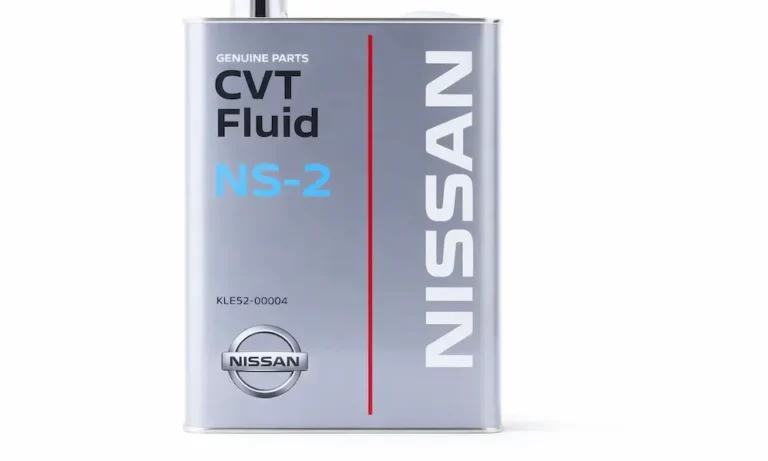
NS-2 isn’t just lubricant. It’s the lifeblood of the Jatco CVT — a transmission that swaps traditional gears for a steel push-belt running between two adjustable pulleys.
The fluid does three jobs at once:
- Hydraulic medium — it physically moves the pulleys to change your “gear ratio”
- Lubricant — it protects internal bearings and metal surfaces
- Friction modifier — it keeps the steel belt gripping the pulleys without slipping
Get the friction wrong in either direction and you have a problem. Too slippery, and the belt slips catastrophically. Too grippy, and the fluid shears apart under load. The Jatco JF011E and JF010E transmissions — which powered millions of vehicles between the mid-2000s and early 2010s — are the primary reason NS-2 was engineered to this exact specification.
Most genuine NS-2 fluids use high-performance synthetic blend or fully synthetic PAO base oils paired with a carefully tuned additive package that resists shudder, thermal oxidation, and corrosion.
NS-2 Physical Properties: The Numbers That Actually Matter
Before you buy any equivalent, check the data sheet. A real NS-2 equivalent should land close to these physical benchmarks:
| Physical Property | Beck/Arnley NS-2 | TCL CVTF NS-2 | Repsol CVT NS-2 | Mitasu CVT NS-2 | Aisin ATF-NS2 |
|---|---|---|---|---|---|
| Color | Green | Clear Brown | Red | Green | Green |
| Viscosity @ 40°C (cSt) | 29.93 | 33.32 | 35.0 | 30.62 | 29.7 |
| Viscosity @ 100°C (cSt) | 7.0 | 7.117 | 7.2 | 6.40 | 6.48 |
| Viscosity Index | 200 | 184 | 181 | 169 | 180 |
| Flash Point (°C) | 206 | 212 | 205 | 202 | 208 |
| Pour Point (°C) | -40 to -130 | -45.0 | -46 | -45 | -45 |
Don’t panic about the color difference. Repsol uses red, TCL is clear brown, and most others are green. Color is purely branding or leak-identification dye. It doesn’t affect fluid performance. That said, if you switch brands, do a full fluid exchange — it makes it easier to spot leaks and gauge fluid condition over time.
The Best Nissan CVT Fluid NS-2 Equivalents Ranked
Idemitsu Type N: The Closest Match You Can Buy
If you want one answer, this is it. Idemitsu CVTF Type N is what Nissan actually puts in the transmission at the factory. Idemitsu is the OEM factory-fill supplier for most Asian imports, meaning the “Nissan” fluid in your new car was likely manufactured by Idemitsu in the first place.
What sets it apart:
- Proprietary additive technology matched specifically to Jatco friction materials
- Outstanding anti-shudder performance, especially during torque converter lock/unlock cycles
- Superior deposit control that protects the delicate valve body solenoids
- Excellent rust and corrosion protection on internal metal surfaces
If you want factory-level confidence without paying dealer prices, Idemitsu Type N is widely available at major retailers and is the benchmark every other equivalent gets measured against.
Ravenol CVTF NS2/J1: Best for Extreme Temperatures
Ravenol’s fully synthetic CVTF is built specifically for the JF011E and JF010E transmissions using PAO and high-quality hydrocrack base oils. It’s one of the few aftermarket options engineered from the ground up for this exact Jatco architecture rather than being a reformulated general-purpose ATF.
Ravenol’s key advantage is extreme temperature performance. The fluid maintains excellent lubrication at -40°C while holding a stable viscosity film at high operating temperatures. If you live somewhere with brutal winters or regularly tow or drive in traffic, this is worth the premium price.
Eneos Eco CVT Fluid: Best for Noise and Fuel Economy
Eneos (Nippon Oil) Eco CVT Fluid takes a slightly different angle. Eneos claims a reduction in transmission noise of up to 5% through selective additives that optimize the belt-to-pulley interface. It’s formulated for fuel efficiency, making it a solid pick for daily drivers racking up highway miles.
Universal Multi-Vehicle CVT Fluids: Best for Budget and Convenience
Don’t sleep on universal fluids. Brands like Valvoline, Castrol, and Mobil have done the engineering work to cover dozens of OEM specifications in a single bottle.
| Universal Fluid | NS-2 Compatible | NS-3 Compatible | Key Strength |
|---|---|---|---|
| Valvoline Full Synthetic CVT | Yes | Yes | Extreme low-temp pour point (-70°F) |
| Castrol Transmax ATF/CVT | Yes | Yes | Outstanding copper corrosion protection |
| Mobil CVTF Multi-Vehicle | Yes | Yes | Superior torque capacity retention |
| Shell Spirax S5 CVT X | Yes | Yes | Works for both chain and push-belt CVTs |
Both Valvoline and Castrol have published compatibility charts confirming their fluids meet or exceed NS-1, NS-2, and NS-3. For independent shops servicing a diverse fleet, universal fluids cut inventory costs without cutting corners on protection.
Which Vehicles Actually Need NS-2 Fluid?
Nissan and Infiniti Models
The NS-2 era covers roughly 2003 through 2014 across most Nissan nameplates:
| Nissan Model | Year Range | Transmission Code | Engine |
|---|---|---|---|
| Altima | 2007–2012 | RE0F10A / RE0F09B | 2.5L / 3.5L |
| Rogue | 2008–2013 | RE0F10A | 2.5L |
| Sentra | 2007–2012 | RE0F10A | 2.0L / 2.5L |
| Murano | 2003–2014 | RE0F09A / RE0F09B | 3.5L |
| Maxima | 2007–2014 | RE0F09B | 3.5L |
| Quest | 2011–2014 | RE0F09B | 3.5L |
| Versa | 2007–2012 | RE0F08A / RE0F11A | 1.6L / 1.8L |
| Juke | 2011–2014 | RE0F10B | 1.6T |
| Cube | 2009–2014 | RE0F08B | 1.8L |
| NV200 | 2011–2014 | RE0F10A | 2.0L |
Cross-Brand Vehicles: NS-2 Goes Beyond Nissan
This is the part most people miss. The Jatco transmission doesn’t care what badge sits on the hood. Several other manufacturers used identical hardware and require the exact same fluid type under different names:
| Brand | Model | Years | OEM Designation |
|---|---|---|---|
| Dodge | Caliber | 2007–2012 | Mopar CVT+4 |
| Jeep | Compass / Patriot | 2007–2016 | Mopar CVT+4 |
| Mitsubishi | Lancer | 2008–2017 | DiaQueen CVTF-J1 |
| Mitsubishi | Outlander | 2007–2012 | DiaQueen CVTF-J1 |
| Mitsubishi | Outlander Sport | 2011–2016 | DiaQueen CVTF-J1 |
| Chevrolet | Spark | 2014–2015 | Dex-CVT |
| Chevrolet | City Express | 2015–2017 | Dex-CVT |
| Saturn | Vue | 2002–2005 | Dex-CVT |
Any fluid certified for Mitsubishi CVTF-J1 or Mopar CVT+4 is technically an NS-2 equivalent. That opens up your aftermarket options considerably regardless of what brand is in your driveway.
The NS-2 vs. NS-3 Debate: Should You Upgrade?
This debate comes up constantly in forums, and both camps have valid points.
The case for using NS-3 in an NS-2 car:
NS-3 is a fully synthetic, lower-viscosity fluid designed for newer Jatco CVT7 and CVT8 units. Some technicians report that switching to NS-3 resolves minor driveability issues like hesitation or slight jerking. Dealerships have been known to fill NS-2-spec cars with NS-3 without consequences.
The case for sticking with NS-2:
Transmission specialists point out that NS-3’s thinner film may not provide adequate load-bearing capacity in transmissions with worn belts and pulleys. An older, high-mileage CVT has tighter tolerances on hydraulic sealing. Per a Nissan technical service bulletin on CVT fluid temperature protection, using the exact specified fluid for warranty repairs is required — and for good reason. Meanwhile, Nissan’s NS-3 service information confirms it’s a distinct specification intended for newer transmission variants.
The bottom line: On a high-mileage NS-2 car (over 100,000 miles), stick with NS-2 or a quality universal equivalent. On a lower-mileage vehicle in excellent condition, NS-3 or a universal fluid is unlikely to cause harm, but it’s not worth the uncertainty.
How to Do a Proper CVT Fluid Service
The Triple Drain-and-Fill Method
A single drain only removes 3–5 quarts from a transmission that holds 8–11 quarts total. To genuinely refresh the fluid, use the triple drain-and-fill:
- Drain the pan and refill with fresh NS-2 equivalent
- Drive 10–15 miles to circulate fluid through the torque converter
- Drain and refill again
- Repeat one final time
This progressively dilutes oxidized fluid rather than leaving 60–70% of the old oil sitting in the torque converter and cooler lines.
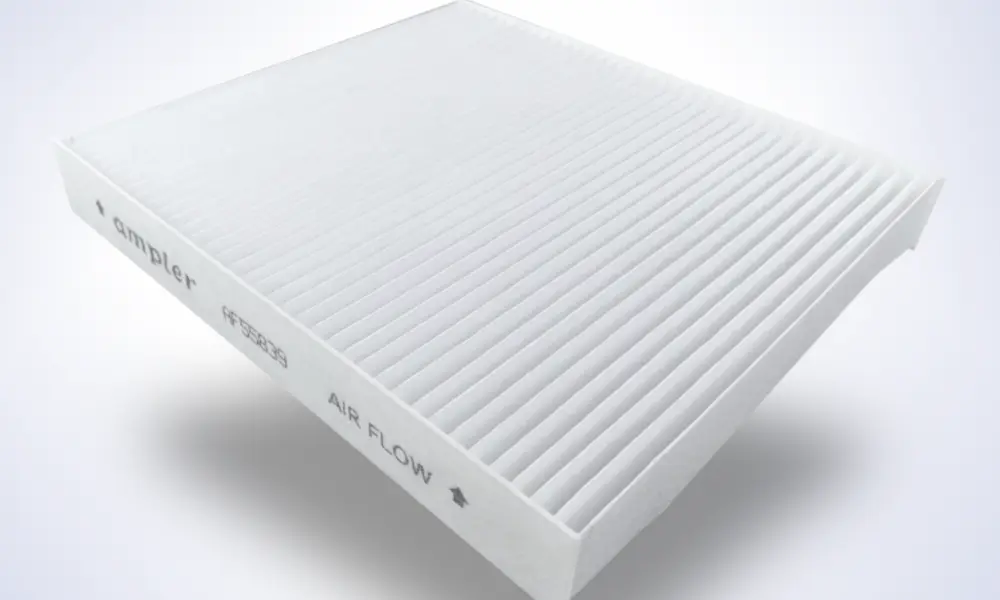
Don’t Skip the Filters
Most Jatco NS-2 units have two filters:
- Internal pan screen — a metal or plastic mesh inside the transmission pan
- External paper cartridge — located near the cooler line or on the transmission case
The internal pan also contains magnets to capture steel particles worn from the belt and pulleys. Clean those magnets. A buildup of metallic sludge migrates into the valve body and kills solenoids — one of the most common CVT failure modes.
Fluid Level Check
Check the fluid level only after bringing the transmission to full operating temperature and cycling through all gear positions. The correct level is extremely sensitive. Too high causes foaming and aeration; too low starves the pump. Jatco’s installation documentation confirms that final level adjustment must happen at operating temperature — not cold.
TCM Reset After a New Transmission
If you’ve replaced the CVT entirely, the Transmission Control Module needs a reset. Skipping this step throws a P167A “Calibration Mismatch” code and leaves the transmission operating inefficiently. Use a scan tool to clear the TCM’s learning memory, then run the required ignition cycle sequence per Jatco’s instructions before test driving.
The Smart Way to Choose Your NS-2 Equivalent
Here’s the quick decision framework:
- Want factory-match confidence? → Idemitsu CVTF Type N
- Live in extreme cold or tow regularly? → Ravenol CVTF NS2/J1
- Prioritize fuel economy and quiet operation? → Eneos Eco CVT Fluid
- Servicing multiple vehicles or on a budget? → Valvoline Full Synthetic CVT or Castrol Transmax
The brand on the bottle matters far less than picking a fluid that genuinely meets the NS-2 frictional and hydraulic requirements. Pair that with regular fluid changes — every 30,000 to 40,000 miles under normal use — and filter replacements at each service, and your Jatco CVT has every chance of going the long haul.