Buying store-brand oil can feel like a gamble. Is it the real deal, or just cheap filler in a fancy bottle? If you’ve ever stared at a bottle of O’Reilly motor oil and wondered who actually makes it, you’re about to get a straight answer. Stick around, because the answer is more interesting than you’d expect — and it might change how you shop for oil.
O’Reilly Doesn’t Make Its Own Oil
Here’s the short version: O’Reilly Auto Parts doesn’t blend its own motor oil. Instead, the company contracts with a network of established lubricant manufacturers to produce its house-branded oils. These aren’t random blenders either. We’re talking about major players in the lubricant industry who also supply national brands you already trust.
The four primary manufacturers who make O’Reilly’s oil are:
- Omni Specialty Packaging (OSP) — Shreveport, Louisiana
- Highline Warren — a major independent blender with national reach
- Amalie Oil Company — Tampa, Florida
- BP Lubricants USA Inc. — the same company behind Castrol
Each one handles a different piece of the product lineup, from budget-friendly conventional oil to premium full synthetic. Let’s break each one down.
Omni Specialty Packaging: The Core Manufacturer
OSP is the backbone of the O’Reilly House Brand — the silver bottle you see stacked high on the shelves. Based in Shreveport, Louisiana, OSP sits at the Port of Bossier on the Red River, giving it direct access to water, rail, and interstate shipping.
| Infrastructure Component | Details |
|---|---|
| Headquarters | Shreveport, Louisiana |
| Quality Certification | ISO 9000 |
| Logistics Access | Red River, Rail, Interstates |
| Container Range | 8-oz bottles to 55-gallon drums |
| Workforce Experience | Over 100 years collective industry experience |
OSP produces O’Reilly’s conventional, synthetic blend, and full synthetic formulations. Their facility uses world-class laboratories and analytical instruments to run quality checks on every batch. That ISO 9000 certification isn’t just a badge — it means OSP follows strict quality management procedures from raw material sourcing all the way to final packaging.
The base oils OSP uses often come from major integrated oil companies like ExxonMobil and Shell. These get blended with advanced additive packages to hit specific performance targets for the API Engine Oil Licensing and Certification System (EOLCS).
What the Numbers Say About OSP-Made O’Reilly Oil
The technical specs on O’Reilly’s Full Synthetic 5W-20 (manufactured by OSP) speak for themselves:
| Technical Property | Specification | Why It Matters |
|---|---|---|
| Flash Point | 232°C (450°F) | Resists thermal breakdown at high temps |
| Pour Point | -39°C (-38°F) | Flows freely in cold weather starts |
| Viscosity Index | 151 | Stays stable across a wide temp range |
| API Service Category | SN Plus / SP | Meets latest wear protection standards |
| ILSAC Standard | GF-6A | Fuel economy and emissions compatible |
That pour point of -39°C is worth noting. Most engine wear happens during cold starts, before oil has a chance to circulate. A low pour point means the oil moves fast when your engine needs it most.
Highline Warren: The Regional Supply Partner
Highline Warren formed in 2020 when Warren Distribution merged with Highline Aftermarket. The result? One of the largest independent lubricant manufacturers in the United States.
O’Reilly uses Highline Warren primarily for regional distribution, especially in areas closer to their Midwest blending facilities. This is smart logistics. Motor oil is heavy, and freight costs add up fast. By splitting production between OSP in the South and Highline Warren’s network elsewhere, O’Reilly cuts the average shipping distance from plant to shelf.
Highline Warren also produces transmission fluids and other automotive chemicals under brands like Prime Guard and Starfire. Their entire business model revolves around high-volume private label production — making them a natural fit for a retailer the size of O’Reilly.
If one manufacturer hits a supply chain snag, the other can ramp up production. That redundancy is exactly why O’Reilly maintains its “first-call” status with professional installers who can’t afford to wait on backordered stock.
Amalie Oil Company: The 2022 Supplier of the Year
Amalie isn’t a name most consumers recognize, but in the lubricant world, it carries serious weight. Founded in 1903, Amalie is the largest family-owned lubricant manufacturer in North America — and O’Reilly named them its 2022 Supplier of the Year.
| Amalie Profile | Key Facts |
|---|---|
| Founded | 1903, Franklin, Pennsylvania |
| Current Ownership | Barkett family since 1997 |
| Facility Size | 29-acre campus in Tampa, Florida |
| Storage Capacity | 25 million gallons |
| Product Count | Over 3,000 lubricant products |
| Global Reach | All 50 states + 100+ countries |
| Private Label Share | ~50% of total business |
The reason Amalie won that award? They hit a 99% fill rate during 2022 — one of the most chaotic years for global supply chains in recent memory. When competitors were scrambling, Amalie kept O’Reilly’s shelves stocked. In retail, an empty shelf is lost revenue and a lost customer.
Amalie’s Tampa facility handles everything from 8-ounce specialty bottles to bulk rail transport loads. Their private label volume — around half of total business — includes contracts with other major retailers like Walmart and AutoZone, which tells you something about the scale and reliability of their operation.
BP Lubricants: The Power Behind SYNTEC
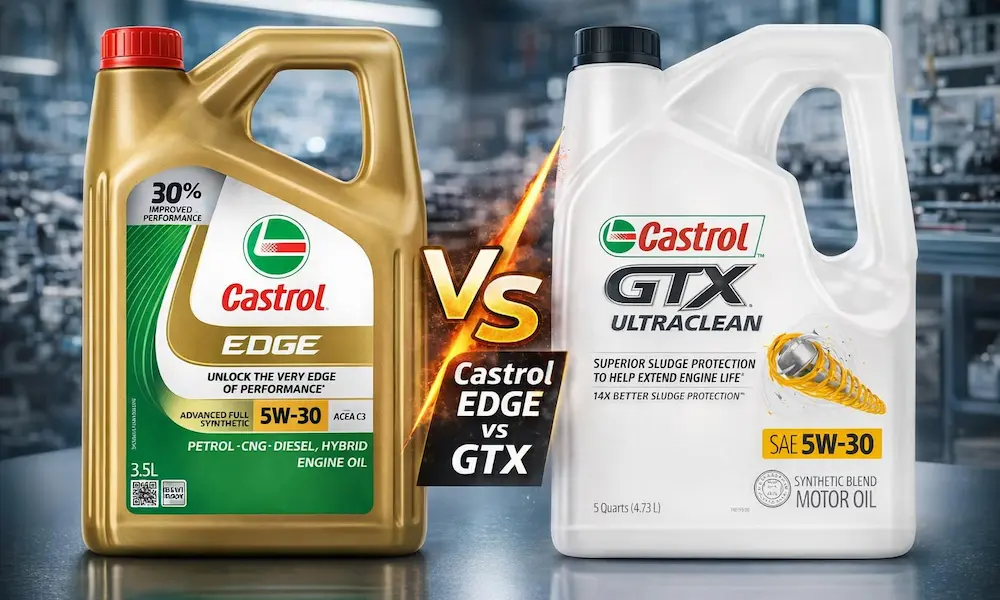
Here’s where things get interesting. O’Reilly’s premium SYNTEC line — the blue bottle — isn’t made by OSP or Amalie. It’s made by BP Lubricants USA Inc., the same company that makes Castrol.
That’s not a small detail. Castrol is one of the most recognized motor oil brands in the world. When O’Reilly says SYNTEC is “Powered by O’Reilly,” they’re essentially offering a Castrol-tier product under their own label at a more competitive price.
| Attribute | O’Reilly House Brand | SYNTEC |
|---|---|---|
| Manufacturer | OSP / Highline Warren | BP Lubricants USA (Castrol) |
| Positioning | Value-oriented, high-quality standard | Premium, advanced protection |
| Bottle Color | Silver | Blue |
| Key Strength | General protection for everyday driving | LSPI protection, Dexos-approved |
| Exclusivity | O’Reilly stores | Exclusive to O’Reilly |
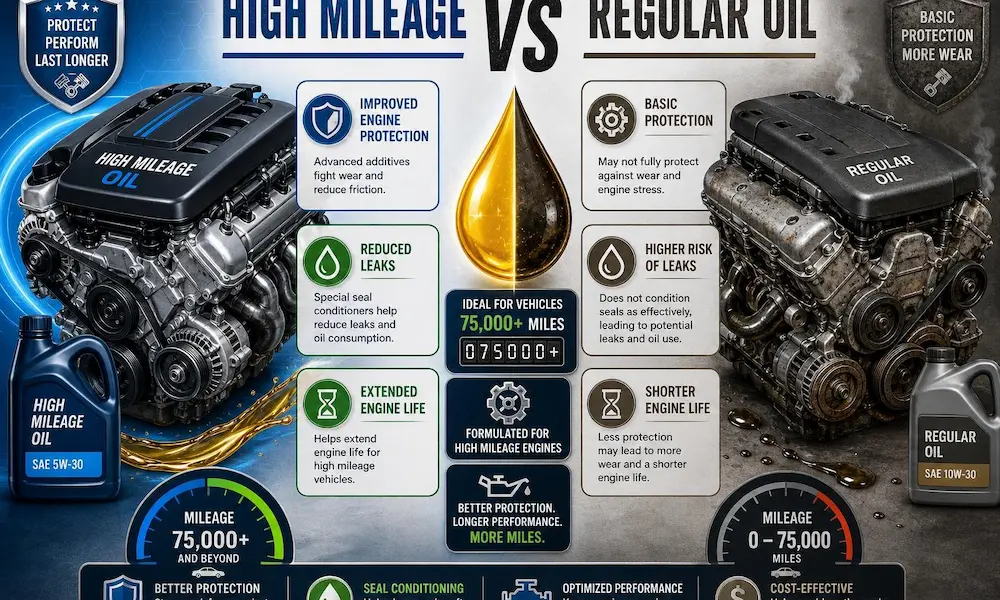
SYNTEC meets GF-6 and API SP requirements. It also protects against Low-Speed Pre-Ignition (LSPI), which is a known issue in turbocharged direct-injection engines found in a wide range of newer vehicles. The SYNTEC High Mileage formula adds seal conditioners for engines over 75,000 miles, helping reduce oil leaks that tend to develop in older engines.
One more thing worth knowing: SYNTEC carries official Dexos certification for GM vehicles. That matters for anyone driving a GM-built car who wants warranty peace of mind. Many store brands claim to “meet” Dexos specs — SYNTEC actually holds the license through BP.
How O’Reilly Verifies Oil Quality
All four manufacturers produce oils that carry the API Donut — the official certification mark from the American Petroleum Institute. O’Reilly licenses its products through Ozark Automotive Distributors, its corporate distribution arm, which subjects every product to the API’s Aftermarket Audit Program. That program randomly pulls bottles off retail shelves and tests them against the original registered formula.
Independent testing from the Petroleum Quality Institute of America (PQIA) confirmed that O’Reilly SAE 5W-30 meets all SAE J300 viscosity specs and lines up with its labeled API SP and ILSAC GF-6A categories. The PQIA analysis also confirmed the presence of key additives — calcium and magnesium detergents to neutralize acids and keep surfaces clean, plus zinc and phosphorus (ZDDP) anti-wear agents to protect metal-on-metal contact points.
In short, the chemistry checks out.
A Legal Note Worth Knowing About
It wouldn’t be a complete picture without mentioning the 303 Tractor Hydraulic Fluid (THF) lawsuit. Between 2019 and 2022, O’Reilly Auto Parts and Omni Specialty Packaging faced a class-action lawsuit over their 303 THF product. The “303” designation references a John Deere spec from the 1970s — one that originally relied on sperm whale oil as an ingredient and has been obsolete for decades.
The case settled for $8.5 million and covered over 285,000 farmers and equipment operators. The defendants denied wrongdoing, but the case pushed the entire industry to drop vague, outdated designations in favor of clearly defined modern specs.
The practical takeaway for you: always check that your oil bottle shows a current API service category (like SP or SN Plus), not just a vague “meets” claim from decades ago.
What This Means for Your Next Oil Change
So, who makes O’Reilly’s oil? Four well-established manufacturers — OSP, Highline Warren, Amalie, and BP Lubricants — each handling a specific tier of the product lineup.
Here’s a quick guide to picking the right one:
- Budget-friendly, everyday driving → O’Reilly House Brand (silver bottle) made by OSP or Highline Warren
- Older engine with over 75,000 miles → O’Reilly High Mileage, or SYNTEC High Mileage (BP-made)
- Newer turbocharged or GM vehicle → SYNTEC Full Synthetic (BP Lubricants, Dexos-certified)
- DIY bulk oil change → Amalie-backed house brand products available in larger containers
Independent testing backs the quality. The manufacturers are legitimate. The API certifications are real. Whether you’re a weekend DIYer or a shop tech doing 20 oil changes a day, O’Reilly’s private label oil isn’t a mystery anymore — it’s a well-sourced product at a price that actually makes sense.