Is your Chevy Malibu’s dashboard suddenly displaying “SVC Tire Monitor” and you’re not sure what to do next? This warning light isn’t just an annoyance – it’s your car’s way of telling you something’s wrong with your tire monitoring system. But don’t worry! You can often fix this issue yourself with the right know-how.
What Does “SVC Tire Monitor” Mean on a Chevy Malibu?
When your Malibu flashes the “Service Tire Monitor System” message, it’s telling you there’s a problem with your Tire Pressure Monitoring System (TPMS). This system uses sensors inside each tire to keep tabs on your tire pressure and alerts you when something’s off.
Your Malibu uses a direct TPMS design, meaning actual sensors inside each wheel transmit real-time pressure readings to your car’s computer. This advanced safety feature helps prevent accidents caused by underinflated tires.
Common Reasons Your Chevy Malibu Shows the Warning
1. Incorrect Tire Pressure
The simplest reason for this warning is that one or more tires aren’t properly inflated. Even tires that look fine visually might be significantly under or over the recommended pressure.
Many Malibu owners find that a quick pressure check and adjustment resolves the warning entirely. Remember, tire pressure naturally fluctuates with temperature changes – dropping about 1 PSI for every 10°F decrease in temperature.
2. Faulty TPMS Sensors
TPMS sensors don’t last forever. Each contains a small battery with a lifespan of roughly 5-10 years. Common sensor issues include:
- Dead or dying sensor batteries
- Physical damage from hitting potholes
- Corrosion on the sensor components
- Communication failures between sensor and computer
If your Malibu is over 7 years old and showing this warning, failing sensor batteries are a likely culprit.
3. Recent Tire Service
Had your tires rotated, replaced, or serviced recently? The TPMS system might need recalibration. Many Malibu owners report the SVC Tire Monitor warning appearing right after tire service when the sensors need to be reset.
4. Extreme Weather Changes
Sudden temperature drops can trigger the warning as tire pressure decreases in cold weather. Similarly, extremely hot weather can cause tire pressure to increase beyond normal limits.
DIY Diagnosis: Finding the Problem
Let’s tackle this systematically rather than rushing to a mechanic:
Step 1: Check All Tire Pressures
This should always be your first move. Here’s how:
- Wait until tires are “cold” (vehicle hasn’t been driven for at least 3 hours)
- Find the recommended pressure on the driver’s door jamb sticker
- Check each tire with a quality pressure gauge
- Add or release air as needed to match the specifications
The recommended pressure for most Malibus is typically between 30-35 PSI, but always check your specific model’s requirements.
| Tire Position | Common Symptoms | Typical Cause |
|---|---|---|
| All tires low | General warning; poor fuel economy | Temperature drop; slow leaks |
| Single tire low | Warning with specific tire indicated | Puncture; valve stem leak |
| All tires normal but warning persists | Intermittent warning | Sensor battery failure |
Step 2: Reset Your TPMS System
After adjusting your tire pressures, you’ll need to reset the system. The precise method varies by model year, but here’s the general procedure for most Chevy Malibus:
- Set the parking brake and turn ignition to ON position (don’t start engine)
- Press the LOCK and UNLOCK buttons on your key fob simultaneously for about 5 seconds
- The horn will chirp twice to indicate the system is in relearn mode
- Starting with the driver’s side front tire, use a deflation tool to reduce pressure until the horn chirps
- Move clockwise to the passenger front tire and repeat
- Continue to passenger rear, then driver’s rear
- The horn will chirp twice when complete
For some newer Malibus, you might need to use the infotainment system: Settings → Vehicle → Tire Pressure → Reset.
Many owners have successfully cleared the warning by following these reset procedures.
Step 3: Test Drive
After resetting, take your Malibu for a short drive. The system needs time to gather new readings. Often, the warning will disappear after 5-10 minutes of driving above 20 mph.
When DIY Won’t Cut It: Deeper TPMS Problems
If checking pressures and resetting doesn’t fix the issue, you’re likely facing a hardware problem:
Failed Sensors
TPMS sensors eventually fail, especially in older Malibus. Signs of sensor failure include:
- Warning appears immediately after starting the car
- System shows dramatically incorrect pressure readings
- Warning reappears shortly after reset
Using a TPMS Tool
For the technically inclined, affordable TPMS diagnostic tools can verify sensor function:
- Purchase a TPMS tool (around $50-$100)
- Follow the tool’s instructions to activate and read each sensor
- Look for sensors that don’t respond or show weak batteries
Damaged Receiver
In rare cases, the problem might be with your Malibu’s TPMS receiver module, not the sensors. If multiple sensor replacements haven’t helped, this might be the culprit.
Replacement Options and Costs
When sensors need replacing, you have several options:
OEM vs. Aftermarket Sensors
- OEM Sensors: Perfect match for your vehicle but more expensive ($50-75 each)
- Aftermarket Sensors: Often less expensive ($30-50 each) but may require special programming
Where to Get Sensors Replaced
| Service Location | Typical Cost Per Sensor | Pros | Cons |
|---|---|---|---|
| Dealership | $125-200 | Factory programming; warranty | Most expensive option |
| Tire Chain | $80-120 | Convenient; often warranty | Varies by location |
| Independent Shop | $70-100 | Usually best value | Quality varies |
| DIY | $30-50 + tools | Cheapest | Requires programming tool |
Many Malibu owners report significant savings by choosing independent tire shops over dealerships. One owner paid over $200 at a dealership versus $80 at an independent shop for the same service.
Programming Requirements
New sensors require programming to your specific vehicle. While dealerships handle this automatically, many tire shops offer programming services for $20-40. Some auto parts stores will even program sensors for free if purchased from them.
Preventative Maintenance Tips
Keep your TPMS system working properly with these preventative measures:
Regular Tire Pressure Checks
Even with functioning TPMS, manually check your tire pressures monthly. This simple habit can catch problems before they trigger warnings.
Be Careful During Tire Service
When having tires serviced, always:
- Inform the technician your vehicle has TPMS
- Request careful handling around sensors
- Verify proper reset after service
Know When to Preemptively Replace
TPMS sensors typically last 5-10 years. If your Malibu is approaching this age, consider proactive replacement of all sensors during your next tire change. This often saves money compared to replacing them individually as they fail.
Winter Tire Considerations
If you swap to winter tires, you have two options:
- Transfer your existing sensors to winter wheels (additional mounting costs)
- Install a second set of sensors in your winter wheels (higher upfront cost, easier seasonal changes)
Long-Term Solutions
For persistent TPMS problems in older Malibus, consider these approaches:
Complete System Replacement
For vehicles over 10 years old, replacing all four sensors at once often makes the most sense financially. This comprehensive approach typically costs $300-600 but provides years of trouble-free operation.
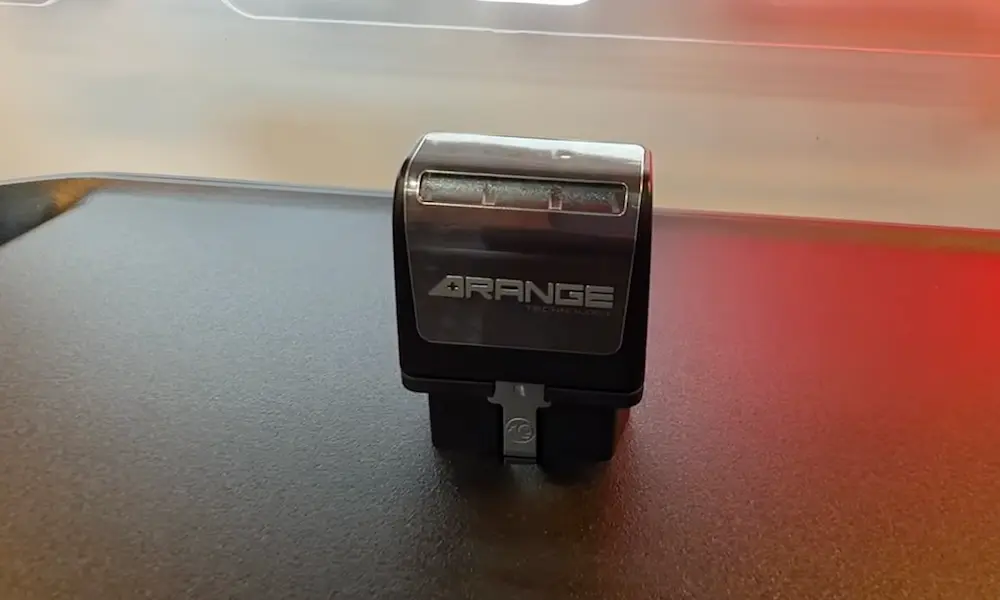
Using Bypass Devices
Some aftermarket devices can simulate TPMS signals to eliminate warnings. While legal in some areas, these may affect vehicle safety and resale value. Always check local regulations before considering this option.
The Safety Importance of Proper Tire Pressure
While a faulty TPMS sensor might seem like just an annoying dashboard light, proper tire pressure is crucial for:
- Safety: Underinflated tires are more prone to blowouts and handling issues
- Fuel Economy: Properly inflated tires can improve MPG by 3-4%
- Tire Longevity: Correct pressure can extend tire life by thousands of miles
The National Highway Traffic Safety Administration estimates that properly inflated tires could prevent hundreds of fatalities annually.
Real Malibu Owner Experiences
Many Malibu owners share similar experiences with TPMS issues. One owner of a 2010 Malibu described fighting the warning for months before discovering a single failing sensor was the culprit. After replacement, the problem never returned.
Another owner with a 2014 Malibu found that extreme temperature shifts in winter consistently triggered warnings. Their solution was checking pressures weekly during winter months.
Understanding Why This Happens to Malibus
Chevrolet Malibus from certain model years (especially 2008-2010) seem particularly prone to TPMS issues. This isn’t necessarily a design flaw – these were some of the first vehicles equipped with TPMS systems after they became mandatory, and early sensor technology had shorter lifespans than modern versions.
Newer Malibus (2016+) typically have more reliable systems with longer-lasting sensors and better calibration procedures.
The SVC Tire Monitor warning in your Chevy Malibu doesn’t have to mean an expensive repair bill. By methodically checking pressures, performing a system reset, and understanding when professional help is needed, you can address this issue effectively and keep your Malibu running safely.
Remember that proper tire pressure isn’t just about silencing a dashboard warning – it’s essential for safety, efficiency, and maximizing the life of your tires. With the knowledge from this guide, you’re well-equipped to handle your Malibu’s TPMS issues like a pro.