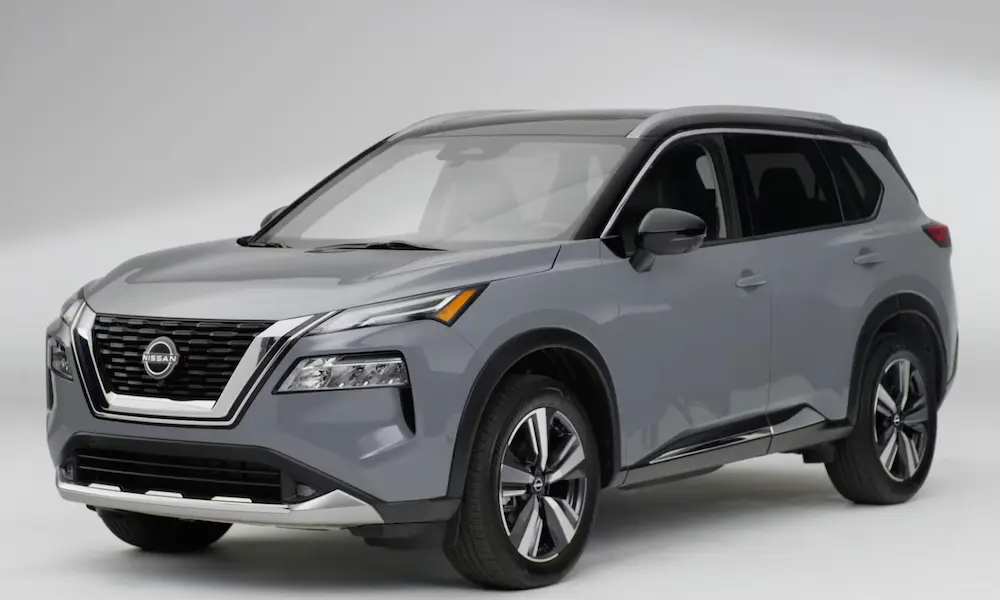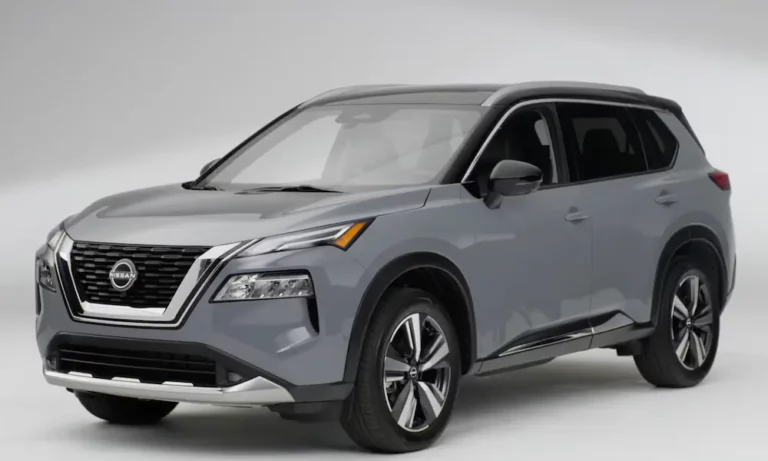
Thinking about a Nissan Rogue for your next family vehicle? You’re probably wondering if these popular compact SUVs will serve you well or leave you stranded. I’ve done the research on Rogue reliability across all generations to help you make an informed decision based on real data and owner experiences.
Nissan Rogue Reliability Scores: How They Stack Up
The Nissan Rogue earns respectable reliability ratings from trusted automotive sources. RepairPal gives the Rogue a 4.0 out of 5.0, ranking it 13th out of 26 compact SUVs. That’s definitely above average.
Recent models show even stronger performance. The 2023 Rogue scored an impressive 83/100 from J.D. Power for reliability, while most current models maintain a “Great” rating with 82/100 scores. Consumer Reports has even named the Rogue as Nissan’s most reliable vehicle in their latest annual survey results.
What does this mean for your wallet? The average Rogue owner spends about $467 annually on repairs and maintenance—notably less than the $521 compact SUV average and significantly below the $652 all-vehicle average.
The Evolution of Rogue Reliability: Generation by Generation
Not all Rogues are created equal. Let’s break down reliability by generation to identify which model years shine and which ones you should avoid.
First Generation (2008-2013): The Problem Years
The inaugural Rogue generation had serious growing pains. Here’s what you need to know:
Worst Years: 2008, 2009, 2010, and 2013
- Major CVT transmission failures
- Excessive jerking and slipping
- Sudden acceleration loss
- High repair costs outside warranty
Less Problematic Years: 2011 and 2012
- Fewer reported issues
- Better reliability scores overall
If you’re shopping for an older used Rogue, the 2011-2012 models are your best bet from this era, but even these come with significant risks compared to newer models.
Second Generation (2014-2020): Mixed Results
The second-generation Rogue showed improvements, but early years still struggled:
Problematic Years: 2014, 2015, and 2016
- Continued CVT transmission issues
- New electrical problems emerged
- Reports of burning smells
- Engines stalling unexpectedly
Solid Performers: 2019 and 2020
- Significantly improved reliability
- Better build quality
- Fewer transmission complaints
Middle-Ground Years: 2017 and 2018
- Better than early models
- Some forward collision system problems (2018)
- Still not as reliable as later years
Third Generation (2021-Present): The Golden Era
The current Rogue generation represents the model’s reliability peak:
Top Performers: 2022, 2023, and 2025
- Excellent quality and reliability scores
- Improved CVT design with steel chain
- Fewer overall complaints
Watch Out For: 2021
- Some first-year quality control issues
- Most problems addressed under warranty
The Biggest Rogue Reliability Concerns
CVT Transmission Problems
The Continuously Variable Transmission (CVT) has been the Rogue’s Achilles’ heel, especially in earlier models. Common issues include:
- Hesitation during acceleration
- Jerking and shuddering
- Complete transmission failure
- Overheating
Nissan acknowledged these problems by extending the CVT warranty from 60,000 to 120,000 miles for 2014-2018 models. If you’re buying a used Rogue with a CVT, check if it’s been replaced or repaired under this extended coverage.
Recent models (2019+) feature an improved CVT design with a steel chain instead of a belt, which has proven more durable and reliable.
Electrical System Glitches
Electrical issues have plagued many Rogues, particularly 2014-2016 models:
- Power window failures
- Door lock malfunctions
- Persistent dashboard warning lights
- Infotainment system freezing
Even newer models (2021-2025) have reported some infotainment screen problems, with displays occasionally going blank and temporarily disabling features like the backup camera.
Engine Concerns
The current generation’s 1.5-liter VC-Turbo three-cylinder engine has experienced some hiccups:
- Engine malfunction errors causing power loss
- NHTSA investigation into engine failures in 2022 models
These issues appear less widespread in newer model years as Nissan has addressed many early problems.
How Long Will a Nissan Rogue Last?
With proper maintenance, you can expect your Nissan Rogue to last between 200,000-250,000 kilometers (124,000-155,000 miles). Some owners report exceeding 300,000 kilometers with diligent care.
Looking at long-term costs, CarEdge estimates $8,039 for maintenance and repairs during the first 10 years—beating the industry average by $169. That’s good news for your budget.
Maintenance Tips to Maximize Rogue Reliability
Follow these guidelines to keep your Rogue running smoothly:
CVT Care Is Critical
- Change transmission fluid every 60,000 miles (Nissan originally claimed the fluid was “lifetime,” but now recommends regular changes)
- Drive gently during warm-up
- Avoid aggressive acceleration
- Listen for unusual noises or vibrations
Regular Maintenance Schedule
| Service | Interval |
|---|---|
| Oil change | Every 5,000-7,500 miles |
| Tire rotation | Every 5,000-7,500 miles |
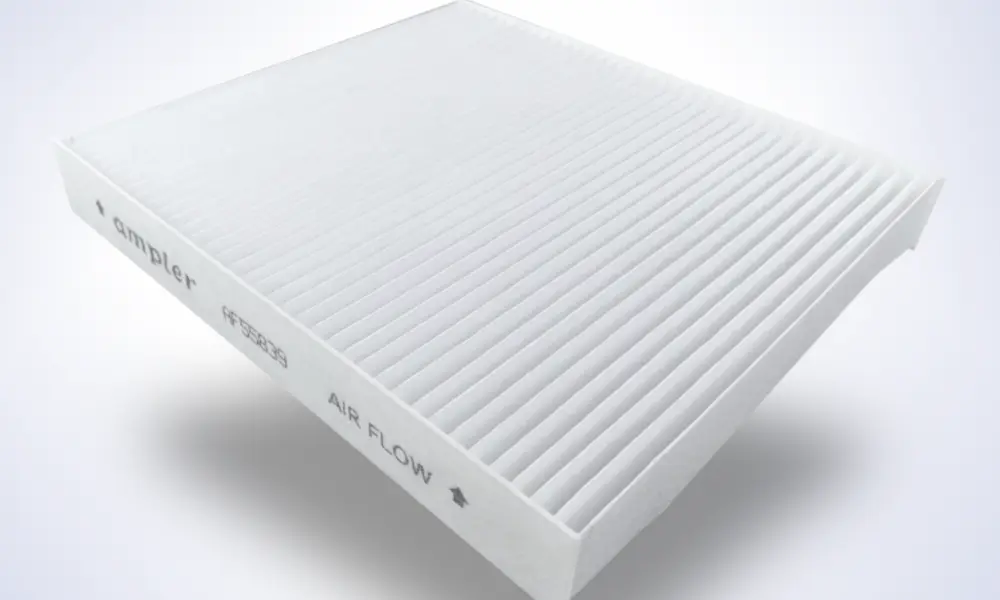
| Air filter | Every 15,000-30,000 miles |
| Brake fluid | Every 30,000 miles |
| CVT fluid | Every 60,000 miles |
| Spark plugs | Every 105,000 miles |
Watch for Warning Signs
| Warning Sign | Potential Problem |
|---|---|
| Shuddering or jerking | Early CVT issues |
| Delayed acceleration | Transmission problems |
| Check engine light | Various issues requiring immediate attention |
| Burning smell | Overheating transmission or electrical problems |
| Unusual noises | Developing mechanical issues |
Best and Worst Nissan Rogue Years: A Quick Reference Guide
Best Years for Reliability
- 2019
- 2020
- 2022
- 2023
- 2025
These model years offer the best combination of reliability and features, with significantly fewer reported problems.
Years to Avoid
- 2008-2010
- 2013-2016
- 2018
These model years have consistently high complaint rates and serious reliability issues, particularly with transmissions and electrical systems.
Middle-Ground Years
- 2011-2012
- 2017
- 2021
These years aren’t as problematic as the worst offenders but don’t match the reliability of the recommended models.
How the Rogue Compares to Competitors
While the Rogue has improved tremendously, it still doesn’t quite match the legendary reliability of the Toyota RAV4 or Honda CR-V. However, current Rogue models are competitive with other popular compact SUVs like the Mazda CX-5 and Subaru Forester.
The Rogue offers advantages in:
- Lower average repair costs
- Excellent comfort features
- Strong value for money
- Improved reliability in recent years
Should You Buy a Nissan Rogue?
The Nissan Rogue can be a reliable vehicle if you choose the right model year. Here’s my recommendation:
- Best bet: Go for a 2022 or newer model for maximum reliability and the latest features
- Good alternative: 2019-2020 models offer solid reliability at a lower price point
- Budget option: A well-maintained 2017 can be reliable if you verify its service history
- Avoid at all costs: Stay away from 2008-2016 models unless the price is extremely low and the CVT has been replaced
Current generation Rogues (2021-present) offer the best reliability in the model’s history. If your budget allows, these newer models will likely deliver a much better ownership experience with fewer headaches than earlier generations.
Remember that regular maintenance is the key to maximizing any vehicle’s reliability, especially Nissan’s CVT-equipped models. Follow the manufacturer’s maintenance schedule diligently, and your Rogue should serve you well for many years.