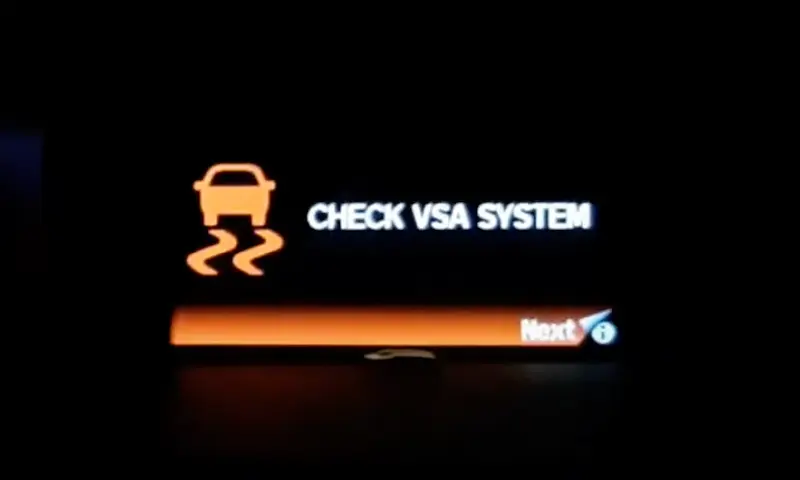
Driving your Honda Odyssey when suddenly an “FCW System Failed” warning pops up on your dashboard can be alarming. This safety feature is designed to warn you about potential collisions, so when it stops working, it’s natural to want it fixed quickly. If you’re dealing with this issue, you’ll find practical solutions here to get your system back online and your peace of mind restored.
What is the Honda Odyssey FCW System?
The Forward Collision Warning (FCW) system in your Honda Odyssey is a key safety component that uses cameras and sensors to detect vehicles ahead and warn you of potential collisions. It’s part of the Honda Sensing suite, working alongside other safety features to protect you and your family.
This system relies on:
- A windshield-mounted camera near your rearview mirror
- A radar sensor located in the front grille
- Software that processes data and triggers warnings when needed
When working properly, the FCW system provides visual and audible alerts if you’re approaching another vehicle too quickly, giving you time to brake or swerve to avoid an accident.
Common Causes of FCW System Failures
Electrical Issues
Your FCW system needs steady power to function correctly. Many system failures stem from electrical problems:
Battery and Alternator Problems
A weak battery or failing alternator can disrupt power to FCW components. This happens more often in high-mileage Odysseys, where electrical components face greater strain. Signs include:
- FCW failures that come and go
- Multiple warning lights appearing simultaneously
- Dimming headlights when idling
In some cases, alternator failures in the Odyssey are linked to oil leakage from the Variable Cylinder Management system, creating a domino effect of electrical problems.
Blown Fuses
A simple blown fuse can disable your FCW system entirely. Key fuses to check include:
| Fuse Location | Fuse Number | Circuit Protected |
|---|---|---|
| Passenger-side fuse box | #27 | Front Accessory Power Socket |
| Driver-side fuse box | #21 | Fuel Pump (related to system power) |
Sensor Obstructions or Damage
Dirt and Debris
The most common cause of FCW failures is simply dirt or debris blocking the sensors. Your system relies on clear “vision” to function properly:
- The camera near your rearview mirror can be blocked by windshield haze, dirt, or even stickers
- The radar sensor behind your front grille can be covered by mud, snow or damaged by road debris
A simple cleaning often resolves these issues immediately.
Physical Damage
Fender benders, windshield replacements, or front-end repairs can misalign or damage your sensors. Even minor impacts that don’t seem problematic can affect calibration, causing your FCW system to fail.
Software Glitches
Just like your smartphone sometimes needs a restart, your FCW system can experience software hiccups:
- Temporary errors might appear after a battery disconnect
- Software bugs can cause false alerts or system shutdowns
- System conflicts with other electronic components
Many drivers report that intermittent failures can be resolved by simply restarting the system.
Environmental Factors
Your FCW system may struggle in challenging conditions:
- Heavy rain, fog, or snow can reduce sensor reliability
- Extreme temperatures (especially cold) can affect sensor performance
- Driving into direct sunlight can temporarily blind the camera
- Roads with faded lane markings might confuse the system
How to Diagnose FCW System Failures
Basic Checks You Can Do Yourself
1. Visual Inspection
Start with the simplest solution: check if your sensors are clean and unobstructed.
- Inspect the windshield around your rearview mirror for dirt or cracks
- Check the front grille for debris covering the radar sensor
- Look for obvious damage to the front of your vehicle
2. Check Warning Messages
Your dashboard will often display specific error messages that can help diagnose the problem:
- “FCW System Failed” – General system failure
- “FCW System Failed: Camera Unable to See” – Camera blockage issue
- “Check Sensing System” – Multiple Honda Sensing features affected
3. Battery Check
Since many FCW failures relate to electrical issues, check your battery:
- Look for corrosion on battery terminals
- Test battery voltage (should be 12.6V when off, 13.5-14.5V when running)
- Check for loose connections
Using Diagnostic Tools
For more thorough diagnosis, you’ll need an OBD-II scanner that can read Honda-specific codes:
- Connect the scanner to your vehicle’s OBD port (usually under the dashboard)
- Look for trouble codes starting with “U” (communication issues) or “B” (body system issues)
- Common codes include U0140 (Lost Communication with FCW Control Module)
How to Fix Honda Odyssey FCW System Failures
DIY Solutions
System Reset
Many FCW failures can be resolved with a simple reset:
- Turn off your vehicle completely
- Disconnect the negative battery terminal
- Wait 15-20 minutes (this allows the system to fully reset)
- Reconnect the battery
- Start the vehicle and check if the warning is gone
This battery disconnect method works surprisingly often and costs nothing to try.
Clean the Sensors
For blockage issues:
- Clean your windshield thoroughly, especially around the camera near the rearview mirror
- Use a microfiber cloth and Honda-approved glass cleaner (avoid ammonia-based cleaners)
- Clear any debris from the front grille using compressed air or gentle washing
Manually Toggle FCW Settings
Sometimes resetting the system through your vehicle settings can resolve minor glitches:
- Navigate to the Driver Assist System Setup menu using your steering wheel controls
- Select FCW settings
- Turn the system off, then back on again
- Some owners suggest setting FCW distance to “Far” for fewer false alarms
Replacing Parts
If basic solutions don’t work, you may need to replace components:
Battery Replacement
If your battery is more than 3-4 years old, replacing it might solve persistent FCW issues. For Honda Odyssey, you’ll need:
- A Group 35 battery (or as specified in your owner’s manual)
- Basic hand tools to remove battery cables and hold-downs
- Battery terminal protection spray
Alternator Replacement
If your voltage is unstable or your battery constantly drains, your alternator may be failing:
- Have a mechanic confirm alternator output is below specs (should be 13.5-14.5V when running)
- Consider addressing any oil leaks from the VCM system that might have damaged the alternator
- Replace with Honda OEM or quality aftermarket alternator
Fuse Replacement
For blown fuses:
- Locate the appropriate fuse box using your owner’s manual
- Identify and replace the blown fuse with one of identical amperage
- Never substitute a higher-rated fuse as this could cause electrical damage
When Professional Help is Needed
Sensor Calibration Requirements
After certain repairs, professional calibration is essential:
- Windshield replacement
- Front-end collision repairs
- Bumper or grille replacement
- Camera or radar sensor replacement
Proper calibration requires specialized equipment and can’t be done at home. The process involves precise alignment of sensors using target boards at specific distances.
Software Updates
Honda occasionally releases software updates to fix known issues with the FCW system:
- Only Honda dealerships can perform these updates
- Updates may resolve false alerts or improve system reliability
- Ask specifically if any service bulletins apply to your vehicle’s FCW system
Complex Electrical Diagnostics
Some electrical problems require professional diagnosis:
- Intermittent electrical issues
- Multiple systems failing simultaneously
- Problems that return after basic fixes
Dealership technicians have access to Honda-specific diagnostic tools that can pinpoint communication issues between modules.
Preventing Future FCW System Failures
Regular Maintenance
Keep your FCW system running smoothly with these habits:
- Clean your windshield regularly, especially around the camera area
- Remove snow, ice, or mud from the front grille after driving in bad weather
- Test your battery every 6 months, especially before winter
- Address any check engine or system warnings promptly
Dealing with False Alerts
If your FCW system works but triggers false warnings:
- Try adjusting the FCW distance setting to “Far” in your settings menu
- Be aware that bright sunlight, shadows, or metal objects can sometimes trigger alerts
- Consider having the system calibrated if false alerts persist
- Check if a software update is available at your dealer
Long-Term Protection
Protect your system from future failures:
- Address any VCM system oil leaks that might damage electrical components
- Consider a battery maintainer during long periods of non-use
- Keep your vehicle’s software updated through regular dealer visits
- Park in covered areas when possible to protect sensors from extreme weather
The Cost of FCW System Repairs
Repair costs vary widely based on the underlying issue:
- DIY cleaning and reset: $0
- Battery replacement: $150-$250
- Fuse replacement: $5-$20
- Professional calibration: $250-$400
- Camera or radar sensor replacement: $500-$1,200
- Computer module replacement: $700-$1,500
Insurance may cover some repairs, particularly if they resulted from a collision. Always check your coverage before paying out-of-pocket for expensive repairs.
Understanding Your Honda Odyssey FCW System’s Limitations
Even when working perfectly, be aware that your FCW system has limitations:
- It may not detect all vehicles, especially motorcycles
- It works best at speeds above 10 mph
- It might not warn you if speed differences are too small
- Severe weather can reduce effectiveness
- The system is designed to assist, not replace, attentive driving
Is It Safe to Drive With FCW System Failed?
When your FCW system fails, your vehicle remains drivable, but you lose an important safety feature. Consider:
- You can continue driving, but with increased caution
- The FCW system doesn’t control your brakes (that’s the CMBS system)
- Fix the issue promptly, especially if you rely on this safety feature
- Be extra vigilant about following distance until repairs are made
If multiple Honda Sensing features are disabled simultaneously, it’s best to have your vehicle checked promptly by a professional.
The Bottom Line on Honda Odyssey FCW System Failures
Most FCW failures stem from simple issues like dirty sensors, electrical problems, or minor glitches that you can often fix yourself. Start with basic checks and cleaning before assuming you need expensive repairs.
Remember that this system is designed to enhance safety, not replace your attention as a driver. While you work to resolve any FCW failures, maintain safe driving practices like adequate following distances and attentive road awareness.
With proper maintenance and timely repairs, your Honda Odyssey’s FCW system should provide reliable collision warnings for many miles to come.