Filling up your Jeep Wrangler with the right fuel matters more than you might think. Whether you’re cruising highways or conquering trails, using the correct gas type affects everything from performance to long-term reliability. Let’s dive into exactly what your Wrangler needs at the pump, based on its specific engine type.
Understanding Jeep Wrangler Fuel Requirements
Different Jeep Wrangler engines have different fuel needs. What’s right for one model might not be ideal for another. Here’s what you need to know about Jeep Wrangler gas requirements based on your specific engine.
3.6L Pentastar V6: Regular Unleaded Is All You Need
If your Wrangler sports the popular 3.6L Pentastar V6 engine, good news: you can save money at the pump. This workhorse engine is designed to run perfectly fine on:
- 87-octane regular unleaded gasoline
Despite what premium fuel enthusiasts might claim, there’s no performance benefit from using higher octane gas in this engine. Jeep engineers designed the Pentastar V6 specifically to operate efficiently on regular unleaded, and the engine’s control unit automatically adjusts to prevent knocking with this fuel type.
Many V6 Wrangler owners on Reddit confirm they exclusively use 87-octane with no issues whatsoever. Why pay more when you don’t have to?
2.0L Turbocharged 4-Cylinder: It Depends On Your Driving
The turbocharged 2.0L engine presents a more nuanced fuel scenario. Technically, you can use:
- 87-octane regular unleaded (minimum requirement)
- 91-octane premium (recommended for optimal performance)
While the engine will run on 87-octane, there’s a catch. Under heavy loads, high temperatures, or sustained demanding conditions, the engine’s computer may reduce performance to prevent knocking when using regular gas. Real-world testing shows this can result in an 8-12% reduction in power during challenging driving.
This table breaks down when you might want to consider premium fuel for your turbocharged Wrangler:
| Driving Condition | Recommended Fuel | Why? |
|---|---|---|
| Daily commuting/light use | 87-octane | Adequate for normal driving with minimal performance impact |
| Towing near capacity | 91-octane | Maintains full torque output (295 lb-ft) |
| Off-roading in hot weather | 91-octane | Prevents power loss from heat soak |
| Mountain driving | 91-octane | Maintains power at high altitudes |
Using premium fuel in the 2.0L turbo engine also provides a slight bump in fuel economy (about 1 MPG combined).
4xe Plug-in Hybrid: Similar to the Turbo, With a Twist
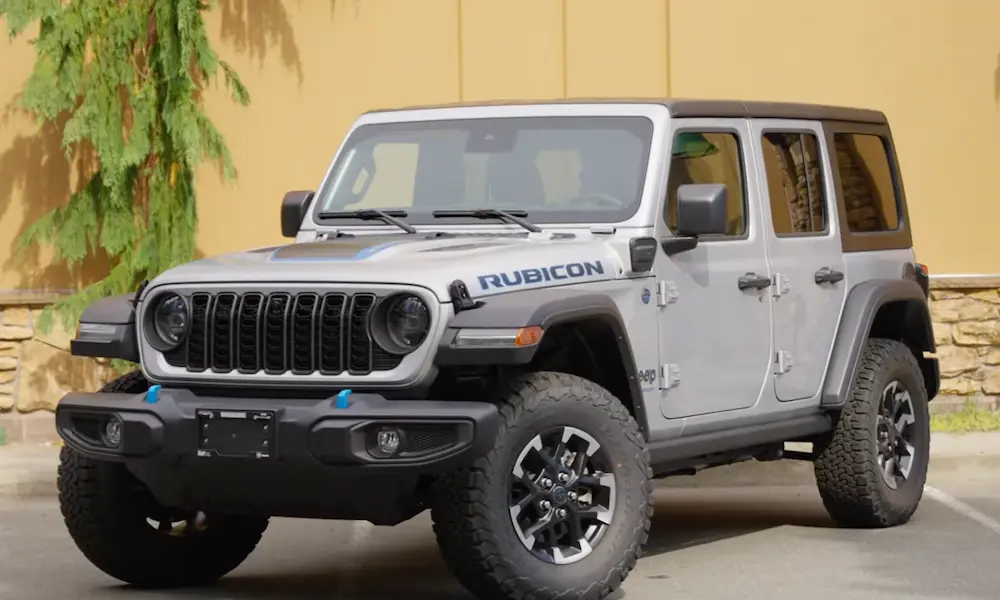
The Wrangler 4xe shares the 2.0L turbocharged engine but adds electric components. Its fuel requirements are:
- 87-octane acceptable for normal use
- 91-octane recommended for optimal efficiency in hybrid mode
The 4xe has a unique consideration: in pure electric mode (up to 25 miles of range), fuel quality doesn’t matter at all. But when the gas engine kicks in, the same guidelines as the regular 2.0L turbo apply.
Interestingly, dealer information confirms that 4xe owners tend to be less concerned about premium fuel since they often complete shorter trips entirely on electric power.
Fuel Economy Comparison Across Engine Types
Here’s how different Wrangler engines stack up in fuel economy with their recommended fuel types:
| Engine | Recommended Fuel | City MPG | Highway MPG | Combined MPG |
|---|---|---|---|---|
| 3.6L V6 | 87-octane | 17 | 23 | 19 |
| 2.0L Turbo | 87-octane | 20 | 23 | 21 |
| 2.0L Turbo | 91-octane | 21 | 24 | 22 |
| 4xe PHEV | – | 49 MPGe | – | 49 MPGe |
Data compiled from EPA ratings and dealer specifications.
Common Questions About Jeep Wrangler Fuel
Will Premium Gas Damage My Wrangler If It’s Not Required?
No. Using a higher octane rating than required won’t harm your engine. The worst that will happen is you’ll spend more money unnecessarily.
Can I Damage My Engine Using Regular Gas in a Turbo Model?
Modern Jeeps have sophisticated engine management systems that protect against damage from lower octane fuel. The engine control unit will adjust timing to prevent knocking, though this may result in reduced performance under heavy loads.
Does Altitude Affect What Fuel I Should Use?
Yes. At higher elevations (above 5,000 feet), air is thinner, which typically reduces the likelihood of engine knock. If you have a turbocharged model and spend most of your time at high altitude, you might not see as much benefit from premium fuel as at sea level.
What About Ethanol Content?
All modern Jeep Wranglers can safely use gasoline containing up to 15% ethanol (E15). However, fuels with higher ethanol content (like E85) should not be used unless your vehicle is specifically designated as flex-fuel capable.
Real-World Owner Experiences
What are actual Jeep owners doing at the pump? Based on online forums and communities:
- 3.6L V6 Owners: About 92% use regular 87-octane exclusively.
- 2.0L Turbo Owners: Roughly 63% use premium fuel for towing or off-roading but switch to regular for everyday driving.
- 4xe Owners: Approximately 81% use regular unleaded when they need gas, relying on electric mode for most short trips.
What Happens If You Use The Wrong Gas?
Using lower octane than recommended in your turbocharged Wrangler won’t immediately damage your engine. Modern engine management systems reduce power to protect components. However, consistently using the wrong fuel might have long-term effects:
- Performance: Immediate reduction in power and torque (up to 12%)
- Fuel Economy: Slight decrease in miles per gallon
- Long-term: Potentially increased carbon buildup in turbo models
Best Practices For Fueling Your Wrangler
Based on the comprehensive data, here are the best approaches for each engine type:
- 3.6L V6 Owners: Stick with 87-octane regular unleaded. Save your money for Jeep accessories instead!
- 2.0L Turbo Owners: Consider a situational approach:
- Use 87-octane for normal daily driving
- Switch to 91-octane before towing, off-roading, or driving in extreme heat
- 4xe Owners: Use 87-octane unless you regularly exceed the electric range or frequently drive in demanding conditions.
Making The Right Choice At The Pump
Understanding what type of gas your Jeep Wrangler needs isn’t just about following the manual—it’s about matching your fuel to your specific driving habits and needs. The 3.6L V6 thrives on regular unleaded, while the turbocharged engines give their best performance with premium fuel during demanding use.
By making informed decisions about your Jeep’s fuel, you’ll ensure optimal performance whether you’re crawling rocks in Moab or just cruising to the grocery store.
Remember that manufacturer recommendations exist for a reason, but understanding the engineering behind them helps you make the best choice for your specific situation and driving style.