Shopping for budget tires can feel like navigating a minefield. You want safety and reliability, but you don’t want to blow your entire paycheck on four pieces of rubber. If you’re asking “are suredrive tires good,” you’re probably standing in a Firestone shop right now, getting quoted a price that sounds too good to be true. Let’s cut through the marketing fluff and figure out if these tires are right for you.
What Are SureDrive Tires, Anyway?
SureDrive is Bridgestone’s house brand—think of it as the store-brand cereal of the tire world. Bridgestone Americas owns and warrants the brand, positioning it as their entry-level option for “practically minded and budget-conscious drivers.”
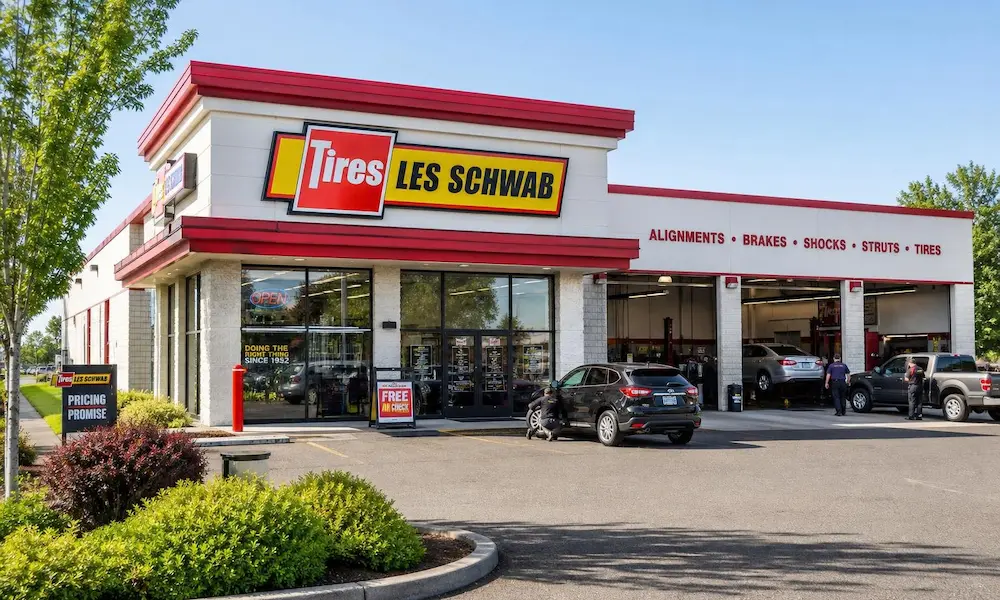
Here’s the catch: you can’t buy them anywhere else. SureDrive tires are sold exclusively through Bridgestone’s retail network—Firestone Complete Auto Care, Tires Plus, Hibdon Tires Plus, and Wheel Works.
This exclusive setup isn’t accidental. It’s designed to capture customers who walk in with a blown tire and limited options. You’re looking for something trustworthy without the premium price tag, and boom—the service advisor slides you a “Bridgestone-backed” option that won’t require a payment plan.
Who Actually Makes SureDrive Tires?
While Bridgestone owns the brand, they’re not manufacturing these in their premium facilities. Dig into the DOT codes on the sidewalls, and you’ll find something interesting.
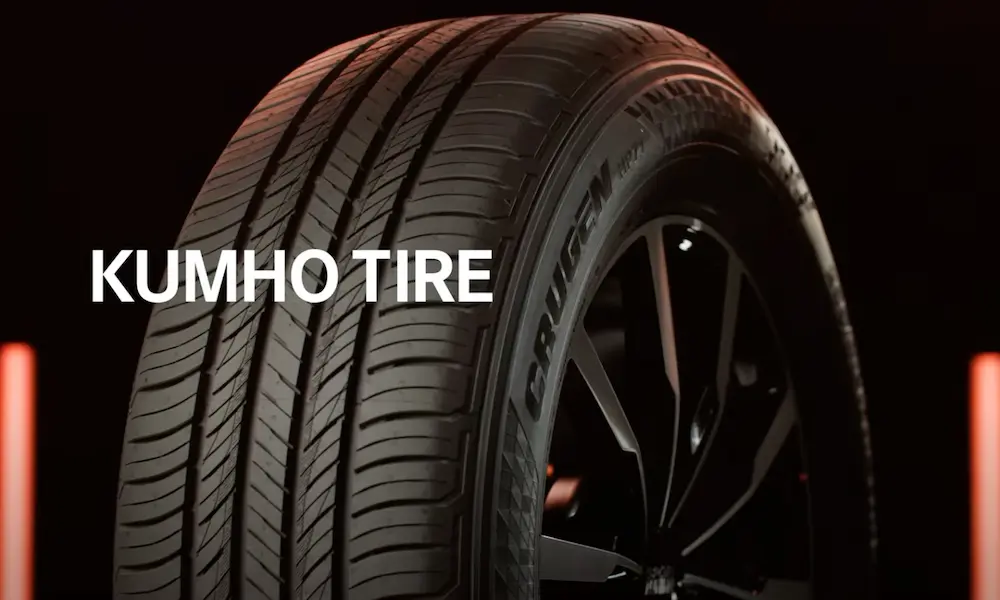
Multiple sources identify the SureDrive Touring A/S as a rebranded Kumho Solus KR21. One Reddit user researching their tire’s DOT code noted, “These tires according to dot code are made in Vietnam via khumo factory.”
The Kumho Solus KR21 wasn’t a cheap throwaway tire when it launched over a decade ago. It was actually a high-mileage premium passenger tire with good all-season traction and an 85,000-mile warranty.
So you’re not getting sketchy no-name rubber. You’re getting proven—but dated—technology. The downside? That 85,000-mile warranty has shrunk to 55,000 miles on the SureDrive version, suggesting either a different compound or just Bridgestone setting more conservative (and profitable) warranty terms.
The SureDrive Lineup: What’s Actually Available
SureDrive isn’t just one tire. It’s a full product line covering most common vehicle needs.
SureDrive All-Season
This is the basic, bare-bones option. It features a symmetric tread design, wide grooves for water evacuation, and a reinforced center rib for stability. You get a 40,000-mile warranty and a 600 Treadwear rating.
But here’s the red flag: it has a Temperature Rating of “B.” Most modern passenger tires score an “A.” A “B” rating isn’t dangerous, but it tells you this tire was built to a price point, not a performance standard.
SureDrive Touring A/S
This is the sweet spot of the lineup—the model designed for commuters who want reliability and basic comfort. It features a mild asymmetric design and “Wave Sipe Technology” that allegedly improves wet and snow braking.
You get a 55,000-mile warranty and a full “A” temperature rating. This is the version most commonly identified as the Kumho rebrand.
SureDrive Sport
If you drive something with a bit more pep, there’s the Sport model. It claims sporty handling and improved performance in light snow, backed by a 50,000-mile warranty.
It even boasts an “AA” Traction Rating—the highest possible UTQG grade. Don’t get too excited, though. That rating only measures straight-line braking on wet pavement, not the cornering grip or hydroplaning resistance where budget tires typically fail.
SureDrive Highway and All-Terrain
For trucks and SUVs, there’s the Highway model with a solid center rib and four radial grooves, plus an All-Terrain option for light off-roading. Both carry 50,000-mile warranties.
Breaking Down the Specs: What the Numbers Really Mean
Let’s talk about those UTQG ratings—the numbers manufacturers slap on tires to help you compare them.
SureDrive tires typically feature high Treadwear Ratings—600 for touring models, 500 for the sport version. Sounds great, right? More miles for your money?
Here’s what they don’t advertise: those high numbers often come from using a harder rubber compound. Harder rubber lasts longer and runs quieter because it deforms less as it rolls. That’s the good news.
The bad news? Harder rubber doesn’t grip as well, especially when temperatures drop or roads get wet. It can’t conform to pavement imperfections or maintain flexibility in cold weather.
This single design choice explains why SureDrive reviews are wildly polarized. Some people love them. Others consider them downright dangerous. They’re experiencing opposite sides of the same engineering trade-off.
What Real Owners Are Saying
With no independent testing from sources like Tire Rack (they don’t even list SureDrive), we’re stuck relying on owner feedback. And boy, is it all over the map.
The Love
A significant chunk of owners are genuinely impressed—especially for the price. Common praise includes:
- “Smooth and quiet” ride quality
- “No extra noise” compared to previous tires
- “Notably less road noise” than factory Firestones
- Excellent dry-weather performance
- Unbeatable value at around $85 per tire
Some owners with premium Michelin and Continental tires on other vehicles say the SureDrive tires “ride and handle at a comparable level” for noise and comfort.
The Hate
The negative reviews are equally consistent and far more concerning. The pattern centers on one critical flaw: poor wet-weather performance.
One high-mileage driver was blunt: “They are the worst tires I have ever driven on…. These Sure drive are the worst in the rain.” This same user reported “constantly going into ABS mode even at 20mph when stopping.”
Another noted the tires “just don’t do well in rain or snow when worn.”
Owners of the Sport model (remember, the one with the “AA” traction rating) report “the tire slips for a brief moment” when accelerating from stops in wet or snowy conditions.
The “Honeymoon” Effect
One particularly insightful comment captures the tire’s lifecycle: “These tires are great on initial quality…. I wish you luck. But for me the honeymoon ended about 10k miles in. Then the rain came. Literally.”
This suggests the hard compound and shallow sipes wear down quickly, leading to a rapid drop-off in wet traction as the tire ages.
The Premature Wear Problem (And Why It’s Probably Your Fault)
Some owners report catastrophic tread wear: “I bought Sure Drive Tires December of 2022, the 2 front tires are bald and coming apart on the outer seems.” Another claimed only 13,000 miles on their Sport model.
Sounds damning. But dig deeper into these complaints, and a pattern emerges.
When one user complained about two bald front tires after 18 months, other forum members immediately diagnosed the real problem: “Sound like an alignment/no rotation issue,” “Only the front? Sounds like you put a lot of miles on them without rotating them once.”
Premium tires from brands like Michelin are over-engineered to forgive sloppy maintenance. Budget tires aren’t. They’re hypersensitive to alignment issues and skipped rotations.
If you buy SureDrive tires and want them to last their warranted mileage, you need to be religious about maintenance. Rotate every 5,000-7,000 miles. Check your alignment annually. Miss these, and you’ll destroy even a good budget tire.
Understanding the Warranty Safety Net
SureDrive offers a two-part warranty system that’s actually pretty clever from a sales perspective.
First, there’s the standard prorated mileage warranty—40,000 to 55,000 miles depending on the model. If your tires wear out early, you get a credit for unused mileage (not a free replacement). Standard stuff.
The second part is more interesting: a 90-Day “Buy & Try” Guarantee. If you’re not “completely satisfied,” return them to the original store within 90 days for an exchange.
This guarantee is a strategic sales tool. It’s Bridgestone’s answer to the information vacuum their exclusive sales model creates. You can’t find independent reviews. You can’t comparison shop. But the service advisor can say, “Don’t worry—if you hate them, bring ’em back in 90 days.”
It’s a smart way to close sales on an unknown brand.
How Much Are You Actually Saving?
The entire SureDrive value proposition hinges on one thing: price. Let’s quantify it.
Owners report paying $75-$92 per tire, or roughly $360-$400 for a set of four installed.
Compare that to alternatives in a common CUV size (225/65R17):
| Tire Brand | Price Per Tire | Set of 4 | Warranty |
|---|---|---|---|
| Michelin Defender 2 | $195-$222 | $780-$888 | 80,000 miles |
| General Altimax RT43 | $163-$165 | $652-$660 | 75,000 miles |
| SureDrive Touring A/S | ~$91 | ~$362 | 55,000 miles |
You’re saving $300 compared to a solid Tier 2 tire and $400-$500+ compared to premium rubber. That’s real money—enough to make the trade-offs worth considering.
So, Are SureDrive Tires Good?
Here’s the honest answer: it depends entirely on who you are and where you drive.
Buy SureDrive Tires If:
You’re laser-focused on the lowest price from a non-sketchy brand. You drive less than 10,000 miles per year in a city or suburb. You live somewhere with minimal rain and zero snow. You value a quiet, smooth ride over performance. You’re meticulous about maintenance—oil changes, rotations, alignments, the works. You’re keeping an older car running for another few years and just need safe, round, black tires.
Skip SureDrive Tires If:
You live anywhere with heavy rain, snow, or ice. The documented weakness in wet conditions is a legitimate safety concern. You’re a high-mileage commuter needing 60,000+ miles of reliable wear. You take a “set it and forget it” approach to car maintenance. You’re an aggressive driver who values cornering grip and responsive handling. You’re sensitive to vibrations (some users report unresolvable balancing issues).
The Bottom Line
Are SureDrive tires good? For most drivers, no—the wet-weather performance compromise is too significant. That $300 savings isn’t worth hydroplaning on your morning commute.
But for a specific type of driver—low mileage, dry climate, budget-constrained, maintenance-obsessed—they’re actually a solid deal. You get a quiet ride, a Bridgestone warranty, and the 90-Day Buy & Try guarantee, all at one of the lowest price points available.
If you’re considering them, be brutally honest about your driving conditions and maintenance habits. And if you live somewhere it rains more than twice a year, spend the extra $300 on a proven Tier 2 tire like the General Altimax. Your family riding in the passenger seat will thank you.