Is your BMW at risk of an engine fire? You might be one of the 720,000 BMW owners affected by a critical water pump recall. With reports of potential fire hazards and a massive global campaign underway, understanding what this means for your vehicle is essential.
The BMW Water Pump Recall Explained
The BMW water pump recall announced in August 2024 affects more than 720,000 vehicles in the United States and an additional 1.36 million cars worldwide. The issue stems from a serious design flaw that could literally set your engine compartment on fire.
Here’s what’s happening: The electrical plug connector of the water pump can be exposed to fluid leaking from the positive crankcase ventilation (PCV) system. This liquid can cause a short circuit in the water pump connector, potentially leading to melting components or even an engine fire.
BMW estimates only about 1% of recalled vehicles actually have the defect, but they’re not taking chances with your safety.
Is Your BMW Affected by the Recall?
The recall primarily focuses on vehicles manufactured between 2012 and 2018, particularly those equipped with the N20 2.0-liter turbocharged four-cylinder engine.
Models Included in the U.S. Recall:
| Model Year | Vehicle Type | Number Affected |
|---|---|---|
| 2012-2015 | BMW X1 sDrive28i/xDrive28i | 62,954 |
| 2012-2016 | BMW 328i/328xi Sedan | 236,702 |
| 2014-2016 | BMW 228i/228xi Coupe | 19,566 |
| 2016-2018 | BMW X5 xDrive40e Hybrid | 14,808 |
| 2013-2016 | Various other BMW models | ~386,000 |
Warning Signs Your BMW May Have the Water Pump Issue
Don’t wait for a notification if you notice any of these potential warning signs:
- Smoke coming from the engine compartment
- Burning plastic smell while driving
- Check engine light suddenly appearing
- Coolant leaking near the water pump area
- Engine overheating during normal driving
If you experience any of these symptoms, stop driving immediately and contact your BMW dealer.
What BMW Is Doing to Fix the Problem
BMW dealers are taking three key steps to address this safety issue:
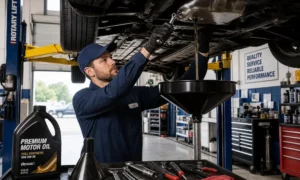
- Inspecting the water pump and connector for signs of corrosion or damage
- Replacing any defective water pump components free of charge
- Installing a protective shield to prevent fluid from reaching the connector in the future
The repair process takes approximately one hour at an authorized BMW service center. If you’ve already paid for repairs related to this issue, BMW has promised reimbursement.
Technicians will specifically look for signs of thermal degradation in the connector, which indicates the early stages of potential failure.
The Technical Details Behind the Recall
For those interested in the mechanics, the issue is more complex than just a faulty part. The problem originates in the design of the electrical water pump system.
The Failure Mechanism Explained
The electrical plug connector sits in an unfortunate position directly beneath the PCV system’s intake air hose. When the engine runs, a substance called “blow-by liquid” (containing oil vapors and unburned fuel) can collect on this hose.
Over time, this liquid drips down onto the connector. Due to insufficient sealing of the connector design, the fluid can penetrate to the electrical contacts. This causes corrosion and eventually short circuits, generating excessive heat.
This design flaw represents a significant oversight in the engineering of the N20 engine, which has already faced other reliability challenges including timing chain failures and oil leaks.
The Global Impact of the BMW Water Pump Recall
The scale of this recall extends far beyond American shores. In China, BMW recalled nearly 700,000 vehicles in October 2024 for the same water pump defect, including locally produced 3 Series and 5 Series models.
European markets are also affected, though specific numbers haven’t been widely publicized. The total global impact exceeds 2 million vehicles, making this one of BMW’s largest safety campaigns in recent years.
According to reports from automotive news sources, no injuries or accidents have been directly attributed to the water pump defect so far, despite at least 18 complaints filed with regulators before the recall was announced.
How to Protect Your BMW While Waiting for Repairs
If your vehicle is among those recalled but you’re still waiting for repair, here are practical steps to minimize risk:
- Limit short trips: Frequent cold starts increase the production of blow-by liquid.
- Park outdoors when possible: If a fire does start, this reduces the risk to structures.
- Check for leaks regularly: Look under your car and around the engine bay for coolant.
- Monitor engine temperature: Be alert for unusual fluctuations.
- Keep your service appointment: Don’t delay once you’re notified about the recall.
While the NHTSA states that vehicles remain drivable until serviced, staying vigilant about warning signs is crucial.
The N20 Engine: A History of Challenges
The turbocharged four-cylinder N20 engine at the center of this recall has had a troubled history since its 2011 introduction.
Many BMW enthusiasts and mechanics have documented the N20’s vulnerabilities, including:
- Timing chain guide failures leading to catastrophic engine damage
- Carbon buildup on intake valves requiring regular cleaning
- Oil leaks from various gaskets and seals
- Valve cover and valve cover gasket issues
The water pump recall adds another chapter to this engine’s challenging reliability record. For owners of N20-equipped BMWs, preventive maintenance becomes especially important.
Legal Implications for Vehicle Owners
The recall has already triggered legal action. A class-action lawsuit (Skinner v. BMW of North America, LLC) was filed in October 2024, alleging the recall imposes unfair burdens on owners.
The lawsuit claims owners face:
- Inconvenience arranging and waiting for repairs
- Potential vehicle devaluation
- Economic losses from taking time off work
- Stress from driving potentially unsafe vehicles
If you own an affected vehicle, you may be entitled to compensation beyond the free repair, especially if you’ve experienced related issues or repairs before the recall announcement.
How BMW’s Response Compares to Previous Recalls
This isn’t BMW’s first water pump-related recall. In 2018, the company recalled vehicles for auxiliary water pump fires, but with less transparency about the underlying issues.
The current recall shows improvement in BMW’s approach:
- More comprehensive technical explanations
- Clearer communication with owners
- A definitive fix rather than just component replacement
- Broader inclusion of potentially affected models
Industry analysts note that BMW appears to be taking this situation more seriously than past recalls, likely due to increased regulatory scrutiny and consumer awareness.
Long-Term Implications for BMW Owners
If you drive an affected BMW, consider these long-term factors:
- Maintenance records: Keep detailed documentation of all recall work performed.
- Resale impact: Future buyers may be concerned about recalled vehicles, so having proof of repair is valuable.
- Extended warranties: Consider coverage that includes cooling system components if you plan to keep your BMW beyond the factory warranty.
- Service relationship: This recall offers an opportunity to establish a relationship with a qualified BMW service center for future needs.
Many owners report that properly maintained BMWs with documented recall repairs maintain their reliability and value despite these issues.
The Future of BMW Cooling Systems
Following this recall, BMW has already begun implementing design changes in newer models. Current generation BMWs feature improved water pump connector sealing, repositioned components, and enhanced protection against fluid ingress.
The trend toward electric vehicles will also fundamentally change cooling system design in future BMWs, potentially eliminating many of these traditional failure points. Until then, owners of affected models should remain vigilant about their vehicle’s cooling system performance.
Taking Action If You Own an Affected BMW
Don’t wait for problems to develop. Here’s what you should do right now:
- Check your VIN on the BMW recall verification site
- Call your local BMW dealer to schedule the repair if your vehicle is affected
- Ask about a loaner vehicle if you’re uncomfortable driving your car before repairs
- Keep all documentation related to the recall and repairs
- Report any related issues to both BMW and the NHTSA
The sooner you address this recall, the sooner you can drive with confidence knowing your vehicle has been properly repaired.
Remember: This is a safety recall, not an optional service. BMW is legally obligated to fix the issue at no cost to you.