You’re eyeing a BMW 3 Series, but that nagging question keeps you up at night: “Will this thing bankrupt me in repairs?” You’re smart to ask. The answer isn’t simple, but stick with me—I’ll break down exactly which models you can trust and which ones you should avoid like a parking ticket.
The Short Answer: It Depends on the Year
Here’s the deal: not all BMW 3 Series are created equal. Some model years are bulletproof, while others are ticking time bombs. Are BMW 3 Series reliable? Yes, but only if you know what to look for.
The 2017-2018 models hit the sweet spot. You get modern tech without the headaches that plagued earlier versions. The newer G20 generation (2019+) is even better mechanically, though it’s got some annoying quirks we’ll cover.
But those 2012-2015 models? Run. Just run.
The Problem Years: 2012-2015 (Avoid These Like the Plague)
If someone’s selling you a 2012-2015 328i or 320i, they’re either clueless or hoping you are. These cars pack the N20 engine, which has a fatal flaw.
The Timing Chain Disaster
The N20’s timing chain guides were made from plastic that basically crumbles under heat. You’ll hear a high-pitched whine that sounds like a supercharger. Cute, right? Wrong. That’s the sound of your engine eating itself.
When those guides break, plastic bits fall into the oil pan and clog everything up. No oil flow means catastrophic engine failure—we’re talking $6,000+ for a replacement engine.
BMW got sued over this mess and lost. They extended the warranty to 7 years or 70,000 miles, but guess what? That warranty’s expired on pretty much all these cars now.
Bottom line: Unless the seller has paperwork proving the timing chain was replaced with the updated 2015+ parts, walk away. The repair costs $1,500-$2,500 preventatively, but most owners don’t know about this issue until it’s too late.
The Diesel Gamble: 328d Models
The 328d seemed brilliant on paper—40+ MPG in a sporty sedan. Reality? Not so much.
EGR Cooler Fires (Yes, Fires)
The exhaust gas recirculation cooler can leak coolant into the intake. Mix coolant with diesel soot, and you’ve got combustible sludge sitting in your engine bay. BMW has recalled these multiple times for potential fire hazards.
Parts are backordered for months. Some owners are stuck driving potential fire hazards while waiting for repairs.
DEF System Nightmares
The diesel exhaust fluid system is another money pit. The tank includes heaters and sensors that fail regularly. Replacing the entire assembly? That’s $2,000+. And if DEF crystallizes in the lines, your car won’t start—period.
The Sweet Spot: 2017-2018 F30 Models
If you want a used 3 Series, this is your target. BMW fixed the N20 timing chain issues and introduced the B48 (4-cylinder) and B58 (6-cylinder) engines.
These engines are solid. The B58, especially, is legendary—people compare it to Toyota’s bulletproof 2JZ. You’ll find high-mileage examples cruising past 100,000 miles with minimal issues.
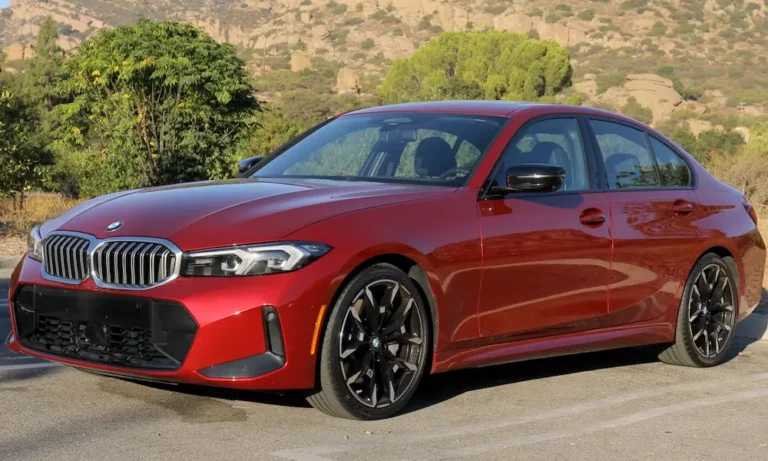
The 2017-2018 330i and 340i combine the updated engines with the depreciated F30 chassis. You’re getting modern reliability at a fraction of what you’d pay for the newer G20.
The Modern Era: 2019+ G20 Generation
Are BMW 3 Series reliable in their newest form? Mechanically, yes. Everything else? Ehh.
The Good: Solid Powertrains
The B48 and B58 engines carried over and they’re proven. The closed-deck block design handles stress better, and the mechanical water pump (instead of electric) eliminates the sudden-death failure mode of older models.
The Annoying: Build Quality Issues
Here’s where BMW stumbled. The G20 has some embarrassing problems for a $50,000 car:
Sunroof rattles: The cassette mechanism develops a persistent ticking noise over bumps. Dealers stuff felt tape in there or replace the entire sunroof frame—a major repair.
Door seal creaks: The rubber weatherstripping rubs against the gloss black trim, creating a flex noise that makes the car sound cheap.
Software bugs: The iDrive system freezes. Apple CarPlay drops randomly. The instrument cluster goes black for no reason. You’ll become familiar with the “hold the volume knob for 30 seconds to reboot” trick.
The Mysterious Coolant Loss
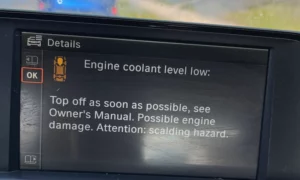
B-series engines love to drink coolant without leaving puddles. Usually, it’s the expansion tank cap failing to hold pressure, letting coolant vaporize. Sometimes it’s the turbo cooling lines or water pump housing.
BMW released a technical service bulletin about it, but it’s more annoying than catastrophic if you catch it early.
What You’ll Pay to Keep It Running
Let’s talk money. BMWs aren’t cheap to maintain, but they’re not the horror show people claim—if you’re smart about it.
| Vehicle | 10-Year Maintenance Cost | Major Repair Risk |
|---|---|---|
| BMW 3 Series | ~$14,345 | High |
| Lexus IS | ~$6,000-$7,000 | Low |
| Audi A4 | ~$12,800 | High |
| Mercedes C-Class | ~$12,942 | High |
You’re looking at roughly $7,000-$8,000 more than a Lexus IS over a decade. That gap comes from cooling system repairs, gaskets, and suspension components.
But here’s the thing: Lexus builds reliable cars that are boring to drive. BMW builds driver’s cars that demand attention.
The “BMW Tax” You Can’t Avoid
Certain repairs are inevitable. Budget for these:
Cooling System Refresh (Every 60,000-80,000 Miles)
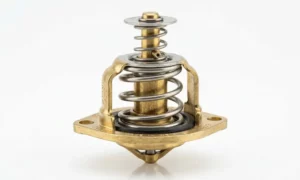
BMW uses plastic components in hot environments. Physics wins. The radiator end tanks, thermostat housing, and expansion tank will crack.
On older models with electric water pumps, those fail without warning. One minute you’re cruising, the next you’re overheating in limp mode. Smart owners replace them preventatively at 75,000 miles.
The Gasket Trio
Nearly every BMW develops oil leaks from three spots:
- Valve cover gasket (oil drips onto the exhaust)
- Oil filter housing gasket (oil hits the serpentine belt)
- Oil pan gasket (requires dropping the subframe—ouch)
These aren’t catastrophic, but they’re annoying and expensive if you let them pile up.
Electrical Gremlins
Door lock actuators use plastic gears that strip. When they fail, you’re trapped inside—literally. You have to pull the handle twice to override it. Oh, and if the actuator seizes completely, it blows the fuse and kills your entire central locking system.
When you replace the battery (which you will), you need to “register” it with the car’s computer. Skip this step and the alternator overcharges the new battery, killing it in months. That’s right—even replacing a battery has a software cost.
The Maintenance Schedule BMW Won’t Tell You About
BMW says their transmission fluid is “lifetime fill.” Know who disagrees? ZF, the company that actually builds the transmission.
ZF recommends changing the fluid every 60,000 miles. Owners who follow BMW’s “lifetime” advice get transmission shudder and hard shifting around 120,000 miles.
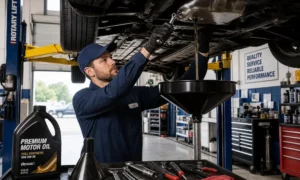
Same deal with oil. BMW’s computer says 10,000-12,000 miles between changes. Turbocharged engines building up sludge at that interval. Independent specialists recommend 5,000-7,000 miles if you want the engine to last.
BMW vs. The Competition
BMW 3 Series vs. Lexus IS
The Lexus IS ranks higher in reliability studies, but it’s also slower, less efficient, and uses an older transmission. You trade driving excitement for peace of mind.
BMW 3 Series vs. Audi A4
The Audi A4’s EA888 engine solved its oil consumption issues. Both cars have water pump problems and complex electronics. The BMW’s timing chain is generally more robust, but Audi’s interior has fewer rattles.
BMW 3 Series vs. Mercedes C-Class
Mercedes has struggled with electronic failures and early engine problems. Maintenance data consistently shows Mercedes as the most expensive German brand to maintain. The 3 Series is the better bet.
Hybrid Warning: The 330e Battery Bomb
The plug-in hybrid 330e seems eco-friendly until the high-voltage battery dies. Replacement at the dealer? $7,500-$10,000. That’s more than the car’s worth.
Some independent shops can replace individual modules for around $2,500, but it’s still a massive risk on a used hybrid.
Your Buying Guide: Model Years Ranked
Avoid Completely
- 2012-2015 328i/320i (N20 engine): Timing chain failure waiting to happen
- 2007-2010 335i (N54 engine): Fun to tune, nightmare to own
- 2014-2018 328d (Diesel): Fire risk and DEF system failures
Buy With Confidence
- 2017-2018 330i/340i: Best value—mature chassis, proven B-series engines
- 2019+ M340i: The B58 engine is exceptional, worth the premium
Proceed With Caution
- 2019+ 330i: Good mechanically, but test for rattles and software issues
- 2016 330i: First year of B48, some early bugs
What to Check Before Buying
Buying used? Here’s your inspection checklist:
For 2012-2015 models: Demand proof of timing chain replacement with updated parts. No documentation? Next car.
For diesels: Verify all EGR cooler recalls were completed. Check the intake manifold for carbon buildup.
For G20 models: Test drive over rough roads listening for sunroof rattles. Check all iDrive functions. Make sure software updates are current.
All models: Look for coolant leaks at the expansion tank and water pump. Check for oil seepage at valve cover and oil pan. Test the door locks—they should work smoothly without double-pulling.
The Final Verdict
So, are BMW 3 Series reliable? The honest answer: they can be, if you choose wisely.
The brand has genuinely improved. The shift from N-series to B-series engines was a game-changer. Modern 3 Series (2017+) with proper maintenance can be dependable daily drivers.
But they’re not set-it-and-forget-it cars. You need to stay on top of cooling system maintenance, change fluids more often than BMW recommends, and budget for the inevitable gasket leaks.
Buy a 2017+ model with the B48 or B58 engine, maintain it properly, and you’ll enjoy one of the best-driving sedans on the road without catastrophic failures. Cheap out on a 2012-2015 model to save a few grand upfront, and you’ll learn an expensive lesson about why some used cars are cheap.
Your move. Choose the right year, respect the maintenance schedule, and the 3 Series will reward you with driving dynamics no Lexus can match. Ignore the warnings, and you’ll understand why BMW has a reputation for expensive repairs.